Can Tourists Easily Use the Taiwan Railway?
Yes, tourists can use the Taiwan Railway (TRA) easily, and Tainan's main station sits right in the old city. Here is what the verified sources say about tickets, transfers and the Shalun Line.
Can Tourists Easily Use the Taiwan Railway?
Yes. The Taiwan Railway, the conventional rail network that locals and official English pages call TRA, runs the length of the island and stops at central stations, including Tainan main station, which sits in the old city rather than at an edge-of-town terminal. Tickets are sold at counters and machines, an official trip planner exists in English, and the network connects to city buses with a verified transfer discount. The one thing that genuinely trips visitors up is not the railway itself but the geography: the High Speed Rail station is at Shalun in Guiren District, well outside the old city, and the branch line joining the two is a separate paid TRA ticket.
Is the Taiwan Railway Easy for Foreign Visitors in Tainan?
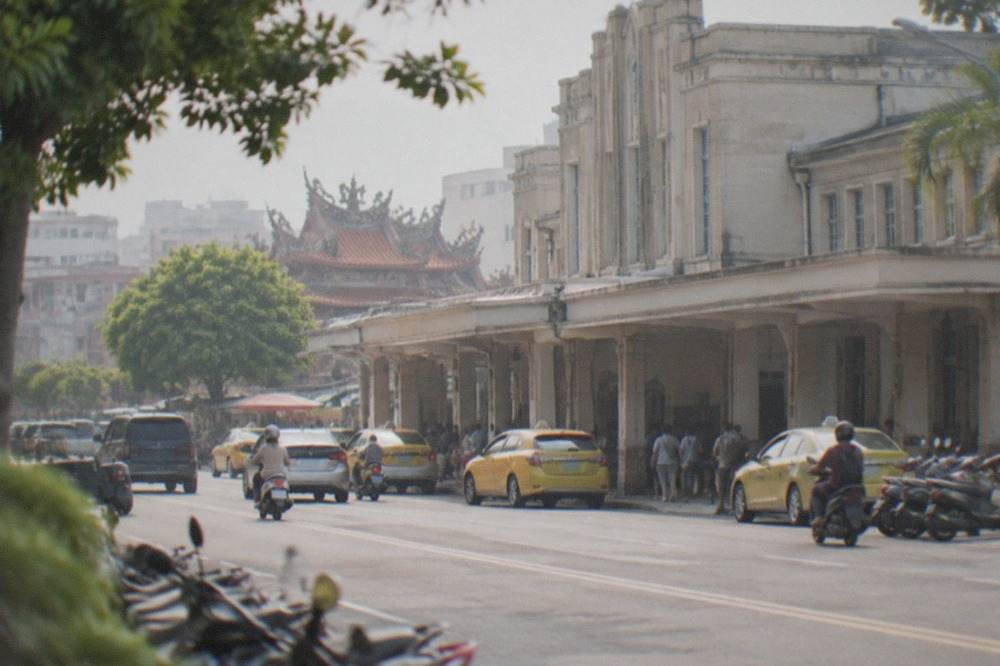
Yes, in the ways that matter most. TRA stops at Tainan main station, which is inside the old city and within walking distance of the historic core, so a tourist arriving by conventional rail lands where the attractions actually are. The operator publishes its own English trip planner, tickets are sold at the station, and a verified transfer discount of NT$9 applies when you switch from a TRA train to a Tainan city bus within two hours using an electronic card.
The single biggest point in the railway's favor, for a Tainan visitor, is station placement. The Taiwan Railway Administration's own trip planner is the authoritative source for timetables and fares, and no fare or journey time for any TRA route is republished here, because none has been verified against the operator's pages. What is verified is structural: Tainan main station is a city-center terminus, unlike the High Speed Rail station out at Shalun. A traveler who books a conventional rail ticket to "Tainan" arrives in the middle of the thing they came to see.
The contrast with the High Speed Rail matters. Taiwan High Speed Rail's own fare table lists Tainan station at Shalun in Guiren District, and the journey from Taipei by HSR costs NT$1,350 for a reserved standard seat. That speed has a price beyond the fare: the HSR station is not the city. Reaching the center from it means a transfer, either the free H31 shuttle for HSR passengers holding a ticket stub, or the TRA Shalun Line. Our page on getting from Taipei to Tainan covers that trade-off in detail.
Two practical notes from the verified facts. First, the Shalun Line between the HSR station and Tainan main station is a paid TRA ticket, not a free transfer, and its exact fare and frequency are not verified here, so check the trip planner before assuming anything. Second, the transfer discount works in your favor: with an EasyCard, iPASS, Citizen Card or iCash 2.0, transferring between TRA and a Tainan city bus within two hours takes NT$9 off the bus leg. Use another mode in between, such as a public bike, and the discount is voided.
Can Tourists Easily Use the Taiwan Railway for Day Trips Around Tainan?
Yes, and the network reaches most of the places a Tainan visitor wants on a day trip, though the coastal lagoon country around Qigu and the hill country around Guanziling rely on connecting buses or tours rather than direct trains. TRA connects Tainan to Kaohsiung, Chiayi and points north along the western plain, and the city bus network picks up where the rails stop, with the first 8 km free on trunk and branch routes when you pay with an electronic card.
The western corridor is the railway's strength. Chiayi, the jumping-off point for the mountain country and the Alishan forest railway, is a TRA ride from Tainan, and Kaohsiung sits close enough to the south that the two cities function as a single travel region, as our comparison of Tainan and Kaohsiung explains. No TRA fare or journey time is published on this page, because the operator's own planner is the only verified source, and it is the right tool for the job.
Where the railway runs out, the bus network takes over. The city's own bus site states that trunk and branch routes, the green, blue, brown, orange, yellow and red lines, are free for the first 8 km of travel with an electronic card, a policy running through the 2026 calendar year. The cash fare for the same trip is NT$26. You must tap on and tap off, and the tap off is the part visitors miss.
| Question a Tainan visitor asks | What the verified sources say |
|---|---|
| Does TRA stop in central Tainan? | Yes, Tainan main station is in the old city |
| Is the HSR station the same place? | No, it is at Shalun in Guiren District, outside the old city |
| Is the Shalun Line between them free? | No, it is a paid TRA ticket, not a free transfer |
| Is there a discount switching from TRA to a city bus? | Yes, NT$9 off within 2 hours with an electronic card |
| Are city buses free? | The first 8 km are free on trunk and branch routes with an electronic card, through 2026 |
| What is the cash bus fare? | NT$26 for the same trip |
The honest summary is that the railway is easy, the transfers are where the planning lives. A visitor who treats Tainan main station as the anchor, and uses the bus network and its verified free-first-8-km policy to radiate outward, moves around the city with very little friction.
Do You Need Chinese to Ride the Taiwan Railway?
Not really, and Tainan in particular has been investing in bilingual signage, though the coverage is not universal and older or smaller spots still lag. The city's own initiatives have added Chinese-English and multi-language signs, maps and indicators across tourist areas, key markets, buses and public facilities, so a visitor at Tainan main station or on a city bus finds English present. Outside the main tourist corridors, English thins out.
The verified reporting on this is encouraging but measured. Tainan's English-Friendly Emblem program and related city initiatives have expanded bilingual and multi-language signage, including Japanese and Korean, in tourist areas and on public transport. Garden Night Market was named as a demonstration site for bilingual signage. The same reporting notes occasional signage errors and confirms the coverage is not universal, especially in smaller or older establishments.
For railway travel specifically, the practical picture is that the main stations and the official trip planner carry English, and station staff at a major terminus like Tainan handle foreign passengers routinely. The place English genuinely helps beyond the station is choosing what to do once you arrive, which is where a curated resource like what Tainan is best known for saves time.
What About Tickets, Cards and the Shalun Line Transfer?
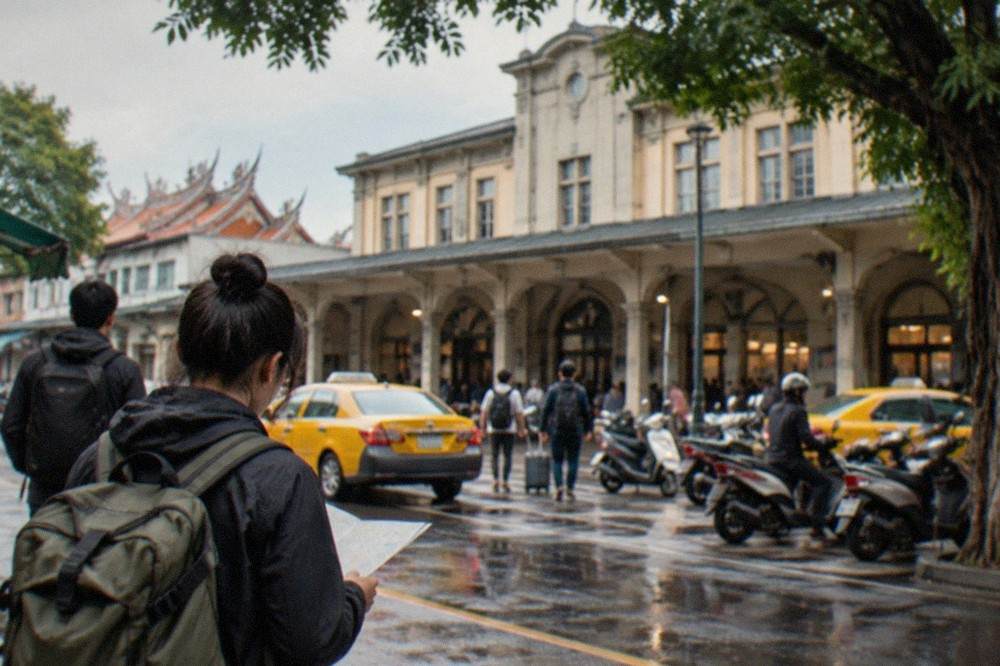
Buy TRA tickets at the station counter or machine, or check the operator's own trip planner for schedules and fares before you travel, because no route fare or journey time is verified for republication here. For the transfer between the High Speed Rail station and the city, the Shalun Line is a paid TRA ticket, not a free transfer, and the free option is the H31 shuttle bus, which carries HSR passengers at no charge on production of a ticket stub.
The card situation deserves a clear statement, because it is the most common point of confusion. EasyCard and iPASS are both accepted on Tainan city buses, and they are the difference between paying NT$26 and paying nothing for a short trip. The Tainan Art Museum's own tickets page confirms iPASS and EasyCard work at its ticket desk too. What you must not assume is that EasyCard works on the High Speed Rail, because that is not verified and the two systems are separate. Whether EasyCard or iPASS works on TRA trains is likewise not verified here, so the counter and the trip planner remain the safe answer for rail tickets.
The Shalun Line is the piece most visitors have never heard of. It is a TRA branch line connecting the HSR station at Shalun with the main network, and the verified fact is that it is a paid Taiwan Railway ticket rather than a courtesy transfer. Its exact fare and frequency are not verified, so the operator's planner is the reference. The alternative, the H31 Tainan City Government Line express bus, is free for HSR passengers showing a ticket stub, with no card tap needed; other passengers pay NT$18 for one section or NT$36 for two, with the section break at the Chimei Museum, which places the museum directly on the shuttle route.
For a traveler deciding how to spend the hours after arrival, that shuttle fact is quietly useful. Our page on the Chimei Museum's value covers the collection itself, and the museum's own hours list it closed every Wednesday, with last entry at 17:00.
So Is the Railway the Right Choice for a Tainan Trip?
For most visitors, yes, with one caveat: the railway delivers you to the old city, which is exactly where a first-time visitor wants to be, but it is slower than the High Speed Rail on the long hauls from Taipei and Taoyuan. The verified position is that TRA serves central Tainan directly, that the HSR station requires a paid or shuttle transfer from Shalun, and that no journey time for either system is published here because none has been verified against an operator page.
The decision usually comes down to where you are coming from and how much of your day the ride itself should consume. Arriving from Kaohsiung, the distance is short enough that the conventional railway and the High Speed Rail are both reasonable, and our page on getting from Tainan to Kaohsiung lays out the options. Coming from Taipei, the HSR fare of NT$1,350 for a reserved standard seat is verified, but the time saving has to be weighed against the transfer at the Shalun end.
Once you are in the old city, the railway's job is largely done. The historic core, the night markets and the temple streets are compact enough that buses, bikes and feet carry most of the load, and the verified free-first-8-km bus policy makes the short hops cost nothing with an electronic card. For a sense of what the city holds beyond the station concourse, our guide to where to go in Tainan for the first time is the natural next read.
Common Questions About the Taiwan Railway for Tourists
Can Tourists Easily Use The Taiwan Railway?
Yes. TRA serves central stations including Tainan main station in the old city, tickets are sold at counters and machines, the operator publishes an English trip planner, and a verified NT$9 transfer discount applies when switching from a TRA train to a Tainan city bus within two hours with an electronic card.
Is Tainan's Train Station In The City Center?
Yes. Tainan main station, served by the Taiwan Railway, sits in the old city. The High Speed Rail station is the one that does not: it is at Shalun in Guiren District, outside the old city, and reaching the center requires a transfer.
Is The Shalun Line Free For HSR Passengers?
No. The Shalun Line is a paid Taiwan Railway ticket, not a free transfer. The free option for HSR passengers is the H31 shuttle bus, which carries them at no charge on production of an HSR ticket stub.
Does EasyCard Work On The Taiwan Railway?
That is not verified on this site. EasyCard and iPASS are confirmed on Tainan city buses and at the Tainan Art Museum ticket desk, but acceptance on TRA and the High Speed Rail is not confirmed, so buy rail tickets at the counter or machine and check the operator's own pages.
Are Tainan City Buses Free?
For short trips, effectively yes: the first 8 km on trunk and branch routes are free with an electronic card, a policy running through the 2026 calendar year. The cash fare for the same trip is NT$26, and you must tap on and tap off.
The short version, then, is that the Taiwan Railway is one of the easier rail systems a foreign visitor will meet in East Asia, and in Tainan it delivers you to the right place. Plan the transfer from the HSR station in advance, keep an electronic card for the buses, and treat the operator's own trip planner as the single source for any fare or timetable before you commit to a schedule. For everything that comes after the train ride, Tainan Travel Guide covers the old city, the coast and the food streets district by district.