Beimen and the Crystal Church
The Beimen salt coast is Tainan's quiet counterweight to the temple-and-fort old city: flat land, working and abandoned salt pans, a wedding-photo chapel that has become one of Taiwan's most photographed structures, and a temple that draws more visitors than any Dutch-era site in the city.
Short answer
Beimen is a coastal district about an hour's drive southwest of central Tainan, known for its salt industry landscape, the Crystal Church photo installation on the flats, Nankunshen Daitian Temple and wintering black-faced spoonbills. It works best as a half-day or full-day trip by car or tour bus, often combined with Qigu.
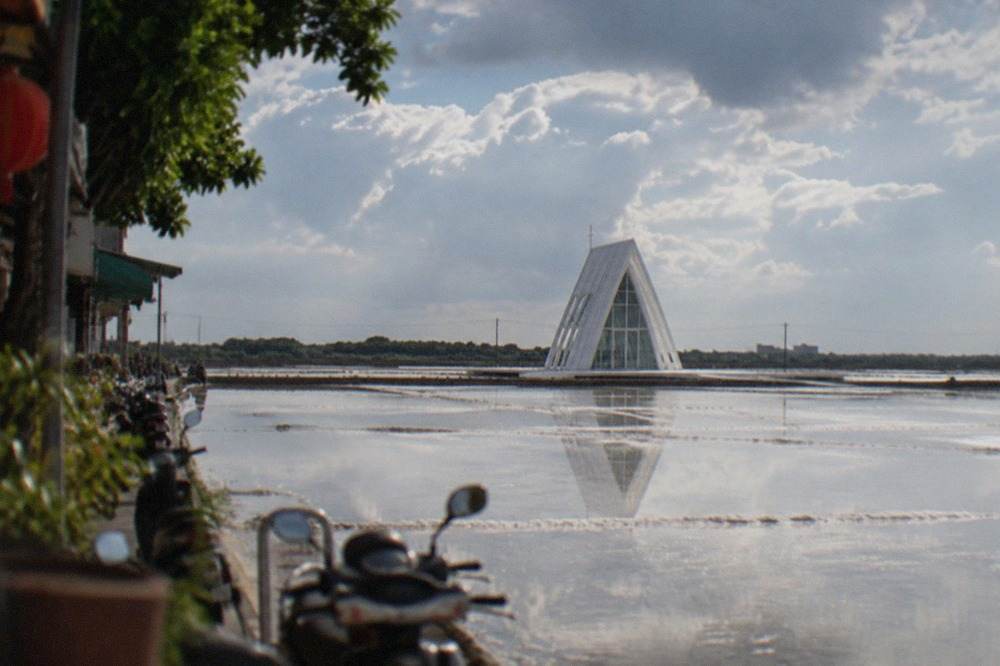
The Crystal Church stands on the Beimen salt flats, a white, faceted chapel-shaped structure built as a wedding-photography installation rather than as a working church, and it has become one of the most photographed objects on Taiwan's southwest coast. Around it lies the rest of Beimen District: retired salt-evaporation pans, a small salt industry museum area, the huge Nankunshen Daitian Temple, and, in winter, black-faced spoonbills on the wetlands near the Zengwen River estuary. None of the Dutch-era story that fills central Tainan applies here. This is the lagoon coast, and it runs on a different calendar, a different economy and a different set of photo opportunities. This guide from Tainan Travel Guide covers what the Crystal Church actually is, how to reach Beimen from the city, what the surrounding coast offers, and how to fold it into a bigger day trip.
What Is the Crystal Church at Beimen?
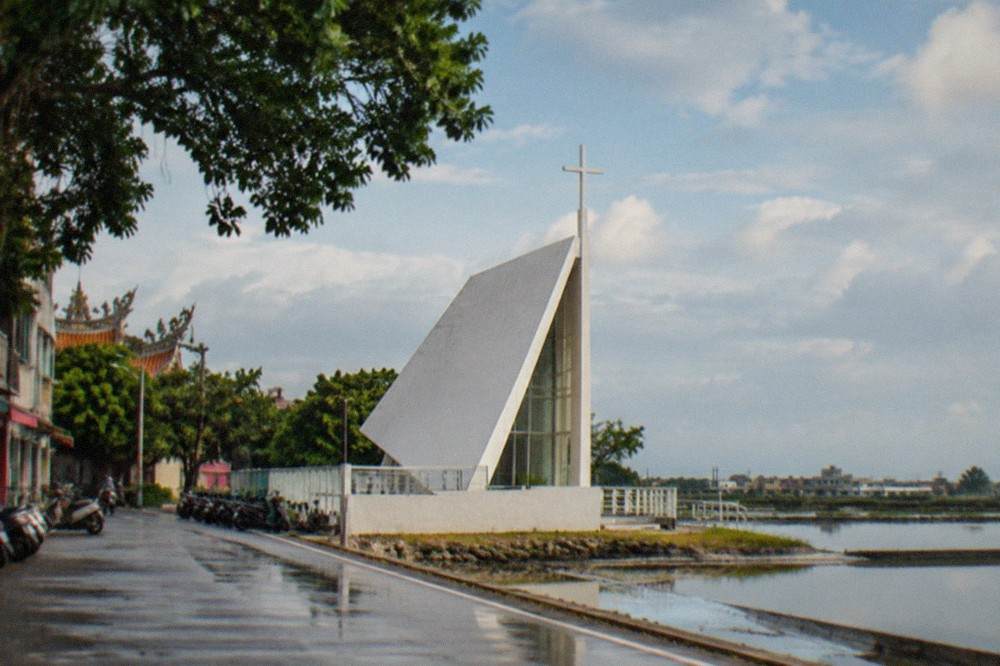
The Crystal Church is a purpose-built wedding photography installation on the Beimen salt flats, not a functioning church, and it sits inside the Beimen wedding plaza and salt coast area in Beimen District, Tainan. It is a white, angular, crystal-shaped structure designed to be photographed, especially at sunrise and sunset when the wet salt pans around it reflect the sky. Entry to the surrounding flats is free.
That last point matters more than it sounds. A lot of Taiwan's photo landmarks sit behind ticket gates, and the Beimen salt coast is not one of them. The chapel, the flats and the viewing areas around it are public space, and the district's own tourism pages present the whole stretch as an open scenic area. The structure was built as part of the county's wedding-plaza development, and it has since become the single image most people associate with Beimen, ahead even of the salt industry that shaped the district for over a century.
The honest framing, though, is that the Crystal Church is a fifteen-minute experience unless you are there for photography. You walk out onto the flats, you take the picture, you look at the horizon, and then the question becomes what else the district offers. The answer is a lot, and most of it is within a short drive: the Beimen Salt Industry Recreation Area, which recorded 344,093 visitors in the Tourism Administration's dataset, the old salt pans at Jingliao and Qigu to the north, and Nankunshen Daitian Temple, which is the real visitor magnet of the district.
How Do You Get from Tainan to Beimen?
Beimen sits on the southwest coast of Tainan City, roughly an hour from the old city by road, and there is no rail line to it. The practical options are a city or tour bus, a rental car or scooter, or a guided day tour that strings the coast together. City buses on the trunk and branch network are free for the first 8 km with an electronic card, but Beimen is much further than 8 km, so the bus is paid transport here, not a free ride.
That bus detail deserves precision, because it is genuinely useful on the Tainan coast. The city's own bus site states that trunk and branch routes are free for the first 8 km of travel with a Citizen Card, iPASS, EasyCard or iCash 2.0, a waiver worth NT$26, running through the 2026 calendar year. You must tap on and tap off; the tap off is the part visitors miss. Beyond 8 km you pay the mileage fare in cash or card. Beimen is far outside the free radius, so budget for a fare, and check the route and timetable on the Tainan bus site before committing, because coastal frequencies are thin compared with the city centre.
By car, the coast is straightforward: the district sits off the coastal highway, and the drive from central Tainan passes through Annan District and the lagoon country before reaching the flats. A car also unlocks the combinations that make the trip worthwhile, since Qigu Salt Mountain, the Sicao Green Tunnel and the Jingzijiao tile-paved salt fields are all on the same coastal arc. If you are planning a wider trip, our Beimen area guide covers the district in more depth, and the getting around Tainan options are summarised on the transport pages.
The scooter question needs a caveat that applies across Taiwan, not just here. An International Driving Permit is not automatically sufficient: Taiwan expects an IDP to be registered at a Motor Vehicles Office, and rental shops may refuse without that registration. Do not assume you can turn up with an IDP and ride. Check the official Motor Vehicles Office guidance before you plan a scooter day on the coast.
What Can You See Along the Beimen Salt Coast?
The Beimen coast offers four distinct stops within a short drive of each other: the Crystal Church and wedding plaza on the flats, the Beimen Salt Industry Recreation Area with its salt-pan landscape and museum, Nankunshen Daitian Temple, one of Taiwan's most visited temples, and the wintering black-faced spoonbills on the nearby wetlands from roughly October through the winter months. All four are free or low-cost, and none needs advance booking.
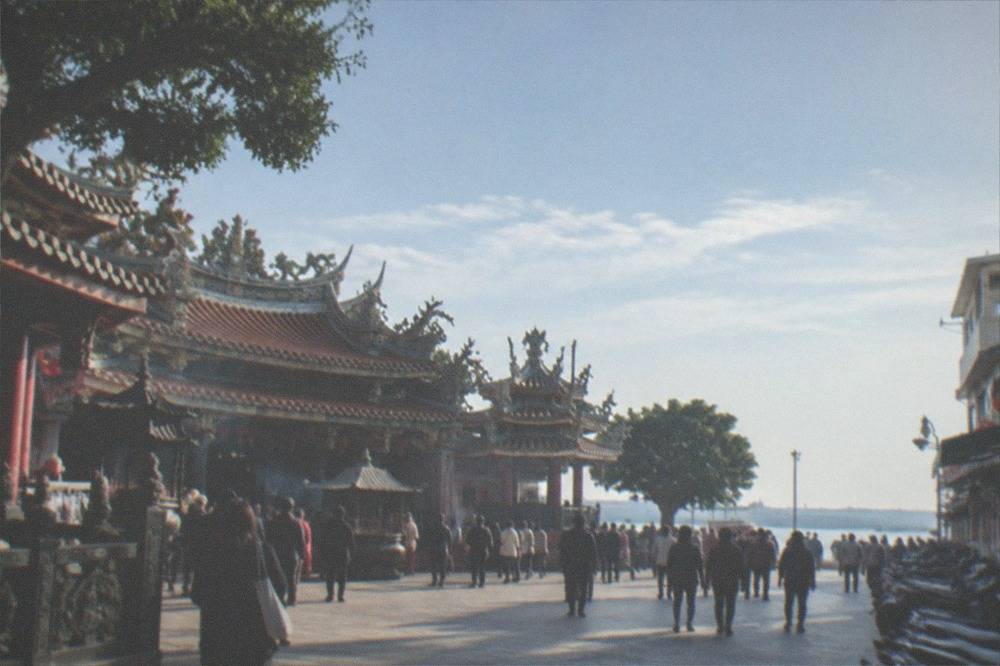
Start with the temple, because the numbers are the story. The Tourism Administration's dataset records 6,583,100 visitors at Nankunshen Daitian Temple, against 443,622 at Chihkan Tower and 195,109 at the Tainan Confucius Temple. In other words, the biggest draw in Tainan by a wide margin is not a Dutch fort in the old city but a Wang Ye pilgrimage temple on the salt coast. The temple hosts major incense-offering pilgrimages on fixed lunar dates, with the busiest periods in spring and summer, and the city's visitor data shows its peak months are January and February, driven by pilgrimage and Lunar New Year.
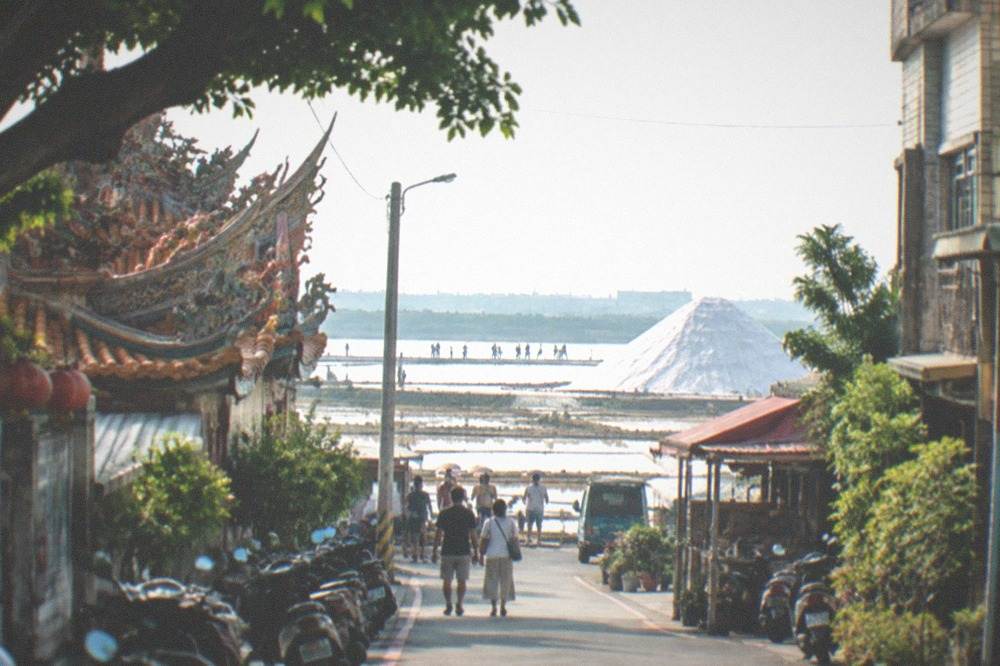
The salt landscape is the second act. Beimen's economy ran on salt evaporation for generations, and the recreation area preserves that landscape: flat pans, salt heaps, channels and the museum buildings that explain how the industry worked. The numbers here are more modest, 344,093 visitors, which translates into a quieter visit than the temple. To the north, the Jingzijiao tile-paved salt fields drew 636,193 in the same dataset, and the wider Qigu Salt Industry Recreation Area drew 690,750, so the whole coastal strip adds up to a substantial visitor economy built on salt rather than forts.
The spoonbills are the seasonal wildcard. Black-faced spoonbills winter in the Qigu wetlands and the Zengwen River estuary area, typically arriving around September or October and departing by spring. No sighting is guaranteed and no count should be trusted unless it comes from a reserve source, but the structural fact is solid: this stretch of coast is one of the species' main wintering grounds in Taiwan, and a winter trip to Beimen puts you in the right area for it.

The table below puts the coastal stops in order, with their entry costs and recorded visitor scale.
| Stop | What it is | Entry | Recorded visitors |
|---|---|---|---|
| Nankunshen Daitian Temple | Major Wang Ye pilgrimage temple | free | 6,583,100 |
| Beimen Salt Industry Recreation Area | Salt pans and industry museum area | free | 344,093 |
| Crystal Church and wedding plaza | Photo installation on the flats | free | within the salt coast area |
| Jingzijiao tile-paved salt fields | Historic tile-paved evaporation fields | free | 636,193 |
| Qigu Salt Industry Recreation Area | Salt mountain and wider recreation area | NT$50 on foot | 690,750 |
One caveat belongs on those counts: they are compiled by each operator and reported to the Tourism Administration, and the methods differ between a ticketed site and an open old street or temple forecourt, so treat them as scale indicators rather than exact turnstile figures.
When Is the Best Time to Visit the Tainan Salt Coast?
October to March is the best window for the Beimen coast: the Central Weather Administration's 1991 to 2020 normals for Tainan show those months are dry and warm, with October averaging just 2.8 wet days while still reaching 30.8C maxima, and December bringing only 16 mm of rain across about 3 days. Winter is also spoonbill season, which doubles the reason to go between October and February.
The rainfall numbers make the case better than any adjective. August alone brings 466 mm across 16 wet days; December brings 16 mm across 3. Close to three-quarters of the annual 1,761 mm falls between May and September, and typhoon risk concentrates in those same late-summer months. The coast is flat and exposed, so a summer afternoon storm on the salt pans is not a scenic event, it is a reason to be somewhere with a roof. The city's own climate record, published by the Central Weather Administration for station 467410, is the source for every figure in the table below.
| Month | Mean max C | Rain mm | Wet days |
|---|---|---|---|
| October | 30.8 | 30.8 | 2.8 |
| November | 28.1 | 23.8 | 2.4 |
| December | 24.4 | 16.2 | 3.0 |
| January | 23.0 | 20.7 | 3.8 |
| February | 24.0 | 21.6 | 4.1 |
| August | 32.6 | 466.1 | 15.8 |
Photography changes the calculation slightly. The chapel on the flats photographs best at the low-light ends of the day, when the wet pans reflect the sky, and winter sunsets come early enough to pair with an afternoon temple visit. Summer gives you harsher midday light but longer evenings. Either way, the coast has almost no shade, so water, a hat and sunscreen are the practical kit, whatever the month says.
What Does a Beimen and Salt Coast Day Trip Cost?
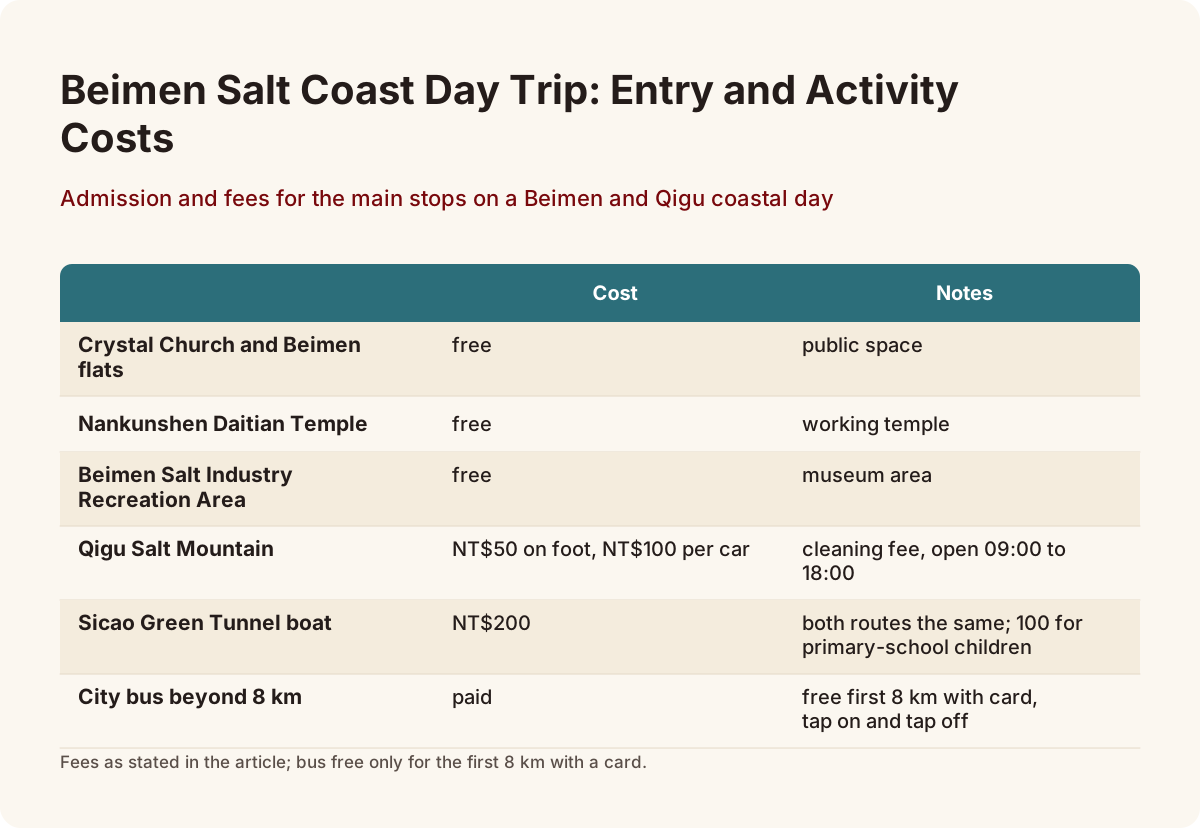
The Beimen stops themselves are free: the Crystal Church, the wedding plaza, the salt flats and Nankunshen Daitian Temple charge no admission. The paid items on a coastal day are transport, food, and the optional add-ons further north: Qigu Salt Mountain charges a NT$50 cleaning fee per person on foot or 100 per car, and the Sicao Green Tunnel boat costs NT$200 full fare, both routes priced the same.
That fee structure is unusually friendly. Compare it with the old city, where Chihkan Tower, Anping Old Fort and the Anping Tree House each charge NT$70 at the gate, and the Chimei Museum charges 200 for the permanent collection. A visitor could spend a full day on the Beimen coast and pay nothing at all for entry, with the only unavoidable costs being the bus fare or fuel and lunch. The salt mountain's fee is officially a cleaning fee rather than admission, 50 per person arriving on foot, by scooter or by bicycle, and 100 per car, with coaches of 20 or more seats free.
| Item | Cost | Notes |
|---|---|---|
| Crystal Church and Beimen flats | free | public space |
| Nankunshen Daitian Temple | free | working temple |
| Beimen Salt Industry Recreation Area | free | museum area |
| Qigu Salt Mountain | NT$50 on foot, NT$100 per car | cleaning fee, open 09:00 to 18:00 |
| Sicao Green Tunnel boat | NT$200 | both routes the same; 100 for primary-school children |
| City bus beyond 8 km | paid | free first 8 km with card, tap on and tap off |
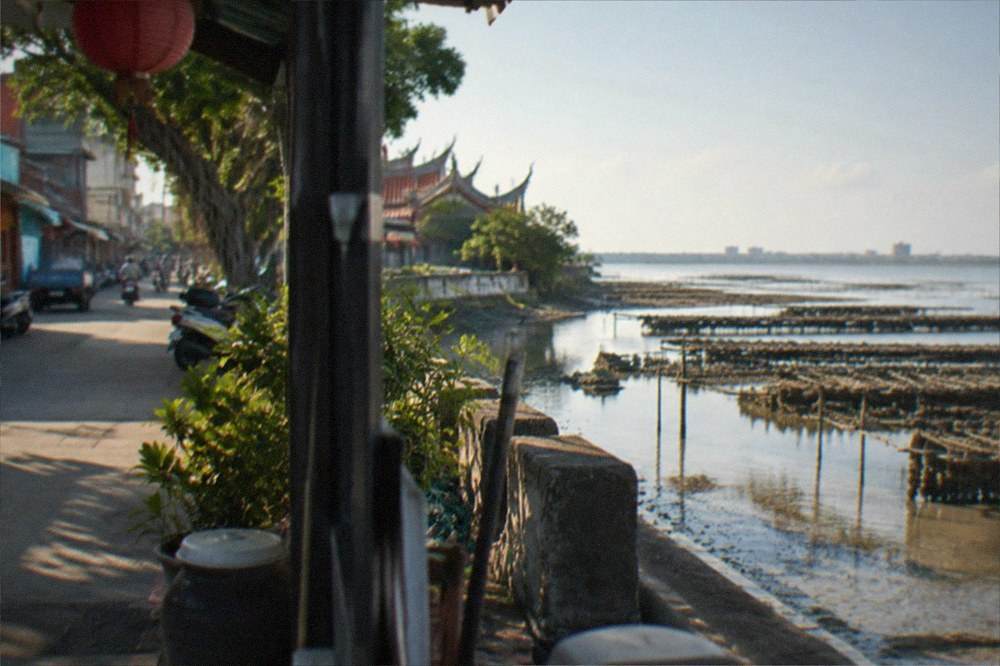
Food on the coast is worth a paragraph even without prices, because no official price list exists for the seafood stalls and none should be invented. What is verifiable is structural: the district's economy is built on lagoon and coastal produce, oyster farming in particular, and the Qigu Seafood Festival runs in July and August on the same stretch of coast. Treat meal costs qualitatively, expect to pay cash at small stalls, and check the price at the counter before ordering, which is normal practice in Taiwan.
Can You Combine Beimen with Qigu, Yanshui or the Lagoon Boat Rides?
Yes, and the combination is the point. Beimen, the Jingzijiao salt fields, Qigu Salt Mountain and the Sicao Green Tunnel all sit on the same coastal arc southwest of the city, which makes a single driving day the natural shape of the trip. Add Yanshui's old street and temples to the inland end and you have a full loop that covers salt, temples, wetlands and a mangrove boat ride without backtracking.
The boat ride deserves its own mention because it anchors the southern end of the route. The Sicao Green Tunnel runs a roughly 30-minute round trip through the mangroves, departing between 08:00 and 16:00 daily, boats leaving when roughly 30 passengers have gathered or after about a 30-minute wait. Both the Green Tunnel route and the longer Taijiang route cost NT$200 full fare, so there is no cheaper option to hunt for. Concessions exist: 100 for primary-school children, a 30 "black-faced spoonbill" ticket for ages 0 to 6 and 80 and over, and a 100 accessibility ticket whose holder may bring one companion.
For travellers coming from further afield, the coast slots into bigger itineraries. The Qigu salt flats day trip covers the northern half of the arc in detail, and Yanshui and Jingliao covers the inland string. If you are arriving from the north, the Taipei to Tainan route notes that the HSR station sits at Shalun in Guiren District, outside the old city, which affects how much coast you can realistically fit into an arrival day. From the south, the Kaohsiung day trips page covers the approach up from Zuoying, where the HSR fare to Tainan is NT$140 standard class.

A sample driving order, for planning rather than prescription: start early at the Crystal Church for the flat morning light, move to the Beimen salt recreation area as the day warms, spend the middle of the day at Nankunshen Daitian Temple, then drive north to Jingzijiao and Qigu Salt Mountain in the afternoon, and finish with the Sicao boat ride before its 16:00 last departure. In winter, swap the temple and the wetlands so the spoonbill viewing lands in the morning, when the birds are more active. That is a full day, and a car or a guided tour is the only realistic way to run it.
Is a Guided Tour Worth It for the Beimen Coast?
A guided tour is worth considering if you do not drive, because the Beimen coast has no rail link and thin bus frequencies, and the best stops are spread along a driving arc. Tours also handle the timing details that are easy to get wrong, such as the boat's 16:00 last departure and the temple's pilgrimage crowds. If you have a car and a plan, the coast is perfectly manageable independently, and every stop except the boat is free.
The honest trade-off is flexibility against logistics. Independent travellers with a car get to set their own pace, chase the light at the chapel and linger at the temple, at the cost of doing their own homework on opening days and boat times. Travellers without a car get a lot for a tour: the coastal stops are not walkable between each other, and public transport timetables on the coast do not reward improvisation. Either way, check the current days and hours before you go, because the city updates its attraction pages and the details do change.
Common Questions About Beimen and the Crystal Church
Is the Crystal Church a real church?
No. It is a wedding-photography installation built on the Beimen salt flats as part of the district's wedding plaza development. It is not a functioning church and holds no regular services, and the land around it is public scenic space with free access.
How far is Beimen from central Tainan?
Beimen District sits on the southwest coast of Tainan City, roughly an hour from the old city by road. There is no rail line to the district, so the practical access is by car, scooter, bus or guided tour.
Do you need a ticket for the Beimen salt flats?
No. The Crystal Church, the wedding plaza and the salt flats are free public space. The paid items nearby are the Qigu Salt Mountain cleaning fee, NT$50 per person on foot or NT$100 per car, and the Sicao Green Tunnel boat at NT$200 full fare.
When can you see black-faced spoonbills near Beimen?
The spoonbills winter in the Qigu wetlands and the Zengwen River estuary area, typically arriving around September or October and departing by spring. No sighting is guaranteed, and winter, which is also Tainan's dry season, is the right time to try.
Can you visit Beimen by public transport?
Yes, but plan around it. City buses do reach the coastal districts, though frequencies are thin compared with the city centre, and the free-first-8-km card waiver does not cover a trip of this distance. Check the route and timetable on the city's bus site before you commit.
What is the best month for the Beimen coast?
October to March. The Central Weather Administration's normals for Tainan show those months are dry and warm, with October averaging only 2.8 wet days, and winter overlaps with spoonbill season. August, by contrast, averages 466 mm of rain across 16 wet days.

The Beimen coast rewards exactly the kind of traveller who finds the old city's ticket queues tiresome: everything on the flats is free, the biggest temple in the region is a working pilgrimage site rather than a museum piece, and the landscape is unlike anything else in Tainan. Go in the dry half of the year, take a car or a tour if you can, keep the boat's 16:00 cutoff in mind, and check the current opening details on the city's own pages before you set out, because coastal schedules, like the salt harvest itself, follow their own calendar.