Beimen District
Beimen District is the quiet northern end of Tainan's lagoon coast, a flat landscape of old salt fields, fishing harbors and one temple that draws more visitors than any other site in the city.

Short answer
Beimen District is Tainan's northwestern coastal district, famous for its historic salt industry, the Crystal Church on the old salt flats, and Nankunshen Daitian Temple, which drew 6,583,100 visitors in 2023, more than any other attraction in Tainan.
Beimen District sits at the northwestern corner of Tainan, where the land flattens into lagoons, salt pans and wind-shaped wetlands before meeting the Taiwan Strait. For most of the twentieth century this was salt country, and the district's identity still runs on salt, fish and temples rather than on the Dutch-era forts of the old city. The numbers tell an unexpected story: the Tourism Administration's 2023 dataset puts Nankunshen Daitian Temple in Beimen at 6,583,100 visitors, roughly fifteen times the count at Chihkan Tower, which means the busiest heritage site in Tainan is not in the old capital at all but out here on the coast. This Tainan Travel Guide page lays out what is actually in the district, what it costs, and how it fits into a salt-coast day.
What Is Beimen District Known For?
Beimen District is known for three things: the historic salt industry that shaped its landscape, the wetland coast that now shelters wintering black-faced spoonbills, and Nankunshen Daitian Temple, which recorded 6,583,100 visitors in 2023, the highest count of any attraction in Tainan. The district sits on the lagoon shore in the city's northwest, between Qigu and the border with Chiayi, and its flat, open terrain is nothing like the alleys of West Central District.
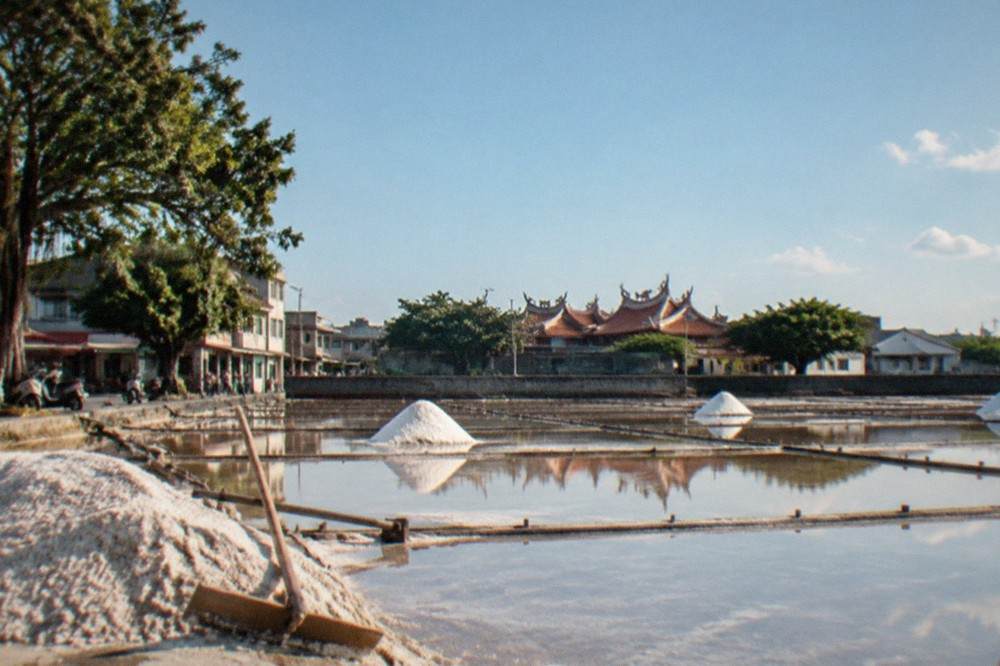
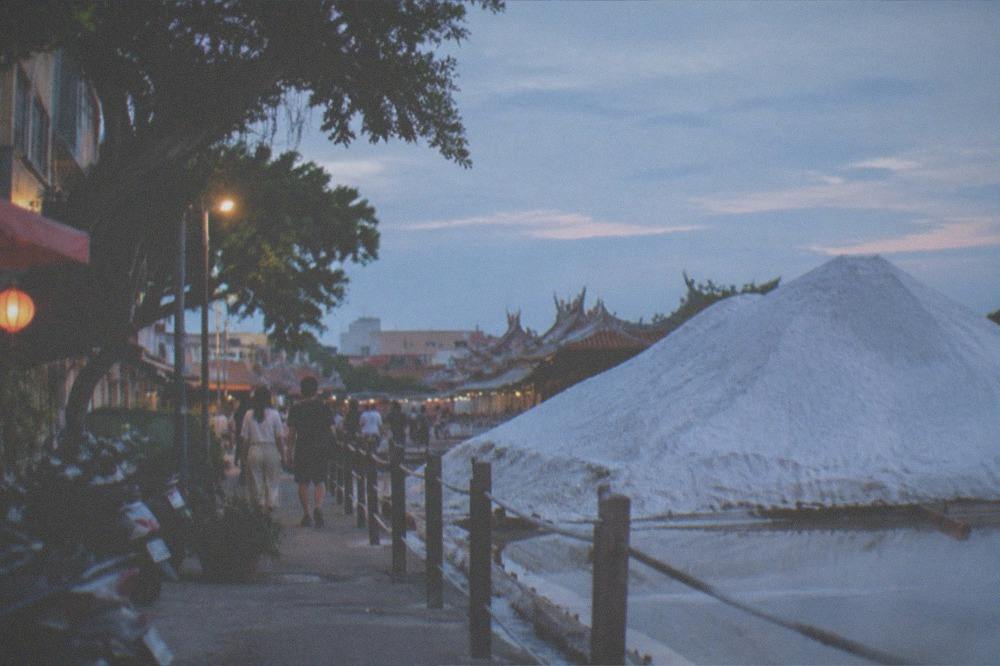
Salt made Beimen. The district was one of the centers of Taiwan's solar salt production, and the remnants of that industry, the Beimen Salt Industry Recreation Area and the nearby Jingzijiao Tile-Paved Salt Fields, are now heritage sites rather than working evaporation ponds. The Tourism Administration's dataset records 344,093 visitors to the Beimen Salt Industry Recreation Area in 2023, a modest count next to the temple but a real one, and the Jingzijiao salt fields, a short way south in the neighboring salt landscape, drew 636,193 the same year.
The second identity is ecological. The coastal wetlands around Beimen and the neighboring Qigu wetlands form part of the habitat where black-faced spoonbills winter. The pattern, as published in tourism and conservation sources, is that the birds arrive around September or October and depart by March to May, with the core viewing season in winter. No source in this guide's research guarantees a sighting or publishes a current count, so treat the spoonbill season as a window, not a promise.
The third identity is religious, and it is the one that dominates the numbers. Nankunshen Daitian Temple is one of Taiwan's most important Wang Ye temples, and its pilgrimage calendar runs on fixed lunar dates: incense-offering pilgrimages at the end of the fourth lunar month, in the middle of the sixth, and at the end of the eighth, as recorded by the national temple registry. That schedule is exactly why the district's peak months are January and February, when Lunar New Year pilgrimage traffic coincides with the cool, dry season.
What Can You See and Do in Beimen District?
The district's main sights are Nankunshen Daitian Temple, the Beimen Salt Industry Recreation Area, the Crystal Church and the surrounding salt-flat scenery, the old harbor streets, and the wintering wetlands along the coast. Most of the heritage sites are free to enter, the temple charges nothing, and the district is compact enough that a half day covers the core loop around Beimen's old salt lands.
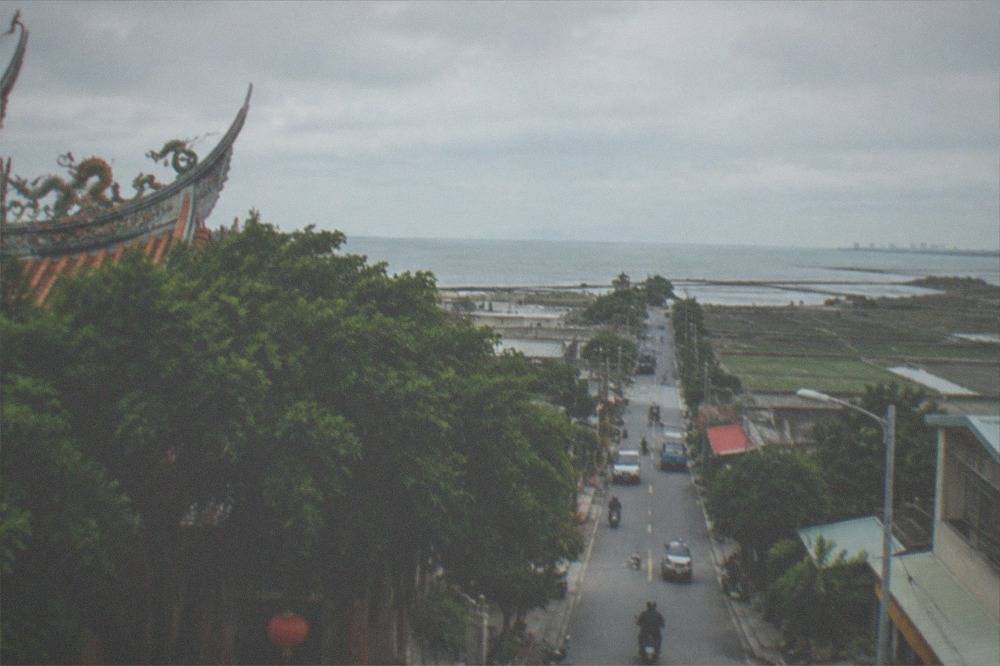
Start with the temple. Nankunshen Daitian Temple is a working religious site, not a museum, and the city's tourism pages describe it as the religious heart of the coastal strip. Entry is free, and the temple's scale, its front plaza and its processional routes, is what puts it at the top of the visitor table year after year. Dress modestly and follow the same etiquette that applies across Tainan's temple network, covered shoulders, quiet voices inside the halls, and no pointing directly at deity statues.
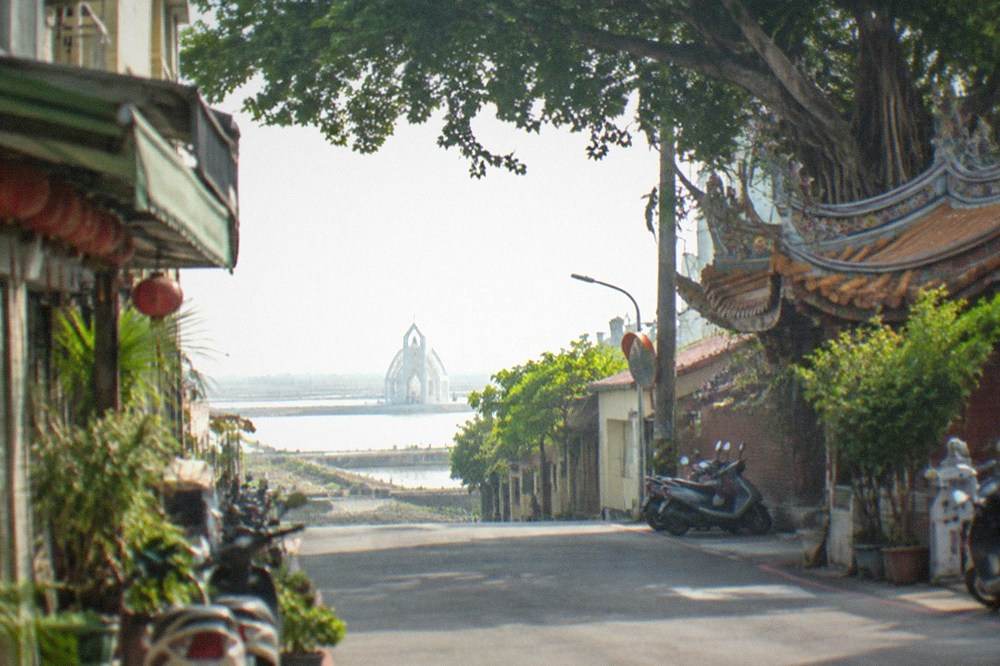
The Crystal Church, a small white chapel-shaped structure built on the old salt flats as a scenic installation, has become the district's most photographed object, and it sits within the salt-land recreation area. It is a photo stop rather than a full sight, and the best light is early morning or late afternoon, when the flat landscape throws long shadows. The Beimen and the Crystal Church day trip guide covers the full loop, including the old harbor street at Beimen and the salt-field walkways, in detail.
The wetlands are the quiet third act. The coastal strip between Beimen and Annan is flat, exposed and, in winter, full of birds. Bring binoculars, go in the morning, and keep expectations realistic: the spoonbill is a winter resident, not a permanent one, and the birds move between feeding areas across the whole estuary.
The salt coast is also the one part of Tainan where a boat genuinely adds something, and the lagoon tours are the reason most visitors book anything at all in this region.
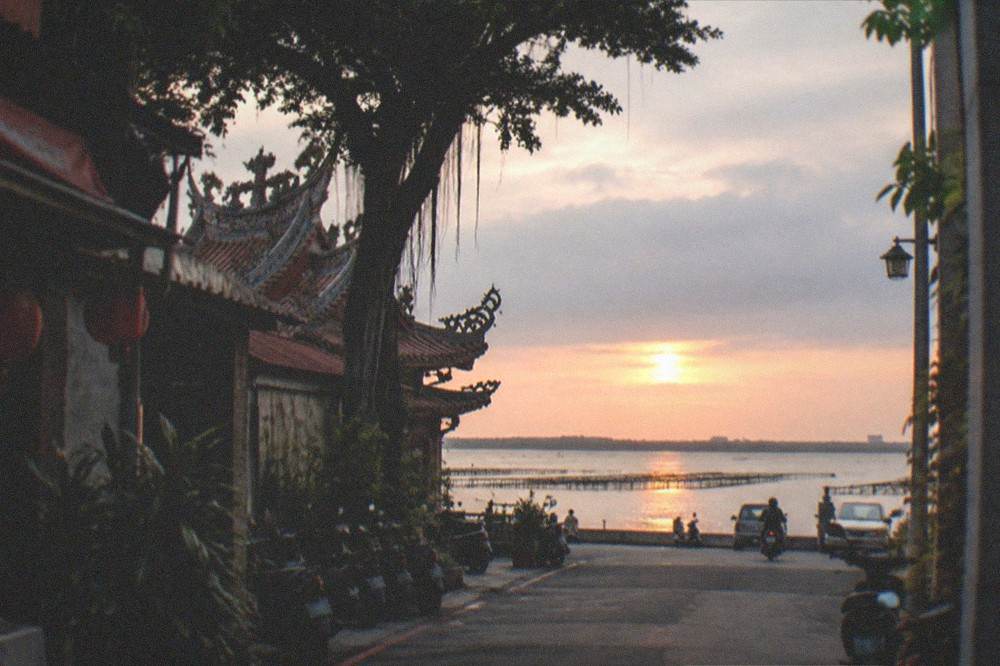
The oyster-farm ecology of the lagoon is not obvious from the shore, and a guide who knows the channels explains what the racks in the water are and why the coast looks the way it does. For travelers staying in the old city, the coastal tours also remove the hardest part of the trip, which is the drive, and they fold the oyster lunch into the day so the timing works itself out.
How Do You Get to Beimen District?
Beimen District has no rail line and no High Speed Rail station, so arrival is by road: intercity bus along the coastal highway, a rented car or scooter, or a guided tour with transport included. From the HSR station at Shalun in Guiren District, reaching Beimen means crossing the whole city, so most travelers combine it with Qigu in a single coastal day trip rather than treating it as a standalone stop.
The honest transport picture matters here. The HSR station is not in central Tainan, it is at Shalun in Guiren District, and Beimen is at the opposite, northwestern end of the municipality. City buses are free for the first 8 km with an electronic card, a Citizen Card, iPASS, EasyCard or iCash 2.0, on the trunk and branch network, but that 8 km allowance helps with short hops, not with a cross-city run to the coast. The cash fare for the same short trip is 26, and the free-first-8 km scheme is a current policy rather than a permanent one. You must tap on and tap off; the tap off is the part visitors miss.
For the coast, a car changes the day completely. The district's sights are spread along a flat coastal corridor, and parking at the salt-land sites is either free or cheap. At Qigu Salt Mountain, the fee structure is published per vehicle: a 100 cleaning fee per car, 50 per person arriving on foot or by scooter or bicycle, and coaches of 20 or more seats free, as listed on the Tourism Bureau's page for the site. If you are weighing a rental against buses for the salt coast, the rental wins on this route.
Scooter rules deserve one paragraph of care. An International Driving Permit is not automatically sufficient in Taiwan; the official Motor Vehicles Office position is that an IDP must be registered, and rental shops may refuse without it. Do not plan a scooter day on the assumption that a permit alone is enough, and do not assume it is impossible either: check the official requirements before booking anything.
For travelers who would rather leave the driving to someone else, the guided coastal tours are the practical answer, and the lagoon ecology tour is the one that pairs most naturally with a Beimen day.
A photoshoot on the salt flats is a different kind of booking again: the flat, open landscape and the white Crystal Church give portrait photographers a backdrop that the old city's narrow alleys cannot match, and a two-and-a-half-hour session can be timed around the best light.
When Is the Best Time to Visit Beimen District?
The best time to visit Beimen District is October to March, when the coast is dry, comfortably warm and full of wintering birds. Tainan's rain is almost entirely a summer event, and the Central Weather Administration's 1991 to 2020 normals show October averaging just 30.8 mm of rain across 2.8 wet days, against August's 466 mm across 16. Winter also brings the pilgrimage season, which peaks in January and February.
The climate table drives everything on this coast. The city averages 1,761 mm of rain a year, and close to three-quarters of it falls between May and September. August is the wettest month, December the driest at 16 mm, and October is the month with the fewest wet days of all, 2.8, while still averaging maxima of 30.8C. For flat, exposed wetlands with no shade, that matters more than it does in the shaded old city. All of these figures come from the Central Weather Administration's published climate normals for the Tainan station, covering the 1991 to 2020 period.
| Month | Mean max (C) | Rain (mm) | Wet days |
|---|---|---|---|
| January | 23.0 | 20.7 | 3.8 |
| April | 29.3 | 69.8 | 5.9 |
| July | 33.0 | 374.6 | 13.0 |
| October | 30.8 | 30.8 | 2.8 |
| December | 24.4 | 16.2 | 3.0 |
The bird season and the comfortable season overlap. Spoonbills arrive around September or October and leave by March to May, so a December or January visit gets the driest weather, the birds and the temple's biggest pilgrimage energy in one trip. The trade-off is crowds: the visitor dataset shows January as the peak month at the coastal temples, so the same weeks that are climatically ideal are also the busiest.
Typhoon risk concentrates in the late summer months, July to September, and when the Tainan City Government declares a typhoon day, coastal sites and transport may suspend. Check the forecast rather than a fixed calendar when planning a summer trip to exposed wetland terrain.

What Does a Salt Coast Day Trip Look Like?
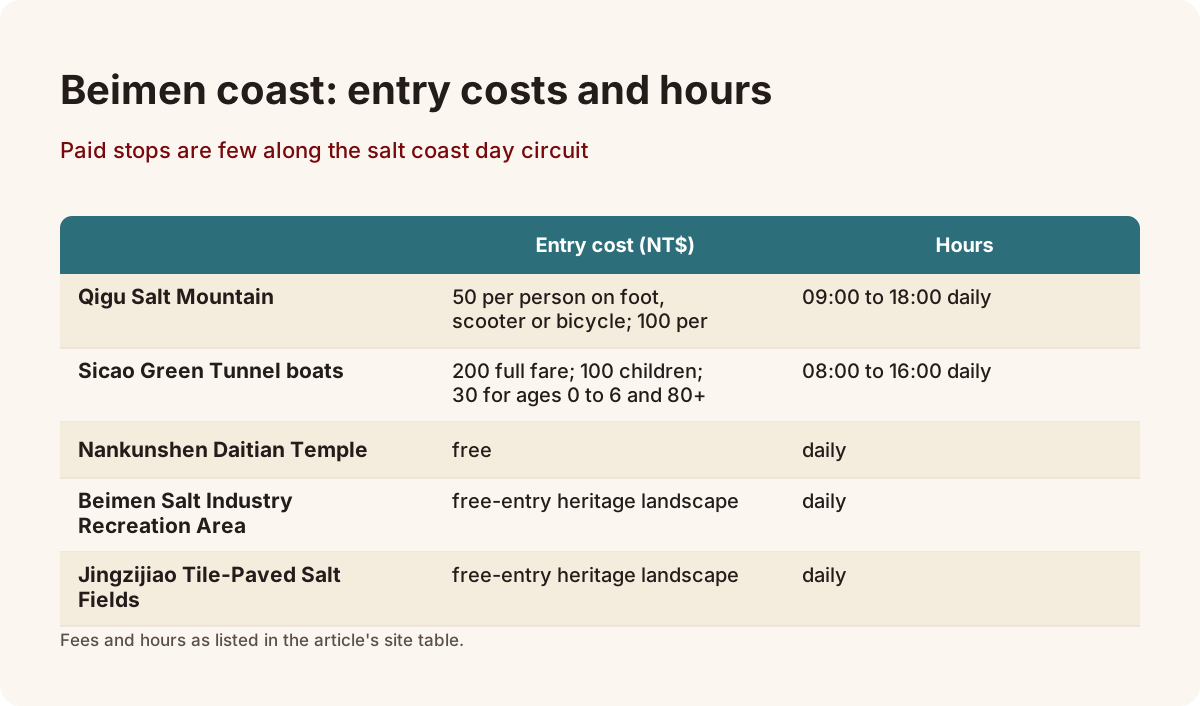
A classic salt coast day runs south to north: Qigu Salt Mountain in the morning, the Sicao Green Tunnel or lagoon boat ride around midday, then the Jingzijiao salt fields, Beimen's Crystal Church and Nankunshen Daitian Temple in the afternoon. The paid stops are few, roughly NT$50 per person at the salt mountain and NT$200 for a lagoon boat, so the whole coast is one of the cheapest full-day circuits in Taiwan.
The pricing is genuinely low. Here is what the verified figures look like across the coastal circuit:
| Site | Entry cost (NT$) | Hours |
|---|---|---|
| Qigu Salt Mountain | 50 per person on foot, scooter or bicycle; 100 per car | 09:00 to 18:00 daily |
| Sicao Green Tunnel boats | 200 full fare; 100 primary-school children; 30 for ages 0 to 6 and 80+ | 08:00 to 16:00 daily |
| Nankunshen Daitian Temple | free | daily |
| Beimen Salt Industry Recreation Area | free-entry heritage landscape | daily |
| Jingzijiao Tile-Paved Salt Fields | free-entry heritage landscape | daily |
The Sicao boat operation runs two routes, the shorter Green Tunnel through the mangroves and the longer Taijiang route, and both cost the same 200 full fare, so never let anyone sell you the idea that one is the budget option. Boats run 08:00 to 16:00, depart when roughly 30 passengers have gathered or after a wait, and the ride is about 30 minutes round trip.
The visitor counts put the coast in perspective. These are the 2023 annual totals from the Tourism Administration's own dataset:
| Attraction | 2023 visitors |
|---|---|
| Nankunshen Daitian Temple (Beimen) | 6,583,100 |
| Qigu Salt Industry Recreation Area | 690,750 |
| Jingzijiao Tile-Paved Salt Fields | 636,193 |
| Beimen Salt Industry Recreation Area | 344,093 |
One caveat travels with those numbers: each site compiles and reports its own count, and a ticketed museum and an open temple plaza are not measured the same way, so read the table as scale, not as a precise ranking.
If you would rather not drive, the guided day tours solve the distance problem, since they move you between the salt mountain, the lagoon and the old-city stops in one vehicle.
Where Does Beimen Fit in a Longer Tainan Trip?
Beimen works best as the coastal leg of a two-to-four-day Tainan itinerary, paired with Qigu on the same day and with Yanshui, the old city or the Guanziling hot springs on adjacent days. Travelers with one day in Tainan should stay in the old city around West Central District and Anping, while travelers with three or more days can give the salt coast the full day it needs.
The geography makes the pairing decisions for you. Beimen, Qigu and the lagoon shore form one northern cluster; Yanshui, with its old street and its famous February fireworks festival, sits just inland and east of Beimen; and the old city with Anping Old Fort and the temple quarter is a separate, southern cluster. Trying to touch Beimen and the old city in one rushed day shortchanges both, because the drive between them eats the middle of the day.
February is the month that changes the calculus. The Yanshui Beehive Fireworks is held in February, on the Lantern Festival, and it draws a huge one-night crowd to the district next door to Beimen. Anyone planning a winter coast trip should check the city's festival calendar, because a fireworks weekend and a quiet wetland morning are two very different trips.
For the photography-minded, the salt flats are the one landscape in Tainan where the flat light and open horizons reward a planned shoot, and the coast has become a favorite backdrop for portrait work.

Common Questions About Beimen District
Is Beimen District worth visiting?
Yes, if a flat coastal landscape, working temples and bird-filled wetlands appeal to you. Beimen is not the old city; it has none of the Dutch-era forts or the night-market energy of West Central District. What it has is the salt heritage coast, the Crystal Church, and the temple that draws more visitors than any other site in Tainan.
How do I get to Beimen District without a car?
By intercity bus along the coastal highway, or by a guided day tour with transport included. There is no rail line in the district and no HSR station nearby; the HSR station is at Shalun in Guiren District, at the opposite end of the city. Most car-free visitors book a coastal day tour rather than piece together buses.
What is the Crystal Church in Beimen?
A small white chapel-shaped scenic structure built on the old Beimen salt flats. It is not a functioning church; it is a photo installation on the salt land, and it has become the district's most photographed object. Entry to the surrounding salt-land area is free.
When can you see black-faced spoonbills in Beimen?
The birds generally arrive around September or October and depart by March to May, so winter is the viewing window. The spoonbills move between feeding areas across the Beimen and Qigu wetlands, so sightings are a matter of season and timing, not a guarantee.
How much does a day on the Beimen salt coast cost?
Very little. The temple and the salt-land heritage areas are free, Qigu Salt Mountain charges a NT$50 cleaning fee per person on foot or 100 per car, and the Sicao lagoon boats are NT$200 full fare. Food on the coast is simple and inexpensive; no official price list exists for individual dishes, so costs there depend on what you order.
Can you combine Beimen and Qigu in one day?
Yes, and that is the standard way to do it. The two districts sit next to each other on the same coastal corridor, and a south-to-north loop covering Qigu Salt Mountain, the lagoon boats, the Jingzijiao salt fields and Beimen's temple and Crystal Church fits comfortably in one driving day.
Beimen rewards the traveler who gives the coast its own day. The district's sights are free or nearly free, its temple is statistically the biggest draw in Tainan, and its winter season lines up the driest weather, the birds and the pilgrimage calendar into a single window from October to March. Arrive with a car or a booked tour, keep the afternoons for the temple and the salt flats, and let the flat horizon do the rest.