Is There a Typhoon in Taiwan Now? What It Means for Tainan
How to check whether a typhoon is affecting Taiwan right now, what a typhoon day means in Tainan, and how the city's verified rainfall pattern shapes every trip plan.
Is There a Typhoon in Taiwan Now? What It Means for Tainan
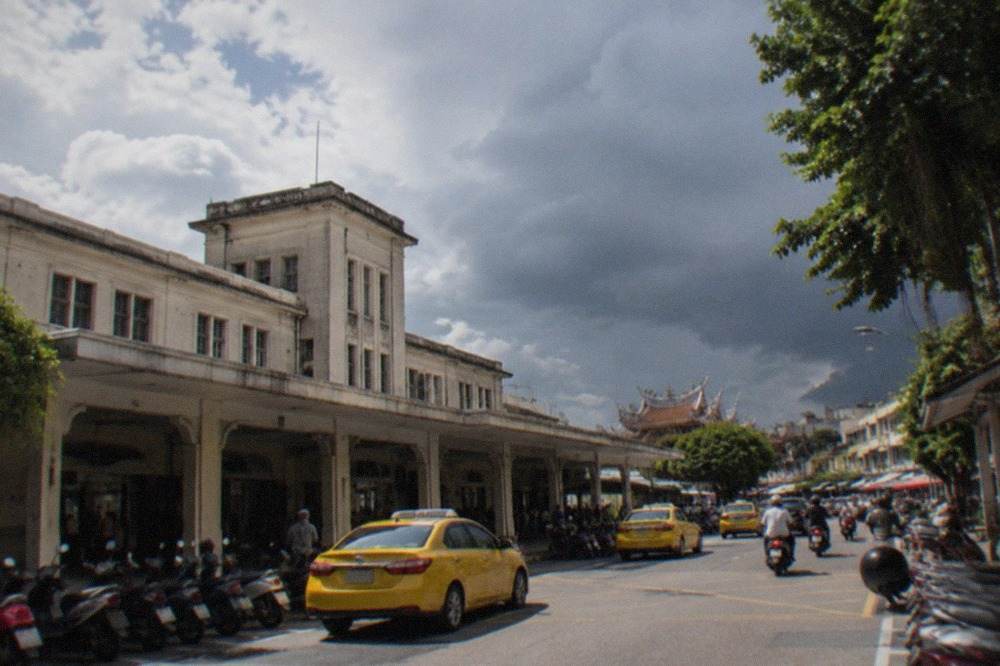
Taiwan sits in one of the world's most active tropical-cyclone corridors, and the question "is there a typhoon in Taiwan now" is one that a traveler should answer from a live official source, never from a blog post written in advance. The Central Weather Administration publishes typhoon warnings and advisories continuously, and this page explains how to read them, what a typhoon day actually does to a city like Tainan, and how the city's own verified rainfall record shows when the risk is real and when it is not.
Is There a Typhoon in Taiwan Now?
There is no way this page can tell you, because a typhoon situation changes hour by hour, and the authoritative answer is the Central Weather Administration's live warning feed, which publishes typhoon advisories, sea and land warnings, and high-temperature alerts around the clock. If a typhoon threatens Taiwan, the Administration's own website and its official app carry the warning within hours of the declaration, in Chinese and English.
That is the honest answer, and it is the one worth acting on. The Central Weather Administration, Taiwan's national weather service, is the single source that declares typhoon sea warnings and land warnings, and every other channel, from news apps to hotel front desks, is downstream of it. Checking its Central Weather Administration pages before and during a trip is the practical habit.
One thing worth knowing in advance: typhoon days, the closures everyone worries about, are declared by the local city or county government, not nationally. A storm can sit over the east coast while Tainan, on the sheltered southwest side of the island, carries on with rain but no suspension. The declaration is made city by city, and it is broadcast on official channels the evening before or the morning of.
There is a rhythm to how the warnings escalate, and it helps to understand it before you need it. A sea warning comes first, covering vessels and coastal areas, and it is a signal to watch rather than to change plans. A land warning follows when the storm's circulation is forecast to cross or brush the island itself, and that is the point at which cities begin preparing suspensions and transport operators begin announcing reductions. Travelers who have never tracked a storm before often expect a single dramatic announcement, when the reality is a stepped sequence that gives most visitors a full day of notice.
When Does Typhoon Risk Concentrate in Tainan?
Typhoon risk in Taiwan concentrates in the late summer months, roughly July through September, and Tainan's own rainfall record shows the same shape independently: August is the city's wettest month with 466.1 mm of rain across 15.8 wet days, while December brings just 16.2 mm across 3.0 days. Close to three-quarters of the annual 1,760.6 mm falls between May and September. October through March is the dry, comfortable half of the year.
Those figures come from the Central Weather Administration's published climate normals for station 467410 Tainan, covering the 1991 to 2020 period. They are averages, not forecasts, but they answer the planning question better than any single storm report can: a trip in November or February carries very little rain risk on the historical record, while a trip in August should be planned with wet-weather alternatives in mind.
| Month | Mean temperature | Rainfall | Wet days |
|---|---|---|---|
| January | 17.9 C | 20.7 mm | 3.8 |
| February | 18.9 C | 21.6 mm | 4.1 |
| March | 21.6 C | 30.4 mm | 4.2 |
| April | 24.9 C | 69.8 mm | 5.9 |
| May | 27.4 C | 165.6 mm | 9.0 |
| June | 28.8 C | 370.5 mm | 12.1 |
| July | 29.3 C | 374.6 mm | 13.0 |
| August | 28.9 C | 466.1 mm | 15.8 |
| September | 28.5 C | 170.5 mm | 8.5 |
| October | 26.3 C | 30.8 mm | 2.8 |
| November | 23.4 C | 23.8 mm | 2.4 |
| December | 19.6 C | 16.2 mm | 3.0 |
The jump from April's 69.8 mm to May's 165.6 mm and June's 370.5 mm marks the arrival of the heavy-rain half of the year, a pattern travelers often associate with the plum rain period. The verified numbers, not the season's nickname, are what should shape a packing list. October is the quiet standout: it has fewer wet days, 2.8, than any other month in the record while still averaging 30.8 C daytime maxima, which makes it arguably the best-value month of the year on paper. For a fuller treatment of the island-wide pattern, see our guide to typhoon season in Taiwan, and for the month-by-month question, whether it is currently the rainy season, read our rainy-season answer page.
A second number in the record matters just as much as the rainfall. Tainan averages 185.8 days a year above 30 C, and from April to October the city is above 30 C on most days. The annual mean sits at 24.6 C, with a mean maximum of 29.0 C and 2,185 hours of annual sunshine. In other words, even the wet months are warm months, and a rain day in Tainan is a hot, humid rain day, not a cold one. Packing for the late-summer half of the year means light clothing and a proper rain layer, not sweaters.
What Actually Closes in Tainan When a Typhoon Hits?
When the Tainan City Government announces a work suspension for a typhoon or an earthquake, public venues close, schools shut, and many offices follow, and the Tainan Art Museum states this explicitly on its own hours page, making it a verified, concrete example of the rule. Attractions and transport may suspend operations on the city's declaration, and the declaration itself comes from the city, not from any national weather authority.
That museum example is worth dwelling on, because it tells you how the system works in practice. The museum's own visitor page says it closes when the city government announces a suspension of work, which means one announcement, made once, ripples across the city's museums, schools and public offices. Private businesses decide for themselves: shops and restaurants in the old city often stay open through rain and close only when the announcement is official. Everything else covered here is indexed on Tainan Travel Guide.
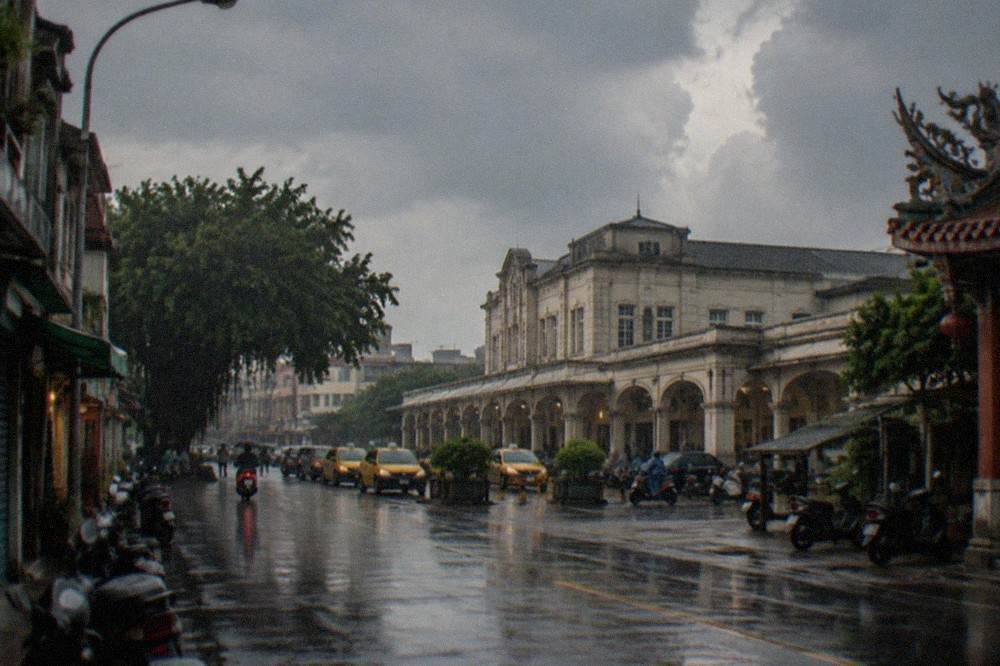
For travelers already in the city, the practical sequence is simple. Watch the Central Weather Administration's warning feed and the Tainan City Government's announcements. If a suspension is declared, expect the day to be an indoor day at your accommodation, and expect transport, including flights and rail, to be disrupted or halted. If no suspension is declared, the city generally operates, rain or not. If you are weighing the broader safety picture, including official travel advisories, our page on whether it is safe to travel to Taiwan right now covers that separately.
It also helps to know what does not close. Tainan's temples, which anchor so much of the city's life, are open long hours on ordinary days: the Grand Matsu Temple opens at 06:00 and closes at 21:00 daily, Kaiyuan Temple runs 06:00 to 17:00, and the Tainan Confucius Temple is open 08:30 to 17:30. None of these charges admission. A rainy evening that shuts an outdoor plan still leaves the temple circuit, the covered night market and the late-closing Chihkan Tower available, and the city's flat geography means none of them is far from another.
Does Rain Ruin a Tainan Trip?
No, and the city's own structure proves it: Siaobei Night Market is indoors and open every day from 12:00 to midnight, the Tainan Art Museum stays open to 21:00 on Saturdays, Chihkan Tower is open to 21:30 daily, and the city's bus network offers free travel for the first 8 km with an electronic card, so wet days are absorbable if the plan includes covered options. Rain in Tainan is heavy, brief and seasonal rather than constant.
The night-market calendar is the detail most visitors miss. The big outdoor markets rotate by day of the week, so a wet Tuesday in summer can still mean Dadong Night Market, and a wet Wednesday means Wusheng, while Siaobei runs regardless of weather because it is covered. The Tainan City Government Tourism Bureau's own pages publish the days for each market, and they are worth checking before you go because the days do change.
Indoor anchors work just as well. The Chimei Museum's permanent collection costs NT$200 at the gate and takes last entry at 17:00, though it closes every Wednesday. The Tainan Art Museum charges NT$80, is closed Mondays, and takes EasyCard and iPASS at the ticket desk. Chihkan Tower's late closing, 21:30 daily, makes it one of the few historic sites in the city that can be seen after dinner, rain or shine. These are the pieces a flexible day is built from.
The bus detail deserves one more sentence, because it changes how a wet day feels. The free-first-8-km policy applies to the trunk and branch network, it requires an electronic card such as EasyCard, iPASS, iCash 2.0 or a Citizen Card, and it requires a tap on and a tap off, with the tap off being the step visitors miss. The same trip paid in cash costs NT$26. The policy runs on the 2026 calendar year, so treat it as current rather than permanent, but while it holds, moving between covered options costs nothing.
One wet-season idea that works in any weather: the Anping qipao rental experience runs for a full day, and the operator's live listing shows current availability. Check availability
Common Questions About Typhoons in Taiwan and Tainan
Is there a typhoon in Taiwan now?
Check the Central Weather Administration's live warning feed. It is the national authority that declares typhoon sea and land warnings, and no page written in advance can substitute for it. If a typhoon threatens the island, the warning appears on the Administration's website and app in Chinese and English.
What months have the most typhoon risk in Tainan?
Risk concentrates in the late summer months, and the city's verified rainfall record shows the same shape: August averages 466.1 mm of rain across 15.8 wet days, while December averages 16.2 mm across 3.0. No official frequency statistic is published in the verified record, so plan around the rainfall pattern instead.
Who declares a typhoon day in Tainan?
The Tainan City Government, not a national body. When the city announces a work suspension, schools and public venues close, and the Tainan Art Museum states on its own hours page that it closes on such announcements.
Is October a good month to visit Tainan?
On the verified record, yes. October has fewer wet days than any other month, 2.8, while daytime maxima still average 30.8 C, and the October-to-March stretch is the dry, comfortable half of the year.
What is there to do in Tainan on a rainy day?
Siaobei Night Market is indoors and open daily, the Chimei Museum and Tainan Art Museum are substantial indoor visits, and Chihkan Tower is open until 21:30. City buses are free for the first 8 km with an electronic card, which makes moving between covered options cheap.
How hot is Tainan when it is not raining?
Very, for most of the year. The city averages 185.8 days above 30 C annually, and from April to October it is above 30 C on most days, with an annual mean of 24.6 C and 2,185 hours of sunshine. Even wet-season rain is warm rain.
The pattern to carry away is simple. Typhoon risk in Taiwan is real, seasonal and concentrated in the late summer, and the live answer to whether one is affecting the island right now sits with the Central Weather Administration, checked on the day. For everything that is not weather, from the old city's street food to its Dutch-era walls, start with whether Tainan is worth visiting, and plan from there.
Whatever the forecast holds, the dry half of Tainan's year is long, and the wet half rewards a plan with indoor anchors in it. Check the live warnings, pack for the month you actually chose, and the rest of the trip takes care of itself.