What Is a Tainan?
Tainan is a city, not a thing: Taiwan's oldest urban settlement, its former capital, and its food capital. Here is what the name means and what the place is.
What Is a Tainan?
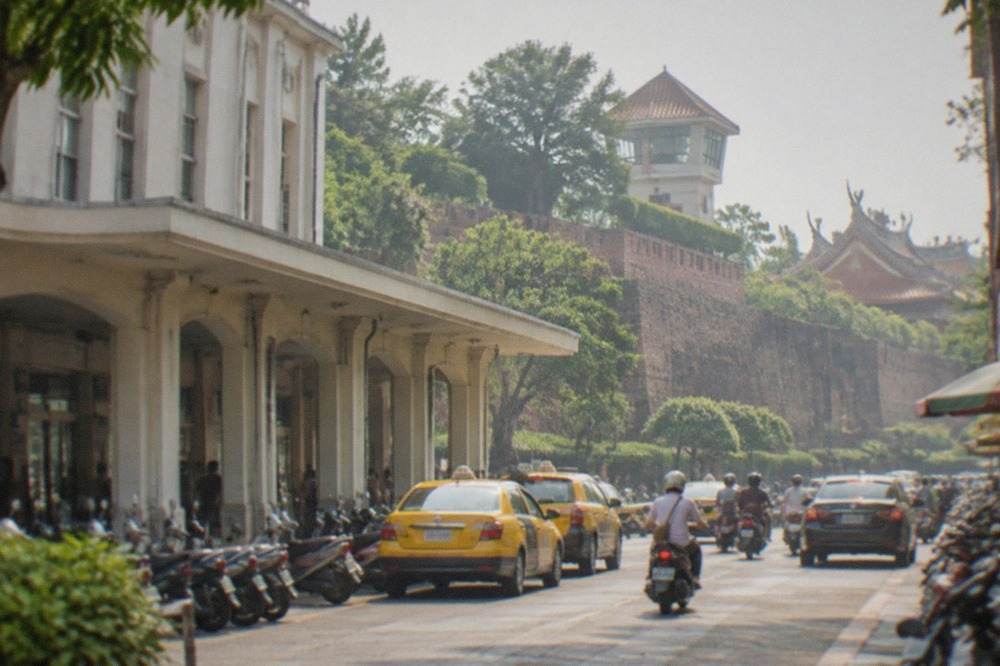
Tainan is a city, not an object, and the question is a fair one, because the name rarely appears in Western travel coverage the way Taipei or Kyoto does. It sits on the flat coastal plain of southern Taiwan, and the Tainan City Government Tourism Bureau's own pages describe it as the island's ancient capital, the place where Han Chinese settlement, Dutch trading posts and Qing administration all left layers that are still visible in the street plan. It is a special municipality of Taiwan, one of the country's largest cities, and the answer most Taiwanese give when asked where to eat. This page sets out what the name refers to, what the city is, and what a first visit involves.
What Kind of Place Is Tainan?
Tainan is a special municipality of Taiwan on the island's southwest coastal plain, a city of 37 districts that includes the old walled core, the historic port district of Anping, and wide rural stretches up to the lagoon coast. It was Taiwan's capital for more than two centuries, until the late nineteenth century, and it remains the island's densest concentration of temples, historic sites and street food.
The city that visitors mean when they say Tainan is really two cities layered on top of each other. The inner one is the old walled town, built around a lattice of temples and government offices from the Qing period, where the streets still follow the shape of the old walls and gates. The outer one is the modern municipality, formed when the city and the surrounding county merged, which stretches from the mountains of the east to the salt flats and oyster lagoons of the coast at Qigu and Beimen.
The Tourism Bureau's attraction pages record the sequence plainly. The Dutch East India Company occupied what is now Anping in 1624 and completed Fort Zeelandia in 1634. In 1662 Koxinga took the fort after his siege, renamed the place Anping, and made the inner fort his residence. The city grew around those two anchors, the Dutch coastal fort and the administrative center inland, and most of the famous sights sit on one or the other. If you want the longer version of that story, our page on Tainan's history and its oldest-city claim goes through the dates and the disputes.
What Does the Name Actually Refer To?
The name is a place name and nothing else: "Tainan" means south Taiwan, written with the characters for Taiwan and south, and it has been the city's name since the late nineteenth century. There is no object, dish or product called a tainan. Search results that ask the question are almost always people encountering the city's name for the first time and wondering whether it is a thing.
That literal meaning is worth a moment, because it explains the city's self-image. Tainan is the southern counterweight to Taipei, and its residents treat it that way: the older, slower, more traditional half of the island, where the temples are denser, the breakfasts are more famous, and the pace is set by festival calendars rather than business districts. The city's own tourism material leans into this, selling Tainan as the place where Taiwan's culture was stored while the north industrialized.
The practical version of the answer is that Tainan is a destination with a specific shape. The old core holds Chihkan Tower, the Confucius Temple, the Grand Matsu Temple and the night market circuit. Anping, a short ride west, holds the Old Fort, the Tree House and the old street. The coast beyond holds the salt mountains, the mangrove tunnels and the black-faced spoonbill reserve. A visitor with two or three days can cover the core and Anping comfortably, and our first-time visitor guide lays that out in order.
Why Do People Say Tainan Is Taiwan's Oldest City?
Tainan is the oldest urban settlement in Taiwan in the sense that matters: the Dutch built Fort Zeelandia at Anping in 1624, and the town that grew around it and the inland Fort Provintia became the island's administrative capital under Koxinga's successors and then the Qing. No other Taiwanese city has a built history that starts that early or a capital status that lasted that long.
The dates that are solid, from the Tourism Bureau's own pages, are 1624 for the Dutch occupation of Anping, 1634 for the completion of Fort Zeelandia, and 1662 for Koxinga's capture of the fort. Fort Provintia, the inland stronghold whose walls survive inside Chihkan Tower, went up in the early 1650s. From there the city served as the island's center of government for more than two centuries, until the late nineteenth century, when the administrative weight shifted north. The exact year of that shift is genuinely disputed between two defensible readings, so this site does not print one.
What the visitor actually sees is honest about the layering. The genuine Dutch remains at Anping Old Fort are the brick walls of the south outer rampart, as the Tourism Bureau's Anping Old Fort page records; the lookout tower everyone photographs is a 1975 city renovation with a pointed roof and white walls, and much of the rest is Japanese-era work. Chihkan Tower keeps its Dutch foundation walls under Qing-era pavilions and stele. The city does not pretend otherwise, and knowing which layer is which is half the pleasure of walking it.
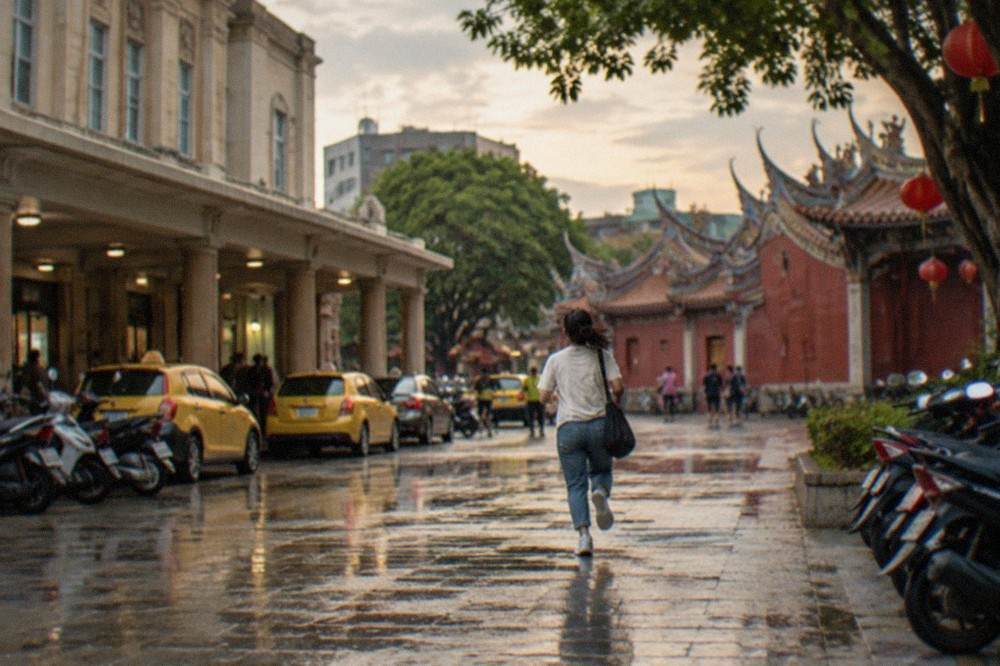
The other half of the "oldest city" claim is cultural. The Tainan Confucius Temple carries the title "the first academy of Taiwan," and the city holds the island's oldest surviving temple fabric, including the Grand Matsu Temple, which is free to enter and open from 06:00 to 21:00. The Confucius Temple is also free, open 08:30 to 17:30 and closed only on Lunar New Year's Eve. A full temple circuit costs nothing at all, which is one reason the city converts so well for budget travelers.
Can You See the Historic Sights Without Spending Much?
Mostly, yes. The temples are free, and the ticketed historic sites charge a modest flat fee at the gate. The verified prices:
| Site | Adult entry | Hours |
|---|---|---|
| Chihkan Tower | NT$70 | 08:30 to 21:30 daily |
| Anping Old Fort | NT$70 | 10:00 to 17:10 daily |
| Anping Tree House | NT$70 | 08:30 to 17:30 daily |
| Eternal Golden Castle | NT$70 | 08:30 to 17:30 daily |
| Tainan Confucius Temple | free | 08:30 to 17:30 daily |
| Grand Matsu Temple | free | 06:00 to 21:00 daily |
The city's own pages carry the disclaimer that the on-site notice governs, so treat these as the standing prices rather than a guarantee. Concessions are half price at the city sites, and Tainan residents enter free with ID, a benefit that does not extend to visitors. Chihkan Tower's late closing, 21:30, is unusual: it is one of the few historic sites in the city a visitor can see after dinner.
What Is Tainan Best Known For?
Tainan is best known for three things: street food, temples, and old streets. Taiwanese domestic travelers rank it the island's food capital, the city holds hundreds of temples including several of national importance, and districts like Anping and the old core preserve street fabric from the nineteenth century. Its night markets, beef soup breakfasts and danzai noodles are the dishes most often named.
The food reputation is the one that travels furthest. Tainan is the origin point of danzai noodles, coffin bread and the milkfish dishes that define southern Taiwanese cooking, and its beef soup, served at dawn from freshly cut meat, is a specific ritual rather than just a dish. Our guide to what Tainan is famous for covers the food side in detail, and the night market circuit below is the practical half of that reputation.
The temple reputation is measurable. The Tourism Administration's 2023 visitor dataset shows Nankunshen Daitian Temple drawing 6,583,100 visitors, roughly fifteen times Chihkan Tower's 443,622, and Anping as a district drawing 4,441,443. Tainan's biggest draws are not the Dutch forts but the pilgrimage temples, and the peak months are January and February, driven by pilgrimage and Lunar New Year. That is the opposite of the northern-hemisphere assumption that summer is high season, and it matches the climate: winter is Tainan's dry, comfortable half of the year. More of these guides are collected on Tainan Travel Guide.
The night market schedule is the single most useful practical fact about a visit, because the big outdoor markets rotate by day of the week:
| Market | Open | Hours |
|---|---|---|
| Garden Night Market | Thu, Fri, Sat, Sun | 17:00 to 00:00 |
| Wusheng Night Market | Wed, Fri, Sat | 17:00 to 00:00 |
| Dadong Night Market | Mon, Tue, Fri | 18:00 to 01:00 |
| Siaobei Night Market | every day, indoor | 12:00 to 00:00 |
Friday is the only night all three big outdoor markets run, and Wednesday is the thinnest, with Wusheng alone. Siaobei, indoors and open daily, is the wet-weather and wrong-night answer. The city updates these pages, so check before you go.
Where Is Tainan and How Do You Get There?
Tainan sits on Taiwan's southwest coast, roughly midway between Taipei in the north and Kaohsiung just down the coast. Taiwan High Speed Rail connects it to Taipei for NT$1,350 in a reserved standard seat, and to Zuoying in Kaohsiung for NT$140. The HSR station is not in the city center: it is at Shalun in Guiren District, and reaching the old town means a transfer.
Those fares come from the High Speed Rail operator's own fare table. The same table is easy to misread, because it is a single grid where the lower-left triangle is Standard Car and the upper-right is Business Car, and a careless read of the Taipei to Tainan cell returns the NT$2,230 business fare and overstates the price by 65 percent. The standard reserved fare is NT$1,350. Our page on getting from Taipei to Tainan covers the routes and the fare question in detail.
The transfer from the HSR station is a real planning item. The station sits outside the old city, and the options onward are the TRA Shalun Line, a paid railway ticket, or the H31 HSR express bus, which is free for HSR passengers on production of a ticket stub. Once in the city, buses are free for the first 8 km with an electronic card, provided you tap on and tap off, and the tap off is the part visitors miss. The scheme runs for the 2026 calendar year, so treat it as current policy rather than permanent.
Tainan Airport exists but is small, mostly domestic and short-haul. Most international visitors arrive through Taoyuan or Kaohsiung and continue by rail, and that is the pattern the city's transport links are built for.
What Does a First Visit to Tainan Look Like?
A first visit to Tainan usually means two or three days split between the old core and Anping: mornings at the temples and Chihkan Tower, afternoons at the Tree House and Anping Old Street, evenings at whichever night market is open that day. The distances are short, the food is cheap by big-city standards, and the main planning constraint is not distance but opening days.
The shape of the city makes it easy. The old core is walkable, Anping is a short bus or taxi ride west, and the coast is a half-day trip for those with a third day. The honest advice on duration is that one day is enough to see the highlights and not enough to eat properly, which in a food city is the same as not enough. Our pages on one day in Tainan and how many days you need break the tradeoff down.
For visitors who want the historic layer explained rather than just walked past, a guided option is worth considering, since the sites are layered and the signage, though improving, is not universal. The choices below cover the three most common angles: a walking tour with street food, the Anping Tree House ticket, and a qipao rental for photographing yourself against the old fabric.
Common Questions About Tainan
What Is A Tainan?
Tainan is a city in southern Taiwan, the island's oldest urban settlement and its capital for more than two centuries until the late nineteenth century. It is not an object or a product; the name is a place name, literally meaning south Taiwan.
Is Tainan worth visiting?
Yes, for most travelers. It holds Taiwan's densest concentration of temples and historic sites, its most famous street food scene, and a dry, warm winter season that is the comfortable half of the year. The Central Weather Administration's climate normals back that up: October averages fewer wet days than any other month while still reaching 30.8C maxima.
Is Tainan the oldest city in Taiwan?
Yes, in the sense that matters. Dutch settlement began at Anping in 1624, and the town that grew around Fort Zeelandia and Fort Provintia became the island's administrative center. No other Taiwanese city has a built history starting that early.
What food is Tainan famous for?
Danzai noodles, coffin bread, milkfish soup, beef soup served at dawn, and the night market circuit. Tainan is the origin point of several of these dishes and is widely treated within Taiwan as the island's food capital.
How far is Tainan from Taipei?
The High Speed Rail fare from Taipei to Tainan is NT$1,350 for a reserved standard seat. The HSR station is at Shalun, outside the old city, so reaching the center requires a transfer by bus or rail.
When is the best time to visit Tainan?
October to March. The Central Weather Administration's 1991 to 2020 normals for Tainan show October getting fewer wet days than any other month while still averaging 30.8C maxima, and December bringing only 16 mm of rain. Summer is hot, wet and the typhoon-risk season.
Tainan, in short, is a place that rewards knowing what it is before arriving: a layered old capital where the sightseeing is cheap or free, the schedule is set by temple calendars and night market days rather than opening hours alone, and the food is the main event. Plan around the market rotation, give it at least two days, and the name stops being a question.