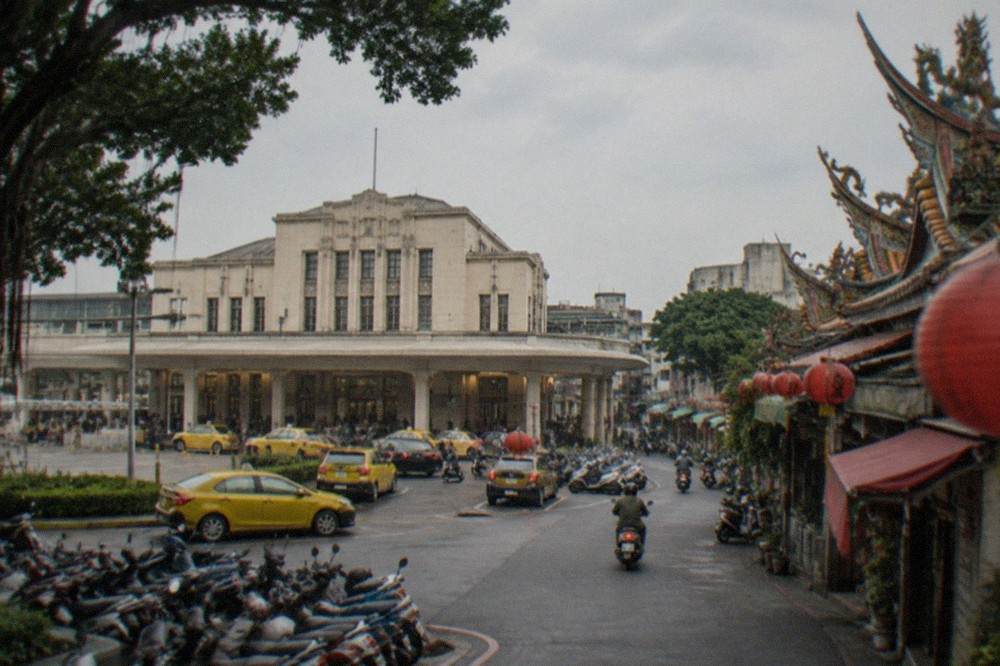
What Is the Nicest City in Taiwan?
Tainan makes the strongest case for Taiwan's nicest city: the oldest streets, the densest temple and food culture, and the driest, sunniest winter on the island. Here is how the numbers back it up.
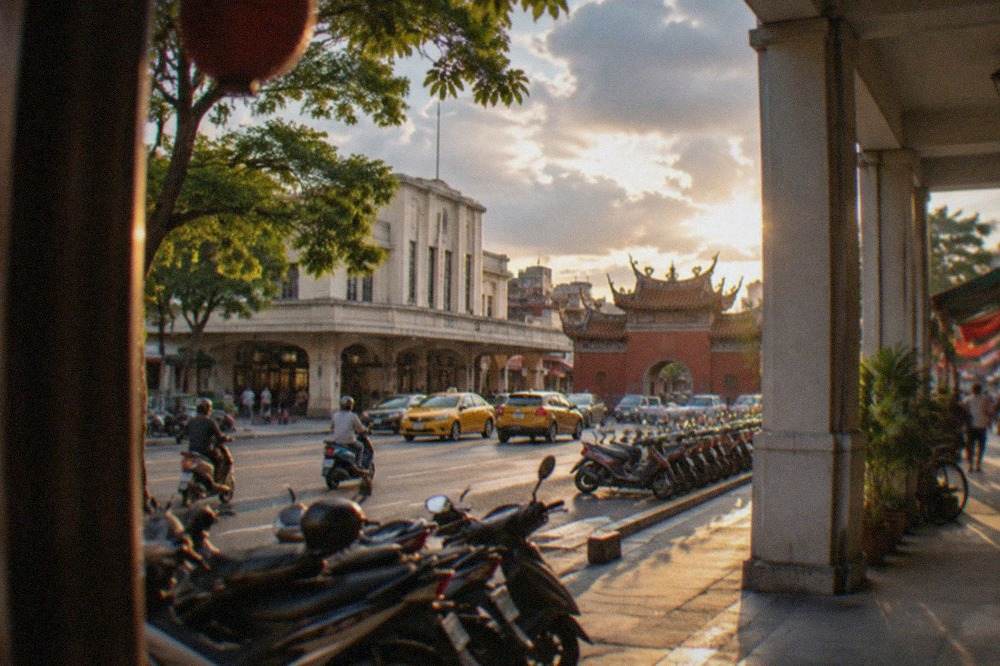
What Is the Nicest City in Taiwan?
Taiwan's tourism statistics quietly settle an argument that guidebooks keep open. In 2023, the single most-visited attraction tracked anywhere on the island's southwest flatlands was not a Dutch fort or a famous museum but Nankunshen Daitian Temple in Beimen District, Tainan, which drew 6,583,100 visitors, roughly fifteen times the number who passed through Chihkan Tower the same year. Anping as a whole district drew 4,441,443. Those figures come from the Tourism Administration's own attraction dataset, and they say something uncomfortable for Taipei and Kaohsiung: the place Taiwanese people travel to in their own millions is Tainan.
"Nicest" is a soft word, so this page treats it as a real question with checkable answers: which city has the history worth walking, the food worth flying for, the weather worth planning around, and the pace that makes a visitor want to stay. On every one of those measures, Tainan's case is built from things you can verify rather than things you have to feel.
Is Tainan Really the Nicest City in Taiwan?
On the evidence that can be checked, Tainan has the strongest claim: it was Taiwan's capital for more than two centuries until the late nineteenth century, it holds the island's densest concentration of temples and historic streets, its 2023 visitor counts beat every rival city's headline sites, and its winters are the driest and sunniest of Taiwan's big cities. Taipei wins on scale and Kaohsiung on harbor views, but neither matches Tainan on depth.
The honest framing first: nobody writing this site has been to Tainan, and "nicest" is not a fact that can be looked up. What can be looked up is which city rewards a visitor most per day of walking, and on that test Tainan is hard to beat. The Tainan City Government Tourism Bureau's own pages document a city where the Dutch built Fort Zeelandia at Anping from 1624, completed it in 1634, and where Koxinga took the fort in 1662 and renamed the place Anping. That is the oldest continuously meaningful urban story on the island, and it is why the question is Tainan the oldest city in Taiwan has a short answer.
Depth is the real argument. A visitor in the old city center can walk between the Confucius Temple, which the city lists as free to enter and open 08:30 to 17:30, the Grand Matsu Temple, free and open 06:00 to 21:00, and Chihkan Tower, NT$70 at the gate and open until 21:30 daily. That late closing matters more than it sounds: Chihkan Tower is one of the few historic sites in Taiwan a traveler can see after dinner, which reshapes what an evening in the city can be.
What Makes Tainan's Case So Strong?
Tainan's case rests on three pillars that other Taiwanese cities cannot copy: a food culture the whole island treats as its reference point, a stock of temples and Dutch-era and Qing-era streets that no newer city possesses, and a climate record showing 2,185 hours of annual sunshine with rain concentrated almost entirely in summer. Add night markets that rotate by day of the week, and the city keeps producing reasons to stay another night.
Start with food, because Taiwan starts with food. Danzai noodles, beef soup served at dawn, coffin bread, milkfish dishes: Tainan is where these dishes were born or perfected, and the island's food conversation still measures itself against the city. The practical expression is the night market rotation, which the Tourism Bureau verifies market by market. Garden Night Market opens Thursday to Sunday, Wusheng opens Wednesday, Friday and Saturday, Dadong opens Monday, Tuesday and Friday, and Siaobei is indoors and open every day. Friday is the one night all three big outdoor markets run, and the city updates these pages, so check before you go.
| Night market | Days open | Hours |
|---|---|---|
| Garden | Thursday, Friday, Saturday, Sunday | 17:00 to 00:00 |
| Wusheng | Wednesday, Friday, Saturday | 17:00 to 00:00 |
| Dadong | Monday, Tuesday, Friday | 18:00 to 01:00 |
| Siaobei | Every day, indoors | 12:00 to 00:00 |
Then history. The Tourism Bureau's page for Anping Old Fort records that the only genuine Dutch-period remains there are the brick walls of the south outer rampart, and that most of what visitors photograph, including the white-walled lookout tower, is Japanese-era and 1975 city renovation work. That kind of honesty is part of the city's character: Tainan does not need to inflate its past, because the verified parts of it, a fort begun in 1624, a second Dutch fort built at Chihkan in the early 1650s, are old enough.
Then weather, which travelers routinely get wrong. The Central Weather Administration's 1991 to 2020 normals for Tainan show a city with 186 days a year above 30C, but also with only 16.2 mm of rain in December and 2.8 wet days in October, the driest month on the calendar by that measure. Nearly three-quarters of the annual 1,761 mm falls between May and September. Winter in Tainan is dry, warm and sunny, which is exactly why the city's peak visitor months are January and February, not the northern summer. If you are weighing Tainan against Kaohsiung, the Tainan or Kaohsiung comparison comes down to pace: Kaohsiung is bigger and faster, Tainan is denser and slower.
How Does Tainan Compare with Taipei and Kaohsiung?
Taipei is Taiwan's largest city and its transport hub, and Kaohsiung is its harbor metropolis, but Tainan beats both on the two things a short trip actually spends its time on: walkable historic density and food reputation. Taipei to Tainan costs NT$1,350 for a reserved standard seat on the High Speed Rail, and Zuoying in Kaohsiung is just NT$140 away, so Tainan is cheap to reach and cheap to add on.
The High Speed Rail fare table, published by the operator itself, is the practical geometry of the island. From Taipei, a reserved standard seat to Tainan is NT$1,350, and the business-class figure of NT$2,230 that sometimes circulates is the upper half of the same grid, not what most travelers pay. From Zuoying, the Kaohsiung HSR station, the standard fare is NT$140, which makes Tainan a trivially easy add-on to any southern Taiwan trip.
| HSR route to Tainan | Standard Car, reserved |
|---|---|
| From Taipei | NT$1,350 |
| From Nangang | NT$1,390 |
| From Taoyuan | NT$1,190 |
| From Taichung | NT$650 |
| From Chiayi | NT$280 |
| From Zuoying (Kaohsiung) | NT$140 |
One fact catches almost every first-time visitor: the Tainan HSR station is not in Tainan's center. It sits at Shalun in Guiren District, outside the old city, and reaching downtown means a transfer, either the TRA Shalun Line, which is a paid rail ticket, or the H31 HSR shuttle bus, which is free for HSR passengers on production of a ticket stub. The getting around by bus guide covers the rest: city buses are free for the first 8 km with an electronic card such as EasyCard or iPASS, against a cash fare of NT$26 for the same trip, provided you tap on and tap off.
When Is the Best Time to Visit Tainan?
October to March is the best window: the Central Weather Administration's normals show those months bring 16 to 70 mm of rain each, against 466 mm in August, while daytime maxima stay between 24C and 31C. January and February are also the city's peak visitor months, driven by temple pilgrimage and Lunar New Year, so book ahead if you want quiet.
The rainfall shape is the whole story. August averages 466.1 mm across 15.8 wet days. December averages 16.2 mm across three. A traveler who visits in late autumn or winter is statistically choosing the dry half of the year, and the same tables show October still averaging 30.8C maxima, so this is not a cold season, merely a dry one. Typhoon risk concentrates in the late summer months, and the rainfall table shows exactly why: the wet season and the typhoon season are the same shape.
| Month | Mean max (C) | Rain (mm) | Wet days |
|---|---|---|---|
| January | 23.0 | 20.7 | 3.8 |
| April | 29.3 | 69.8 | 5.9 |
| August | 32.6 | 466.1 | 15.8 |
| October | 30.8 | 30.8 | 2.8 |
| December | 24.4 | 16.2 | 3.0 |
The visitor counts line up with the climate exactly. The Tourism Administration's data shows Nankunshen Daitian Temple peaking in January, Anping district peaking in February, and the quietest months landing in late summer, when the rain does. Anyone planning around festivals should note the city's own calendar: the Yanshui Beehive Fireworks are held in February, on the Lantern Festival, and the Yuejin Lantern Festival runs February to March. The full picture, including the rainy season in detail, is in the is Tainan worth visiting breakdown.
What Would a Few Days in Tainan Actually Look Like?
A good first visit spends one day inside the old city, one day in Anping, and one flexible day on the lagoon coast or at the museums: Chihkan Tower and the Confucius Temple in the center, Anping Old Fort and the Tree House by the water, and Qigu Salt Mountain or the Sicao Green Tunnel boats, at NT$200 either route, on the coast. Chimei Museum, NT$200 and closed Wednesdays, anchors a museum day.
The center is walkable and cheap. The Confucius Temple is free, the Grand Matsu Temple is free, and Chihkan Tower is NT$70 at the gate with a 21:30 close, so a full day of the city's core history costs very little. Anping is a short bus or taxi hop west, where Anping Old Fort (NT$70, 10:00 to 17:10) and the Anping Tree House (NT$70, 08:30 to 17:30) sit inside the same old neighborhood as the sword lion doorways and the canal. For travelers deciding where to go first in Tainan, the center-then-Anping order is the standard shape.
Anping also rewards dressing for the setting. A qipao rental for the day, worn against the fort walls and the old street, has become one of the most popular ways to photograph the district, and the operator's listing carries hundreds of reviews.
The coast day is the one visitors skip and regret. The Sicao Green Tunnel boats run through mangrove forest from 08:00 to 16:00, both the Green Tunnel route and the longer Taijiang route cost NT$200, and the black-faced spoonbills winter in the Qigu wetlands from roughly October to spring. Qigu Salt Mountain charges a NT$50 cleaning fee on foot or NT$100 per car. If museums appeal more than lagoons, the National Museum of Taiwan History is open Tuesday to Sunday and the Chimei Museum's permanent collection is NT$200, closed every Wednesday, so plan the calendar around those two closure days.
Common Questions About the Nicest City in Taiwan
What Is The Nicest City In Taiwan?
On verifiable measures, Tainan: the oldest urban story on the island, the reference-point food culture, the densest walkable historic core, and the driest, sunniest winter of Taiwan's major cities. Taipei suits travelers who want big-city scale, and Kaohsiung suits harbor scenery, but Tainan rewards a visitor more per walking day than either.
Is Tainan better than Taipei?
They serve different trips. Taipei has the international airport, the metro and the museums of a capital; Tainan has the temples, the street food and the pace of a city that was Taiwan's capital for more than two centuries, until the late nineteenth century. Most itineraries do both, and the HSR fare from Taipei is NT$1,350 standard reserved.
How many days does Tainan need?
Two days covers the old city center and Anping at a comfortable pace; three adds the lagoon coast, Qigu and a museum day. The night market rotation means the day of the week you visit changes your evenings, and Friday is the only night all three big outdoor markets run.
Is Tainan expensive?
No, and the verified numbers show it: the Confucius Temple, Grand Matsu Temple, Five Concubines Temple and Kaiyuan Temple are all free to enter, city buses are free for the first 8 km with an electronic card, and the major ticketed sites charge NT$70 at the gate. Chimei Museum at NT$200 is the most expensive standard admission in the city.
When should I avoid Tainan?
Late summer, if rain is a concern: August alone averages 466 mm across 16 wet days, and typhoon risk concentrates in the late summer months. October to March is the dry, sunny half of the year, with October the driest month by wet days while still averaging 30.8C maxima.
The verdict, then, is not a matter of taste dressed up as fact. Taipei is bigger, Kaohsiung is closer to the sea in the postcard sense, but Tainan is where Taiwan keeps its oldest streets, its most-cited food, its most-visited temples and its driest winters, and every one of those claims sits on a published number. This Tainan Travel Guide page exists because the question keeps getting asked, and the island's own statistics keep answering it the same way. Plan around the night market calendar, arrive between October and March, and give the city at least two days, because the one thing Tainan does not do well is a rushed one.