National Museum of Taiwan History
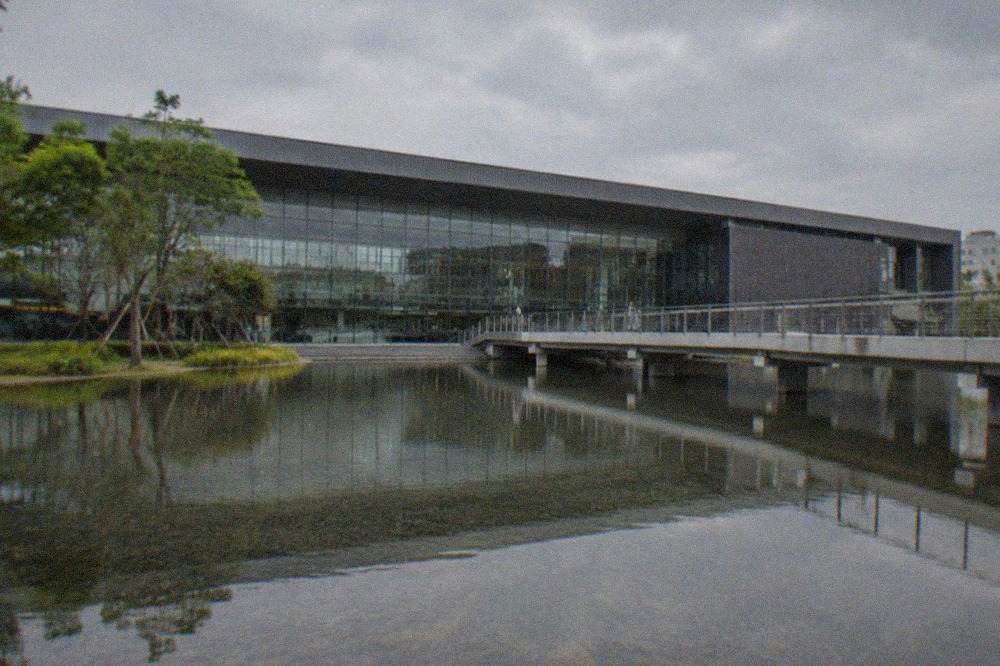
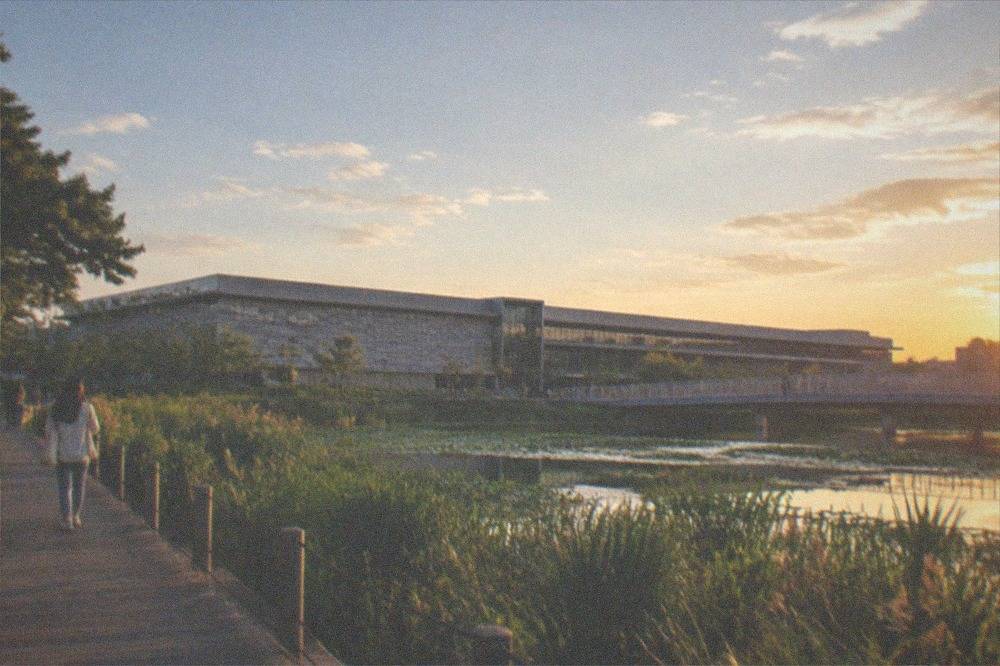
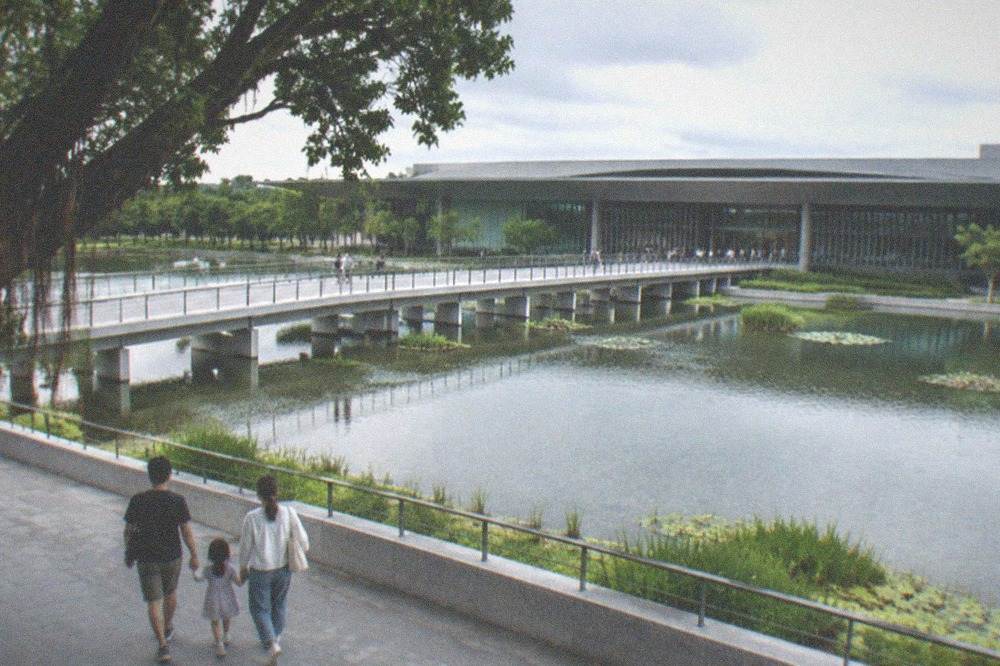
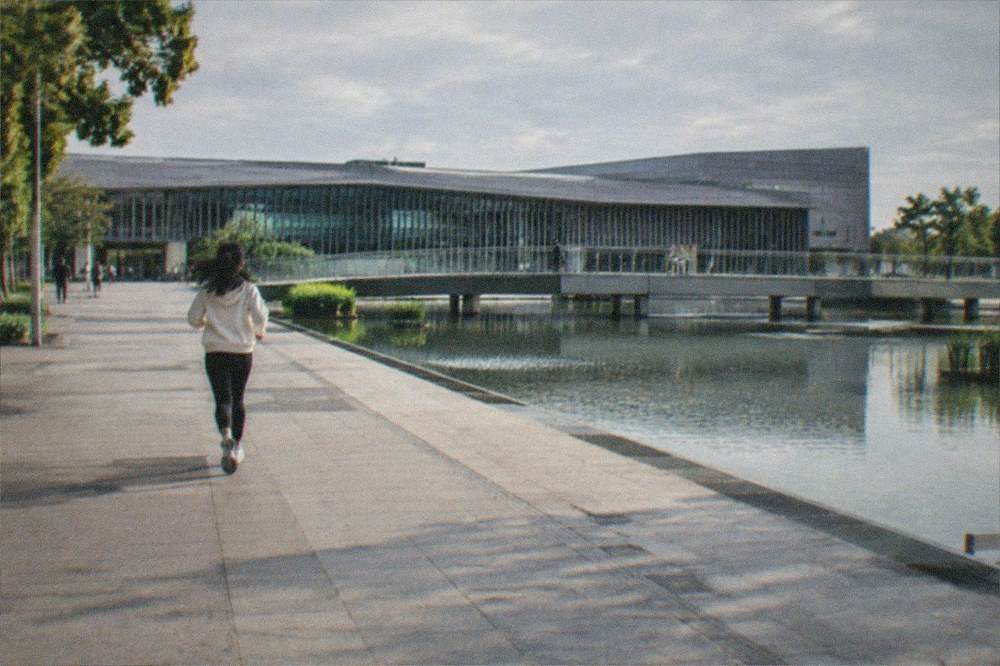
The National Museum of Taiwan History sits in the Annan District wetlands north of Tainan's old city, and it tells the island's whole story, from prehistoric settlement through Dutch rule, Qing administration, the Japanese period and the modern democracy, in one building.
Short answer
The National Museum of Taiwan History is open Tuesday to Sunday from 9:00 to 17:00, with last admission at 16:30, and is closed on Mondays. Admission is NT$100 for adults and NT$50 for concessions. The museum's own English pages publish the hours and fare table.
National Museum of Taiwan History
The National Museum of Taiwan History is the one museum in Tainan that tells the story of the entire island rather than of one city, one fort or one temple. It stands in Annan District, in the reclaimed wetlands beside the Taijiang inner sea area, and its own English pages describe a collection that runs from prehistoric archaeology through the Dutch and Qing periods, the Japanese colonial era, and the postwar decades that produced modern Taiwan. The museum's visitor information, published on the museum's own English pages, sets regular admission at NT$100 with concessions at NT$50, and hours of 9:00 to 17:00, Tuesday to Sunday, with last admission at 16:30 and a Monday closure. This guide gathers the verified practical facts, explains what the galleries actually cover, and shows how the museum fits into a Tainan itinerary, including the transport detail most visitors miss: the free HSR shuttle bus that stops within reach of the museum grounds.
Tainan was Taiwan's capital for more than two centuries, until the late nineteenth century, and the city's historic core is dense with the physical remains of that era: Anping Old Fort, Chihkan Tower, the Tainan Confucius Temple and the temples of the old streets. The National Museum of Taiwan History is different in kind. It is a purpose-built national institution, opened to give the island's history a single narrative home, and its location beside the Taijiang wetlands is itself part of the story, because the silting of that inner sea reshaped Tainan's fortunes under Qing rule. For a fuller account of the city's contested dates and Dutch-era spine, see the site's Tainan history guide.
What Are the National Museum of Taiwan History's Hours and Ticket Prices?
The National Museum of Taiwan History is open Tuesday to Sunday from 9:00 to 17:00, with last admission at 16:30, and it is closed every Monday. Regular admission is NT$100 and the concession fare is NT$50, as published on the museum's own English visitor pages. The surrounding park stays open longer than the galleries themselves, so the grounds remain walkable after the ticket desks close.
The museum's own site carries the authoritative version of both the hours and the fare table, and it also lists the closure exceptions: Mondays are the standing weekly closure, with additional announced closure days around Lunar New Year and for maintenance work. The museum has published maintenance closures in the past, so a visitor arriving on a tight schedule should glance at the official pages before traveling. The on-site notice governs, as it does at every Tainan public venue.
| Item | Detail |
|---|---|
| Hours | Tuesday to Sunday, 9:00 to 17:00 |
| Last admission | 16:30 |
| Closed | Mondays, Lunar New Year closures, announced maintenance days |
| Regular admission | NT$100 |
| Concession | NT$50 |
| Grounds | The park around the museum keeps longer hours than the galleries |
Two practical notes follow from the hours. First, the 16:30 last admission means a late-afternoon arrival buys less time than the 17:00 closing might suggest; the galleries need a minimum of two unhurried hours. Second, the museum sits beside open wetland, and the outdoor paths around the building are worth the walk in their own right, which makes a morning visit that flows into a lunchtime stroll the pattern the schedule rewards.
An entry ticket can be bought at the desk, but it can also be arranged ahead of time. The listing for the museum's entry ticket is live on the operator's site:
How Do You Get to the National Museum of Taiwan History?
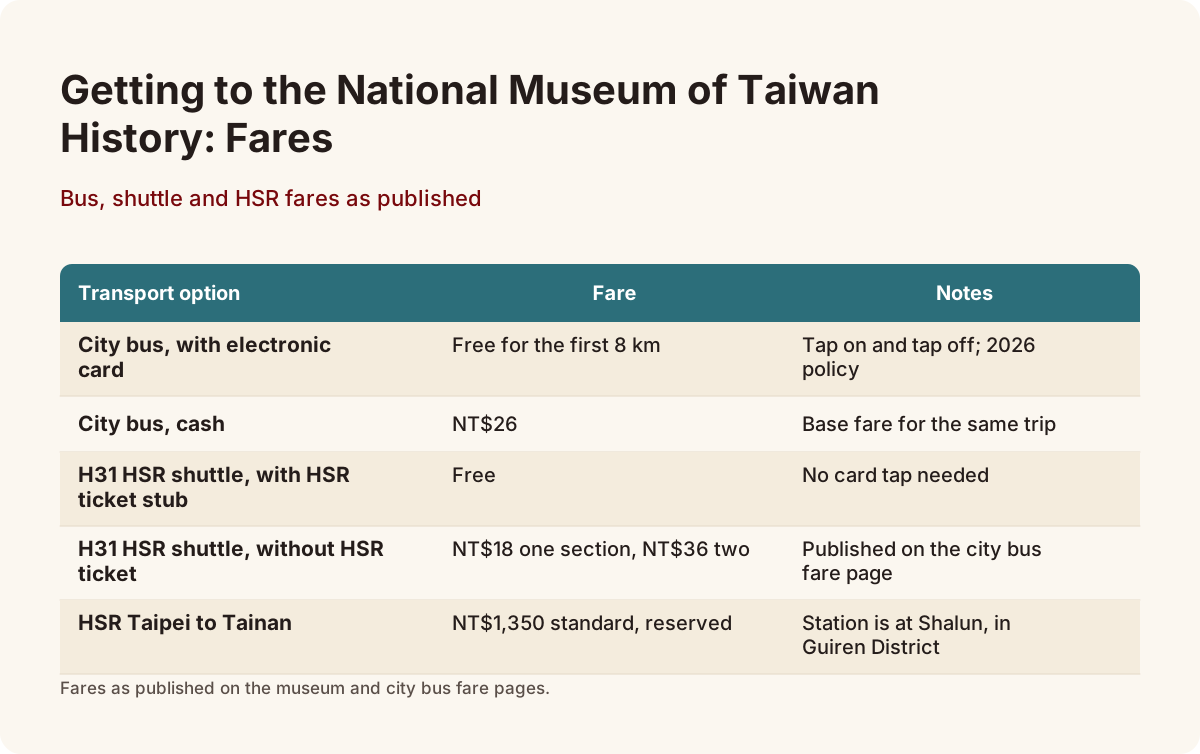
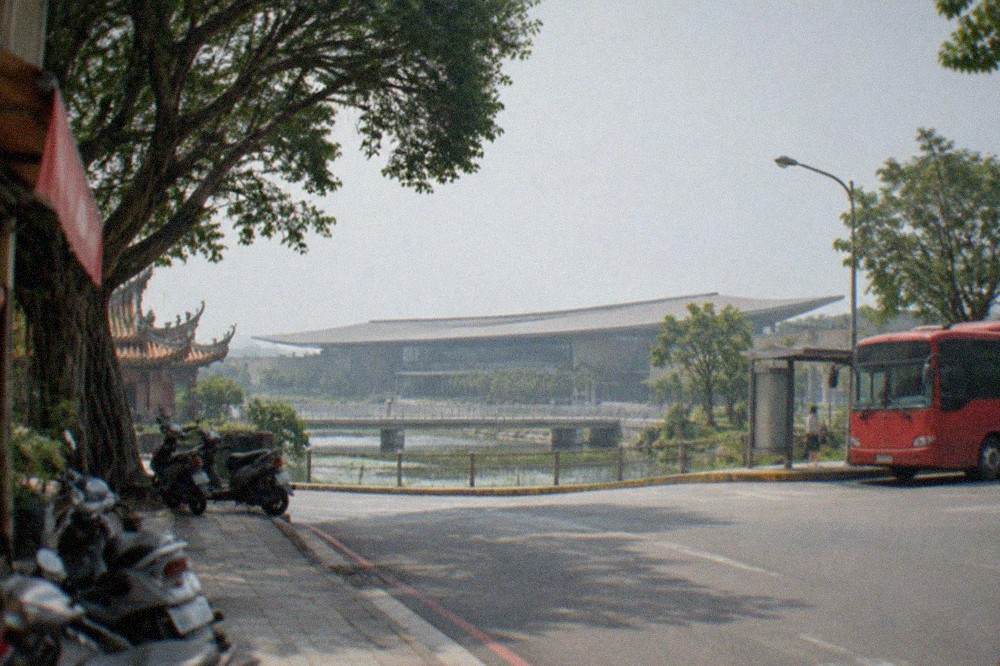
The National Museum of Taiwan History is in Annan District, north of Tainan's old city, and there is no rail station at the door. City buses reach the area on the trunk network, where the first 8 km of any trip are free in 2026 with an electronic card, against a 26 cash fare for the same ride. Visitors arriving by High Speed Rail at Shalun station should note the HSR station is not in Tainan city at all but in Guiren District, well outside the centre.
That last point deserves emphasis because it surprises almost everyone. The High Speed Rail station serving Tainan is at Shalun, and every onward journey into the city or out to Annan District involves a transfer, by bus, by the Taiwan Railway Shalun line, or by the H31 shuttle. The H31 Tainan City Government Line is free for HSR passengers on production of a ticket stub, with no card tap needed; other passengers pay 18 for one section or 36 for two, and the section break falls at the Chimei Museum. The city's own bus fare page publishes these terms.
The free-first-8-km bus policy is the single most useful transport fact in Tainan. It applies across the trunk and branch network, the green, blue, brown, orange, yellow and red routes, for the 2026 calendar year, and it requires a Citizen Card, iPASS, EasyCard or iCash 2.0. The condition visitors miss is the tap off: the card must be tapped when boarding and again when leaving, or the free distance is not applied. The scheme is an annual policy that the city renews each year rather than a permanent entitlement, so re-check it before relying on it.
| Transport option | Fare | Notes |
|---|---|---|
| City bus, with electronic card | Free for the first 8 km | Tap on and tap off; 2026 policy; Citizen Card, iPASS, EasyCard or iCash 2.0 |
| City bus, cash | NT$26 | Base fare for the same trip |
| H31 HSR shuttle, with HSR ticket stub | Free | No card tap needed; section break at the Chimei Museum |
| H31 HSR shuttle, without HSR ticket | NT$18 one section, NT$36 two | Published on the city bus fare page |
| HSR Taipei to Tainan | NT$1,350 standard, reserved | From the operator's own fare table; the station is at Shalun, in Guiren District |
A visitor combining the museum with the HSR shuttle route gets a neat bonus: the section break at the Chimei Museum means that museum sits on the shuttle line, and the two institutions pair naturally on a single day, one telling the island's history, the other holding one of its great art collections. The Tainan Art Museum in the old city makes a third stop on the same theme, open Tuesday to Sunday with late Saturday hours.
What Does the Museum Actually Cover Inside?
The National Museum of Taiwan History presents the whole arc of the island's past in permanent galleries covering prehistoric and indigenous Taiwan, the Dutch and Spanish presence, Qing administration, the Japanese colonial period, and the postwar transformation into modern Taiwan, alongside the ecological story of the Taijiang wetlands the building stands beside. The museum's own pages describe the permanent exhibition as a chronological walk through the island's history rather than a display of a single city's relics.
The framing matters for visitors who have already walked Tainan's historic core. At Anping Old Fort you see the brick rampart walls that are the site's only genuine Dutch-period remains, most of what is photographed there being Japanese-era and 1975 renovation work, as the city's own page for the site records. At Chihkan Tower you stand on the site of Fort Provintia, built by the Dutch in the early 1650s. The museum puts those fragments into sequence: the Dutch East India Company's arrival in 1624, the completion of Fort Zeelandia in 1634, Koxinga's taking of the fort in 1662 and his renaming of the place Anping, then the long Qing period in which the Taijiang inner sea silted up and Tainan's role changed with it.
The Japanese period and the postwar decades are the galleries where the museum earns its national name, because these are the parts of the story that Tainan's street-level sites tell only obliquely. The museum's English pages describe the permanent exhibition as running through the colonial transformation of the island's cities, economy and society, and into the postwar era. Special exhibitions rotate on top of the permanent collection, and the museum announces them on its own site.
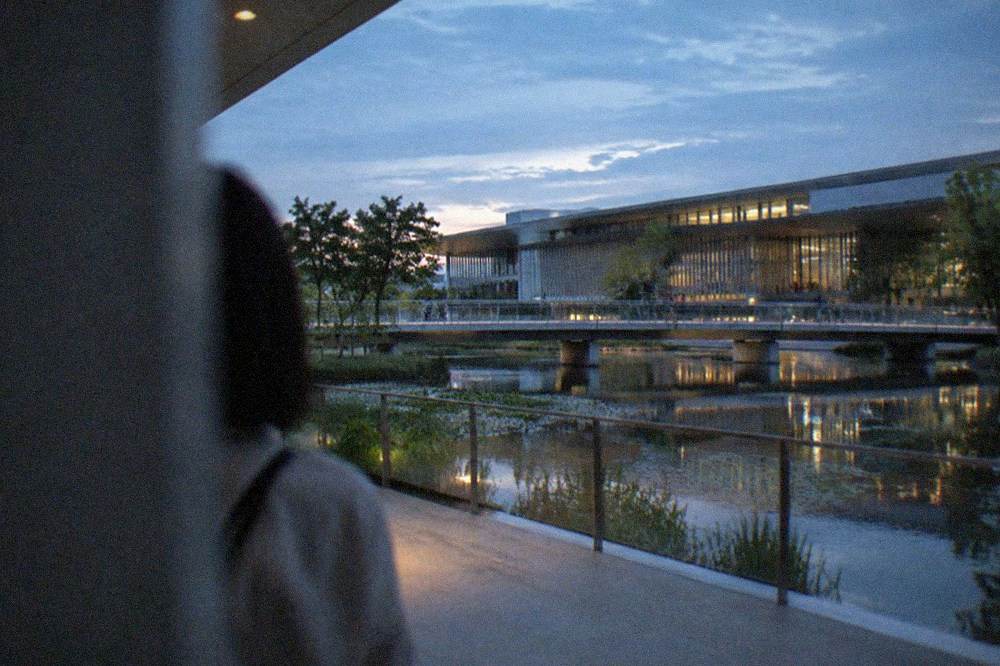
The wetland setting is not incidental. The museum stands beside the Taijiang area, and the ecological galleries and the surrounding parkland connect the historical narrative to the landscape that produced it. The same wetland system stretches toward the coast at Sicao Green Tunnel and the wider Taijiang National Park area, where boat rides through the mangroves cost NT$200 on either route, the Green Tunnel and the longer Taijiang route, both at the same fare.
If a morning at the museum leaves the afternoon open, the coast is the natural continuation, and the boat ride through the mangroves is the most bookable way to see it:
How Long Should You Spend at the Museum?
Plan on two to three hours inside the National Museum of Taiwan History for the permanent exhibition alone, with a half day if you add the parkland and the ecological displays. The museum's 9:00 opening and 16:30 last admission shape the day: a morning arrival leaves time for lunch and an afternoon in the wetlands or the old city, while an afternoon-only visit should start no later than early afternoon to be worth the ticket.
The building rewards slow reading rather than fast passing. The chronological galleries are text-rich, and much of the labelling is bilingual, part of the city-wide push for English-friendly signage that the Tainan city government has documented across its tourist infrastructure. Visitors who read everything will run past three hours; visitors who skim the highlights and spend time on the sections that interest them will land in the two-hour range.
Families get particular value from the scale models and the reconstruction displays, which the museum's pages highlight among the permanent exhibition's features. For a wider look at how to build days around Tainan with children, the site's guides cover the practical patterns: the wetlands and museums pair well, and the evening belongs to the rotating night markets, where Garden Night Market opens Thursday through Sunday and Dadong Night Market runs Monday, Tuesday and Friday.
| Visitor type | Suggested time | What to prioritize |
|---|---|---|
| History-focused | 3 hours plus | Permanent exhibition in full, chronological order |
| Family visit | 2 hours inside | Scale models, reconstruction displays, ecological gallery |
| Quick stop between sights | 90 minutes | Highlights of the permanent exhibition, skip the park |
| Half-day plan | 3 to 4 hours | Galleries, then the parkland and wetland paths |
What Else Is Near the National Museum of Taiwan History?
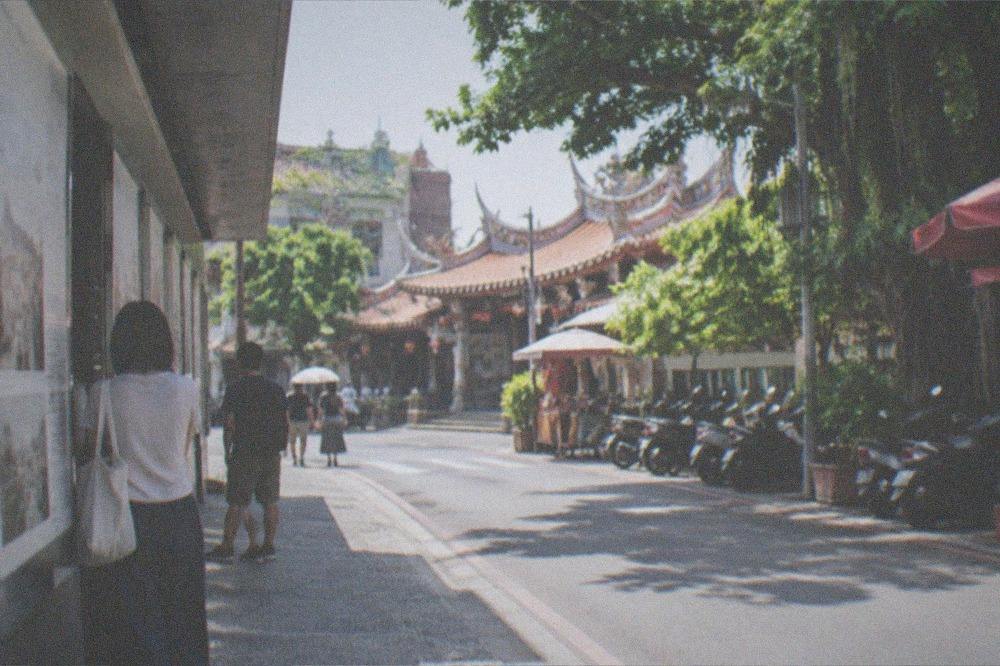
The museum's Annan District location puts it closest to the Taijiang wetland coast: the Sicao Green Tunnel boat rides at NT$200, the Taijiang National Park wetlands, and the lagoon landscape toward Qigu. The old city's dense cluster, Chihkan Tower, the Confucius Temple, the Grand Matsu Temple and the Anping sites, is a bus ride south, and the H31 shuttle route ties the museum to the Chimei Museum and the HSR station.
Thinking in halves of a day is the simplest planning frame. A museum morning plus a wetland afternoon keeps travel short and keeps the day's two halves thematically matched, since both are about the Taijiang landscape. A museum morning plus an old-city afternoon trades the short ride for density: Anping Tree House, open 8:30 to 17:30 at NT$70 at the gate, and the Eternal Golden Castle, at the same fare and hours, sit at the Anping end, while Chihkan Tower's late 21:30 closing makes it the one historic site that comfortably survives an evening plan.
| Nearby site | Admission | Hours | Notes |
|---|---|---|---|
| Sicao Green Tunnel boats | NT$200 | 08:00 to 16:00 daily | Both boat routes cost the same |
| Anping Tree House | NT$70 at the gate | 08:30 to 17:30 daily | Tainan residents free with ID |
| Anping Old Fort | NT$70 at the gate | 10:00 to 17:10 daily | Only the rampart walls are Dutch-period |
| Chihkan Tower | NT$70 at the gate | 08:30 to 21:30 daily | Rare late closing among historic sites |
| Eternal Golden Castle | NT$70 at the gate | 08:30 to 17:30 daily | Built partly from dismantled Zeelandia brick |
| Tainan Confucius Temple | Free | 08:30 to 17:30 daily | Closed Lunar New Year's Eve |
Every price above is published by the Tainan City Government Tourism Bureau or the venue itself, and every venue carries the caveat that the on-site notice governs. Concessions are half price at the city sites, and Tainan residents enter free with ID; a visitor is not a resident, and the free entry does not extend to travelers.
For visitors staying several days and wanting the coast and the history handled in one move, a guided day tour covering the lagoon, the temples and the wetlands is the efficient option, and the museum pairs well as the morning half of such a day:
When Is the Best Time of Year to Visit?
October to March is the best window for the National Museum of Taiwan History and its outdoor parkland, because Tainan's rain is almost entirely a summer event. The Central Weather Administration's 1991 to 2020 normals for Tainan show August bringing 466 mm of rain across about 16 wet days, against December's 16 mm across 3. October averages 30.8C maxima on just 2.8 wet days, the driest month of the year by wet-day count.
The museum itself is, of course, an all-weather building, and a rainy summer afternoon inside it is a better plan than a wet one outdoors. But the parkland, the wetland paths and the pairing with the Sicao boats all depend on the weather, and the climate table says the comfortable half of the year runs from October to March. Typhoon risk concentrates in the late-summer months, and the rainfall table independently shows that same shape, with June, July and August the wettest months by a wide margin.
| Month | Mean max C | Rain mm | Wet days |
|---|---|---|---|
| January | 23.0 | 20.7 | 3.8 |
| April | 29.3 | 69.8 | 5.9 |
| July | 33.0 | 374.6 | 13.0 |
| August | 32.6 | 466.1 | 15.8 |
| October | 30.8 | 30.8 | 2.8 |
| December | 24.4 | 16.2 | 3.0 |
The visitor-number picture adds a wrinkle most travelers do not expect: the Tourism Administration's own dataset shows Tainan's peak months are January and February, driven by temple pilgrimage and Lunar New Year, not summer. The biggest draws are not the Dutch-era sites at all, with Nankunshen Daitian Temple drawing millions against Chihkan Tower's hundreds of thousands, and the counts carry the caveat that each site compiles its own numbers by different methods. For the museum, the practical read is that winter weekends are the busy ones, and a weekday visit in the October-to-March window is the quietest combination the data supports.
Is the National Museum of Taiwan History Worth the Trip Out of the Old City?
Yes, for any visitor with more than a day in Tainan or a specific interest in Taiwan's full history, the National Museum of Taiwan History is worth the bus ride, because no other site on the island assembles the whole chronological story in one place. For a visitor with a single day, the old city's walkable cluster, Chihkan Tower, the Confucius Temple, Anping, is the better use of the hours, and the museum is the right pick on day two or on a wet afternoon.
The honest comparison is with the Chimei Museum, which the site covers in its own assessment of whether the Chimei Museum is worth it. The Chimei is an art and natural-history collection of remarkable breadth, NT$200 for the permanent collection, closed Wednesdays, and it sits on the H31 shuttle route. The National Museum of Taiwan History is a narrative institution: fewer treasures, more story. Visitors who want both should note the different closure days, Wednesdays at the Chimei, Mondays at the history museum, which conveniently means one of the two is open on any weekday.
For travelers passing through the region rather than staying in Tainan, the museum also works as a stop on a wider southern Taiwan route, and the site's guide to Fo Guang Shan and the south covers the pattern. Within Tainan itself, the pairing that converts best is the museum morning plus a coastal afternoon, and the qipao rental experience in Anping adds a photographic dimension to the old-city half of such a day:
Common Questions About the National Museum of Taiwan History
What are the National Museum of Taiwan History's opening hours?
The museum is open Tuesday to Sunday from 9:00 to 17:00, with last admission at 16:30. It is closed on Mondays, plus announced closure days around Lunar New Year and for maintenance. The museum's own English visitor pages publish the current schedule.
How much does the National Museum of Taiwan History cost?
Regular admission is NT$100, with concessions at NT$50, as published on the museum's own site. As at every Tainan public venue, the on-site notice governs, so treat published prices as the reference fare rather than a guarantee.
Is the National Museum of Taiwan History closed on Mondays?
Yes, Monday is the standing weekly closure. The museum also closes on announced days around Lunar New Year and for occasional maintenance periods, so check the museum's own pages before a tight-schedule visit.
How do you get to the National Museum of Taiwan History from the HSR station?
The HSR station is at Shalun in Guiren District, outside the old city, so every journey involves a transfer. The H31 shuttle is free for HSR passengers with a ticket stub, and city buses on the trunk network are free for the first 8 km in 2026 with an electronic card, against a 26 cash fare, provided you tap on and tap off.
How long should you spend at the National Museum of Taiwan History?
Two to three hours covers the permanent exhibition at a reading pace, and a half day adds the parkland and wetland paths around the building. Last admission at 16:30 means an afternoon visit should start by early afternoon to be worth the ticket.
Is the National Museum of Taiwan History or the Chimei Museum better?
They do different jobs. The history museum tells the island's whole chronological story; the Chimei Museum, NT$200 and closed Wednesdays, holds a broad art and natural-history collection. The different closure days mean one of the two is open on any weekday, and both sit within reach of the H31 shuttle corridor.
The National Museum of Taiwan History is the piece of Tainan that makes the rest of the city make sense, and the Tainan Travel Guide homepage gathers the full set of walks, itineraries and food guides for planning the days around it. Check the museum's own pages for the current schedule before you go, tap off the bus, and give the wetlands the afternoon the galleries will have told you about.