Tainan Grand Mazu Temple
The Tainan Grand Mazu Temple is one of the city's free, daily-open places of worship, welcoming visitors from 06:00 to 21:00 with no ticket and no booking.
Short answer
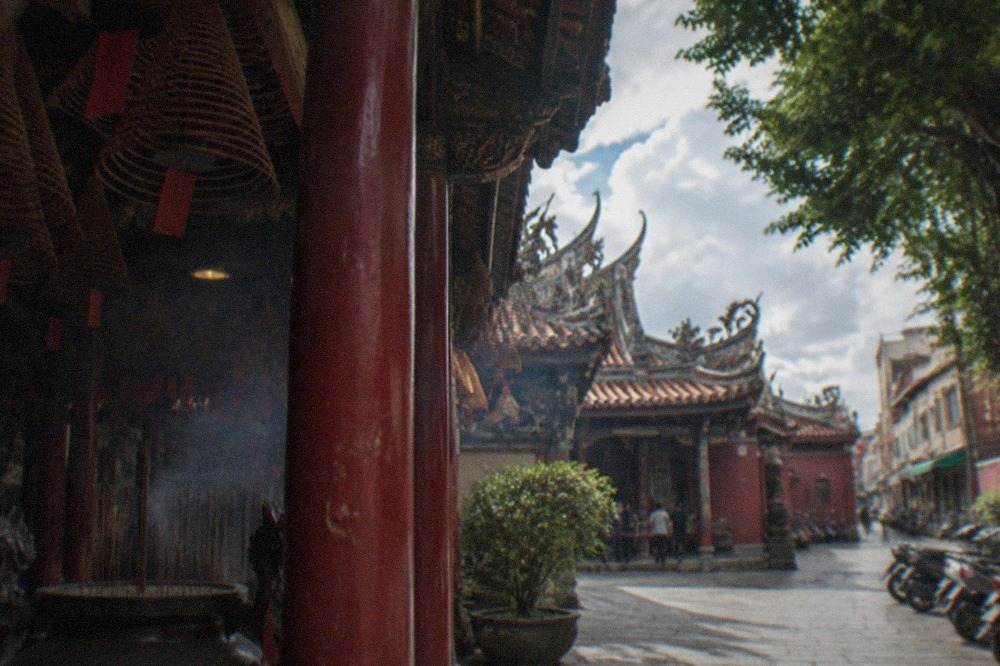
The Tainan Grand Mazu Temple is free to enter, with no ticket listed by the city, and is open every day from 06:00 to 21:00. It drew 354,897 visitors in 2023, making it one of the most visited temples in the city centre.
The Tainan Grand Mazu Temple stands in the old heart of a city that was Taiwan's capital for more than two centuries, until the late nineteenth century. The Tainan City Government Tourism Bureau's page for the temple lists no admission charge at all, and its hours run from 06:00 to 21:00 every day of the week, which makes it one of the few major heritage sites in the city centre that a visitor can see both early in the morning and after dinner. In 2023 it drew 354,897 visitors, according to the Tourism Administration's own attraction dataset.
This page pulls together what the city's own sources say about the temple: its hours, its cost, its place among Tainan's temples, and how to fit it into a day. Where a fact is not confirmed on an official page, this guide says so rather than guessing, because a confident wrong number is worse than an honest gap.
Is the Tainan Grand Mazu Temple Free to Enter?
Yes, the Tainan Grand Mazu Temple is completely free to enter, with no ticket listed by the city and no booking required. It is open every day from 06:00 to 21:00, which means it opens before breakfast and closes after most restaurants. The only listed closure is none at all, so unlike the museums it has no weekly closing day to plan around.
That free entry is worth pausing on, because it is not true of everything nearby. Chihkan Tower charges NT$70 at the gate, the Anping Tree House charges NT$70, and the Chimei Museum charges NT$200 for its permanent collection. The Grand Mazu Temple, along with the Tainan Confucius Temple, the Five Concubines Temple and Kaiyuan Temple, costs nothing. For a traveler building a budget, the city's temple network is essentially a free attraction cluster, and the paid sites are the forts, museums and the boat rides.
The city's own pages carry a standing disclaimer that prices are for reference and the on-site notice governs. In this temple's case the city lists no price at all, so there is nothing to check but the hours. Those hours, 06:00 to 21:00 daily, come straight from the Tourism Bureau's Grand Matsu Temple page.
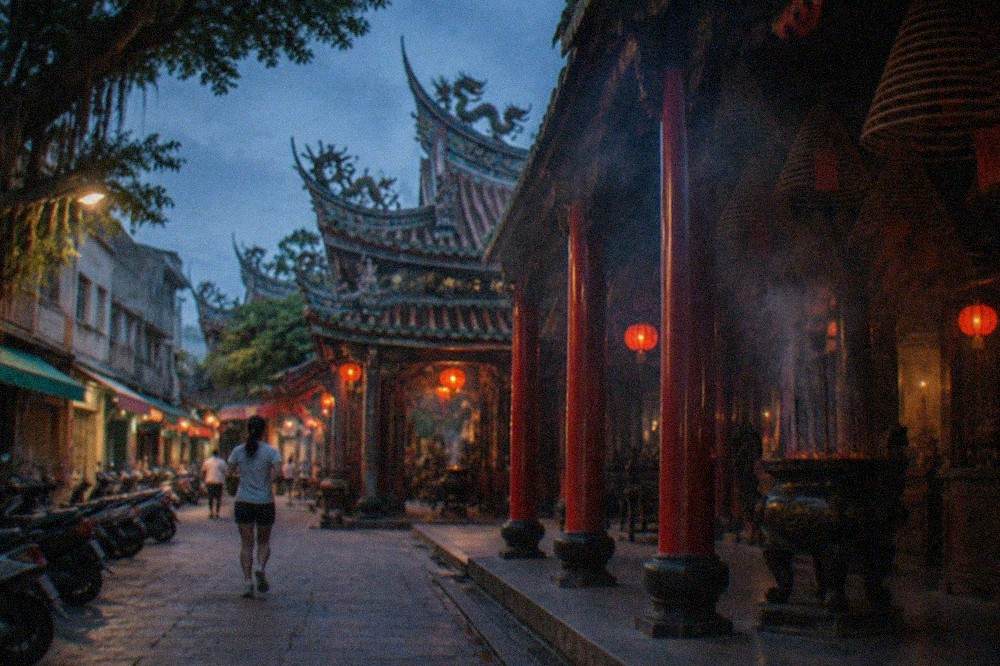
The practical reading of a 06:00 opening is that early risers get the temple almost to themselves, and the 21:00 closing pairs well with an evening in the old streets. Most ticketed historic sites in Tainan shut between 17:10 and 17:30, so a visit here is one of the few pieces of old-city sightseeing that can happen after dark without a night market involved.
Where Is the Grand Mazu Temple and How Do You Get There?
The Grand Mazu Temple sits in Tainan's West Central District, inside the old city core where most of the historic sites cluster together. Chihkan Tower is a short walk away, and the temple is reachable on the city bus network, where the first 8 km are free with an electronic card in 2026. No official walking time or fare for the temple itself is published, so plan on the old city being compact rather than on a stated number of minutes.
The old city is genuinely walkable, and that is the main transport fact that matters here. The verified bus policy is the useful backup: Tainan city buses are free for the first 8 km of travel on the trunk and branch network, provided you hold an electronic card, a Citizen Card, iPASS, EasyCard or iCash 2.0, and tap on and tap off. Tap off is the part visitors miss. The cash fare for the same trip is NT$26. The scheme runs for the 2026 calendar year, so treat it as a current policy rather than a permanent one.
Two cautions from the verified transport facts apply to any arrival plan. The HSR station is not in Tainan: it is at Shalun in Guiren District, outside the old city, and reaching the centre means a transfer. And no official journey time in minutes for any rail route has been confirmed, so this guide will not print one. The verified HSR fares are NT$1,350 for a reserved standard seat from Taipei, NT$140 from Zuoying in Kaohsiung, and the H31 HSR express bus is free for HSR passengers on production of a ticket stub.
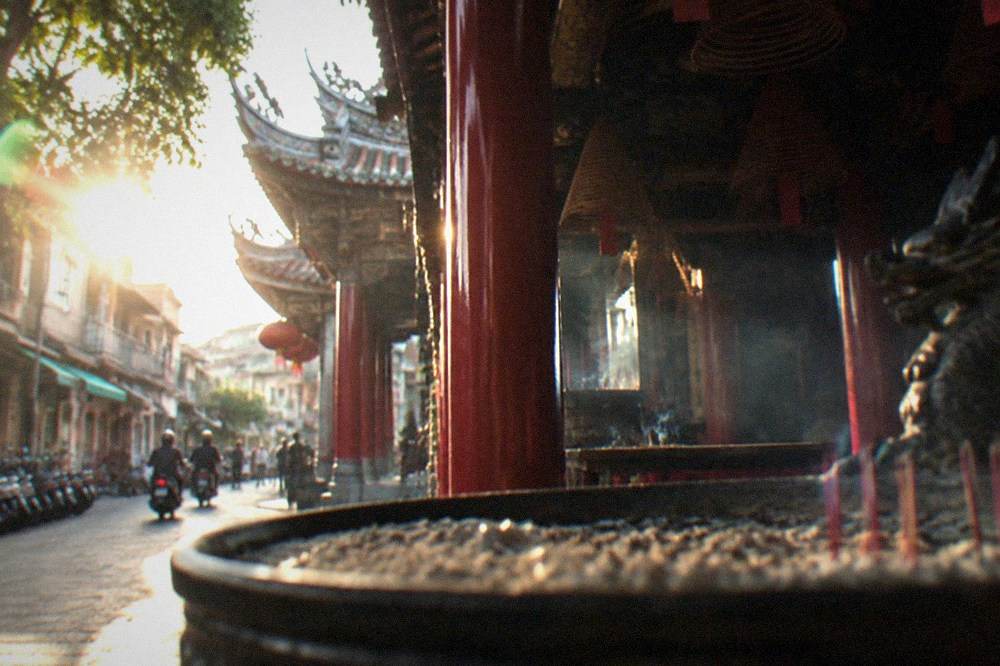
Once in the old city, the temple belongs to the cluster around Chihkan Tower and the Sacrificial Rites Martial Temple, both of which are close enough to appear on any walking route. The Tainan temple trail itinerary exists precisely because these sites sit in a tight band, and a visitor who prefers a guide to a map can see the options below.
What Is the Grand Mazu Temple's Place in Tainan's Temple Landscape?
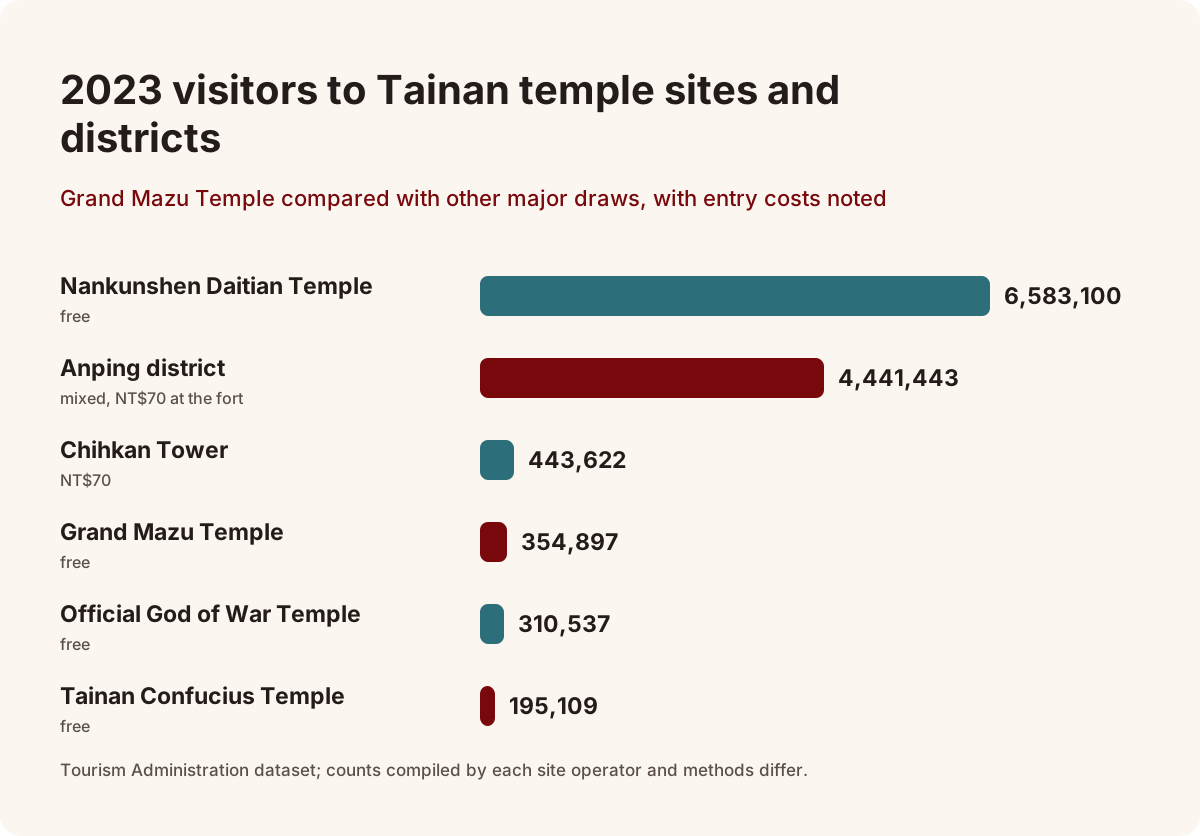
The Grand Mazu Temple drew 354,897 visitors in 2023, placing it among the most visited temples in the city centre, ahead of the Official God of War Temple's 310,537 but well behind the coastal pilgrimage giant Nankunshen Daitian Temple, which drew 6,583,100. Tainan's temple scene is therefore two things at once: a dense, free, walkable cluster in the old city, and a handful of enormous pilgrimage sites far outside it.
The visitor numbers deserve a caveat that the Tourism Administration's own dataset carries: counts are compiled by each site operator, methods differ between a ticketed museum and an open temple, and the 2020 to 2022 figures are COVID-depressed. Comparing a free temple with a paid fort is not comparing like with like, since a free site has no ticket barrier at which to count.
Even with that caveat, the shape of the data is striking and not obvious from a first page of search results. Tainan's biggest draws are not the Dutch forts. Nankunshen Daitian Temple in Beimen drew roughly fifteen times Chihkan Tower's 443,622 visitors in 2023, and Anping as a district drew 4,441,443. The peak months for the big temple sites are January and February, driven by pilgrimage and Lunar New Year, which is the opposite of the northern-hemisphere travel instinct and matches the climate record exactly: Tainan's dry, comfortable half of the year runs from October to March.
| Attraction | 2023 visitors | Entry cost |
|---|---|---|
| Nankunshen Daitian Temple | 6,583,100 | free |
| Anping district | 4,441,443 | mixed, NT$70 at the fort |
| Chihkan Tower | 443,622 | NT$70 |
| Grand Matsu Temple | 354,897 | free |
| Official God of War Temple | 310,537 | free |
| Tainan Confucius Temple | 195,109 | free |
The Grand Matsu Temple's own position in that table is the interesting one. It is a city-centre site with pilgrimage-scale numbers, sitting a short walk from Chihkan Tower yet outdrawing several paid sites. For a visitor, that density is the planning insight: the free temple cluster and the paid fort cluster overlap on foot, so a single morning can cover both.
What Can You See at the Grand Mazu Temple?
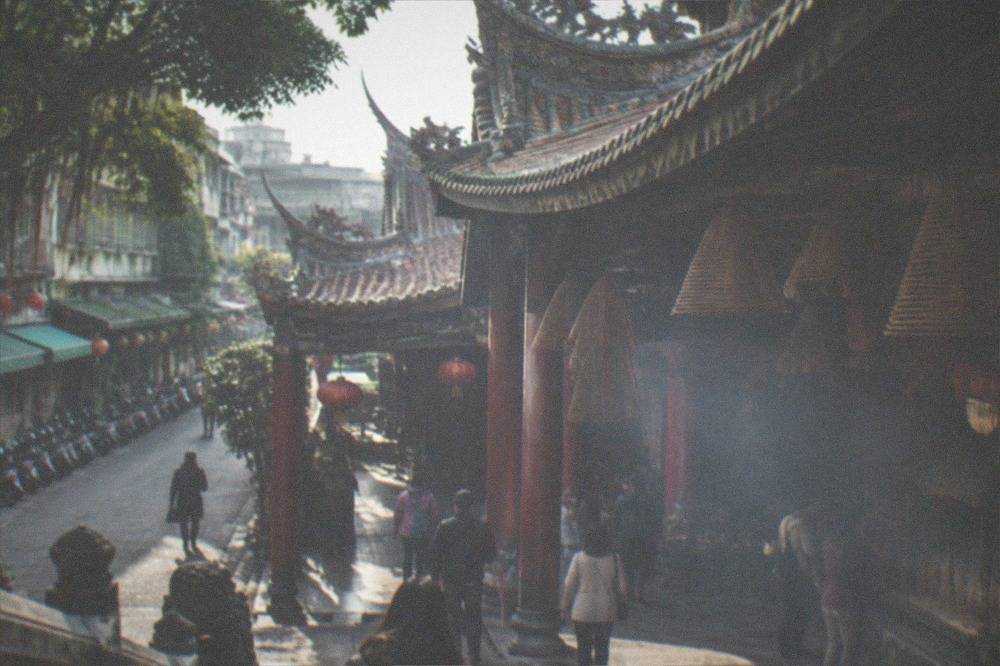
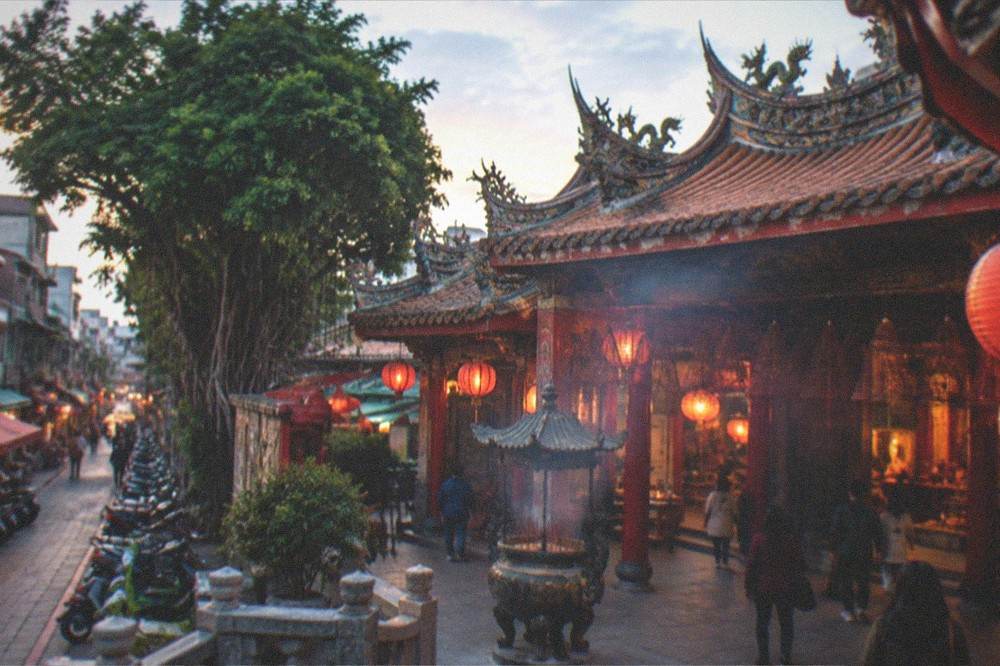
The Grand Mazu Temple is a working place of worship dedicated to Mazu, the sea goddess whose cult spread along Taiwan's coasts, and it is open to visitors on the same free terms as worshippers. The city's page lists no guided tour, no ticketed area and no separate charge. What a visitor sees is the temple itself, its halls and its devotional life, in a building that has served the old city for generations.
Because no verified architectural or art-historical description of the temple appears in the official sources available to this guide, this page will not invent one. What can be said with confidence is contextual. Mazu worship is the shared thread of coastal Taiwan, and Tainan, as the island's oldest urban Chinese settlement and former capital for more than two centuries until the late nineteenth century, holds some of its oldest Mazu institutions. The temple's 354,897 visitors in 2023, counted by the operator and reported to the Tourism Administration, indicate a site that is active rather than preserved.
The honest planning advice is to treat the temple as a living room rather than a museum exhibit. Photography is normal at Taiwanese temples, but the temple etiquette guide covers the customs this page will not improvise, since inventing incense procedure or ritual detail is exactly what a sourced guide refuses to do. Dress expectations at Tainan's temples are modest, and the dress code question at the Confucius Temple answers the most common version of that query for the city generally.
A seated tea ceremony is the natural companion to a temple morning, and it is the one bookable experience on this page's shortlist that fits the theme. The ceremony runs about an hour and a half, and the operator's listing carries free cancellation, so it can be booked before the itinerary is final.
When Is the Best Time to Visit the Grand Mazu Temple?
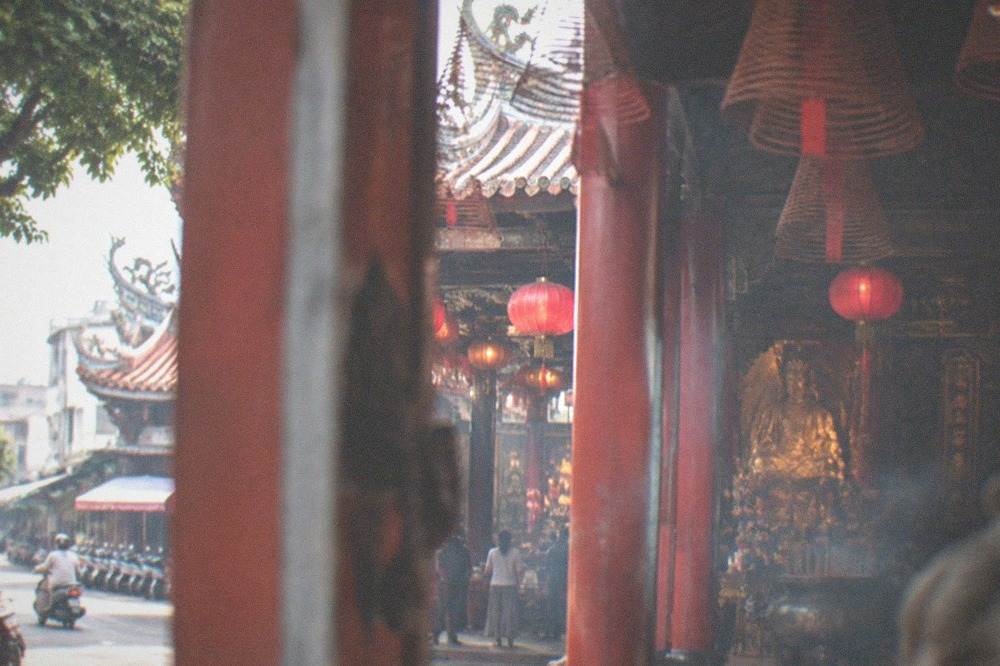
The best time to visit the Grand Mazu Temple is between October and March, Tainan's dry half of the year, and early morning is the best hour because the temple opens at 06:00 and the day's heat builds after 10:00. October is the driest month by wet days, 2.8, while still averaging 30.8C maxima. Avoid nothing on the calendar: the temple has no listed closure days at all.
The climate record behind that answer comes from the Central Weather Administration's 1991 to 2020 normals for Tainan station. The headline is that Tainan's rain is almost entirely a summer event: August brings 466 mm across 16 wet days, December brings 16 mm across 3, and close to three-quarters of the annual 1,761 mm falls between May and September. Tainan also has 186 days a year above 30C, and from April to October it is above 30C on most days.
| Month | Mean max C | Rain mm | Wet days |
|---|---|---|---|
| January | 23.0 | 20.7 | 3.8 |
| April | 29.3 | 69.8 | 5.9 |
| July | 33.0 | 374.6 | 13.0 |
| October | 30.8 | 30.8 | 2.8 |
| December | 24.4 | 16.2 | 3.0 |
Two festival windows are worth knowing even though this guide will not pin dates the sources do not confirm. The Yanshui Beehive Fireworks are held in February, on the Lantern Festival, and the city's own calendar confirms February for it, along with the Yuejin Lantern Festival from February to March and the Confucius Temple Cultural Festival in September. The city's festival calendar gives months only, and this page follows it.
Typhoon risk concentrates in the late summer months, and the rainfall table shows the same shape independently. When Tainan's city government declares a typhoon day, attractions and transport may suspend; the Tainan Art Museum, for one, states on its own hours page that it closes when the city announces a work suspension. A temple's hours on such a day are a matter for the temple, so check before going in a storm.
How Does the Grand Mazu Temple Compare to Tainan's Other Big Temples?
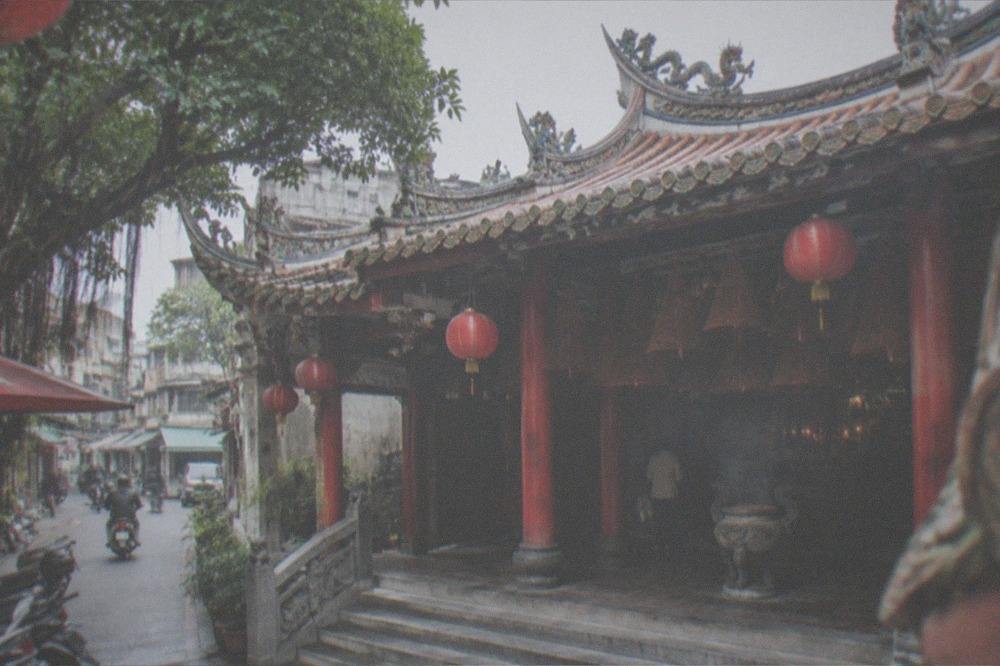
The Grand Mazu Temple is one of four major free temples in the old city, open 06:00 to 21:00 daily, alongside the Tainan Confucius Temple (08:30 to 17:30, closed Lunar New Year's Eve), the Five Concubines Temple (08:00 to 17:00) and Kaiyuan Temple (06:00 to 17:00). None of the four charges admission. The Grand Mazu Temple's hours are the longest of the group, and it is the only one open past 18:00.
That comparison is the practical value of the table below. A visitor planning a temple day in the old city can string all four together, but the hours dictate the order: Kaiyuan Temple and the Confucius Temple close in the late afternoon, the Five Concubines Temple at 17:00, and the Grand Mazu Temple keeps going to 21:00. Save it, or any fragment of it, for the evening.
| Temple | Entry | Hours | Closed |
|---|---|---|---|
| Grand Matsu Temple | free | 06:00 to 21:00 daily | none listed |
| Tainan Confucius Temple | free | 08:30 to 17:30 daily | Lunar New Year's Eve |
| Five Concubines Temple | free | 08:00 to 17:00 daily | none listed |
| Kaiyuan Temple | free | 06:00 to 17:00 daily | none listed |
Beyond the free four, the paid heritage sites fill out a full day. Chihkan Tower, at NT$70 at the gate, is unusual for staying open until 21:30 daily, which makes it one of the few historic sites in the city a visitor can see after dinner. The Sacrificial Rites Martial Temple and the Tainan City God Temple sit in the same old-city band, and the Tainan Confucius Temple is the anchor of the whole temple quarter. The Confucius Temple's founding year is not confirmed on an official page, so this guide notes its "first academy of Taiwan" title, which is real, without printing a date.
What Else Is Near the Grand Mazu Temple?
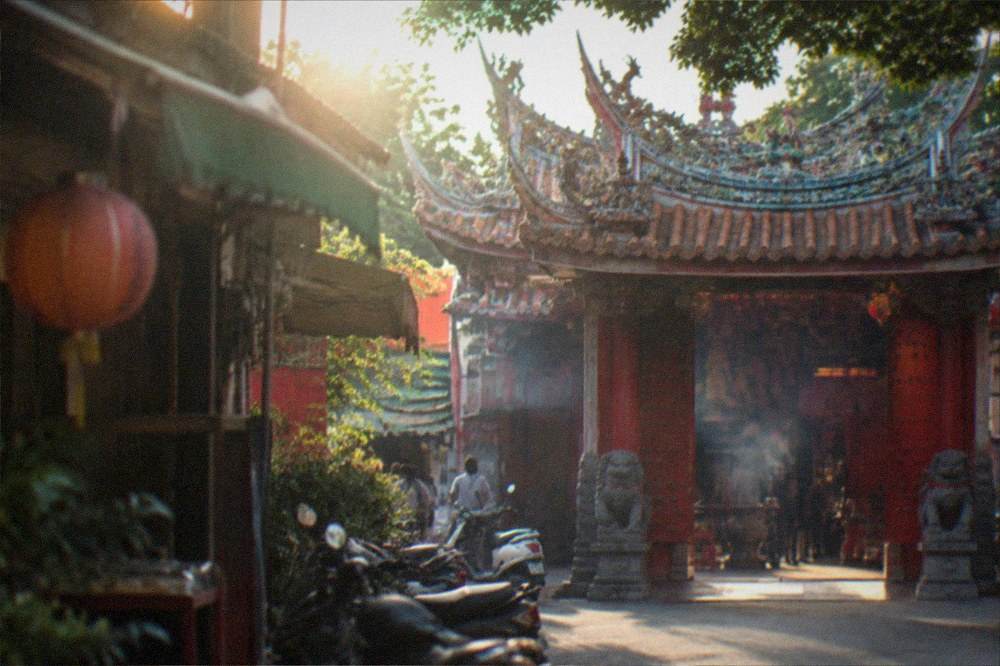
The Grand Mazu Temple sits within the old-city cluster around Chihkan Tower, within easy reach of the Sacrificial Rites Martial Temple, the Tainan City God Temple and the Confucius Temple, plus the paid sites at Chihkan Tower and the Hayashi Department Store. All of the free temples above are in the same walking band, and the night markets rotate by day of week, so the evening plan depends on which night you are there.
The night market rotation is the single most useful practical fact on this whole site, verified market by market from the Tourism Bureau's own pages. Garden Night Market opens Thursday, Friday, Saturday and Sunday, 17:00 to 00:00. Wusheng opens Wednesday, Friday and Saturday. Dadong opens Monday, Tuesday and Friday, 18:00 to 01:00. Siaobei is indoors and open every day, 12:00 to 00:00, which makes it the wet-weather and wrong-night answer. Friday is the only night all three big outdoor markets run; Wednesday is the thinnest, with Wusheng alone. Always check before you go, because the city updates these pages and the days do change.
| Site | Entry | Hours |
|---|---|---|
| Chihkan Tower | NT$70 at the gate | 08:30 to 21:30 daily |
| Hayashi Department Store | varies by exhibit | check the listing |
| Tainan Art Museum | NT$80 | Tue to Sun 10:00 to 18:00, Sat to 21:00, closed Mondays |
| Siaobei Night Market | free entry | 12:00 to 00:00 daily, indoor |
For a fuller evening, Shennong Street and the Garden Night Market cover the two classic Tainan after-dark experiences, an old street and a big market. The Chihkan Tower guide covers the paid site next door, including its unusually late 21:30 closing. This site's own coverage, from Tainan Travel Guide, lays out the rest.
How Should You Plan a Visit to the Grand Mazu Temple?
Plan the Grand Mazu Temple as a free, no-booking stop inside a walking day of the old city, with the visit itself taking as long as you want to give it, since there is no ticket, no timed entry and no listed closure day. Go early or go late, because it opens at 06:00 and closes at 21:00. Pair it with the paid sites and the other free temples, in an order the hours table above dictates.
A sample shape for a day, built only from verified hours: the Confucius Temple and the Sacrificial Rites Martial Temple in the morning, Chihkan Tower in the afternoon at NT$70, and the Grand Mazu Temple after dinner, since it is one of the very few old-city sites still open at 20:00. If the day is a Friday, all three big outdoor night markets run, so the temple can be folded into a market evening. If it is a Wednesday, Wusheng Night Market is the only big outdoor option, and Siaobei's indoor daily market is the backup.
Money matters are simple here. Cash remains essential at night markets, street stalls and small eateries, while cards work at hotels, chains and department stores. City buses are free for the first 8 km with an electronic card in 2026, tap on and tap off, and the cash fare is NT$26. Bottled and filtered water are everywhere and convenience stores sit on every corner; this guide makes no claim about tap water, because no official wording confirming it as safe to drink unboiled is in the verified sources.
If the day stretches toward Anping, the Tree House ticket is the one paid site in the old port area worth pre-booking, and the operator's listing shows current availability.
Common Questions About the Tainan Grand Mazu Temple
Is the Tainan Grand Mazu Temple free?
Yes. The Tainan City Government Tourism Bureau's page for the temple lists no admission charge at all, and it is open every day from 06:00 to 21:00.
What are the Tainan Grand Mazu Temple's opening hours?
The temple is open daily from 06:00 to 21:00, with no listed closure day, according to the Tourism Bureau's own attraction page.
How long should I spend at the Grand Mazu Temple?
There is no ticket or timed entry, so the visit length is entirely your choice. Most of the surrounding old-city sites can be walked in the same morning or evening.
When is the best time of year to visit Tainan's temples?
October to March is Tainan's dry, comfortable half of the year, with October the driest month by wet days. Temple visitor numbers peak in January and February around Lunar New Year and pilgrimage season.
Is the Grand Mazu Temple Tainan's biggest temple?
No. Nankunshen Daitian Temple in Beimen drew 6,583,100 visitors in 2023, roughly fifteen times Chihkan Tower's numbers, while the Grand Mazu Temple drew 354,897. The biggest temple draws are pilgrimage sites outside the city centre.
Can I visit the Grand Mazu Temple in the evening?
Yes. Its 21:00 closing makes it one of the few old-city heritage sites open after dinner, alongside Chihkan Tower, which closes at 21:30.
The Grand Mazu Temple is the kind of site that rewards a loose plan: free, open all day, and embedded in a walkable quarter where the paid forts, the free temples and the rotating night markets sit within reach of one another. Check the city's pages before you go, because hours and market days do change, and then let the old city's compactness do the rest of the work.