Taiwan High Speed Rail Explained
The Taiwan High Speed Rail is the fastest way to reach Tainan from Taipei, Taichung or Kaohsiung, but the fare table is easy to misread, the station is not actually in Tainan, and the last leg into the old city needs a transfer.
Short answer
Taipei to Tainan costs NT$1,350 for a reserved standard seat on the Taiwan High Speed Rail, and the station sits at Shalun in Guiren District, outside the old city, so every arrival ends with a short transfer.
The Taiwan High Speed Rail runs the length of western Taiwan, and for most visitors it is the single piece of infrastructure that decides how Tainan fits into a trip. The operator's own fare table lists Taipei to Tainan at NT$1,350 for a reserved standard seat, which makes the old capital an easy add-on to any Taipei or Kaohsiung itinerary. There are two catches worth knowing before anything else, and this guide from Tainan Travel Guide covers both. The fare table is easy to misread, and the station the line calls "Tainan" sits well outside the city it serves.
What Is the Taiwan High Speed Rail?
The Taiwan High Speed Rail, or THSR, is a dedicated high speed line that runs roughly 350 km down Taiwan's west coast, connecting Taipei in the north with Zuoying in the south and stopping at Tainan along the way. It is a separate system from the conventional Taiwan Railway, with its own stations, its own tickets and its own fare table, and a THSR ticket cannot be used on a regular train. For visitors it functions as the country's long-distance backbone, the fastest option between the big western cities.
The line was built to a Japanese core system and runs on its own elevated track for most of its length. Its stations are deliberately placed on the edge of each city rather than in the historic centers, which keeps the line fast and straight but means almost every arrival involves a transfer at the far end. That design choice matters more in Tainan than almost anywhere else on the route, because the station is not in the old city at all.
Tickets are sold for reserved seats and, on most services, a small pool of non-reserved seats at a lower price. The operator publishes a single fare grid covering every station pair, and reading that grid correctly is the difference between planning an accurate budget and overstating your costs by more than half. The details of that grid are worth a section of their own.
How Much Does the HSR Cost to Tainan?
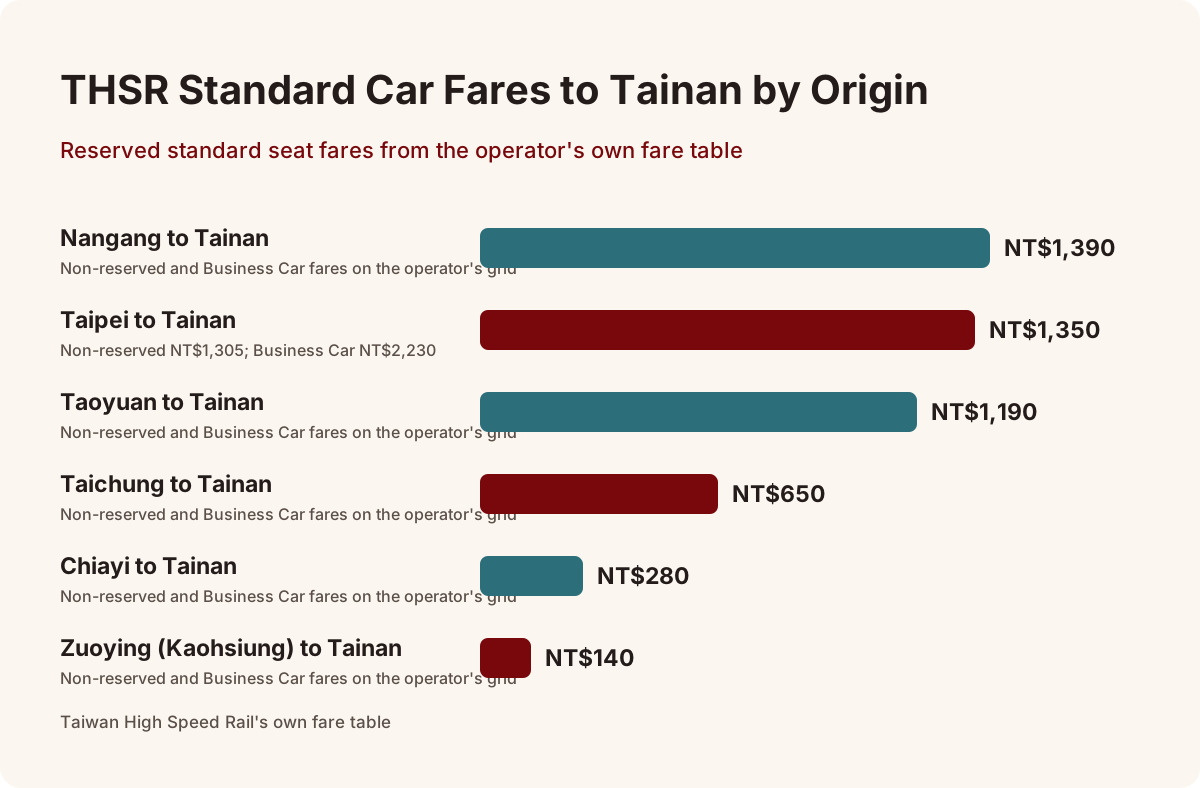
A Taipei to Tainan reserved standard seat costs NT$1,350, and a non-reserved standard seat costs NT$1,305. From Zuoying, the Kaohsiung HSR station, Tainan is NT$140 standard. Taichung to Tainan is NT$650, Chiayi is NT$280, Taoyuan is NT$1,190 and Nangang is NT$1,390. All of these are Standard Car fares from the operator's own fare table, and they are the numbers a visitor should budget against.
These fares come straight from Taiwan High Speed Rail's own fare table, which is published as a single grid. That grid is the trap. The lower-left triangle of the table holds Standard Car fares and the upper-right triangle holds Business Car fares, and the page states this in its legend. A reader who scans for the Taipei row and the Tainan column without noticing the diagonal split will land on NT$2,230, which is the Business Car fare, and will overstate the real price of the trip by 65 percent.
The practical read is simpler than the grid makes it look. Standard Car is what almost everyone buys, and it is the price quoted above. Business Car exists, costs considerably more, and is a comfort choice rather than a necessity. Non-reserved tickets are cheaper still, but they mean queuing for a seat on services that may be full at peak times, so most first-time visitors take the reserved option.
| Route | Standard Car, reserved | Notes |
|---|---|---|
| Taipei to Tainan | NT$1,350 | Non-reserved NT$1,305; the Business Car fare on the same grid is NT$2,230 |
| Nangang to Tainan | NT$1,390 | Non-reserved and Business Car fares on the operator's grid |
| Taoyuan to Tainan | NT$1,190 | Non-reserved and Business Car fares on the operator's grid |
| Taichung to Tainan | NT$650 | Non-reserved and Business Car fares on the operator's grid |
| Chiayi to Tainan | NT$280 | Non-reserved and Business Car fares on the operator's grid |
| Zuoying (Kaohsiung) to Tainan | NT$140 | Non-reserved and Business Car fares on the operator's grid |
Journey times are a different matter. No official timing was captured from the operator's timetable pages for any route on this line, so this guide does not publish a minutes figure for any journey. The operator's timetable search gives exact times for every service, and that is the only source worth trusting for scheduling. What can be said is structural: the line is the fastest rail option between the western cities, and the fare difference between it and slower alternatives is the price of that speed.
If the fare table is the first thing to understand, the second is what happens after the ticket. A trip to Tainan is not finished when the train stops, and the choices for that final leg are covered in the Tainan HSR station guide.
Where Is Tainan HSR Station?
Tainan HSR station is not in Tainan's old city. It sits at Shalun, in Guiren District on the eastern edge of the municipality, a paid transfer away from the historic center around Chihkan Tower and the Confucius Temple. The station name says Tainan because it serves the wider special municipality, but a visitor who plans as if the platform were in the old town will be surprised by the distance still to cover.
This is the single most common planning mistake on this route. The old city, where most of the temples, the night markets and the hotels are concentrated, lies well to the west of Shalun. The station's own design reflects its position: it is a large, airy terminus surrounded by parking and newer development, not a downtown stop. Guiren District is part of Tainan City in the administrative sense, which is why the station carries the name, but the journey into the historic core is real and needs a plan.
The layout has consequences for accommodation too. Staying near the station means staying in a modern district with little of what visitors come to Tainan for, while staying in the old city means finishing the transfer. Most visitors choose the old city, and the where to stay in Tainan guide works through the trade-offs district by district.
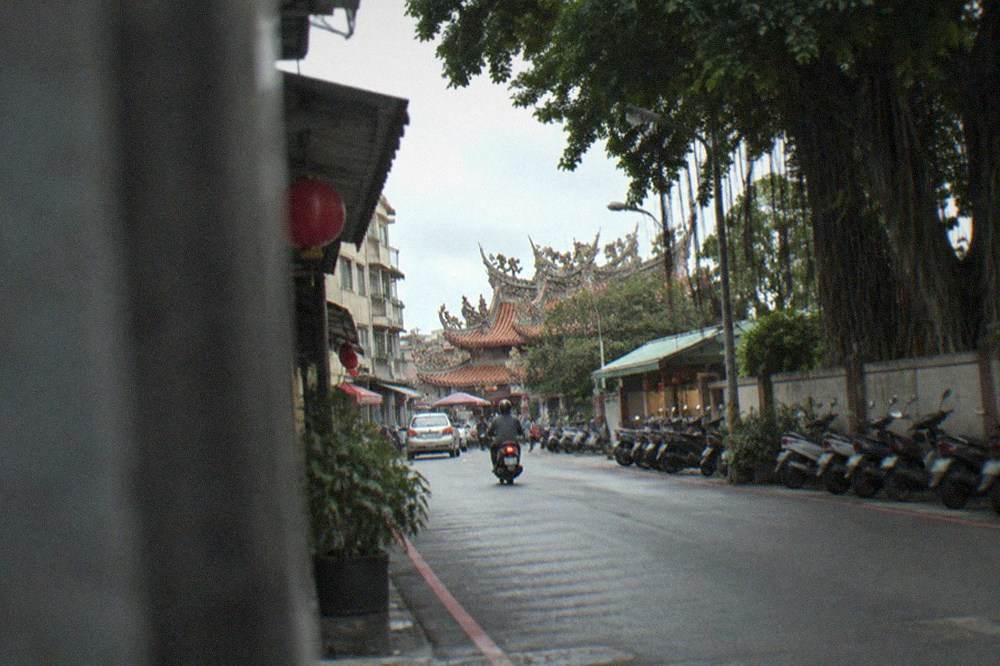
How Do You Get from the HSR Station Into the City?
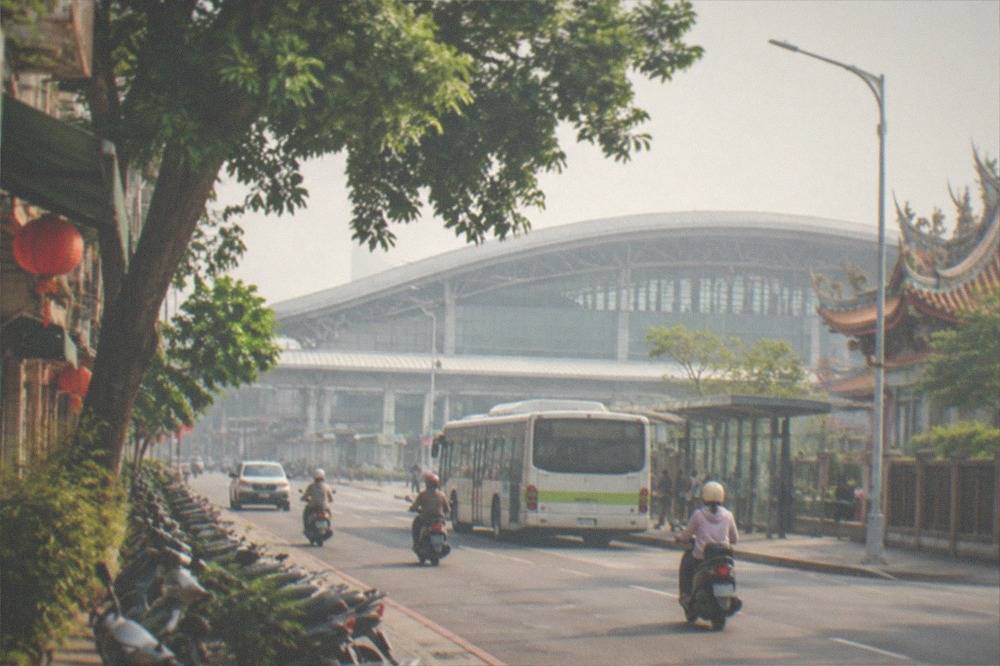
There are three main ways to cover the gap between Shalun and the old city. The H31 Tainan City Government Line express bus is free for HSR passengers who show a ticket stub, with no card tap or cash needed, and costs NT$18 for one section or NT$36 for two for everyone else. The Shalun branch railway connects the HSR station to Tainan main station as a paid Taiwan Railway ticket. Taxis complete the picture.
The H31 is the under-published bargain in this arrangement. The city's own bus site states the terms plainly: an HSR passenger boards free on production of a ticket stub, and the route runs between the HSR station and the Yonghua area of the city. The section break falls at the Chimei Museum, which means the museum sits directly on the shuttle route, a genuinely useful coincidence for anyone whose first stop is Tainan's most visited museum. Non-HSR passengers pay by section, NT$18 or NT$36 depending on where they board and alight.
The Shalun Line is the rail alternative. It is a Taiwan Railway branch line, which means it is a separate ticket from the HSR journey and not a free transfer, a distinction worth being clear about because many visitors assume the two systems share a fare. Its exact fare, frequency and journey time are not published in a form this site could verify, so the honest instruction is to check the operator's fare and timetable tools before relying on it. What is verified is the structure: the line exists, it connects the HSR station to Tainan main station, and it costs money.
| Option | Cost | Notes |
|---|---|---|
| H31 HSR express bus | Free with an HSR ticket stub; NT$18 one section, NT$36 two sections otherwise | Section break at the Chimei Museum, so the museum sits on the route |
| Shalun branch railway | A paid Taiwan Railway ticket, not a free transfer | Connects the HSR station to Tainan main station; fare and frequency on the operator's own tools |
| Taxi | No published Tainan fare schedule could be verified | Useful with luggage; agree the destination clearly |
Once in the old city, the picture improves a lot. City buses are free for the first 8 km with an electronic card on the trunk and branch network, per the city's own bus site, and the full mechanics, including the tap-off step visitors miss, are in the getting around Tainan guide.
HSR, Conventional Rail or Plane: Which Should You Take to Tainan?
For long northern runs, the HSR is the default: Taipei to Tainan at NT$1,350 reserved standard is the verified fare, and the line is built for exactly that distance. The conventional Taiwan Railway reaches Tainan main station, which is inside the old city, but no verified TRA fare or timing for any route could be published here. Tainan Airport is small, mostly domestic, and most international visitors fly into Taoyuan or Kaohsiung and continue by rail.
The choice between the two rail systems is really a choice about where you want to arrive. The HSR is faster between distant cities but deposits you at Shalun. The conventional railway is slower but its Tainan station sits in the center, walking distance from the back streets around the Confucius Temple. Neither system's tickets work on the other, and neither journey time can be honestly stated on this page, so the decision comes down to fare, arrival point and schedule rather than a minutes comparison.
Flying is a niche option. Tainan Airport operates a small number of domestic services and limited short-haul international routes, and the airport's own schedule pages are the place to confirm what is currently running, since route lists change. The structural fact holds: most international visitors land at Taoyuan near Taipei or at Kaohsiung, and the HSR covers the onward leg, with the Kaohsiung to Tainan guide covering that short NT$140 hop in detail.
| Mode | Verified fare basis | Arrives | Main trade-off |
|---|---|---|---|
| Taiwan High Speed Rail | NT$1,350 Taipei to Tainan, reserved standard | Shalun, Guiren District, outside the old city | Fast, but a transfer is needed at the end |
| Taiwan Railway (TRA) | No verified fare or timing for any route | Tainan main station, inside the city | Central arrival, slower over long distances |
| Tainan Airport | Route list unverified, small and mostly domestic | East of the city center | Only sensible if a suitable route exists |
For the Taipei end of the trip, the Taipei to Tainan guide walks through the same comparison with the capital's departure options in view.
Do EasyCard and iPASS Work on the High Speed Rail?
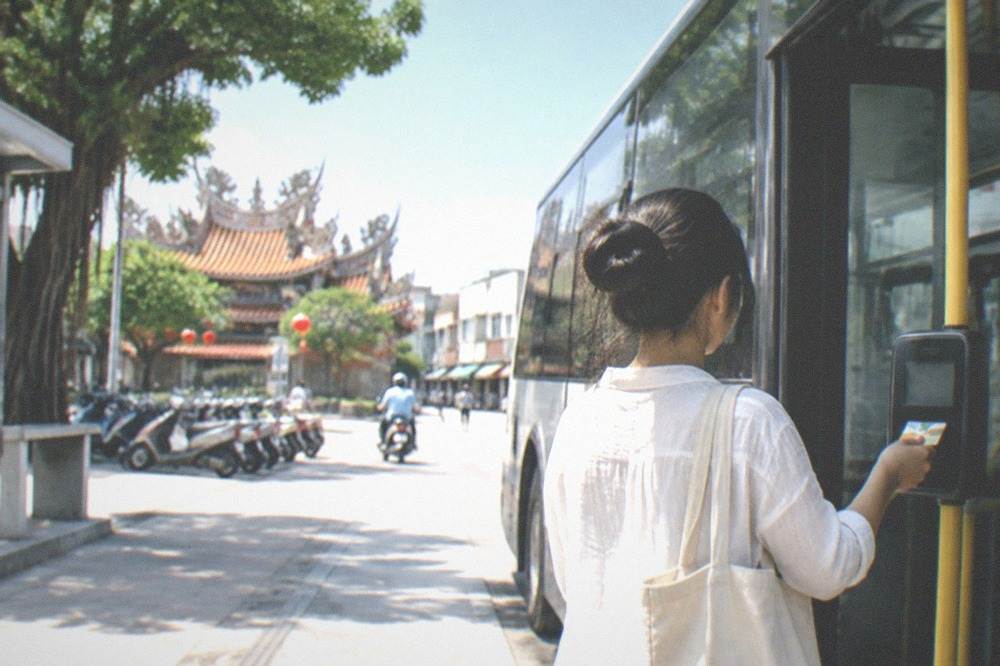
No, an EasyCard or iPASS is not a way to pay for a Taiwan High Speed Rail ticket, and this site does not claim otherwise. Those cards work on Tainan's city buses, where they unlock the free first 8 km, and the Tainan Art Museum accepts both at its ticket desk. The High Speed Rail sells its own tickets through its own channels, and the two payment worlds do not meet.
This distinction trips up visitors who have read about Taiwan's transit cards and assume one card covers the country. In Tainan the cards are genuinely powerful: on the city's trunk and branch bus network, the first 8 km of any journey is free with a Citizen Card, iPASS, EasyCard or iCash 2.0, provided the rider taps on and taps off. The cash fare for the same trip is NT$26. That policy runs for the 2026 calendar year, so treat it as current rather than permanent.
But the High Speed Rail sits outside that system entirely. Buy HSR tickets at the station, from the operator's own machines and counters, or through whatever booking channel the operator itself operates. The card question, and the transfer discounts that come with it, is covered fully in the getting around guide linked above.
When Is the Best Time to Arrive in Tainan by Train?
The dry, comfortable half of the Tainan year runs from October to March, and that is when a train arrival pairs best with everything else the city offers. The Central Weather Administration's 1991 to 2020 normals for Tainan show October averaging 30.8C maxima with just 2.8 rain days, the lowest of any month, while August brings 466 mm of rain across 16 wet days. Visitor numbers peak in January and February, not summer.
That pairing is worth pausing on, because it runs against the intuition most visitors bring from Europe. Tainan's busiest months are the northern winter ones, driven by temple pilgrimage and Lunar New Year rather than school holidays, and the climate table explains why: winter here is dry, warm and sunny rather than cold. A traveler arriving by HSR in February lands in the city's peak season and its best weather at the same time. The figures behind that pattern come from the Central Weather Administration's monthly climate normals, the official record for the Tainan station.
Summer arrivals are not a mistake, but they need different planning. Close to three-quarters of the annual 1,761 mm of rain falls between May and September, and typhoon risk concentrates in the late summer months, a subject with its own treatment in the Tainan weather guide and the typhoon season guide. The railway itself runs through almost everything, but attraction closures on declared typhoon days are real, and the Tainan Art Museum states on its own hours page that it closes when the city government announces a work suspension.
What Should You Do in the First Hours After Arriving?
Tainan's old city rewards a slow first evening more than a rushed first afternoon, and the arrival logistics point toward one pattern: check in near the center, then eat. Chihkan Tower stays open until 21:30 daily, one of the few historic sites in the city a visitor can see after dinner, and the night markets rotate by day of the week, so the day you arrive decides which one is running.
That late closing at Chihkan Tower is unusual and worth building around. Most of the city's historic sites shut in the late afternoon, Anping Old Fort at 17:10 and the Anping Tree House at 17:30, so a visitor who reaches the old city at 18:00 has a narrower set of options than the guidebooks imply. Chihkan Tower's 08:30 to 21:30 window, published on the Tourism Bureau's own page for the site, is the exception that rescues an evening arrival.
The night market rotation is the other piece of arrival arithmetic. Garden Night Market opens Thursday to Sunday, Wusheng on Wednesday, Friday and Saturday, Dadong on Monday, Tuesday and Friday, and Siaobei is indoors and open every day, which makes it the wrong-night answer. Friday is the one night all three big outdoor markets run. The full day-by-day table, with the check-before-you-go caveat, lives in the Tainan night markets guide.
Food is the other half of the evening. Tainan's snack culture, from beef soup at breakfast to danzai noodles and coffin bread late, is the reason many visitors come at all, and the Tainan food guide is the natural next read once the luggage is dropped. If the arrival day is short, the one day in Tainan itinerary shows what fits.
Is the HSR Worth It for Short Hops Like Kaohsiung to Tainan?
For the Kaohsiung to Tainan run, the HSR fare is NT$140 standard, a verified price from the operator's table, and the two cities are close enough that the conventional railway is a genuine alternative. The catch is arrival point: the HSR leaves you at Shalun, outside the old city, while the conventional railway reaches the center. For short hops, the transfer can take longer than the train saves.
This is where the fare table's logic bends. The HSR was built for long distances, and its pricing rewards distance: NT$1,350 from Taipei, NT$650 from Taichung, but only NT$140 from Zuoying. At that price the HSR leg is almost trivial, and the decision stops being about money and becomes about geometry. Zuoying station is itself on Kaohsiung's edge, and Tainan's HSR station is on Tainan's edge, so the fast train connects two peripheries.
A visitor whose Kaohsiung hotel is central and whose Tainan destination is the old city may do better with the conventional railway, which links the two centers directly, or with one of the day tours that departs from Kaohsiung and handles the whole transfer. No verified timing exists for either rail option on this route, so the honest comparison is fare and arrival point, not minutes. The Kaohsiung to Tainan guide works through every option including the H31 and bus routes.
What Are the Common HSR Mistakes Visitors to Tainan Make?
The four mistakes that recur are misreading the fare grid and budgeting NT$2,230 instead of NT$1,350, assuming the station is in the old city and booking a hotel near Shalun, expecting the Shalun branch line to be a free transfer when it is a paid Taiwan Railway ticket, and assuming a transit card pays for the HSR when it does not. Each one is avoidable with a single piece of knowledge, and all four are covered above.
The fare grid mistake is the costliest. The Business Car triangle sits in the upper right of the operator's single table, and a fast scan lands there. The fix is knowing the reserved standard fare before opening the page: NT$1,350 from Taipei, and if the number you find is much higher, you are reading the wrong triangle.
The station mistake shapes the whole day. Booking accommodation near the HSR station puts a visitor in Guiren District, a modern area with none of the old streets, temples or night markets that fill the Tainan attractions overview. The transfer into the city is short and, on the H31 with a ticket stub, free, so the right move is almost always to stay in the center and ride in.
The transfer mistake is smaller but annoying. The Shalun Line is a Taiwan Railway ticket, sold separately, and a visitor who plans a "free connection" finds a fare gate instead. The card mistake is the mirror image: an EasyCard that opens every city bus in Tainan does nothing at an HSR ticket gate. Neither error ruins a trip, and both are avoidable in the planning stage.
Common Questions About the Taiwan High Speed Rail
How much is the high speed rail from Taipei to Tainan?
NT$1,350 for a reserved standard seat and NT$1,305 non-reserved, from the operator's own fare table. The NT$2,230 figure that circulates online is the Business Car fare from the same table's upper triangle, not the standard price.
Is Tainan HSR station in the city center?
No. The station sits at Shalun in Guiren District, on the eastern edge of the municipality and well outside the old city. Every arrival needs a transfer: the H31 express bus, free with an HSR ticket stub, the paid Shalun branch railway, or a taxi.
Can you use an EasyCard on the Taiwan High Speed Rail?
No. EasyCard and iPASS work on Tainan's city buses, where they unlock the free first 8 km, and the Tainan Art Museum accepts both at its desk, but the High Speed Rail sells its own tickets through its own channels.
How do you get from Tainan HSR station to the old city?
The H31 Tainan City Government Line express bus is free for HSR passengers on production of a ticket stub, and NT$18 or NT$36 by section for everyone else, with the section break at the Chimei Museum. The Shalun branch railway is a paid Taiwan Railway ticket to Tainan main station.
Is the HSR or the regular train better for reaching Tainan?
From Taipei, Taichung or other distant cities, the HSR is the natural choice at NT$1,350, NT$650 and NT$280 respectively for reserved standard seats, but it arrives at Shalun. The conventional railway arrives inside the old city, though no verified TRA fare or timing can be published here, so the choice turns on arrival point rather than speed.
When is the busiest time to arrive in Tainan by train?
January and February. Tainan's visitor numbers peak in the winter months, driven by temple pilgrimage and Lunar New Year, which matches the climate table: the Central Weather Administration's 1991 to 2020 normals show October to March as the dry, comfortable half of the year.
The Taiwan High Speed Rail is the reason Tainan works as a stop on almost any Taiwan itinerary, and the fare table makes it affordable if it is read correctly. Budget NT$1,350 from Taipei, plan for the transfer at Shalun, keep a transit card for the city buses and a separate HSR ticket for the train, and the fastest way into Taiwan's old capital becomes one of the easiest parts of the trip. The station may sit outside the walls, but the old city is a short, sometimes free, ride away.