Qigu District
Qigu District is where Tainan stops being a temple city and becomes a coastline: salt mountains, mangrove boat tunnels, oyster farms on the lagoon and one of the world's most important wintering sites for the black-faced spoonbill.
Short answer
Qigu District is Tainan's coastal northwest, about an hour from the old city, known for Qigu Salt Mountain, the Sicao Green Tunnel boat ride, the lagoon oyster industry and the black-faced spoonbill reserve. The Salt Mountain cleaning fee is NT$50 per person on foot, and the Green Tunnel boat is NT$200.
Qigu District
Qigu District is where Tainan stops being a temple city and becomes a coastline. The district sits on a former lagoon, most of its land is younger than the Dutch forts in the old city, and its economy has run for centuries on salt, oysters and fish. The Tainan City Government Tourism Bureau's own pages describe it as the home of Salt Mountain, the mangrove boat tunnels of the Sicao Green Tunnel and the wetlands where black-faced spoonbills spend the winter. For a visitor, it is the one part of the city that feels nothing like the rest of it.
This page collects what the official sources actually say about Qigu: what it costs to get onto the salt mountain, what the boat rides charge, when the spoonbills are present, and how the district fits into a Tainan itinerary. Every figure below comes from a government or operator page, and where something is not verified, this page says so instead of guessing. Start with the Qigu salt flats day trip guide if you want a full plan, or read on for the district itself. This coastal half of the city is covered across Tainan Travel Guide, and this district page is the anchor for all of it.
Where Is Qigu District?
Qigu District occupies Tainan's coastal northwest, facing the Taiwan Strait, roughly an hour's drive from the old city around Chihkan Tower. It sits north of Anping and the city centre, south of Beimen District along the coastal highway, and west of the inland districts of Xinhua and Houbi. Its land is largely reclaimed lagoon: the Taijiang inner sea silted up over centuries, and the salt fields and oyster farms sit on what used to be water.
The geography explains almost everything about the district. The Zengwen River, Taiwan's fourth-longest, meets the sea at Qigu, and the river's sediment built the sandbars, wetlands and flats that make the coast what it is. The Tourism Bureau's Taijiang National Park pages cover the same coastline further south; the park's boundary reaches into this area, and the Taijiang National Park guide on this site explains how the two overlap.
Neighbouring districts each have their own character and their own pages here. Beimen District continues the salt and wetland theme up the coast, Anping is the historic harbour end of the same shoreline, and Xinhua is the inland old-street contrast. If you are routing a whole region, the southern Taiwan itineraries on this site string several of these districts together into one drive.
What Is Qigu District Known For?
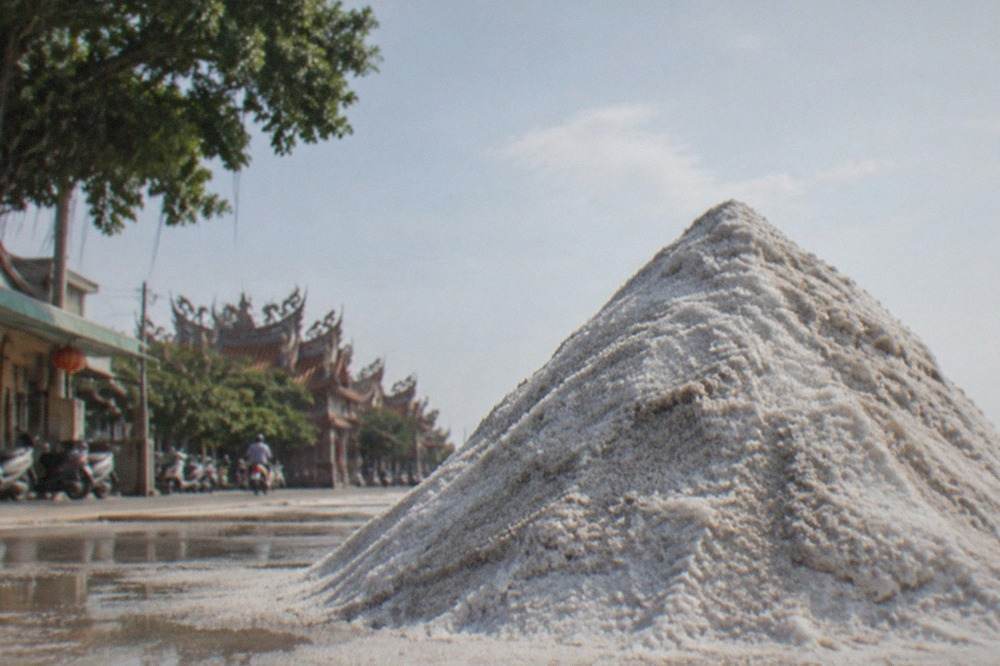
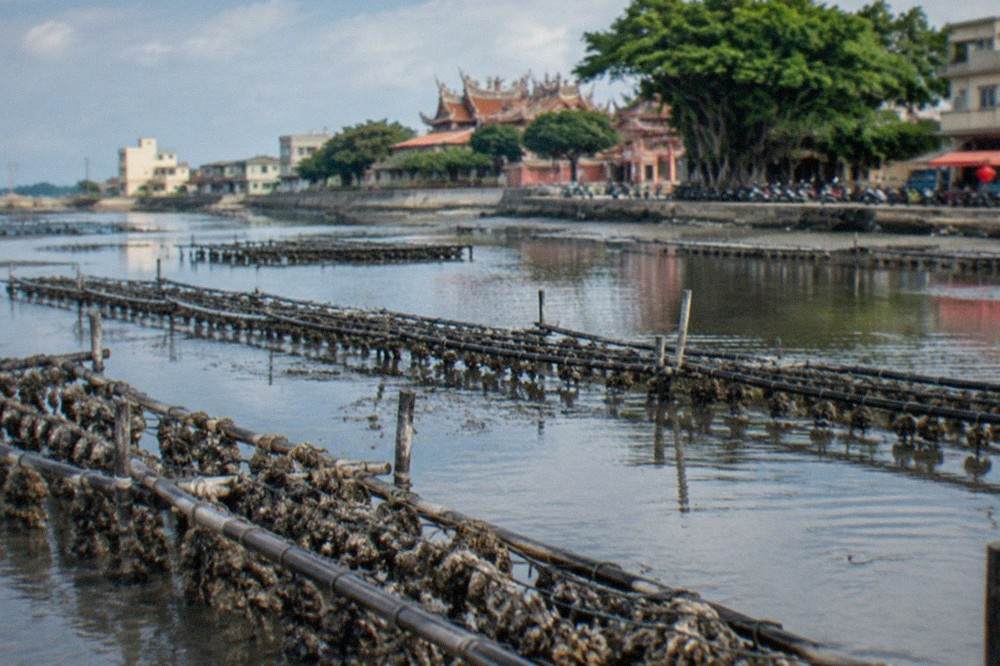
Qigu is known for four things: the white mound of Qigu Salt Mountain, the mangrove boat rides of the Sicao Green Tunnel, the working oyster farms of Qigu Lagoon, and the black-faced spoonbills that winter in the coastal wetlands. The Tourism Administration's 2023 visitor dataset backs the first claim with numbers: the Qigu Salt Industry Recreation Area drew 690,750 visitors and the Jingzijiao Tile-Paved Salt Fields 636,193. Salt, boats and birds are the district's whole identity.
The salt industry is the historical core. For most of the twentieth century Qigu was one of Taiwan's great salt-producing areas, and when industrial salt production wound down, the leftover salt was piled into the mound now marketed as Salt Mountain. The Taiwan Salt Museum next to it, covered in its own guide on this site, tells the industrial story. The Jingzijiao Tile-Paved Salt Fields nearby preserve the older, slower method: crystallizing ponds tiled so the salt could be raked cleanly.
The lagoon is the other half. Qigu Lagoon is a shallow, sheltered body of water behind the coastal sandbar, and its oyster racks are a working fishery, not scenery. The boat tours that cross it, and the Green Tunnel through the mangroves at Sicao, are the district's biggest bookable experiences, and the verified fares are set out further down this page.
The visitor counts deserve a caveat the raw numbers do not show. The Tourism Administration's dataset is compiled by each operator and reported to the agency, so a ticketed museum and an open salt field are counted by different methods, and the 2020 to 2022 years are depressed by COVID. The ranking is still real: salt and coastal scenery outdraw most of Tainan's famous Dutch-era sites, and they outdraw them in winter, not summer.

How Much Does Qigu Salt Mountain Cost?
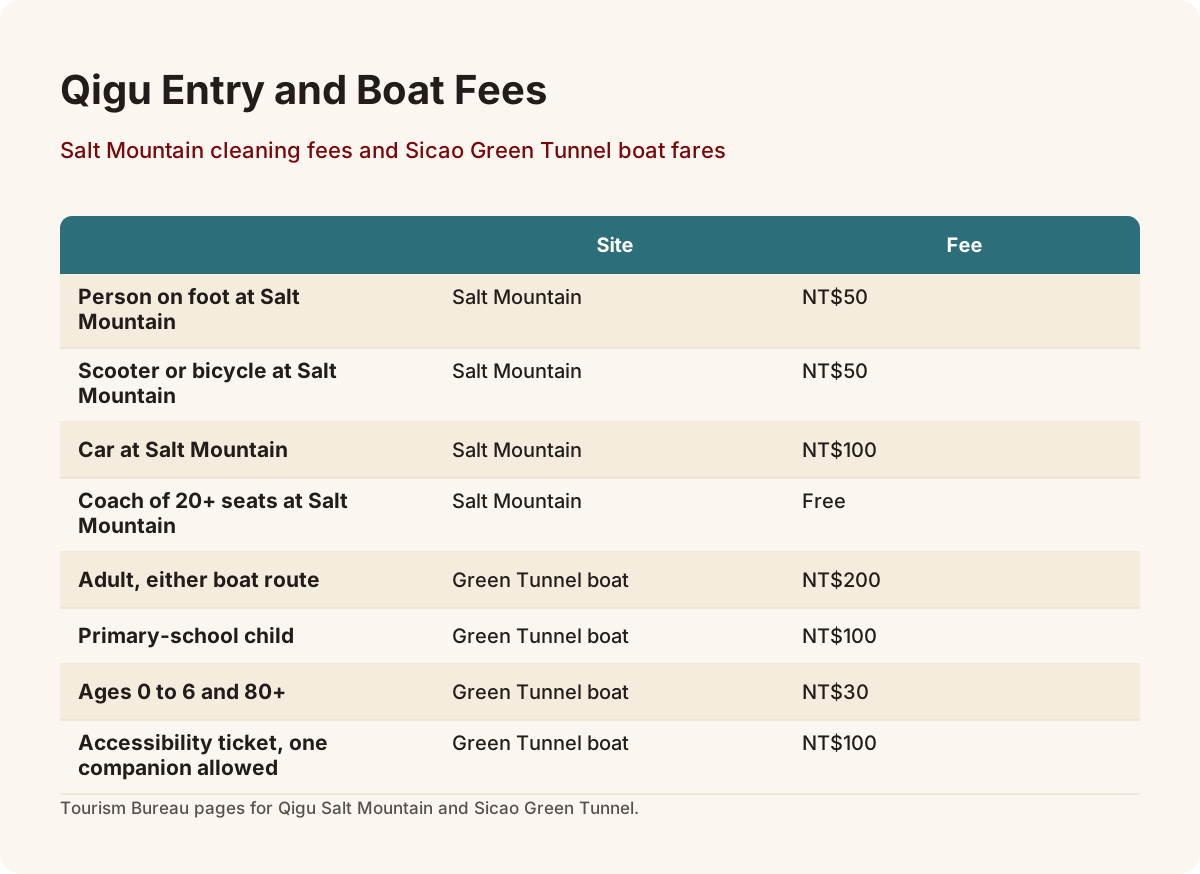
Qigu Salt Mountain charges a NT$50 cleaning fee per person arriving on foot, or per scooter or bicycle, and NT$100 per car, with coaches of 20 or more seats admitted free. It is open 09:00 to 18:00 daily, with no closed days listed on the city's page. These are cleaning fees for the site rather than a conventional admission ticket, and the city's own disclaimer says the on-site notice governs.
The Tourism Bureau's Qigu Salt Mountain page lists those figures, and the fuller guide on this site, Qigu Salt Mountain, covers what you actually do there: climb the mound, walk the salt flats, and visit the adjacent salt museum and gift shop. The mound itself is exactly what it sounds like, a heap of industrial salt several storeys high, and the city markets it as a photo stop and viewpoint rather than a historic site.
| Vehicle or arrival type | Fee at the gate |
|---|---|
| Person on foot | NT$50 |
| Scooter or bicycle | NT$50 |
| Car | NT$100 |
| Coach of 20+ seats | Free |
The fee structure means a family arriving in one car pays 100 total, not 50 per head, which makes Salt Mountain one of the cheaper big stops on the coast. The extra activities on site, the little train and the do-it-yourself salt workshops, are charged separately and their prices are not on the city page, so check at the counter.
What Does the Sicao Green Tunnel Boat Cost?
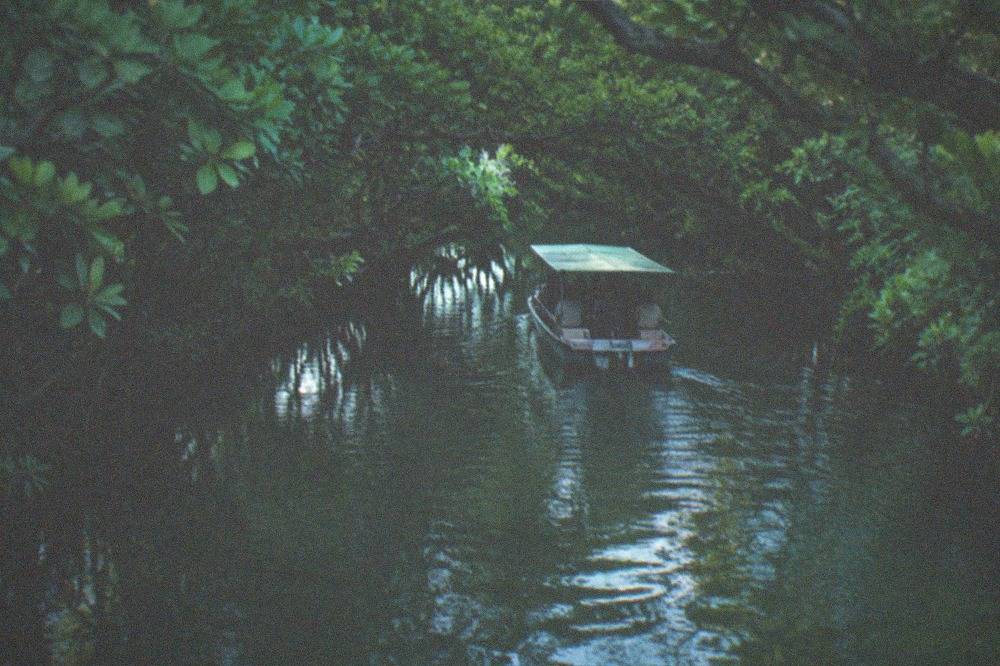
The Sicao Green Tunnel boat ride is NT$200 full fare, NT$100 for primary-school children, NT$30 for ages 0 to 6 and visitors 80 and over, and NT$100 for an accessibility ticket whose holder may bring one companion. Boats run 08:00 to 16:00 daily. The Green Tunnel route and the longer Taijiang route both cost NT$200: neither is cheaper, and any source saying otherwise has misread the fare sheet.
Those fares come from the Tourism Bureau's own Sicao Green Tunnel page, and the Sicao Green Tunnel guide on this site explains the two routes. The Green Tunnel is the short one: a roughly 30-minute round trip through a mangrove canopy so dense the boat travels in near shade, which is where the name comes from. The Taijiang route crosses open water and takes in more of the estuary. Both depart from the same area near the Sicao Dazhong Temple, and boats leave when roughly 30 passengers have gathered or after a wait, so off-peak departures can be slower.
| Ticket type | Fare |
|---|---|
| Adult, either route | NT$200 |
| Primary-school child | NT$100 |
| Ages 0 to 6 and 80+ | NT$30 |
| Accessibility ticket, one companion allowed | NT$100 |
If you would rather not organize the boat yourself, the boat-ride product below covers the Green Tunnel with a booked time slot.
The mangroves are the reason the tunnel exists. The waterway is part of the Taijiang ecosystem, and the same wetlands that make the boat ride scenic are what bring the spoonbills each winter, which is the next section.
When Can You See Black-Faced Spoonbills in Qigu?
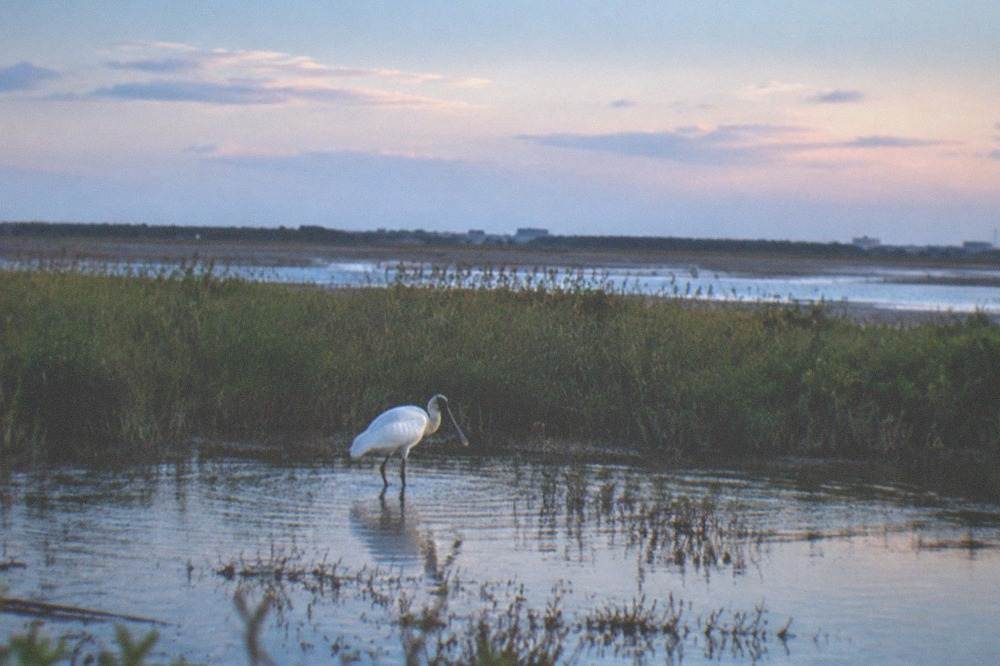
Black-faced spoonbills arrive at the Qigu wetlands and the Zengwen River estuary around September or October and stay through the winter, departing by March to May, so the core viewing season runs late autumn to early spring. The Tourism Administration's nature pages describe the area as a principal wintering site for the species. No source in this site's research files states a bird count or guarantees a sighting, and neither does this page.
What the verified sources support is the timing and the place. The Qigu wetlands and the estuary sit inside the broader Taijiang coastal ecosystem, and the black-faced spoonbill reserve guide on this site covers where to look and how to behave when you get there. The species is a large white wading bird with, as the name says, a black face and a spoon-shaped bill, and it is one of the world's rarer ibis species, which is why the wintering grounds are protected.
The timing lines up with Tainan's climate in a way that is worth planning around. The Central Weather Administration's 1991 to 2020 normals for Tainan show October as the driest month by wet days, 2.8, while still averaging 30.8C maxima, and November brings only 23.8 mm of rain. The bird season and the comfortable season are the same season, which is the single luckiest piece of timing on Taiwan's coast.
Where Do You Eat in Qigu?
Qigu's food is lagoon food: oysters harvested from the racks standing in the water just offshore, plus the milkfish, shrimp and clam dishes that Tainan's coastal kitchen is built on. The district's seafood festival, the Qigu Seafood Festival, runs July to August according to the city's official festival calendar, which is the season the oyster farms and the visitor boats are busiest. No official price list for any dish exists, and this site does not print invented ones.
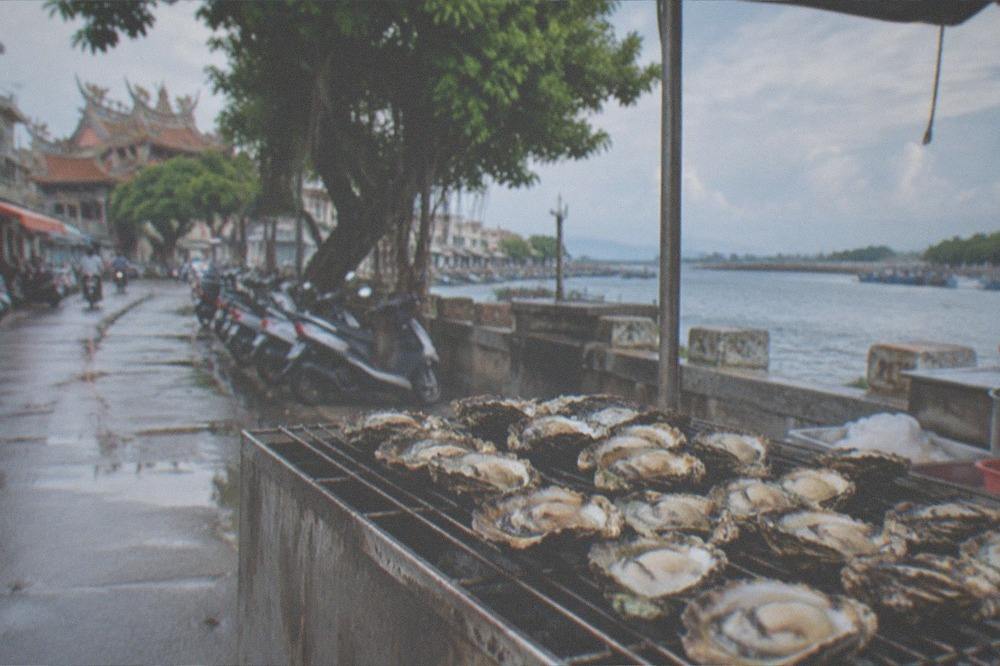
The oyster industry is the one to understand. The racks you see from every viewpoint and every boat are a real fishery, and the grilled and fried oysters served along the coast are often the same day's harvest. The Tourism Bureau's Qigu Lagoon page describes the lagoon as a working aquaculture area as well as a scenic one. The Tainan food guide covers the dishes themselves, from milkfish soup to the old city's famous beef breakfasts.
One bookable option bundles the eating with the sightseeing: an ecological tour of the lagoon flats followed by an hour of all-you-can-eat oysters, which is the product this page's booking links point to most often. It is a reasonable answer to the district's main logistical problem, that the flats, the boats and the seafood restaurants are spread along a coast without a walkable centre.
How Do You Get to Qigu District?
Qigu has no rail line: you arrive by city bus, by car, by scooter or on a booked tour, and the drive from the old city takes roughly an hour each way. The city's bus network reaches the district on its coastal routes, and the first 8 km of any trunk or branch bus journey is free in 2026 with an electronic card, tap on and tap off, with the cash fare for the same trip at NT$26. Most visitors who are not on a tour come by car.
The bus detail is verified on the city's own ticketing page, and the getting around Tainan guide explains the card system, including the tap-off step that visitors miss. The coastal routes are listed in the site's bus guide. If you are staying near the HSR station at Shalun, note that the station is in Guiren District, well outside the old city, and reaching Qigu from it means crossing the whole urban area first, so budget the transfer time.
Scooter rental comes with a legal caveat this site does not soften. Taiwan treats an International Driving Permit as something you register at a Motor Vehicles Office, not something that is automatically valid on arrival, and rental shops may refuse without that registration. The Tainan scooter rental guide sets out what is verified and what is not, and links the official page. Do not plan a coastal scooter day on the assumption that an IDP alone is enough.
When Is the Best Time to Visit Qigu?
October to March is the best window: the Central Weather Administration's normals show Tainan's rain is almost entirely a summer event, with August bringing 466 mm across 16 wet days against December's 16 mm, and October recording the fewest wet days of any month, 2.8, while still averaging 30.8C maxima. The same window is spoonbill season, so the birds and the weather peak together. Summer brings heat, typhoon risk and the seafood festival instead.
The climate table below is the planning tool. Typhoon risk on Taiwan's coast concentrates in the late summer months, and this site does not print frequency statistics because none were verified, but the rainfall column shows the same shape on its own. When a typhoon day is declared, it is declared by the city government, and coastal sites and boats suspend operations until it is lifted.
| Month | Mean max C | Rain mm | Rain days |
|---|---|---|---|
| Jan | 23.0 | 20.7 | 3.8 |
| Feb | 24.0 | 21.6 | 4.1 |
| Mar | 26.6 | 30.4 | 4.2 |
| Apr | 29.3 | 69.8 | 5.9 |
| May | 31.4 | 165.6 | 9.0 |
| Jun | 32.4 | 370.5 | 12.1 |
| Jul | 33.0 | 374.6 | 13.0 |
| Aug | 32.6 | 466.1 | 15.8 |
| Sep | 32.4 | 170.5 | 8.5 |
| Oct | 30.8 | 30.8 | 2.8 |
| Nov | 28.1 | 23.8 | 2.4 |
| Dec | 24.4 | 16.2 | 3.0 |
The city's own festival calendar adds a seasonal layer: the Qigu Seafood Festival runs July to August, and the Taiwan Mango Season falls in June to July further inland. If food is the reason for the trip, summer has its own case, but bring sun protection and check the forecast before driving the coast.
Can You Visit Qigu on a Day Trip from Tainan?
Yes, and that is how almost everyone does it: Qigu works as a half-day or full-day loop from the old city, pairing Salt Mountain and the salt fields with the Sicao boats and a seafood lunch, or pairing it with Beimen District up the coast. The verified visitor counts show the salt recreation area drawing 690,750 people in 2023 and the tile-paved salt fields 636,193, most of them on exactly that kind of day trip.
Public transport exists but is thin, so most visitors drive or book a tour.
Two itineraries on this site already do the routing work. The Qigu salt flats day trip is the dedicated plan, and the Beimen day trip guide extends the day up the coast to the old salt village and the Crystal Church. If you would rather have someone else handle the coastal driving, the guided options below cover the district with transport included.
A private day tour that strings Qigu together with the old city's historic sites is the other common pattern, and it suits visitors with only one or two days in Tainan who want both halves of the city in a single booked day.
Common Questions About Qigu District
How much does Qigu Salt Mountain cost?
NT$50 per person on foot, or per scooter or bicycle, and NT$100 per car, with coaches of 20 or more seats free. It is a cleaning fee rather than a ticket, open 09:00 to 18:00 daily, and the on-site notice governs.
How much is the Sicao Green Tunnel boat?
NT$200 full fare, NT$100 for primary-school children, NT$30 for ages 0 to 6 and visitors 80 and over, and NT$100 for an accessibility ticket with one companion allowed. The Green Tunnel and the longer Taijiang route cost the same.
When can you see black-faced spoonbills in Qigu?
Around September or October through to March to May, with the core winter months the best window. The wetlands and the Zengwen River estuary are the places to look, and no source guarantees a sighting.
Can you get to Qigu by public transport?
City buses reach the district on coastal routes, and the first 8 km of a trunk or branch journey is free in 2026 with an electronic card, tap on and tap off, cash fare NT$26. There is no rail line, so most visitors drive or take a tour.
What is Qigu famous for?
Salt and the sea: Qigu Salt Mountain, the Jingzijiao Tile-Paved Salt Fields, the Sicao mangrove boat rides, the lagoon oyster farms and the wintering black-faced spoonbills.
Is Qigu worth visiting?
For the coast, yes: it is the part of Tainan that looks nothing like the temple city, and the verified visitor counts, 690,750 for the salt recreation area in 2023, put it among the city's bigger draws. Give it half a day minimum.
The honest summary of Qigu District is that it is two trips in one place. The salt half, the mountain and the tile-paved fields, is industrial history turned into a day out, cheap at the gate and easy to reach by car. The wetland half, the mangrove tunnel, the lagoon and the spoonbills, is a functioning ecosystem that happens to be visitable, and it is at its best in exactly the months the weather table says are Tainan's most comfortable. Do both in one day if you have a car, pick one and book a tour if you do not, and check the city's own pages before you go, because hours and days on the coast change with the season.