Guanziling
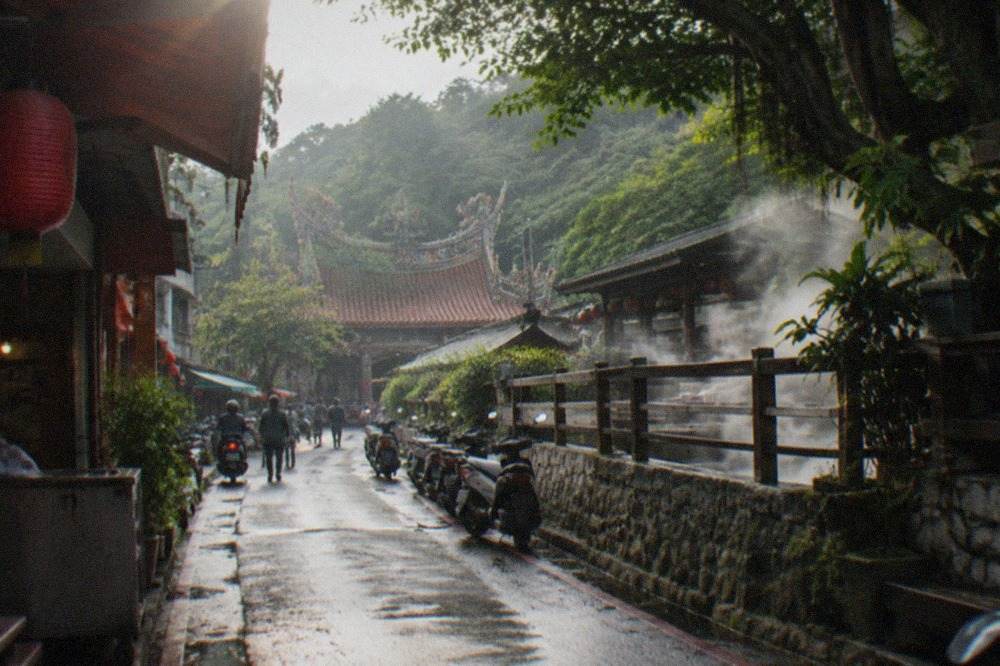
Guanziling is Tainan's famous hot spring area in the hills of Baihe District, an hour or so from the old city, where the autumn Hot Spring and Food Festival runs from September to November.
Short answer
Guanziling is a hot spring resort area in the hills of Baihe District, northern Tainan, known across Taiwan for its mineral mud springs. The city's own festival calendar puts the Guanziling Hot Spring and Food Festival there every year from September to November, and the area drew just over a million visitors in 2023.
Guanziling sits in the folded hills of Baihe District at Tainan's northern edge, and it is the city's one true hot spring resort. The name is one word, romanised exactly that way on the city's own pages, and it belongs to a cluster of hotels, bathhouses and walking trails rather than a single attraction. The Tainan City Government Tourism Bureau's festival calendar lists Guanziling every year, and its Hot Spring and Food Festival runs from September to November, which tells you something useful: autumn is when the area shows itself off. This page sets out what is verified about the springs, the season, the journey and the surrounding district, without pretending anyone writing it has soaked in the water.
The honest framing first. Guanziling is not in the old city. It is a mountain settlement, and reaching it means leaving the temples and night markets behind for a day. That distance is part of the point: the springs exist because of the geology of these hills, and the trip out is the trade you make for the water. Most of what a visitor needs to decide is timing, transport and how much of the surrounding Baihe countryside to fold into the same day.
Where Is Guanziling and What Kind of Place Is It?
Guanziling is a hot spring resort area in Baihe District, in the northern hills of Tainan, well outside the old city and the Anping coast. It is a small mountain town built around its springs, with hotels, bathhouses and trailheads rather than temples and museums, and the city treats it as one of its named areas. The Guanziling Hot Spring attraction page covers the springs themselves in detail.
As a district-level destination it pairs naturally with the reservoir country around Wushantou and the lotus fields of Baihe.
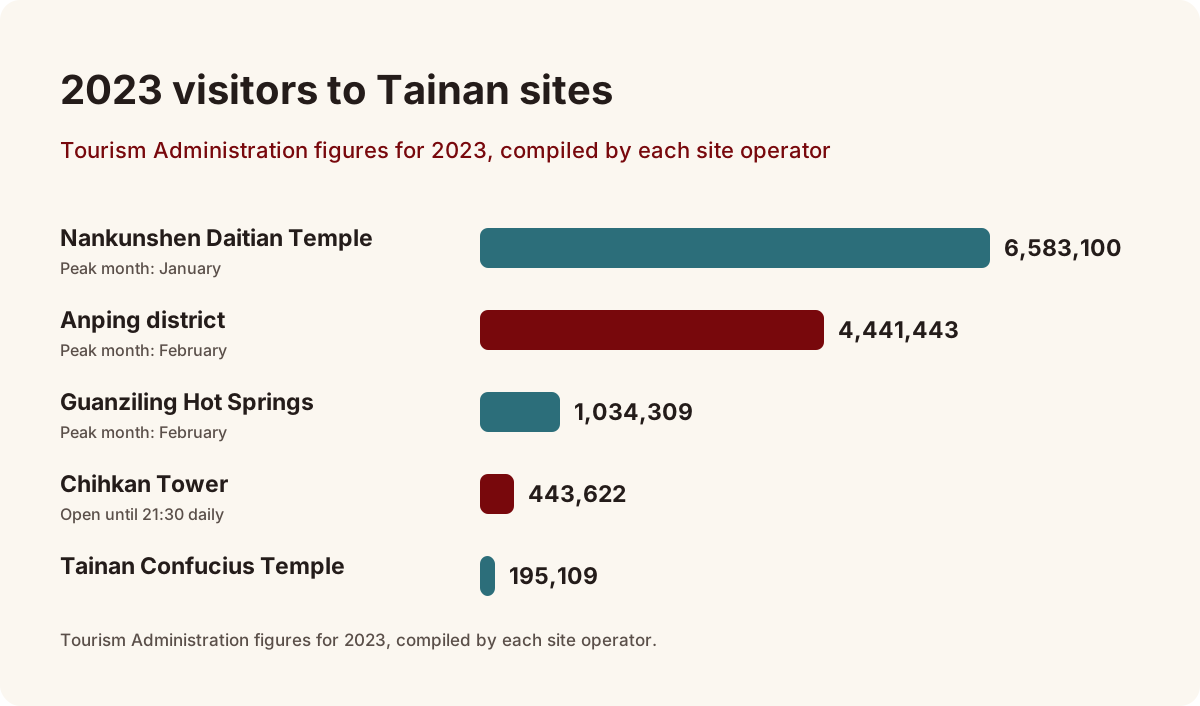
Baihe District, which contains Guanziling, is one of Tainan's 37 districts, and it is agricultural country: lotus in summer, mango orchards a little further south around Yujing, and the reservoirs that irrigate the plain. The resort area occupies a valley where the springs emerge, and the town wraps around that valley in a compact, walkable way. The Tourism Bureau's own dataset recorded 1,034,309 visitors to the Guanziling Hot Springs in 2023, with February the peak month, which is a striking fact and worth pausing on.
That February peak is not a typo or an anomaly. It matches the wider Tainan pattern, where January and February are the busiest months across the city because of Lunar New Year and temple pilgrimage, and it matches the climate: winter is Tainan's dry, comfortable season. A hot spring town peaking in the cool, dry months is exactly what the rainfall table predicts. The Central Weather Administration's 1991 to 2020 normals for Tainan show December bringing 16 mm of rain across three wet days, against August's 466 mm across sixteen.
What Makes the Guanziling Hot Springs Different from Other Taiwan Springs?
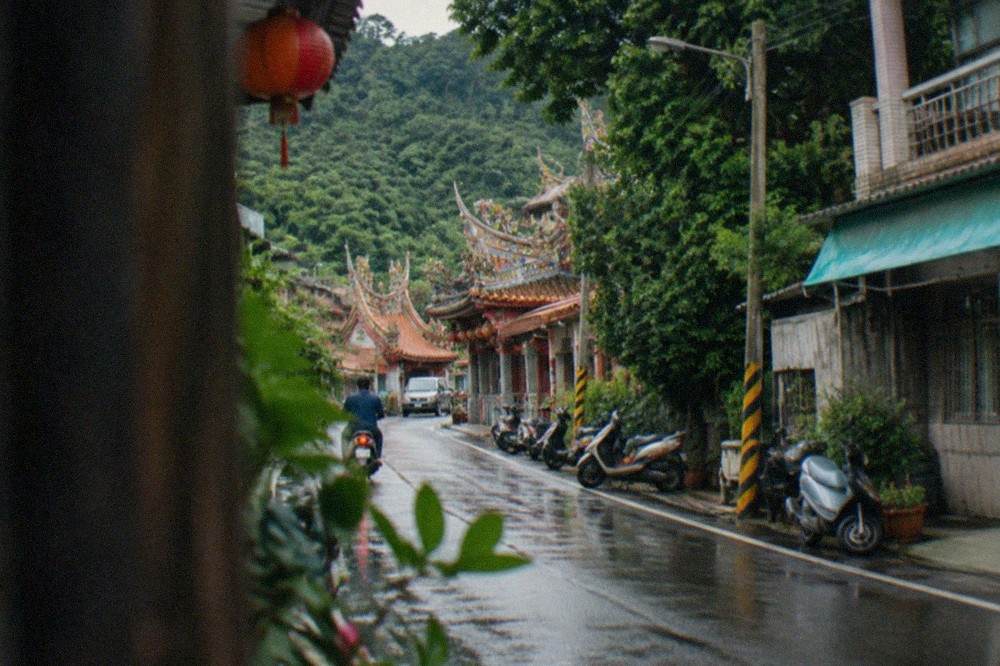
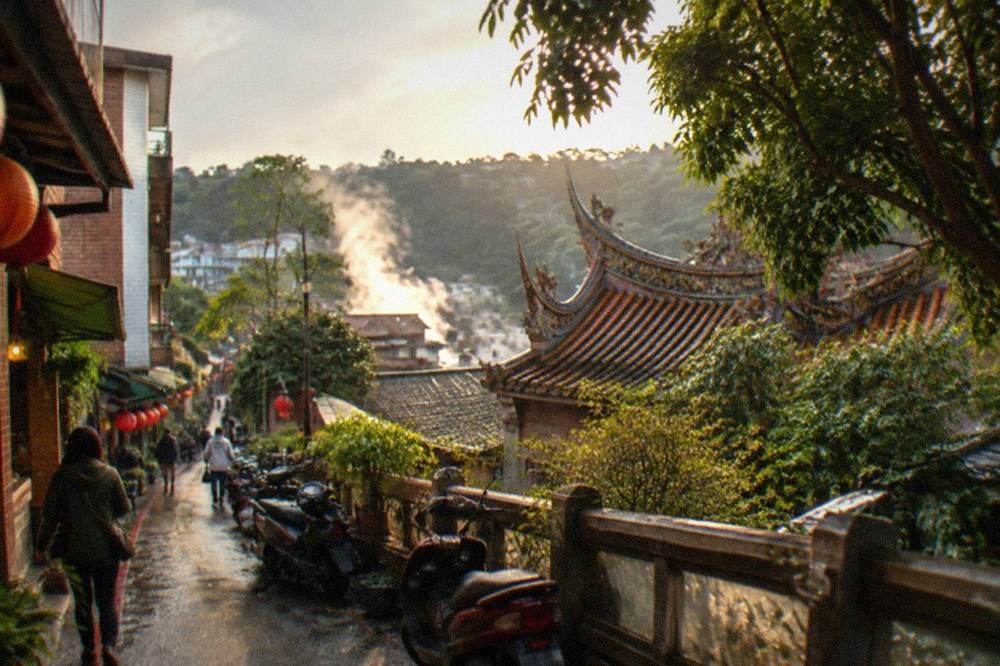
Guanziling is known across Taiwan for its mineral mud springs, a rare type of hot spring on the island, and the entire resort area is built around bathing in and near that water. The springs sit in the Baihe hills, and the town's hotels and bathhouses exist because of them. The city's own festival calendar gives the area its own annual event, the Guanziling Hot Spring and Food Festival, running September to November, which is the local high season for food as much as for soaking.
The mud spring is the claim to fame, and it is the reason the area carries a national reputation out of proportion to its size. Rather than paraphrase what the water is said to do, this page points you to the source: the Tainan City Government Tourism Bureau's festival calendar lists the Hot Spring and Food Festival among its 22 official city events, alongside the Yanshui Beehive Fireworks in February and the mango season in June and July. An area that the city programs with its own three-month festival is an area the city is actively promoting, and that is worth knowing when you plan.
What the festival means in practice is food stalls, hot spring hotels running seasonal menus, and the walking trails at their most pleasant, because September to November sits inside Tainan's dry half of the year. The rainfall table backs this up: October averages just 30.8 mm of rain across 2.8 wet days, the lowest wet-day count of any month, while still averaging 30.8C maxima. Anyone planning around the festival should still check opening arrangements directly with their hotel or bathhouse, because the festival program is published event by event each year.
If the springs are the reason to go but the planning feels heavy, a booked day tour is one way to see the area without arranging a car or a bus timetable. These are the tours that cover this part of Tainan:
The first of those is the one this site would point at for Guanziling specifically, because it pairs the old capital's sights with the reservoir country that sits next door to the springs. The two-day and day-trip options suit travelers building a wider southern Taiwan route instead.
When Is the Best Time of Year to Visit Guanziling?
The best time to visit Guanziling is October to March, Tainan's dry half of the year, with the September to November Hot Spring and Food Festival the area's own advertised season and February its single busiest month. Cool, dry weather is what a hot spring town wants, and the verified climate numbers show exactly that window: December brings 16 mm of rain, October fewer wet days than any other month, and winter temperatures that make hot water appealing rather than oppressive.
The table below is drawn from the Central Weather Administration's published 1991 to 2020 climate normals for Tainan station, and it shows the shape of the year. Rain is almost entirely a summer event in this city: nearly three-quarters of the annual 1,761 mm falls between May and September, and August alone accounts for 466 mm.
| Month | Mean max (C) | Rain (mm) | Wet days |
|---|---|---|---|
| January | 23.0 | 20.7 | 3.8 |
| February | 24.0 | 21.6 | 4.1 |
| March | 26.6 | 30.4 | 4.2 |
| April | 29.3 | 69.8 | 5.9 |
| May | 31.4 | 165.6 | 9.0 |
| June | 32.4 | 370.5 | 12.1 |
| July | 33.0 | 374.6 | 13.0 |
| August | 32.6 | 466.1 | 15.8 |
| September | 32.4 | 170.5 | 8.5 |
| October | 30.8 | 30.8 | 2.8 |
| November | 28.1 | 23.8 | 2.4 |
| December | 24.4 | 16.2 | 3.0 |
Source: the Central Weather Administration's monthly climate normals for station 467410 Tainan, 1991 to 2020.
Two readings of that table matter for Guanziling. Summer soaking is possible but wet: June through August brings more than a third of a metre of rain per month, and typhoon risk concentrates in the late-summer months, July to September. Winter and early spring are dry and warm by temperate standards, with January maxima averaging 23C, which is exactly the weather in which a hot spring is at its best.
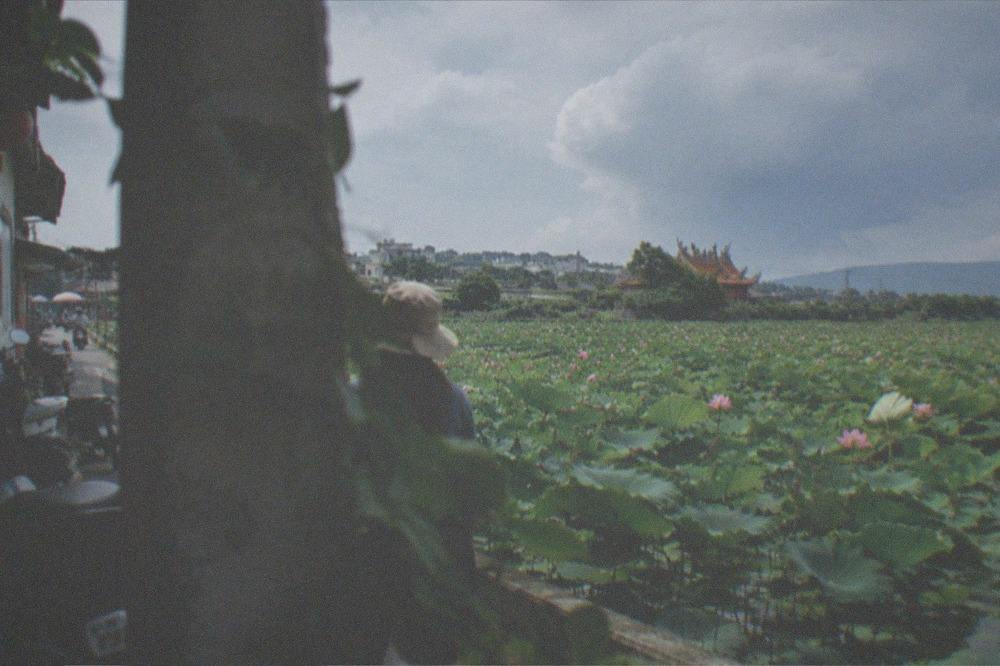
There is a second, less obvious season argument. Baihe's lotus fields bloom mainly June to August, with a lotus festival in recent years running late May into July, so a summer trip pairs the springs with the lotus country at the cost of the rain. A trip in the festival months pairs the springs with the food events and the driest walking weather. Neither is wrong; they are different trips.
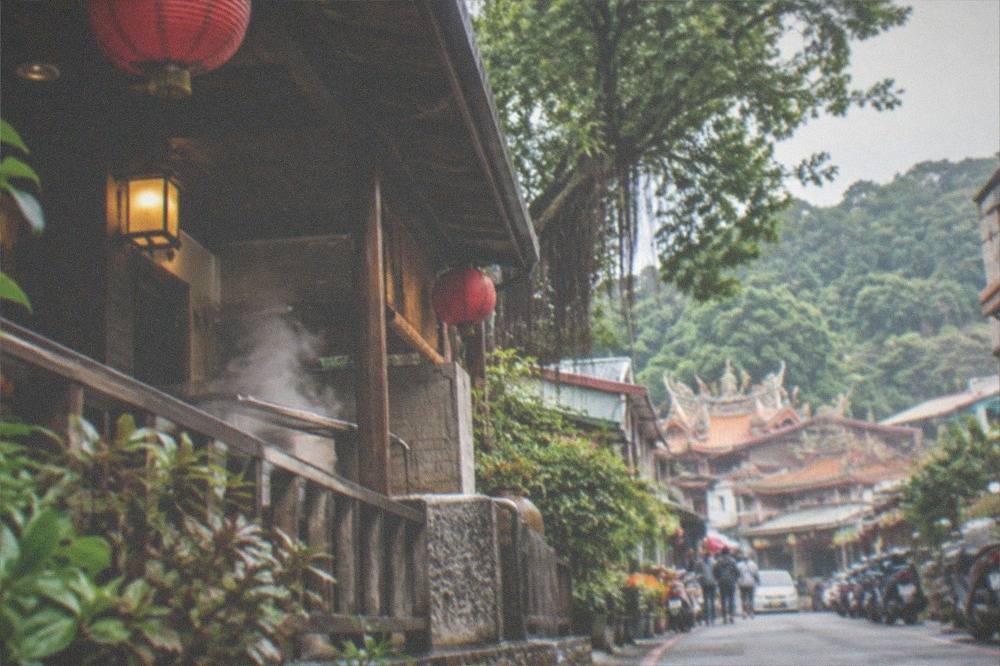
If a self-planned trip around bus timetables and bathhouse opening hours sounds like work, the reservoir and old-capital day tour handles the route in one booked day:
How Do You Get to Guanziling from Tainan City?
Guanziling is reached by road from the Tainan urban area, a journey into the Baihe hills that no rail line serves directly; there is no train station at the springs, so the practical options are a bus, a rented car, a taxi or a booked tour.
No verified public journey time or fare for the specific Tainan-to-Guanziling run can be printed here, because none was confirmed on an official source, so the honest instruction is to check the city's bus information site or your hotel for the current schedule before committing to public transport.
What can be said is structural and verified. Tainan's High Speed Rail station is not in the old city at all: it sits at Shalun in Guiren District, and the Shalun area guide covers that transfer in detail. Arriving by HSR and heading straight for the springs means a long road leg from the wrong side of the city, so most spring-bound travelers sleep in the old city first, around West Central District or Anping, and make Guanziling a day trip or an overnight.
For a self-drive day, the practical shape is simple: out through the northern districts toward Baihe, the springs in the middle of the day, and the reservoir or lotus country around them. The Guanziling Hot Springs day-trip page lays out a full route with stops. For anyone without a car, the booked-tour route removes the timetable question entirely, and the reservoir and old-capital tour is built around exactly this kind of day.
One caution that applies to scooter plans anywhere in Taiwan: an International Driving Permit is not automatically sufficient. Taiwan expects an IDP to be registered at a Motor Vehicles Office, and rental shops may refuse without that registration. Do not assume a permit alone unlocks a scooter for the mountain roads, and do not assume it cannot; check the official Motor Vehicles Office page before planning around one.
What Else Is There to Do Around Guanziling?
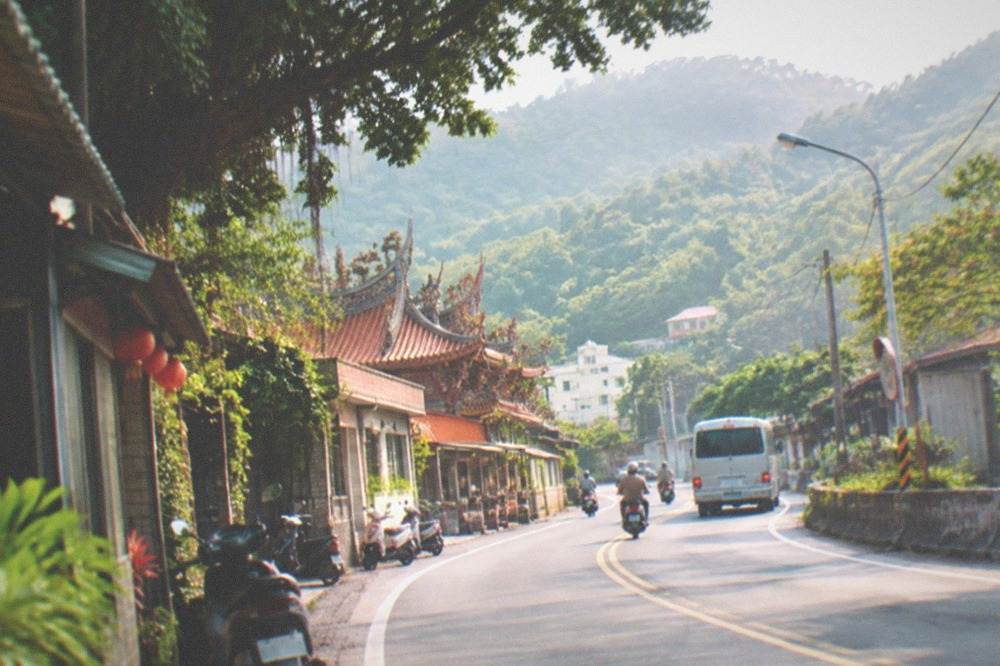
The country around Guanziling is Baihe and reservoir territory: the lotus fields of Baihe bloom June to August, the Wushantou reservoir area sits on the same northern loop, and the city's visitor data shows the springs drew just over a million people in 2023. That makes the surrounding district a destination in its own right, not just a drive-through on the way to a bath. The lotus season and the hot spring festival are the two anchors of the local year, and they sit at opposite ends of it.
The visitor numbers deserve their own table, because they tell you when the crowds actually come. These are Tourism Administration figures for 2023, compiled by each site operator, so a hot spring resort and an open old street are not counted the same way, and the 2020 to 2022 years sit inside the COVID period. Read them as scale, not as a precise headcount.
| Site | 2023 visitors | Peak month |
|---|---|---|
| Guanziling Hot Springs | 1,034,309 | February |
| Nankunshen Daitian Temple | 6,583,100 | January |
| Anping district | 4,441,443 | February |
| Chihkan Tower | 443,622 | not stated in extract |
| Tainan Confucius Temple | 195,109 | not stated in extract |
The comparison is the insight: Guanziling out-draws Chihkan Tower, the most famous Dutch-era site in the city, by more than two to one, and its peak month is February, when the city as a whole is at its busiest for Lunar New Year. A hot spring visit in February means festival-season energy and crowds; the same visit in November or December means quieter paths and the same water.
Beyond the springs themselves, the northern loop takes in the lotus fields when they bloom and the reservoir landscapes that the day tours run through. The Qigu area, with its salt mountain and lagoon, is a different day out to the west, and the Yujing mango country sits south of Baihe with its own June to July season. Travelers with more than one day in the region often chain Guanziling into a wider northern Tainan route.
Where Should You Stay in Guanziling?
Guanziling is an overnight destination built around hot spring hotels and bathhouses, and the choice is between staying in the resort area itself for evening and morning soaks, or basing in the Tainan old city and visiting the springs as a day trip. No verified room rates can be printed here, because hotel pricing belongs to live listings rather than to a published official source, so treat any figure you see as a snapshot and book against the operator's live listing.
The case for staying up in the hills is the rhythm of the place. A hot spring resort in the evening, after the day-trippers have gone down the mountain, is a different experience from the same resort at noon, and the festival months put seasonal food in the hotels. The case for basing in the city is everything else Tainan offers: the night markets rotate by day of the week, with Garden open Thursday to Sunday and Friday the one night all three big outdoor markets run, and the old city's temples and Dutch-era sites fill the days. The Tainan Travel Guide homepage maps the full picture.
A middle path is the two-night split: one or two nights in the old city, one night at the springs. The city's own event calendar gives the springs a three-month festival, and the old city gives you Chihkan Tower open until 21:30 daily, one of the few historic sites a visitor can see after dinner. That late closing is verified from the Tourism Bureau's own page and is unusual enough to plan around.
How Many Days Should You Spend in Guanziling?
One day is enough for the springs and a walk, two days lets you add the reservoir country and the lotus season or the festival food properly, and anything longer is really a wider northern Tainan trip with Guanziling as one stop. The springs are a morning-to-evening pleasure, not a week-long one, and the surrounding district is what fills a second day. The answer scales with whether you have a car.
For a one-day visit, the shape is: arrive late morning, soak or bathe, eat in the resort area, walk one of the valley trails in the cool of the afternoon, and head back down before dark if you are driving mountain roads. For two days, add the reservoir loop and, in season, the lotus fields, or time the visit to the September to November festival and let the event program fill the evening. The two days in Tainan itinerary shows how a springs day slots into a city break.
Travelers coming from farther afield, Kaohsiung or even Taipei, should treat Guanziling as part of a southern Taiwan route rather than a standalone target. The two-day Alishan and Tainan tour in the picks above exists precisely because the springs and the old city sit on a natural line through the island's south, and the multi-day options pair Tainan with Kaohsiung and Kenting on the same booked trip.
What Does a Trip to Guanziling Cost?
The only costs that can be stated with a source are the city-side ones: Tainan's city buses are free for the first 8 km with an electronic card (tap on and tap off, a 26 cash fare otherwise, a policy running through the 2026 calendar year), and admission at the old city's ticketed sites runs NT$70 to NT$200 at the gate.
No verified price list exists for Guanziling's bathhouses, hotels or meals, and none will be invented here; the springs are private businesses and their prices live on their own listings.
What the verified numbers do allow is a planning table for the parts of the trip that touch public prices and the city's sites:
| Item | Verified price | Note |
|---|---|---|
| City bus, first 8 km | free with Citizen Card, iPASS, EasyCard or iCash 2.0 | tap on AND tap off; 26 in cash |
| H31 HSR shuttle bus | free with an HSR ticket stub | otherwise 18 one section, 36 two |
| Chihkan Tower | NT$70 at the gate | open 08:30 to 21:30 daily |
| Chimei Museum permanent collection | NT$200 | closed Wednesdays |
| Tainan Art Museum | NT$80 | closed Mondays, Saturdays to 21:00 |
| Guanziling bathhouses and hotels | no verified price list | check the operator's live listing |
The pattern to take away: getting around Tainan itself is close to free with the right card, the big city museums are modestly priced, and the springs are the one part of the trip where the price is set by private hotels and bathhouses rather than by anything this site can source. Budget the springs day from the live listings, not from a guidebook number.
For travelers who prefer the planning done, the tour options below cover Guanziling's part of the world and the routes that connect it to the rest of southern Taiwan:
Common Questions About Guanziling
Where is Guanziling?
Guanziling is a hot spring resort area in Baihe District, in the northern hills of Tainan, well outside the old city. There is no rail station at the springs, so the journey is by road: bus, car, taxi or a booked tour.
What is Guanziling famous for?
Guanziling is famous across Taiwan for its mineral mud hot springs, a rare spring type on the island. The Tainan City Government Tourism Bureau's festival calendar gives the area its own Hot Spring and Food Festival each year, running September to November.
When is the best time to visit Guanziling?
October to March, Tainan's dry half of the year, is the best window, with the September to November festival the area's own advertised season. February is the busiest month, matching the city-wide Lunar New Year peak.
Can you visit Guanziling as a day trip from Tainan city?
Yes. The springs are a road journey from the old city, and a day trip is the most common pattern: arrive late morning, bathe, eat, walk a trail, and return by evening. Overnight stays suit the festival months and travelers who want evening soaks.
Is Guanziling busy?
The springs drew 1,034,309 visitors in 2023 per the Tourism Administration's dataset, peaking in February. Festival weekends and Lunar New Year are the crowded periods; November and December are quieter with the same dry weather.
What else is near Guanziling?
Baihe's lotus fields, which bloom mainly June to August, the Wushantou reservoir area, and the mango country around Yujing with its June to July season. Qigu's salt mountain and lagoon sit to the west as a separate day out.
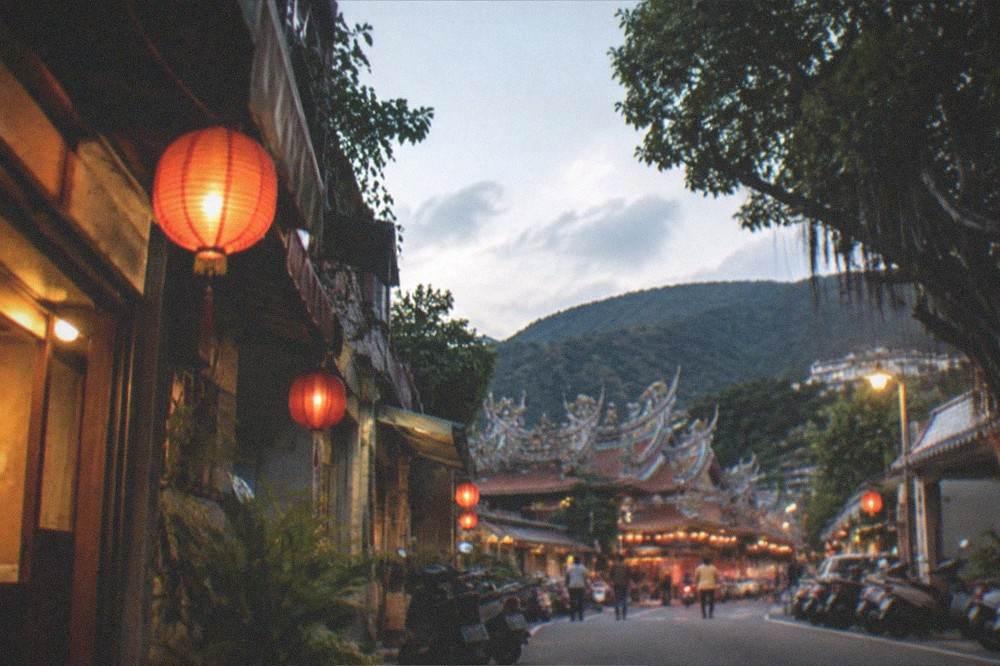
Guanziling rewards a trip planned around two calendars: the water is there all year, but the dry October-to-March window, the September-to-November festival and the February peak are what shape the experience. Pick the season that matches what you want from a spring town, check the bus or hotel arrangements against the current schedules rather than any static number, and give the springs at least one unhurried afternoon. The rest of the northern loop, lotus country in summer and reservoir roads year-round, is the reason to consider a second day.