West Central District
West Central District is the old heart of Tainan, the quarter where Fort Provintia's successor Chihkan Tower stands, where the city's oldest temples crowd together, and where the food streets and night markets that made Tainan famous all sit within walking distance of one another.
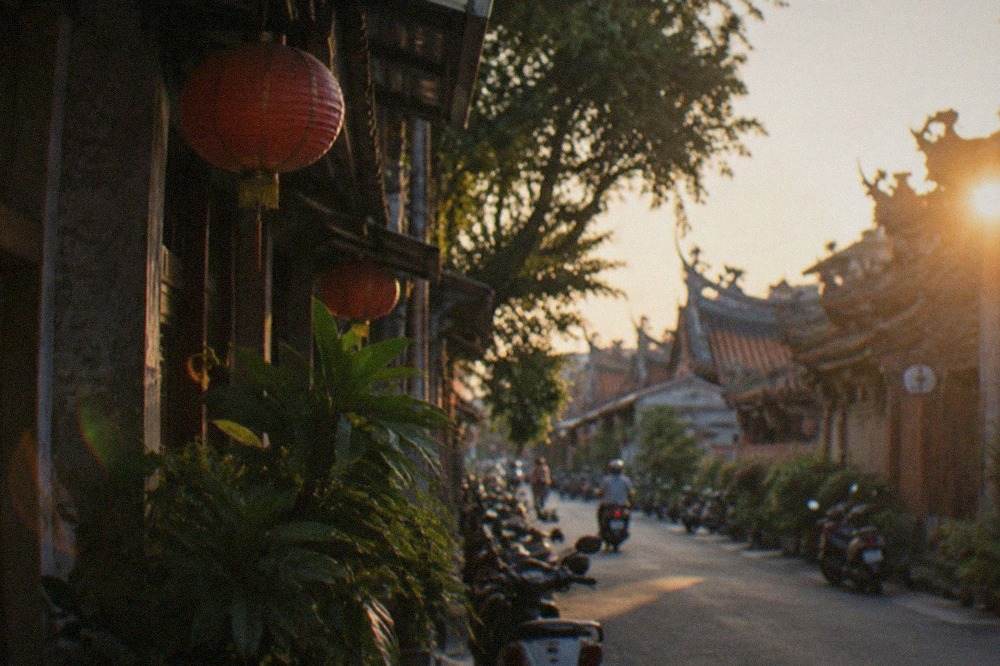
Short answer
West Central District is Tainan's historic core, home to Chihkan Tower, the Confucius Temple, Grand Matsu Temple, Shennong Street and the Guohua Street food scene, plus the Wusheng and Siaobei night markets. Most of it is walkable, and several of its best temples cost nothing to enter.
West Central District is where Tainan keeps its oldest layers. The Dutch built Fort Provintia here in the early 1650s, and its later Chinese-built successor, Chihkan Tower, still stands on the same spot. The Qing-era temples, the Japanese-era department store, the food lanes and the night markets that made the city's reputation are all packed into a district small enough to cross on foot in half an hour. This guide sets out what is here, what it costs, when it opens and how the pieces fit together.
Tainan was Taiwan's capital for more than two centuries, until the late nineteenth century, and most of that history happened inside or immediately around the boundaries of this district. The Tainan City Government Tourism Bureau's page for Chihkan Tower records the Dutch building Fort Provintia here in the early 1650s; the temples that followed under Qing rule are still open, several of them free, today. For a first-time visitor this is the district to book a hotel in, and for anyone with only one day in the city it is the district to stay inside. The rest of this page is organized around the questions a planner actually asks.
What Is West Central District?
West Central District is Tainan's historic downtown, the oldest continuously urban quarter in Taiwan, and the densest concentration of the city's temples, museums, food streets and heritage buildings. It sits between the railway station to the north and the canal to the south, covers the old walled city core, and holds Chihkan Tower, the Confucius Temple, Grand Matsu Temple, Shennong Street and the Guohua Street food scene within walking distance of each other.
The district corresponds roughly to the walled city the Qing administered, which is why the street pattern feels compressed and irregular compared with the grid of the newer districts around it. Everything that made Tainan the island's capital is here: the administrative fort, the state cult temples, the academies, the merchant streets. The Tourism Bureau's attraction pages for the district list dozens of sites within a square kilometre or two, from the Grand Matsu Temple, which was itself converted from a Ming prince's palace, to the Five Concubines Temple commemorating the concubines who died with the last Ming claimant in 1683.
Practically, the district divides into a few walkable zones. The Chihkan Tower area in the north centres on the old fort site and the museum blocks around it. The Confucius Temple quarter to the south is a calm grid of academies, banyan trees and the first academy of Taiwan. Shennong Street and the canal area to the west hold the oldest surviving shop-house street in the city, and Guohua Street is the food spine. If you are choosing where to stay, the where-to-stay question usually resolves in this district's favor for a first visit, with the East District near the station as the practical alternative.
What Are the Must-See Sights in West Central District?
The five essentials are Chihkan Tower at NT$70, open 08:30 to 21:30 daily; the free Tainan Confucius Temple, open 08:30 to 17:30; the free Grand Matsu Temple, open 06:00 to 21:00; Shennong Street, the city's best-preserved old shop-house lane; and the Hayashi Department Store, a Japanese-era building with a rooftop shrine. Most of these sit within a fifteen-minute walk of each other.
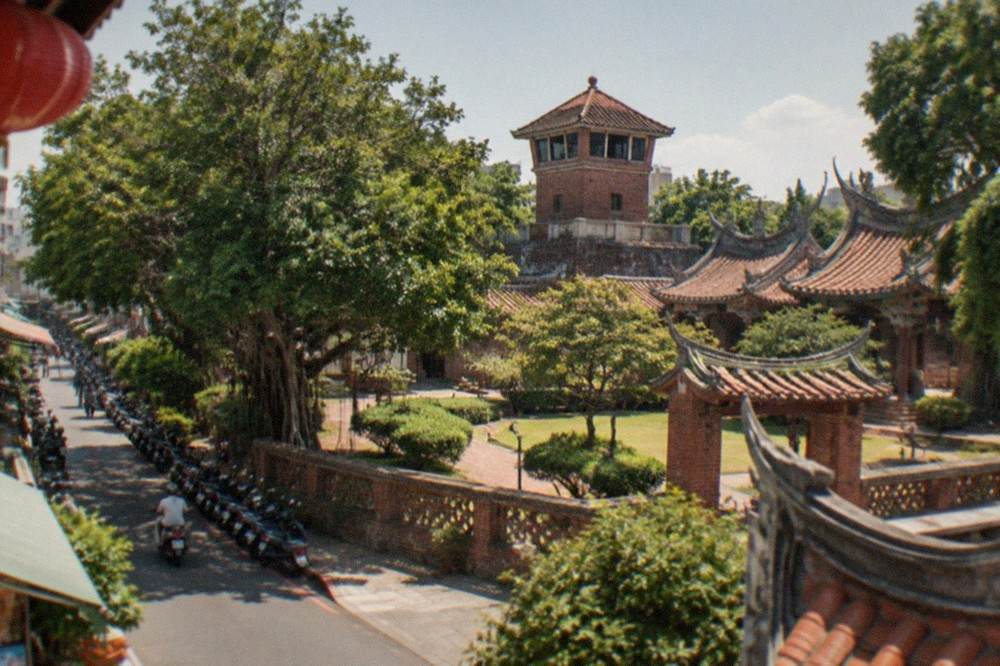
Chihkan Tower is the anchor. The Tourism Bureau's page for the site states that the Dutch built Fort Provintia here in the early 1650s, that Koxinga took it in 1662, and that the Chinese pavilions visitors photograph today were built on the fort's foundations during the Qing period. The Bureau's own page records the hours as 08:30 to 21:30 daily, which makes it one of the few historic sites in the city a visitor can see after dinner, and admission of NT$70 at the gate, with concessions at half price and Tainan residents entering free with ID. The city's own pages carry the caveat that the on-site notice governs, so treat every price here as the gate price rather than a guarantee.
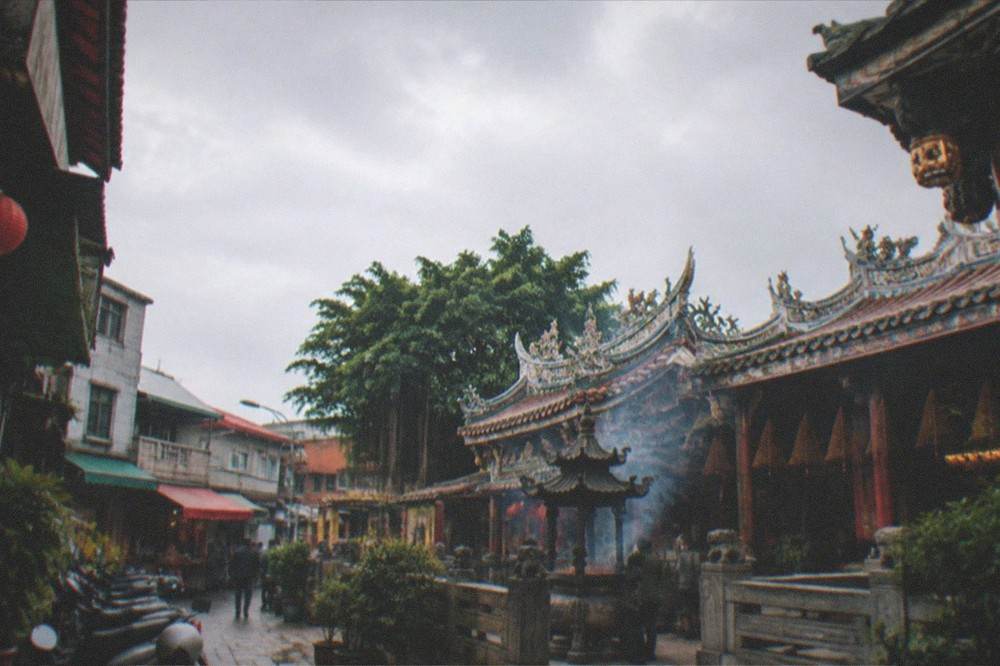
The Confucius Temple quarter is the counterpoint. The city lists no admission charge at all for the Tainan Confucius Temple, which carries the title of the first academy of Taiwan, and its hours are 08:30 to 17:30 daily except Lunar New Year's Eve. The Grand Matsu Temple, a short walk north, is likewise free and open from 06:00 to 21:00. The Five Concubines Temple and Kaiyuan Temple complete the free-entry temple set. Between them, a visitor can spend a full morning in the district's temples without paying a single fare.
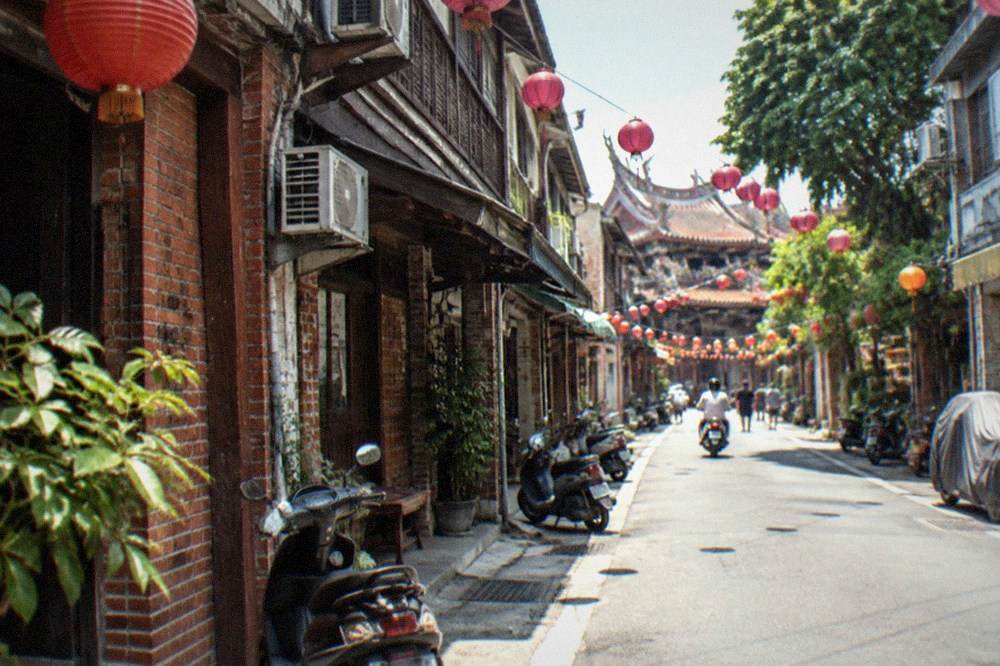
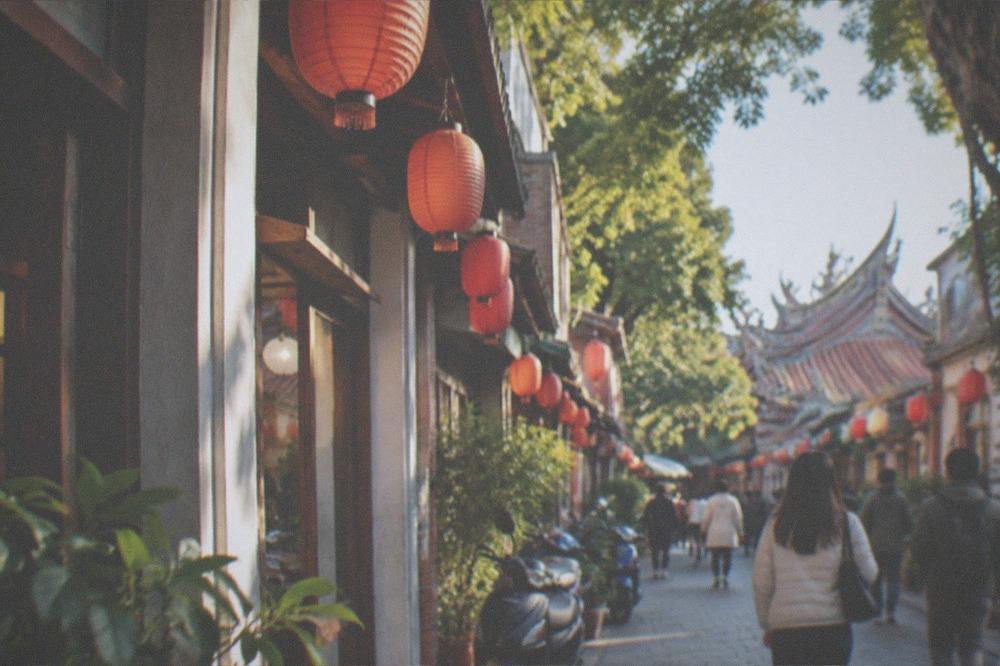
Shennong Street is the third essential. The lane's two-storey shop-houses, some with the original wooden upper floors overhanging the street, are the most complete surviving streetscape of old Tainan, and the Tourism Bureau's page for Shennong Street frames it as the city's showcase of the shop-house form. It costs nothing to walk, and the small studios and cafes that occupy the houses now keep afternoon and evening hours. The Hayashi Department Store, rebuilt after the war, preserves the original elevator shaft and a rooftop Shinto shrine, one of the few surviving in Taiwan.
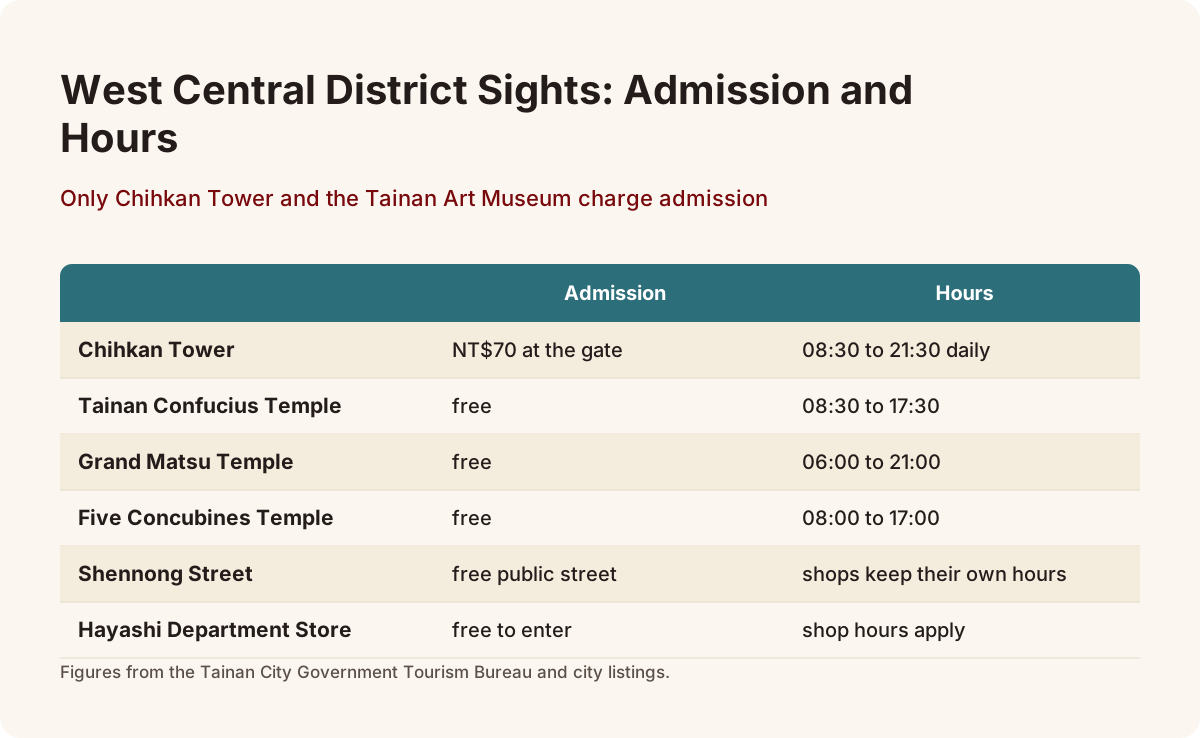
Here is the sight-seeing spine in table form, with the verified gate prices and hours:
| Sight | Admission | Hours | Closed |
|---|---|---|---|
| Chihkan Tower | NT$70 at the gate | 08:30 to 21:30 daily | none listed |
| Tainan Confucius Temple | free | 08:30 to 17:30 | Lunar New Year's Eve |
| Grand Matsu Temple | free | 06:00 to 21:00 | none |
| Five Concubines Temple | free | 08:00 to 17:00 | none |
| Shennong Street | free public street | shops keep their own hours | n/a |
| Hayashi Department Store | free to enter | shop hours apply | n/a |
The district rewards a guide more than most, because the stories attached to the buildings are the point and the buildings themselves are modest. The evening walking tour below covers the lanes and the food stalls with a local guide, and the food-and-culture walk does the same in daylight.
Where Should You Eat in West Central District?
The district's food map runs along Guohua Street and its side lanes, around the Confucius Temple's danzai noodle shops, and through the night markets: Wusheng Night Market on Wednesday, Friday and Saturday, and the indoor Siaobei Night Market every day. Tainan's signature dishes, beef soup, danzai noodles, coffin bread and milkfish, all have their historic addresses inside this district.
Guohua Street is the spine. The Guohua Street food area concentrates the city's street-food stalls in a few blocks, and the dishes Tainan is known for, the breakfast beef soup, the milkfish soup, the coffin bread, all have decades-old addresses in or near this district. No official price list exists for any of them, and none is invented here: the honest planning line is that street food in Tainan is cheap by the standards of Taiwan's big cities, that stalls take cash, and that a card is useless at a night market stall.
The temple-quarter addresses matter to food history. Du Hsiao Yueh, the shop that claims the danzai noodle tradition, sits in this district, and the city's tourism pages carry the story of the fisherman who sold noodles from a shoulder pole. The street-food guides on this site cover the individual dishes and where each one's historic shop stands, and the beef soup tradition explains why that dish is a breakfast here rather than a dinner.
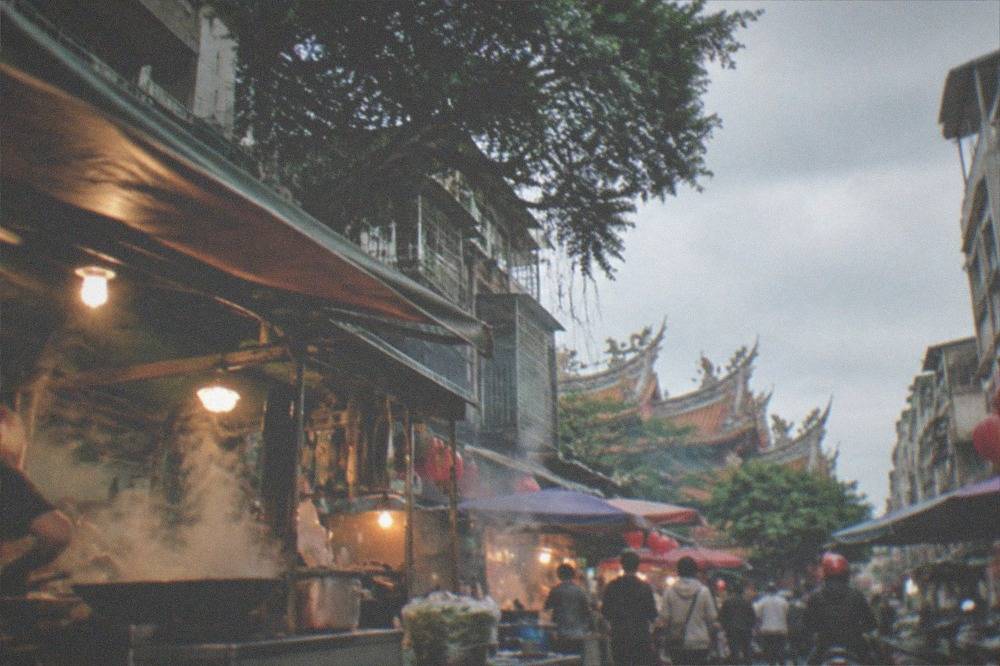
The night market question is a calendar question, and the district holds two of the big four. Wusheng Night Market opens Wednesday, Friday and Saturday, 17:00 to midnight. Siaobei Night Market is indoors and opens every day, noon to midnight, which makes it the wet-weather and wrong-night answer. The Tainan City Market Administration maintains the official roster of the city's night markets, and the days do change, so check before you go.
| Night market | Open | Hours |
|---|---|---|
| Wusheng Night Market | Wednesday, Friday, Saturday | 17:00 to 00:00 |
| Siaobei Night Market | every day, indoor | 12:00 to 00:00 |
| Garden Night Market (North District, nearby) | Thursday, Friday, Saturday, Sunday | 17:00 to 00:00 |
| Dadong Night Market (East District, nearby) | Monday, Tuesday, Friday | 18:00 to 01:00 |
A food-focused walk is the one booking that genuinely pays off in this district, because the stalls worth finding are not the ones on the main road.
Do You Need a Ticket for Anything in West Central District?
Only Chihkan Tower charges admission inside the district's core sights, at NT$70 at the gate, half price for concessions. The Tainan Confucius Temple, Grand Matsu Temple, Five Concubines Temple, Kaiyuan Temple, Shennong Street and the Hayashi Department Store are all free. The Tainan Art Museum, on the district's edge, is NT$80.
The free list is the headline. Four working temples in or beside the district charge nothing: the Confucius Temple, the Grand Matsu Temple, the Five Concubines Temple and Kaiyuan Temple. The city's own pages list no price for any of them, and all four keep long hours. That is a full day of sight-seeing for the price of a bus fare, and it is why the honest answer to the booking question is that most of this district is not a booking at all.
The one paid sight, Chihkan Tower, is worth its ticket for the late closing alone. The Bureau's page lists 08:30 to 21:30, with tickets sold until 21:00, which means a visitor can eat dinner on Guohua Street and see the fort afterwards, something no other historic site in the city allows. The Tainan Art Museum, a short walk south, is NT$80, open Tuesday to Sunday 10:00 to 18:00 and until 21:00 on Saturdays, closed Mondays, and it takes EasyCard and iPASS at the desk.
How Do You Get to West Central District?
Tainan Railway Station sits on the district's northern edge, so arriving by conventional rail puts you inside it on foot. High Speed Rail passengers arrive at Shalun in Guiren District, outside the old city, and transfer by the Shalun Line or the free H31 shuttle bus. City buses are free for the first 8 km with an electronic card, provided you tap on and tap off.
The railway station point matters for hotel planning. The district begins at the station forecourt, so a visitor staying here can walk to nearly everything in this guide. The arrival and getting-around guides on this site cover the station itself and the wider network.
The High Speed Rail point matters more. The HSR station is not in Tainan's centre: it is at Shalun in Guiren District, and the transfer options are the Shalun Line or the shuttle bus. The H31 Tainan City Government Line shuttle is free for HSR passengers on production of a ticket stub, with no card tap needed; other passengers pay NT$18 for one section or NT$36 for two, with the section break at the Chimei Museum. The Shalun Line is a paid Taiwan Railway ticket, not a free transfer.
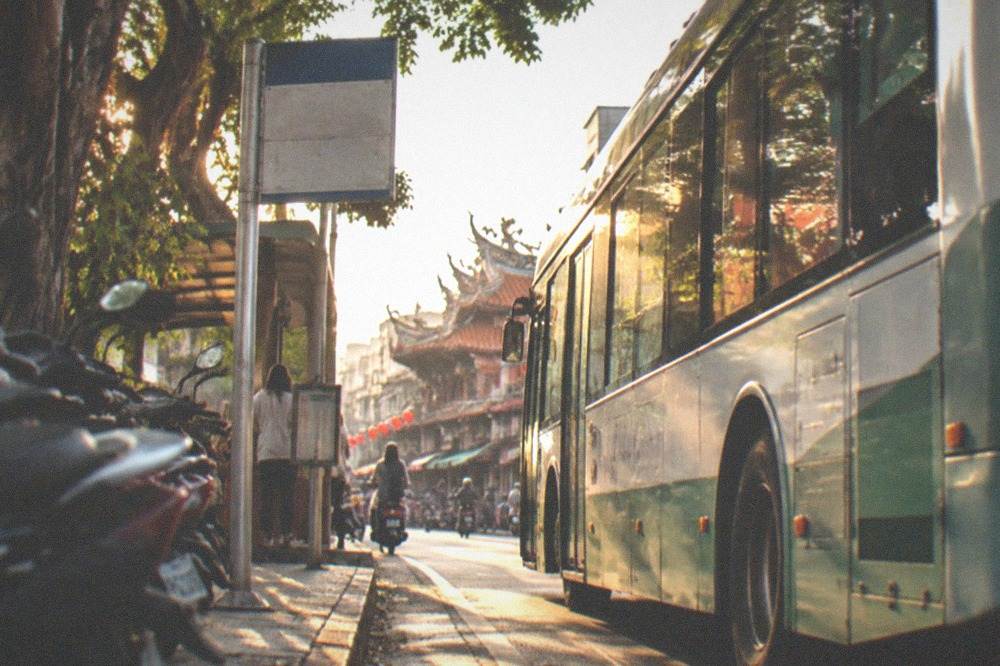
Inside the city, the bus policy is the useful one. The city's own bus site states that trunk and branch routes are free for the first 8 km of travel with an electronic card, Citizen Card, iPASS, EasyCard or iCash 2.0, a discount worth NT$26 against the cash fare for the same trip. The condition visitors miss is the tap off: you must tap on and tap off, and forgetting the second tap can cost the discount. The scheme runs for the 2026 calendar year, so treat it as current policy rather than permanent.
| Way in | Cost | Notes |
|---|---|---|
| Tainan Railway Station (TRA) | fare set by Taiwan Railway | station is on the district's north edge |
| HSR plus Shalun Line | HSR fare plus a paid TRA ticket | HSR station is at Shalun, Guiren District, not in the centre |
| H31 HSR shuttle | free with an HSR ticket stub, otherwise NT$18 or NT$36 | section break at the Chimei Museum |
| City bus | free first 8 km with a card, NT$26 cash | tap on and tap off |
When Is the Best Time to Visit West Central District?
October to March is the comfortable window: the Central Weather Administration's 1991 to 2020 normals for Tainan show October as the driest month by wet days, 2.8, while still averaging 30.8C maxima, and December bringing just 16 mm of rain across 3 wet days. Summer is the wet half, with August alone delivering 466 mm across 16 wet days.
The climate table shapes the whole calendar. Tainan's rain is almost entirely a summer event: close to three-quarters of the annual 1,761 mm falls between May and September. The city has 186 days a year above 30C, and from April to October it exceeds 30C on most days. A walker covering the district's temple circuit in August is doing it in heat and humidity that the winter visitor never meets, and the indoor Siaobei Night Market earns its keep as the wet-evening option.
| Month | Mean max C | Rain mm | Wet days |
|---|---|---|---|
| January | 23.0 | 20.7 | 3.8 |
| April | 29.3 | 69.8 | 5.9 |
| July | 33.0 | 374.6 | 13.0 |
| August | 32.6 | 466.1 | 15.8 |
| October | 30.8 | 30.8 | 2.8 |
| December | 24.4 | 16.2 | 3.0 |
The visitor-number data adds a twist worth knowing. The Tourism Administration's own dataset shows Tainan's peak months are January and February, driven by temple pilgrimage and Lunar New Year, not by summer holidays. Nankunshen Daitian Temple drew 6,583,100 visitors in 2023 against Chihkan Tower's 443,622, and the peak month for the big temple draws is January. The district is busiest exactly when the weather is best, which is rational, and it means a February visit pairs the finest climate with the biggest crowds.
What Is Near West Central District?
Anping is the obvious half-day extension, a short bus or taxi ride west, holding Anping Old Fort at NT$70, the Anping Tree House at NT$70 and the Eternal Golden Castle at NT$70. Within Tainan's wider region, the coastal district of Qigu and the hot-spring town of Guanziling are the two full-day trips worth the distance.
Anping is close enough to feel like part of the same visit. The Anping area guide covers the old fort, the tree house and the old street; the Anping Old Fort page records admission of NT$70 and hours of 10:00 to 17:10, and the Anping Tree House NT$70 and 08:30 to 17:30. Anping as a district drew 4,441,443 visitors in 2023, roughly ten times Chihkan Tower's count, which tells you where the crowds actually go.
The wider region is covered across this site's area guides: Qigu for the salt mountain, the lagoon boats and the spoonbill reserve; Guanziling for the hot springs; Yanshui for the beehive fireworks each February; and Beimen for the salt-coast churches. The one-day and two-day itineraries on this site show how to split a single day between this district and Anping, which is the most common first-visit plan.
What About Tea, Culture and Evening Plans in West Central District?
The district's cultural bookings are modest and good: a 90-minute oolong tea ceremony, a full-day qipao rental for photographs on the old streets, and a three-hour evening walking tour of the lanes after dark. The tea ceremony and the evening walk both start inside or beside the district, and the qipao rental pairs naturally with Shennong Street's shop-house facades.
The tea ceremony is the highest-rated cultural product on this site's roster, and it fits the district's identity: Tainan's tea culture is part of the old capital's civic life, and a ceremony in a historic setting is a natural afternoon between the temple circuit and the night market. The qipao rental works the same way, turning Shennong Street into a photographic set for the day.
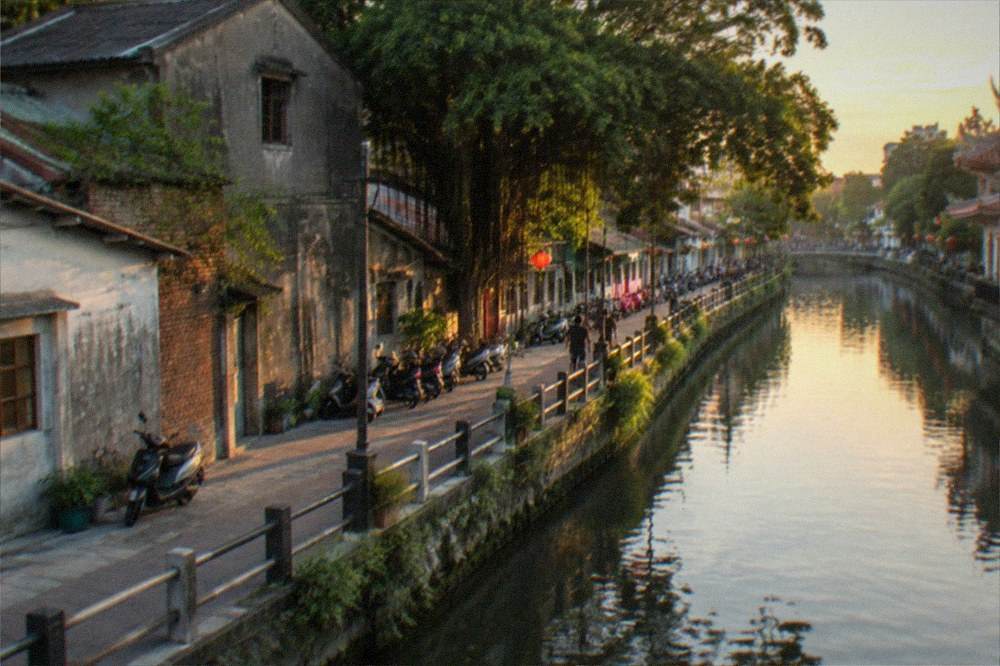
The evening is when the district changes character. The temples close, the lanterns on Shennong Street come on, the food stalls open and the night market calendar takes over. A guided evening walk is the efficient way to cover that shift, and it is the one product this page's trio keeps returning to for good reason.
How Many Days Should You Spend in West Central District?
Two days is the comfortable fit: one for the temple quarter, Chihkan Tower and the museum blocks, one for the food streets, Shennong Street and a night market on the right night. A single day works if it is a Friday, when Wusheng, Garden and Dadong all open, and the district's sights can be compressed into a morning and an afternoon.
The night market calendar should drive the day count more than the sights should. Everything in the district is walkable and open daily, but the markets rotate, and a visitor who arrives on a Wednesday has Wusheng alone, while a Friday visitor has all three big outdoor markets, with the Garden Night Market in the neighboring North District the biggest of them. The two-day and weekend guides on this site build the district into a full stay, and the first-time guide places it against Anping and the day trips.
For a longer stay the district works as a base. The three-day and southern-Taiwan itineraries on this site keep two nights here and give the remaining time to the coast, using the district as the historic stop between Kaohsiung and the sun coast. Wherever the rest of the trip goes, the district is the part of Tainan that rewards staying inside after dark, because its late-closing fort, its lantern-lit lanes and its rotating markets are all evening things.
Common Questions About West Central District
What is West Central District known for?
Chihkan Tower, the city's densest temple quarter including the free Confucius Temple and Grand Matsu Temple, the preserved shop-houses of Shennong Street, the Guohua Street food scene and the Wusheng and Siaobei night markets. It is the old walled core of Tainan and the most walkable district in the city.
Is West Central District walkable?
Yes. The district corresponds to the old walled city, and Chihkan Tower, the Confucius Temple, Shennong Street and the Guohua Street food lanes all sit within roughly a fifteen to twenty-minute walk of one another. Tainan Railway Station is on its northern edge, so a visitor staying in the district rarely needs a bus.
How much does it cost to see the sights in West Central District?
Chihkan Tower charges NT$70 at the gate, half price for concessions, and is open 08:30 to 21:30 daily. The Tainan Art Museum is NT$80. The Confucius Temple, Grand Matsu Temple, Five Concubines Temple and Kaiyuan Temple are all free, as are the public streets themselves. The city's pages note the on-site notice governs prices.
Which night market is in West Central District?
Wusheng Night Market, open Wednesday, Friday and Saturday from 17:00 to midnight, and the indoor Siaobei Night Market, open every day from noon to midnight. Garden Night Market in the North District is a short ride away and opens Thursday to Sunday. Check the city's market roster before you go, because days change.
Where should you stay in Tainan?
West Central District suits a first visit best, because the historic sights, the food lanes and the night markets are all on foot. The East District near the railway station is the practical alternative, and Anping suits visitors who want the fort and the old street at the doorstep. The trade-offs are set out in the where-to-stay guide on this site.
When is the best time to visit West Central District?
October to March. The Central Weather Administration's 1991 to 2020 normals for Tainan show October as the driest month by wet days, 2.8, and December with just 16 mm of rain, while summer delivers most of the annual rainfall. January and February are also the busiest months, driven by Lunar New Year and temple pilgrimage.
The district is small, cheap by the standards of Taiwan's big cities and dense with things that cost nothing. Plan the night market calendar first, book the evening walk, and let the temples fill the gaps between meals. That is the shape of a good visit to Tainan's West Central District, and this Tainan Travel Guide page is the place to start planning it.