Guanziling Hot Spring
Guanziling Hot Spring is the one corner of Tainan where the attraction is the water itself: a small spa town in the hills where the city's own calendar stages a food and hot spring festival every September to November.
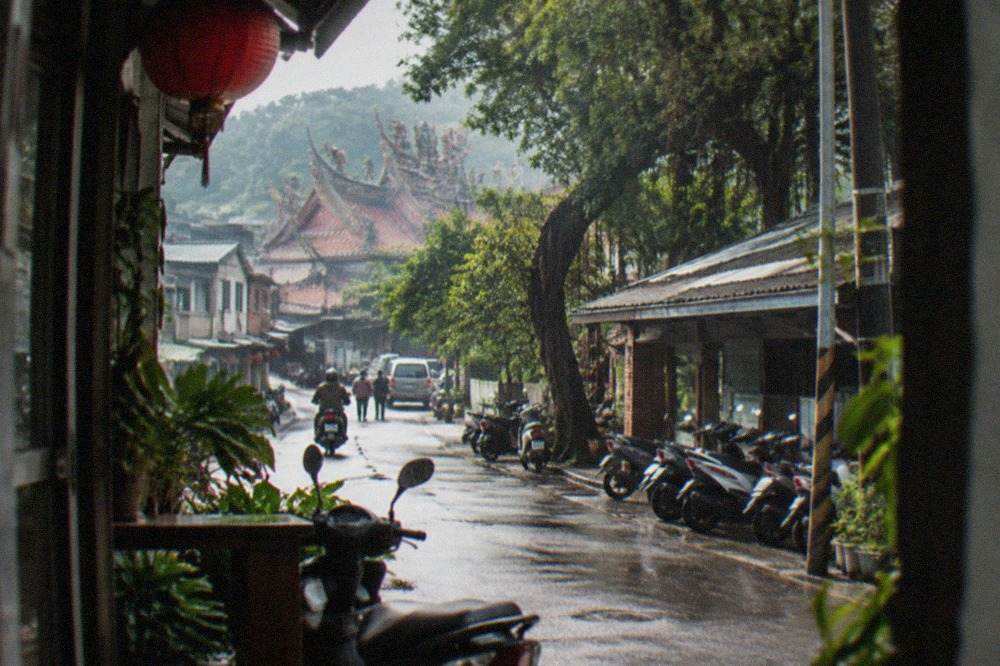
Short answer
Guanziling Hot Spring is a hot spring resort area in the hills of northeastern Tainan, best visited in the cooler dry months of October to March, and busiest during the Guanziling Hot Spring and Food Festival, which the city's calendar runs September to November.
Tainan is not a city most people associate with hot springs, and that is exactly why Guanziling Hot Spring is worth planning around. The Tourism Administration's own visitor dataset records 1,034,309 visitors to Guanziling Hot Springs in 2023, which puts it ahead of Chihkan Tower, the Tainan Art Museum and the National Museum of Taiwan History in the same year, and its single busiest month that year was February, deep in what most European-trained travel writing would call the off-season. The city's own festival calendar gives the area a dedicated event, the Guanziling Hot Spring and Food Festival, running September to November. This page lays out what is actually verified about the spring, the season, the route and the surrounding area, so a first-time visitor can plan a trip on facts rather than folklore.
What Is Guanziling Hot Spring?
Guanziling Hot Spring is a hot spring resort area in the hills of northeastern Tainan, one of the city's most-visited attractions, drawing 1,034,309 visitors in 2023 according to the Tourism Administration's own dataset, with February its busiest month. The Tainan City Government Tourism Bureau's festival calendar stages the Guanziling Hot Spring and Food Festival there every September to November, which makes it the city's flagship cool-season destination.
The numbers deserve a moment, because they upend the usual assumption about hot springs. A visitor might expect a hot spring town to peak in winter, and at Guanziling that is roughly true: the dataset's peak month for 2023 was February, which coincides with Lunar New Year and the Yuejin Lantern Festival season. But the broader pattern across Tainan is that January and February are the city's busiest months everywhere, driven by temple pilgrimage and the New Year holiday, and Guanziling rides that same wave. The caveat that travels with every figure in that dataset is that counts are compiled by each site operator and reported to the Tourism Administration, so methods differ between an open spa street and a ticketed museum, and the 2020 to 2022 years are COVID-depressed.
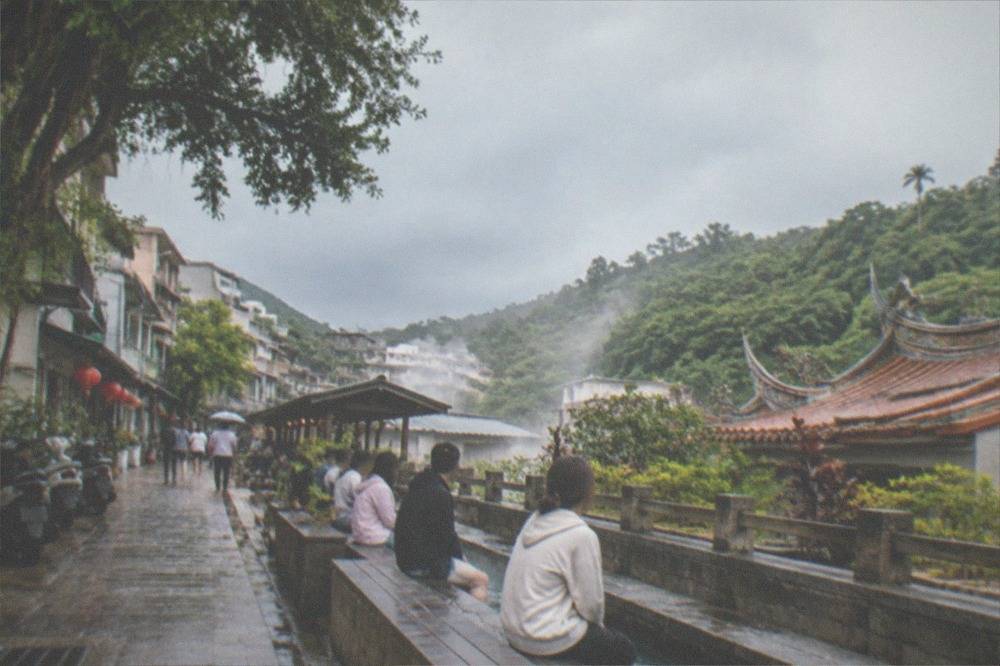
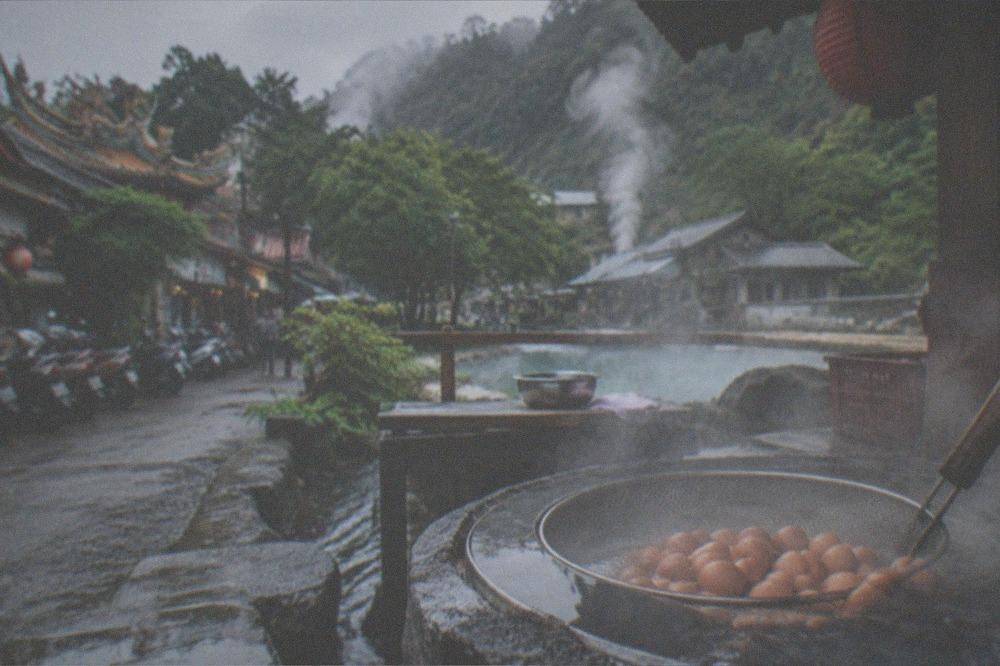
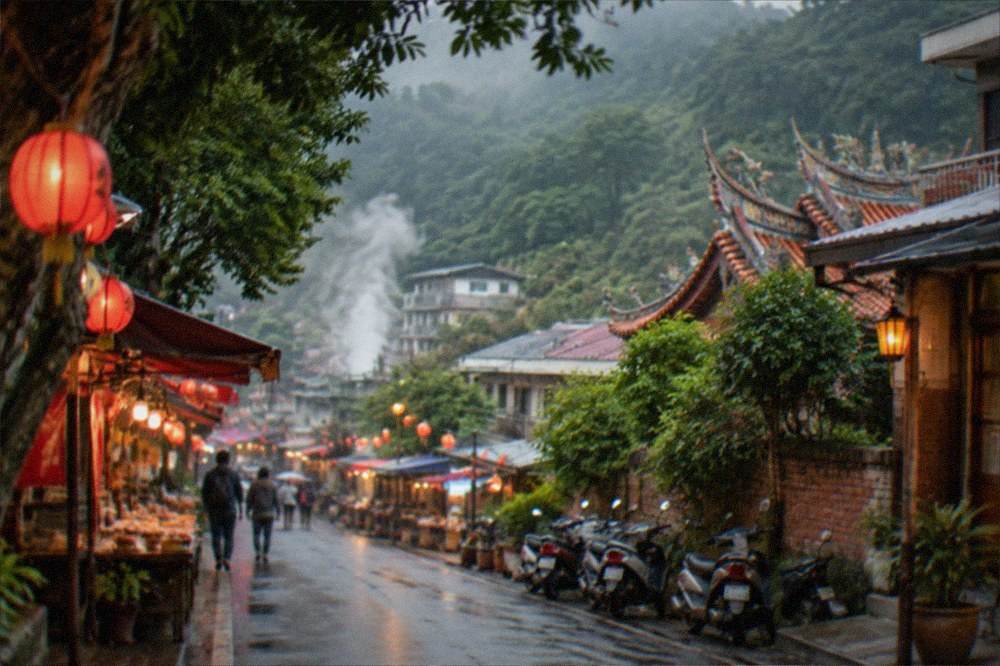
What the area offers is the classic Taiwanese hot spring setup: hotels and bathhouses clustered on a hillside, foot-soaking pools, and food stalls, arranged around the spring itself. The Tainan City Government Tourism Bureau maintains the area as one of its listed attractions, and the city's calendar treats it as a headline destination rather than a footnote. For a visitor building a Tainan itinerary, the practical significance is that Guanziling is the one part of the city where the plan should be built around a soak, a meal and a slow afternoon, rather than around a list of temples and forts.
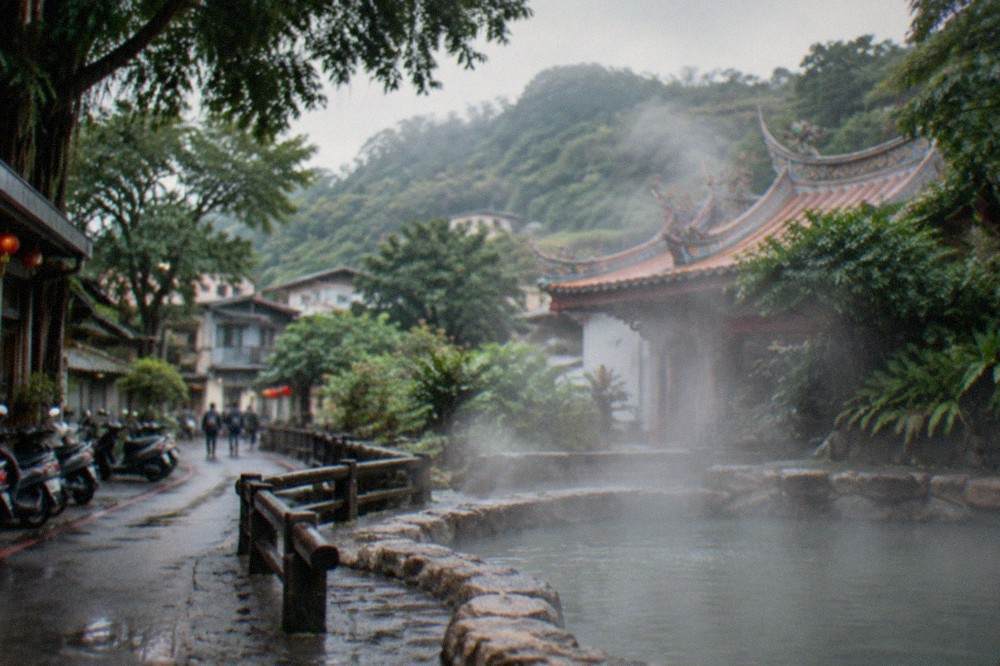
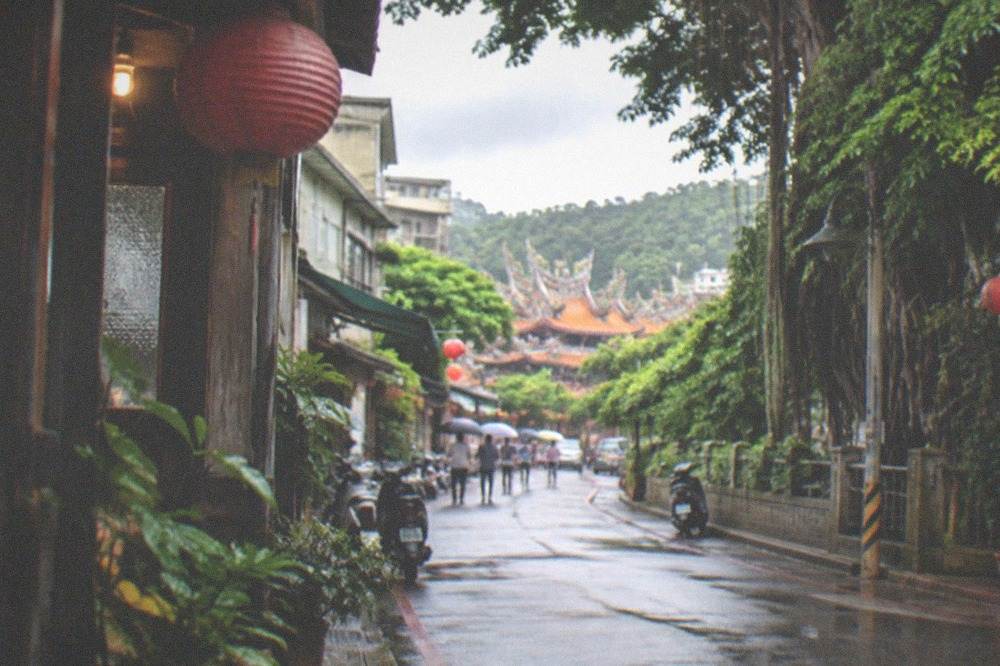
The area sits in the city's northeast, in hill country that feels nothing like the flat old capital around Chihkan Tower. The contrast is the point. Tainan's core is low, dense and historic; Guanziling is green, steep and quiet by comparison, and the drive between the two is a real change of scenery. The Tainan Travel Guide homepage covers the old-city sights in detail, so this page concentrates on the spring area itself and the practical decisions around it.
When Is the Best Time to Visit Guanziling Hot Spring?
The best time to visit Guanziling is October to March, Tainan's dry and comfortable half of the year, and the city's own festival calendar puts the Guanziling Hot Spring and Food Festival in September to November, which makes late autumn the single best window. The Central Weather Administration's 1991 to 2020 normals for Tainan show October averaging just 2.8 wet days while December drops to 16.2 mm of rain across the whole month.
The climate table for Tainan, from the Central Weather Administration's published normals for station 467410, is the strongest planning tool on this page, because it shows exactly why the cool season pairs so well with a hot spring. Rain in Tainan is almost entirely a summer event: August brings 466.1 mm across 15.8 wet days, while December brings 16.2 mm across 3.0. Close to three-quarters of the annual 1,760.6 mm falls between May and September, and typhoon risk concentrates in those same late-summer months, with July to September the peak period for typhoon impact on Taiwan. A hot spring soak in a summer downpour is possible, but a hot spring soak in the dry, warm, sunny October-to-March half of the year is the reliable version of the trip.
| Month | Mean max (C) | Rain (mm) | Wet days | Days over 30C |
|---|---|---|---|---|
| Jan | 23.0 | 20.7 | 3.8 | 0.0 |
| Feb | 24.0 | 21.6 | 4.1 | 0.9 |
| Mar | 26.6 | 30.4 | 4.2 | 4.1 |
| Apr | 29.3 | 69.8 | 5.9 | 14.9 |
| May | 31.4 | 165.6 | 9.0 | 25.2 |
| Jun | 32.4 | 370.5 | 12.1 | 26.2 |
| Jul | 33.0 | 374.6 | 13.0 | 28.9 |
| Aug | 32.6 | 466.1 | 15.8 | 27.6 |
| Sep | 32.4 | 170.5 | 8.5 | 27.8 |
| Oct | 30.8 | 30.8 | 2.8 | 23.6 |
| Nov | 28.1 | 23.8 | 2.4 | 6.1 |
| Dec | 24.4 | 16.2 | 3.0 | 0.5 |
Two readings of that table matter for this trip. First, October is the driest month in Tainan by wet days, 2.8, while still averaging 30.8C maxima, so an October visit combines festival season, low rain risk and warm afternoons with cool evenings, which is the weather a hot spring actually wants. Second, if the trip has to happen in summer, June to August, the rain comes in concentrated bursts rather than all day, but a typhoon day is a real possibility: when the Tainan City Government declares a suspension of work for a typhoon, attractions close, and the Tainan Art Museum states this policy explicitly on its own hours page, so the same logic applies across the city's sites.
The festival calendar adds a second layer of timing. The Tainan City Government Tourism Bureau's calendar lists the Guanziling Hot Spring and Food Festival across September to November, alongside Art in the Districts over the same months. The calendar gives months only, never fixed dates, so the honest planning advice is to treat September to November as the festival window and check the city's calendar listing for the specific year before locking in dates.
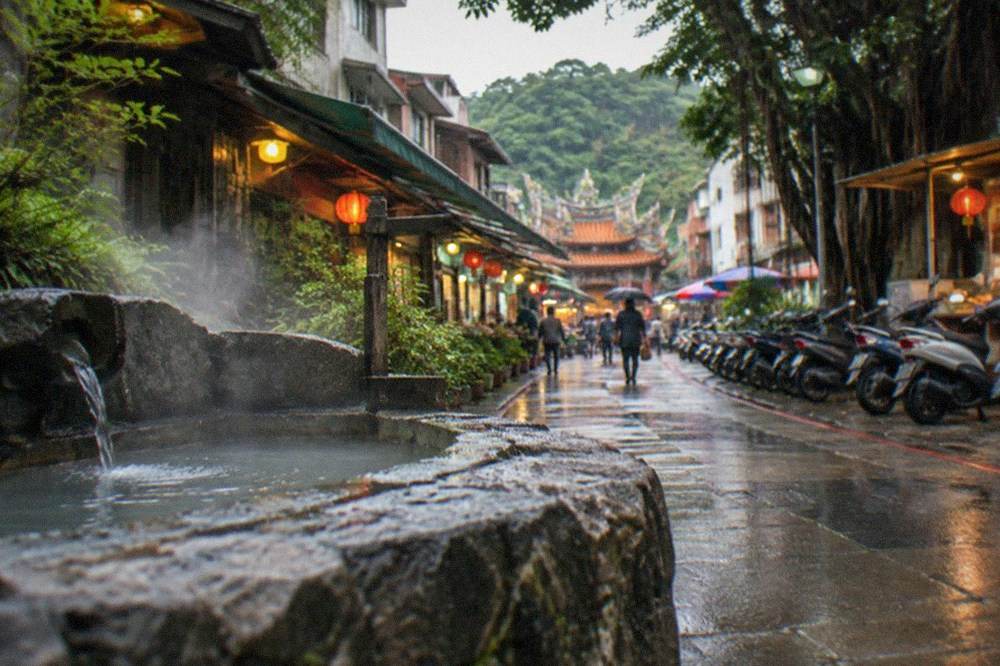
If the trip is a wider Tainan stay rather than a Guanziling-only outing, the same cool window works for the whole city. The dry season is when the old-city walking circuit, from Shennong Street to the Hayashi Department Store, is at its most pleasant, and the night market rotation is in full swing. The Garden Night Market opens Thursday to Sunday, 17:00 to 00:00, and Friday is the one night when all three big outdoor markets run, which is worth knowing if the Guanziling trip is being bolted onto a city weekend.
How Do You Get to Guanziling Hot Spring from Tainan City?
Guanziling Hot Spring sits in the hills of northeastern Tainan, and reaching it means a bus or a private vehicle from the city, not a rail line: there is no HSR or TRA station at the spring itself. Visitors arriving by High Speed Rail should note that Tainan's HSR station is at Shalun in Guiren District, outside the old city, so every route to Guanziling starts with a transfer into Tainan proper or a direct road trip.
The verified transport facts that shape the journey are these. Tainan city buses are free for the first 8 km with an electronic card, a Citizen Card, iPASS, EasyCard or iCash 2.0, on the trunk and branch network, with tap on and tap off both required, and the cash fare for the same trip is 26. The city's own bus ticketing page sets out the scheme, which runs as a current policy rather than a permanent one, so re-check it before relying on it. The catch is that Guanziling is far beyond 8 km from the city centre, so the free segment covers only the early part of a bus journey, and the fare beyond it is a matter for the operator's fare rules, which no verified source in this site's research pins down. Treat the bus as possible but slow, and check the current route and fare before committing.
| Leg | What is verified |
|---|---|
| HSR to Tainan | Station is at Shalun, Guiren District, not in the city; Taipei to Tainan is NT$1,350 standard reserved |
| HSR shuttle bus | The H31 is free for HSR passengers with a ticket stub; others pay 18 or 36 by section |
| City buses | Free first 8 km with EasyCard, iPASS, Citizen Card or iCash 2.0; cash fare 26; tap on and tap off |
| To Guanziling | No rail station at the spring; bus or private vehicle from Tainan city, check the operator's current route and fare |
For most visitors the practical answer is one of two shapes. The first is a self-drive or chartered car day, which turns Guanziling into part of a northeast loop, since the spring country sits within reach of the lotus fields at Baihe, which bloom June to August, and the reservoirs at Wushantou. The second is a guided day tour, which removes the transfer question entirely. This site's Guanziling hot springs day trip page covers the self-guided version in detail, and the Guanziling area guide covers the surrounding district.
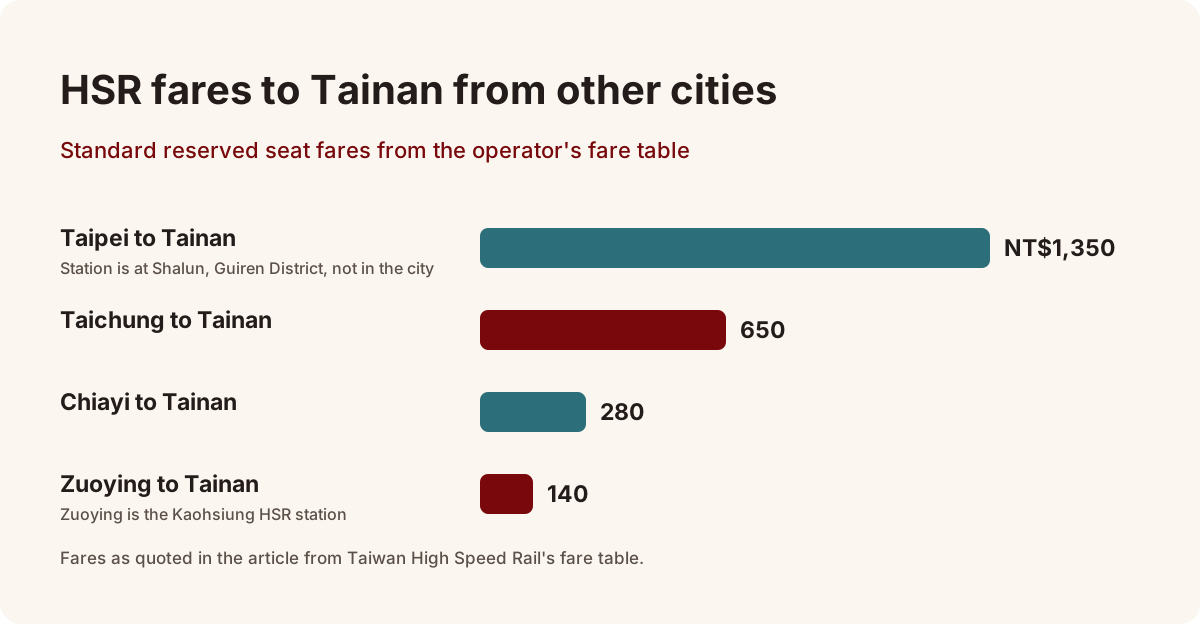
If the trip starts outside Tainan, the fare facts are solid. Taiwan High Speed Rail's own fare table lists Taipei to Tainan at NT$1,350 for a reserved standard seat, Taichung at 650, Chiayi at 280 and Zuoying, the Kaohsiung HSR station, at 140. One caution travels with every one of those numbers: the operator's fare grid puts standard fares in the lower-left triangle and business fares in the upper-right, and a careless read of that grid returns the business fare and overstates the price by 65 percent. The verified fare for a standard reserved seat is the one above.
What Can You Do Around Guanziling?
The area around Guanziling is Tainan's hill and water country: the hot spring village itself, the lotus fields of Baihe in summer, the Wushantou reservoir area, and a cool-season festival calendar that the city runs September to November. The Tourism Administration's dataset shows the spring area drew over a million visitors in 2023, so the surrounding infrastructure, hotels, bathhouses and food stalls, is built for real volume.
The honest framing is that Guanziling is not a single sight but a district-scale destination. The spring village is the anchor, and the city's festival calendar gives it a three-month event season. Around it, the northeast of Tainan offers a different landscape from the old capital: hill roads, reservoirs and agricultural valleys. The lotus season at Baihe runs mainly June to August, with the fields best viewed in the mornings during the peak summer months, and a 2026 Baihe Lotus Festival ran May 23 to July 25, which gives a sense of the window even though seasonal dates shift year to year. None of that overlaps with the hot spring's best season, which is a fair argument for visiting the northeast twice if the trip allows: once in summer for lotus country, once in the cool months for the spring.
| Time of year | What the northeast offers |
|---|---|
| Sep to Nov | Guanziling Hot Spring and Food Festival; Art in the Districts events |
| Oct to Mar | Dry, comfortable weather; the best soaking season |
| Jun to Aug | Lotus fields at Baihe in bloom, best in the morning; summer rain and typhoon risk |
| Jan to Feb | City-wide peak season, temple pilgrimage and Lunar New Year; Guanziling's busiest month in the 2023 dataset was February |
A common plan is to pair the spring with the coast on a longer Tainan stay, because the two halves of the city could not be more different. The lagoon coast at Sicao Green Tunnel runs mangrove boat trips at NT$200, with both the Green Tunnel route and the longer Taijiang route at the same fare, and the salt country at Qigu Salt Mountain charges a 50 cleaning fee per person on foot or 100 per car. Those are the verified numbers, always at the gate rather than guaranteed, since the city's own pages state that the on-site notice governs.
Where Should You Plan a Guanziling Visit Into a Tainan Itinerary?
Guanziling works best as a dedicated day or an overnight, not a stop on an old-city walking day, because it sits in the hills well outside the centre. A first visit to Tainan of two days or more can hold both: the historic core around Chihkan Tower and Anping on one day, and the spring country on another, with the cool-season festival window of September to November the ideal time to make the split.
The structural reason is distance and terrain. The old city's sights cluster within walking range of each other, from the Anping Tree House to Anping Old Fort, and a visitor can cover a full day of them on foot and short bus hops. Guanziling belongs to a different geography, and the travel time each way eats a half-day from any itinerary that tries to combine the two in one stretch of daylight. The clean plans are a two-day split, with the spring on the quieter day, or a standalone overnight in the spa village, which converts the travel into part of the point.
For visitors weighing Tainan against a wider southern Taiwan loop, the spring country is one of the city's genuine differentiators. Kaohsiung has the bigger transport hub, but the hot spring hills are Tainan's, and the city's calendar markets them hard in the autumn. A two-day Alishan and Tainan combination is a common structure for exactly this reason, pairing the mountain forest with the old town, and Guanziling can slot into the Tainan half as the cool-season option when the temples have been seen.
What Should You Know Before You Go?
The things to settle before a Guanziling trip are the season, the route and the money: aim for October to March or the September-to-November festival window, plan a bus or private-vehicle route with no rail station at the spring, carry cash for small food stalls and bathhouses, and check the city's current festival dates and bus policy before locking the plan. Prices at the gate are always subject to the on-site notice, which is the city's own disclaimer on every attraction page it publishes.
Cash deserves a line of its own. Cards work at hotels, department stores and convenience stores across Taiwan, but cash remains essential at night markets, street food stalls, small local eateries and many small bathhouses, so a visitor heading for a hillside spa street should not assume a card will cover the day. The honest water note is the same one that applies across Taiwan: bottled and filtered water are everywhere, convenience stores are on every corner, and most locals boil or filter rather than drink straight from the tap.
On timing within the week, there is no verified rotation for the spring area itself, unlike the night markets, so the day-of-week question matters mainly for the rest of the trip. If the Guanziling day is part of a city stay, build the night market night around the published schedule: Garden runs Thursday to Sunday, Wusheng Wednesday, Friday and Saturday, Dadong Monday, Tuesday and Friday, and Siaobei is indoors and open daily, which makes it the wrong-night answer. Always check before you go, because the city updates these pages and the days do change.
Is Guanziling Hot Spring Worth the Trip from the City?
Yes, for most visitors a Guanziling trip justifies its half-day of travel, because it offers the one experience the old city cannot: a hillside hot spring soak in a spa village that the city itself promotes with a three-month festival, in a country where the cool dry season from October to March is long, reliable and warm. The visitor numbers, over a million in 2023, show the area draws a volume comparable to major museums, not a niche.
The case against is real but narrow. A visitor in Tainan for a single day, or arriving late, will get more per hour from the old-city circuit, from Chihkan Tower to the Tainan Confucius Temple, all of which sits within a compact walkable core, and the Confucius Temple is free to enter. A visitor with two days or more, or one travelling in the festival window, is choosing between a second day of temples and a genuinely different landscape, and the spring country wins that comparison on most counts.
The private-tour option is worth weighing for visitors based in Kaohsiung, since a chartered day removes both the cross-city transfer and the hill-road navigation. For anyone starting in Tainan with a car or a booked seat, the plan is simple: pick a dry-season date, check the city calendar for the festival, carry cash, and let the afternoon run long.
Common Questions About Guanziling Hot Spring
When is the Guanziling Hot Spring and Food Festival held?
The Tainan City Government Tourism Bureau's festival calendar lists the Guanziling Hot Spring and Food Festival across September to November. The calendar publishes months rather than fixed dates, so check the city's listing for the specific year before planning around it.
What is the best month to visit Guanziling Hot Spring?
October is the strongest single month: the Central Weather Administration's 1991 to 2020 normals for Tainan show it as the driest month by wet days, 2.8, while still averaging 30.8C maxima, and it falls inside the festival window of September to November. October to March as a whole is the dry, comfortable half of the year.
How do you get to Guanziling Hot Spring?
There is no rail station at the spring. The route is a bus or private vehicle from Tainan city, and visitors arriving by High Speed Rail should note that Tainan's HSR station is at Shalun in Guiren District, outside the old city, so every plan starts with a transfer. City buses are free for the first 8 km with an electronic card, but Guanziling lies well beyond that distance, so check the operator's current route and fare.
Is Guanziling busy?
Yes, in season. The Tourism Administration's dataset records 1,034,309 visitors to Guanziling Hot Springs in 2023, with February the busiest month that year, matching the city-wide pattern where January and February lead on Lunar New Year and pilgrimage travel.
Can you visit Guanziling as a day trip from Tainan?
Yes, though the travel each way eats a meaningful part of the day, so most plans work best as a dedicated day or an overnight in the spa village rather than a bolt-on to an old-city walking day. A guided day tour or a private car removes the transfer question entirely.
Does it rain at Guanziling in summer?
Summer is Tainan's wet season everywhere, including the hills. August averages 466.1 mm of rain across 15.8 wet days at the Tainan climate station, and typhoon risk concentrates in July to September. If a summer trip is fixed, check the Central Weather Administration's live warnings before setting out, since a declared typhoon day closes attractions across the city.
Guanziling Hot Spring is the part of Tainan that rewards a little planning most: pick the dry season or the festival window, sort the route in advance, carry cash for the small stalls, and the northeast hills deliver an afternoon that the old city, for all its forts and temples, simply cannot replicate. Pair it with the night market schedule on the same trip and the city shows both of its faces in one visit.