Black-Faced Spoonbill Reserve
The black-faced spoonbill is one of the world's rarest large waterbirds, and every winter most of the global population gathers on the Qigu wetlands and the Zengwen River estuary north of Tainan's old city.
Short answer
Black-faced spoonbills winter in the Qigu wetlands and Zengwen River estuary north of central Tainan, generally arriving around September or October and departing by March to May. The Sicao Green Tunnel boats, which run daily 08:00 to 16:00 at NT$200 full fare, are the easiest way onto the water at the edge of the same Taijiang lagoon system.
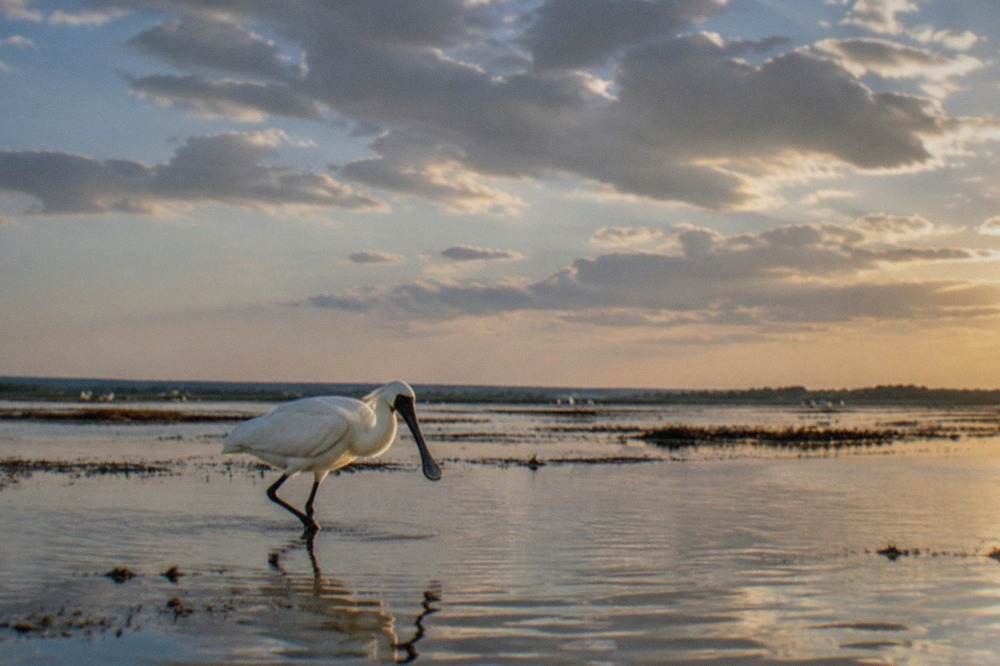
The black-faced spoonbill is a large white wading bird with a spatula-shaped bill and, as the name says, a bare black face. It is one of the rarest large waterbirds on earth, and Taiwan's southwest coast is its single most important wintering ground. The Qigu wetlands and the Zengwen River estuary, north of Tainan's old city and inside the lagoon landscape the city shares with Tainan Travel Guide's coverage of the Taijiang coast, are where a visitor's chances of seeing one concentrate. This page sets out what is verified about the reserve, the season, the boat rides at Sicao, and how to build a realistic day on the salt coast around it.
What Is the Black-Faced Spoonbill Reserve in Tainan?
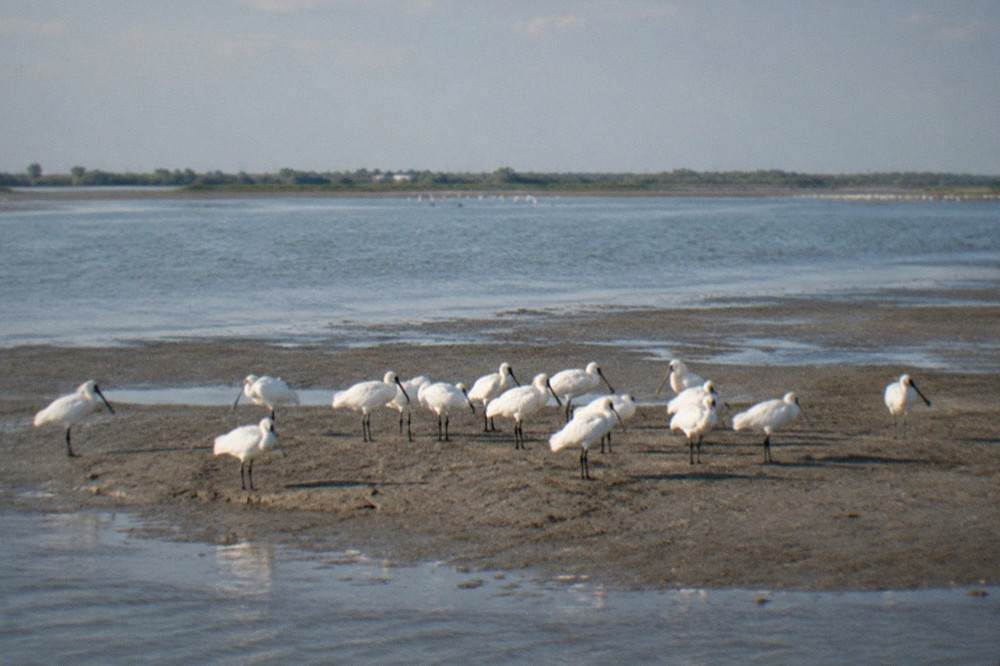
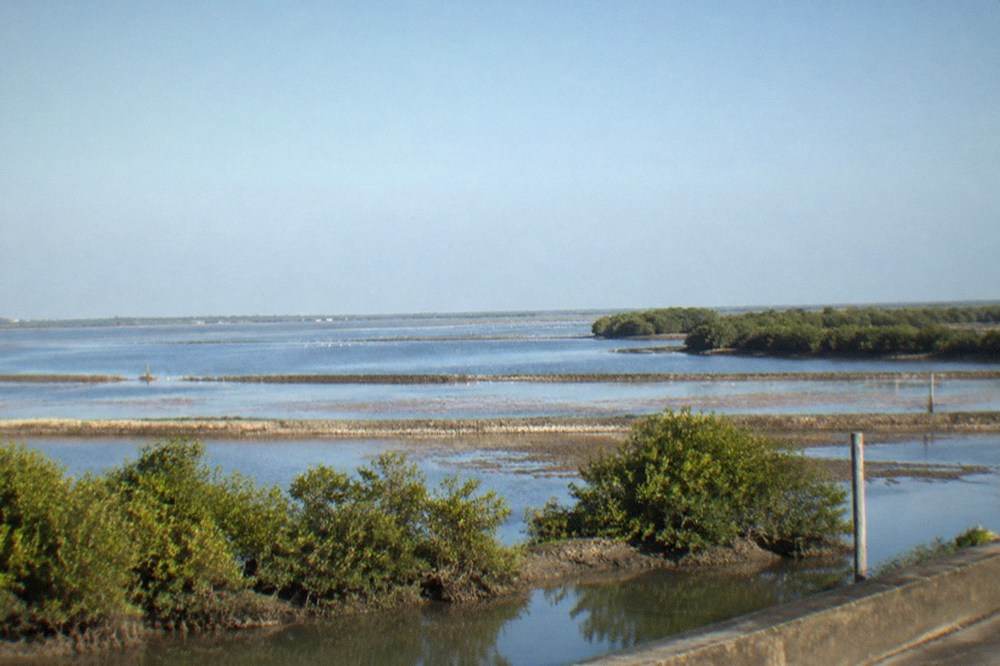
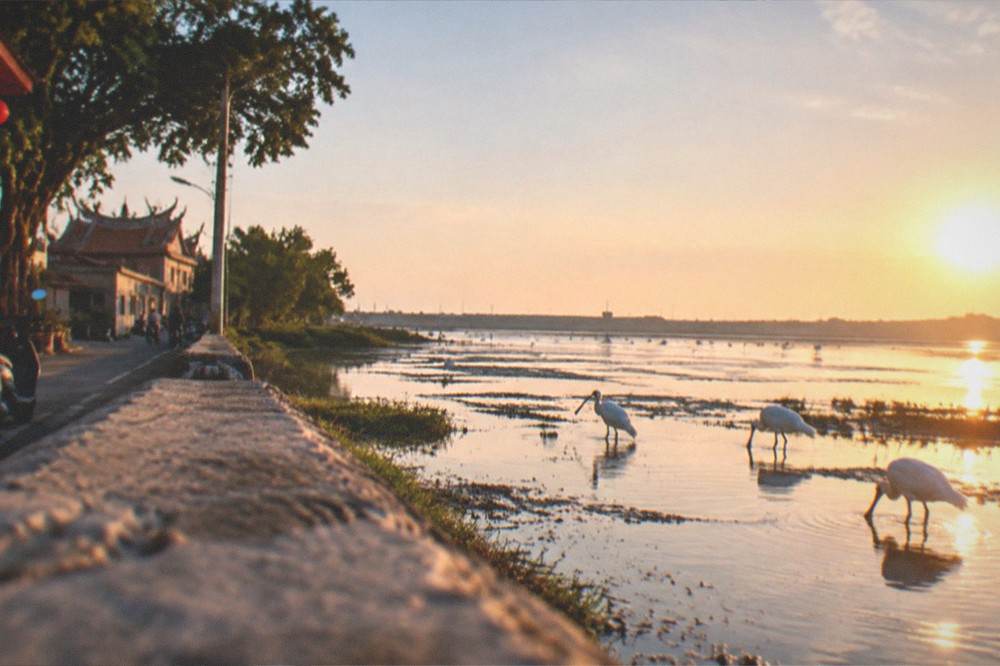
The reserve is the wintering habitat of the black-faced spoonbill on the Qigu wetlands and the Zengwen River estuary in northern coastal Tainan, part of the wider Taijiang lagoon system. The birds arrive around September or October each year and depart by March to May, with the core viewing season in winter. There is no single ticketed gate: the spoonbills share a working coastal landscape of fish farms, mangroves, salt flats and lagoon channels.
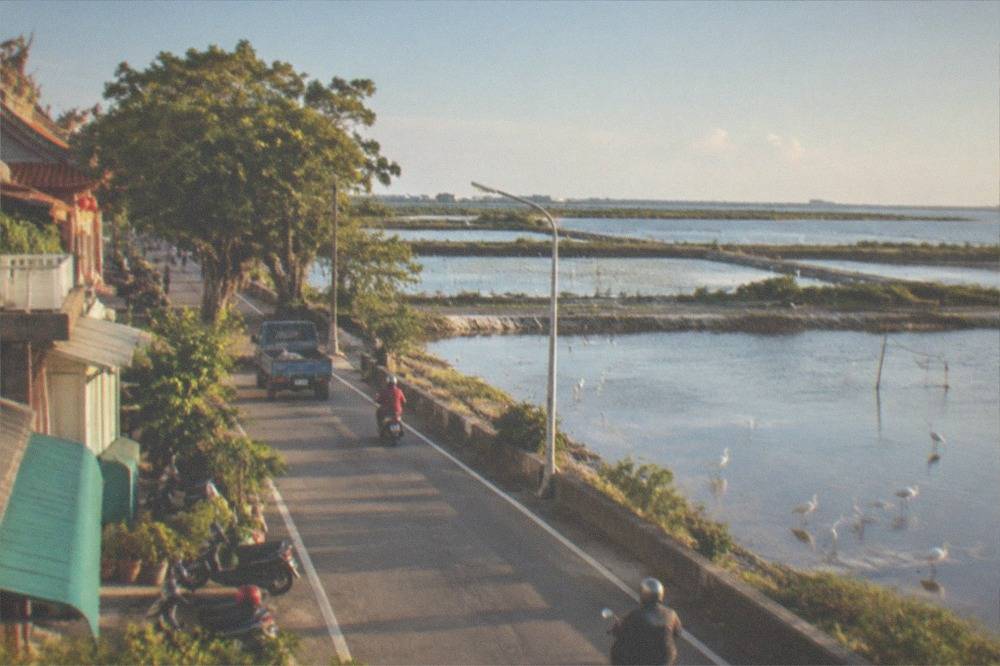
That last point matters for planning. The "reserve" is better understood as a stretch of coast than as a fenced park with an entrance booth. The spoonbills feed in the shallow aquaculture ponds and estuary shallows of Qigu, the same district that holds Qigu Salt Mountain and the old salt fields, and they roost on the sandbars and flats of the estuary. Birders work the coastal roads, the wetland overlooks and the water. The Taijiang National Park pages cover the wider protected landscape this sits inside, and the Sicao boat rides at the edge of Sicao Green Tunnel put you on the same lagoon water the birds depend on.
The bird itself is worth the trip even for a casual visitor. It stands roughly heron-sized, all white, with a black bill that flattens into a spoon at the tip, and it feeds by sweeping that bill side to side through shallow water in a motion that is unmistakable once you have seen it. Because so much of the world's population concentrates here in winter, the Tainan coast is one of the few places where a sighting is a reasonable expectation rather than a stroke of luck, provided you come in the right months and go to the right water.
When Is Black-Faced Spoonbill Season on the Qigu Coast?
The birds typically arrive in September or October and depart by March to May, so the core winter viewing season runs roughly October through March. No exact arrival or peak dates for the current season have been published, because the birds follow established migratory patterns rather than a calendar. October to March is also, per the Central Weather Administration's 1991 to 2020 normals for Tainan, the dry half of the year, which makes it the comfortable half to stand outdoors at a wetland.
The season and the weather line up almost perfectly, and that is not a coincidence worth ignoring. The Central Weather Administration's 1991 to 2020 normals for station 467410 show Tainan's rain is almost entirely a summer event: August brings 466 mm across about 16 wet days, December brings 16 mm across 3. October averages only 2.8 wet days, the driest month of the year, while still averaging 30.8C maxima. A visitor planning a spoonbill trip in November or January is planning for the statistically driest, mildest stretch of the Tainan year.
| Month | Mean max (C) | Rain (mm) | Rain days | Days over 30C |
|---|---|---|---|---|
| October | 30.8 | 30.8 | 2.8 | 23.6 |
| November | 28.1 | 23.8 | 2.4 | 6.1 |
| December | 24.4 | 16.2 | 3.0 | 0.5 |
| January | 23.0 | 20.7 | 3.8 | 0.0 |
| February | 24.0 | 21.6 | 4.1 | 0.9 |
| March | 26.6 | 30.4 | 4.2 | 4.1 |
One honest caveat belongs in any season answer. The arrival and departure windows are migratory patterns, not guarantees, and no source publishes a fixed opening day the way a museum publishes hours. The Tourism Administration's own nature page for the species gives the September-October to March-May window, and that is the claim this site stands behind. Come in January and the odds are strongly with you; come in June and you are looking at herons, egrets and fish farms.
How Do You Get to the Qigu Wetlands from Central Tainan?
The spoonbill coast lies in Qigu District, well north of the old city, so the trip is a bus or car ride of real distance rather than a walk from any downtown hotel. City buses are free for the first 8 km with an electronic card, and the cash fare for the same trip is NT$26, but the free distance will not cover a ride of this length: budget for the metered fare beyond it. Tap on and tap off, because the tap off is the step visitors miss.
The bus facts are verified on the city's own ticketing page. The free-first-8-km policy applies to the trunk and branch network, the green, blue, brown, orange, yellow and red routes, with a Citizen Card, iPASS, EasyCard or iCash 2.0, and it runs as a policy for the 2026 calendar year rather than as a permanent rule. Beyond 8 km the metered fare applies, and 26 is the base figure the waiver removes. For a Qigu trip, that means the card still saves the base but the ride is not free end to end, and it is worth saying so plainly rather than implying a free ride to the coast.
Driving changes the arithmetic. The salt coast is compact once you are there, and the verified fee structure at Qigu Salt Mountain gives a sense of the parking costs on this stretch: a NT$100 cleaning fee per car, NT$50 per person on foot or per scooter or bicycle, with coaches of 20 or more seats free. If you are planning a wider Tainan birdwatching day that hops between the wetlands, the estuary overlooks and the old streets, a car or a charter saves hours over waiting for coastal buses.
What Does a Sicao Green Tunnel Boat Ride Cost?
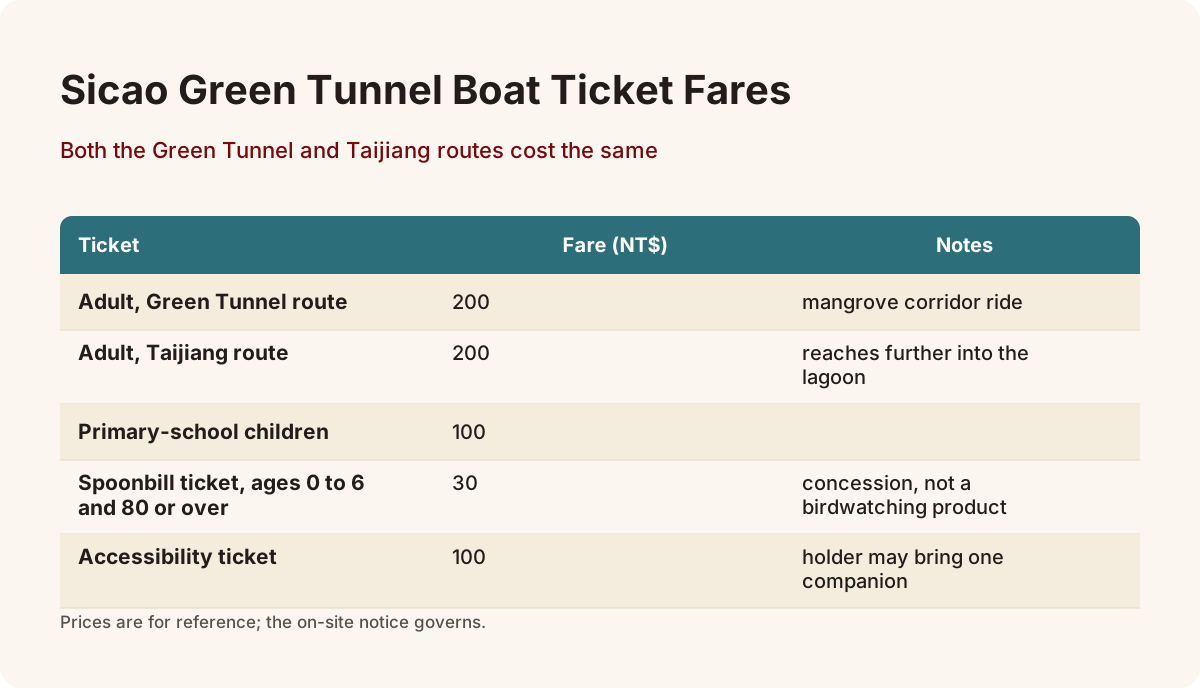
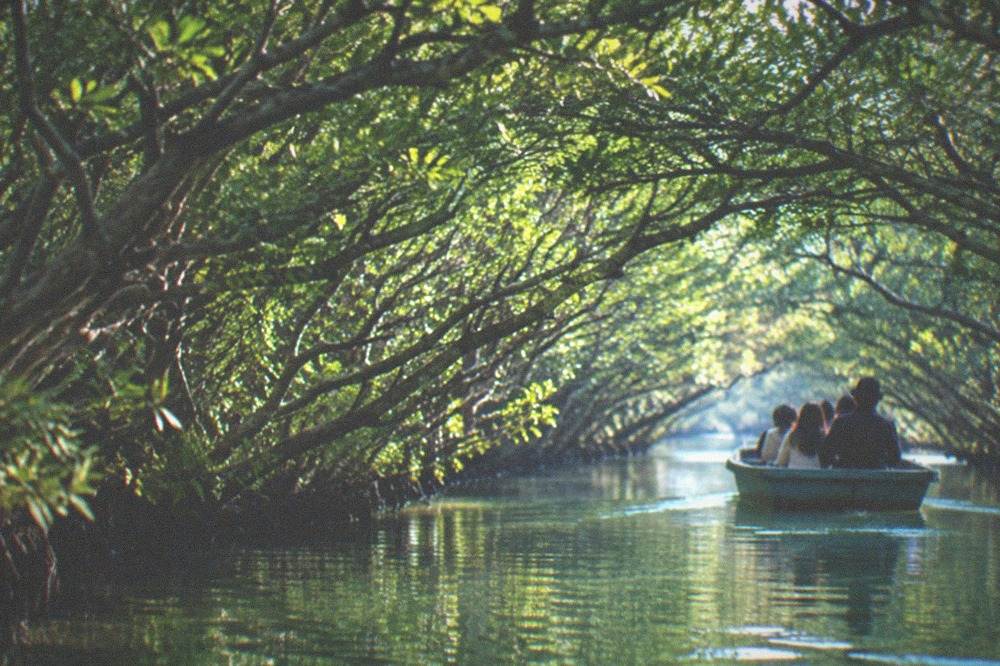
A Sicao Green Tunnel boat ticket is NT$200 full fare, with NT$100 for primary-school children, a NT$30 "black-faced spoonbill" ticket for ages 0 to 6 and 80 or over, and a NT$100 accessibility ticket whose holder may bring one companion. Boats run 08:00 to 16:00 daily. The Green Tunnel route and the longer Taijiang route cost the same, both NT$200, so there is no cheaper option between them.
The fare table comes from the Tainan City Government Tourism Bureau's own page for the site, and the detail worth pausing on is the ticket named after the bird itself. The spoonbill ticket is a concession for the youngest and oldest visitors, not a birdwatching product, which is a common misreading. The boats run through the mangrove channels at the edge of the lagoon, and the Bureau's page for Sicao states the 08:00 to 16:00 daily schedule. Departures depend on demand and weather, so treat the hours as the window rather than a fixed timetable.
| Ticket | Fare (NT$) |
|---|---|
| Adult, Green Tunnel route | 200 |
| Adult, Taijiang route | 200 |
| Primary-school children | 100 |
| Spoonbill ticket, ages 0 to 6 and 80+ | 30 |
| Accessibility ticket, one companion may join | 100 |
The two routes deserve one more sentence. Because both cost 200, the choice between them is about time and scenery, not money: the Green Tunnel is the mangrove corridor ride, and the Taijiang route reaches further into the lagoon landscape. The city's own pages carry the standing disclaimer that prices are for reference and the on-site notice governs, so carry a little cash beyond the printed fare.
What Can You Combine with a Spoonbill Trip on the Salt Coast?
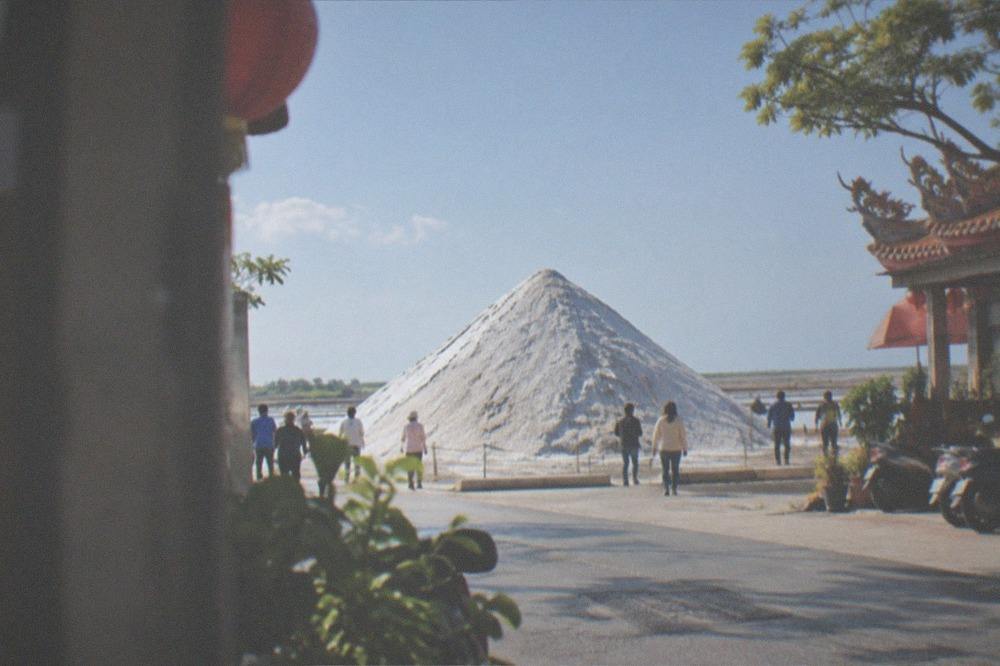
Qigu and its neighboring districts stack several verified sights into one loop: Qigu Salt Mountain, open 09:00 to 18:00 daily with a NT$50 cleaning fee per person on foot, the Jingzijiao tile-paved salt fields, which drew 636,193 visitors in 2023, and the wider Taijiang lagoon. The salt industry recreation area as a whole drew 690,750 visitors in 2023, making this coast one of Tainan's busier nature corridors outside the temple circuits.
The 2023 numbers, from the Tourism Administration's own dataset, say something interesting about where people actually go. The Qigu Salt Industry Recreation Area's 690,750 and the Jingzijiao salt fields' 636,193 both outrank headline downtown sites like Chihkan Tower at 443,622. The salt coast is not a hidden corner; it is a major draw in its own right, and the spoonbill wetlands share its roads. One caveat the dataset itself requires: counts are compiled by each operator and reported in, methods differ between a ticketed site and an open landscape, and the 2020 to 2022 years are COVID-depressed, so read the figures as scale rather than precision.
| Salt coast site | 2023 visitors | Hours | Entry cost |
|---|---|---|---|
| Qigu Salt Industry Recreation Area | 690,750 | 09:00 to 18:00 daily | NT$50 on foot, NT$100 per car |
| Jingzijiao Tile-Paved Salt Fields | 636,193 | daylight hours | cleaning fee applies |
| Beimen Salt Industry Recreation Area | 344,093 | daylight hours | varies |
A realistic day pairs the wetlands with two or three of these. The salt mountain is a short drive from the wetland overlooks, and the Sicao boat docks sit on the way back toward the city, which makes a natural loop: birds at first light, salt landscape at midday, mangrove boats in the afternoon inside the 08:00 to 16:00 window. Visitors with more time can extend toward Anping Old Fort and the Anping Tree House on the way back into town, since the whole lagoon coast drains toward Anping.
Is the Spoonbill Coast Good for Photographers?
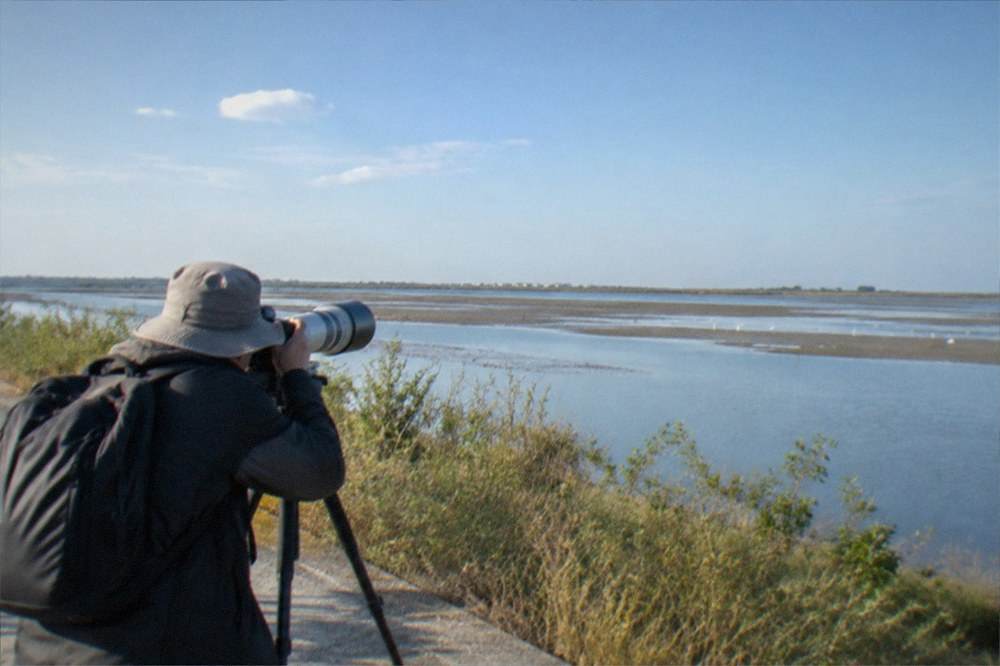
The reserve suits photographers who work long lenses from overlooks and boats, because the spoonbills feed in open shallows at distances that reward reach rather than stealth. The winter season aligns with the driest months in the verified climate record, October averaging just 2.8 wet days, and the Sicao boats put a camera at water level in the mangroves. No published figure promises a sighting, so plan for the habitat rather than a guaranteed bird.
The practical notes are straightforward. Winter light on the Tainan coast is generous, the annual sunshine record for the city is 2,185 hours, and the dry season means fewer gray days to work around. The mangrove tunnel is a narrow channel, so a wide lens serves the boat ride while a long lens serves the wetlands, and packing both is the honest advice. Photographers who want a human element in the frame sometimes pair the coast with a portrait session in the old city, and a photoshoot product exists for exactly that, listed from NT$300 per group for two and a half hours with a local photographer.
What Should You Know Before You Go to the Reserve?
Bring cash, sun protection and patience, and go in the morning. The wetlands are open working coast with little shade, the verified climate record shows 186 days a year above 30C in Tainan, and the birds feed most actively early. There is no entry fee for the wetland landscape itself, only for the boat rides at NT$200 and the salt sites' cleaning fees, so a spoonbill day can be one of the cheapest full days in Tainan.
A few specifics make the difference between a good day and a wasted drive. First, the season: outside roughly October to March, the spoonbills are simply not there, and no amount of planning substitutes for the calendar. Second, the sun: even in December the mean maximum is 24.4C, and from April onward the record shows most days above 30C, so a hat and water matter year-round. Third, the money: night markets and small coastal food stalls are cash territory, cards are unreliable outside hotels and chain stores, and convenience store ATMs thin out on the rural coast, so withdraw before leaving the city.
Fourth, the weather risk profile. Typhoon risk in Taiwan concentrates in the late summer months, and the verified rainfall table shows the same shape independently, with June, July and August the wet months and the spoonbill season sitting in the dry half of the year. When a typhoon day is declared, the local city government declares it, and venues state closure policies on their own pages: the Tainan Art Museum, for example, states it closes when the city announces a work suspension for a typhoon or earthquake. Check before traveling out to the coast in any unusual weather.
How Does the Reserve Fit Into a Longer Tainan Trip?
The spoonbill coast works as a half-day or full-day excursion from central Tainan, and it pairs naturally with Anping, Sicao and the salt landscape in one northern loop. Most itineraries that include it treat Qigu as the morning, Anping as the afternoon, and the old city in the evening, when Chihkan Tower's 08:30 to 21:30 daily hours make it one of the few historic sites a visitor can see after dinner.
That late closing at Chihkan Tower is genuinely useful for a coast day, because it lets the evening carry weight. The verified hours from the city's own pages show most historic sites shut between 17:00 and 17:30, but Chihkan Tower runs to 21:30 daily, so a day that starts with birds at dawn does not have to end at a locked gate. An evening Garden Night Market run, Thursday through Sunday, 17:00 to 00:00, closes the same day out, and the rotation of the city's night markets by day of week is worth checking before you commit the evening.
For a two-day version, the second day belongs to the old city: the Tainan Confucius Temple, free to enter and open 08:30 to 17:30, the museum circuit, and the temple streets between them. The spoonbill coast is the part of Tainan that least resembles the postcard old town, and that contrast is the argument for going: fish ponds, wind, mangroves and a bird that exists in serious numbers in only a handful of places on earth.
Common Questions About the Black-Faced Spoonbill Reserve
When can you see black-faced spoonbills in Tainan?
The birds typically arrive around September or October and depart by March to May, with the core winter viewing season in the Qigu wetlands and Zengwen River estuary. No exact dates are published for a given season, because arrival follows migratory patterns rather than a fixed calendar.
How much does the Sicao Green Tunnel boat ride cost?
NT$200 full fare, with NT$100 for primary-school children, a NT$30 spoonbill ticket for ages 0 to 6 and 80 or over, and a NT$100 accessibility ticket whose holder may bring one companion. Boats run 08:00 to 16:00 daily, and the longer Taijiang route costs the same NT$200 as the Green Tunnel route.
Is there an entry fee for the reserve itself?
The wetland landscape is open working coast with no single ticketed gate. The costs on a spoonbill day are the boat rides at NT$200 and the cleaning fees at the salt sites, such as NT$50 per person on foot at Qigu Salt Mountain.
Where exactly is the reserve?
The spoonbills winter in the Qigu wetlands and the Zengwen River estuary in northern coastal Tainan, part of the Taijiang lagoon system, well north of the old city and reachable by city bus or car.
What is the best month to visit the spoonbill coast?
October to March covers both the birds' presence and the dry season. October is the driest month in the verified climate record at 2.8 rain days, while still averaging 30.8C maxima, and January and February are the mildest months on the coast.
Can you see the spoonbills from the boat?
The Sicao boats run through the mangrove channels and lagoon water of the same Taijiang system the birds use, but no operator or official page promises a spoonbill sighting from a boat. Treat the boat as the mangrove experience and the wetland overlooks as the birding, and you will plan the day honestly.
The black-faced spoonbill is the reason this stretch of coast earns a place on a Tainan itinerary, and the verified facts make the planning simple: come between October and March, carry cash, start early, and put the NT$200 mangrove boat at the heart of the day. The rest of the salt coast, from the salt mountain to the old evaporation fields, fills the hours the birds spend out of view, and the old city's late-closing Chihkan Tower gives the evening somewhere to go afterward.