Taijiang National Park
Taijiang National Park covers the lagoons, mangroves, salt flats and wetlands where Tainan meets the Taiwan Strait, and it holds some of the most under-rated scenery on the island's west coast.
Short answer
Taijiang National Park is Taiwan's national park of lagoons, mangroves and salt flats along Tainan's coast. Its best-known experiences are the Sicao Green Tunnel boat ride (NT$200 full fare, 08:00 to 16:00 daily) and the Qigu Salt Mountain (NT$50 per person on foot, 09:00 to 18:00 daily), plus winter black-faced spoonbill watching in the Qigu wetlands.
Taijiang National Park
Taijiang National Park protects the stretch of coast where Tainan's history actually happened: the Taijiang inner sea, the silty lagoon the Dutch East India Company sailed into in 1624, is the reason Anping and the old city exist at all. Today that drowned landscape has become a national park of mangrove tunnels, oyster fields, salt mountains and wetlands, and it is the part of Tainan most first-time visitors skip entirely, which is a mistake the numbers make plain. The Tourism Administration's 2023 dataset records 690,750 visitors for the Qigu Salt Industry Recreation Area and 636,193 for the Jingzijiao Tile-Paved Salt Fields, healthy figures for sites an hour from the city centre, and both sit inside or beside the park's boundaries.
This guide lays out what the park is, what each of its main areas offers, what the verified entry and boat fees are, and how the seasons change what you will see. The practical spine here is simple: the coast is flat, spread out and mostly free to walk around, the one paid boat ride is cheap and runs all day, and the single biggest variable in your visit is the calendar, because the spoonbills only winter here and the summer rain is heavy.
What Is Taijiang National Park?
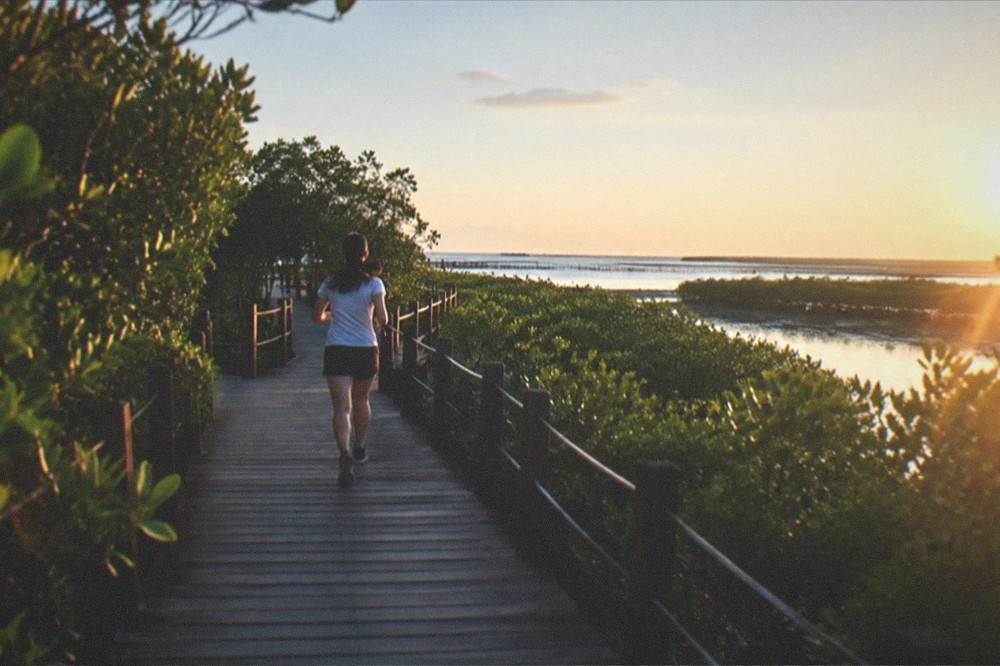
Taijiang National Park is the wetland and lagoon national park that runs along Tainan's coast, covering the old Taijiang inner sea, the Sicao and Qigu mangrove areas, the salt industry sites and the river estuaries behind the offshore sandbars. It was set up to protect a landscape that is half wild and half worked, where oyster farms, salt fields and fish ponds sit inside the same protected boundary as mangrove forest and spoonbill habitat.
The name carries the history. The Taijiang inner sea was the great lagoon that once lay in front of Tainan, and it is the reason the city's story starts where it does: the Dutch came up through this water in 1624, and the Tourism Bureau's Anping Old Fort page records that Fort Zeelandia's works were completed in 1634 on what was then the shore. Over the following centuries the inner sea silted up, the coastline pushed west, and the shallow water became the salt flats, fish ponds and mangrove stands that the national park now protects. The land you walk on here is the reason Tainan is no longer a port city, and the park is in a sense a monument to that silting.
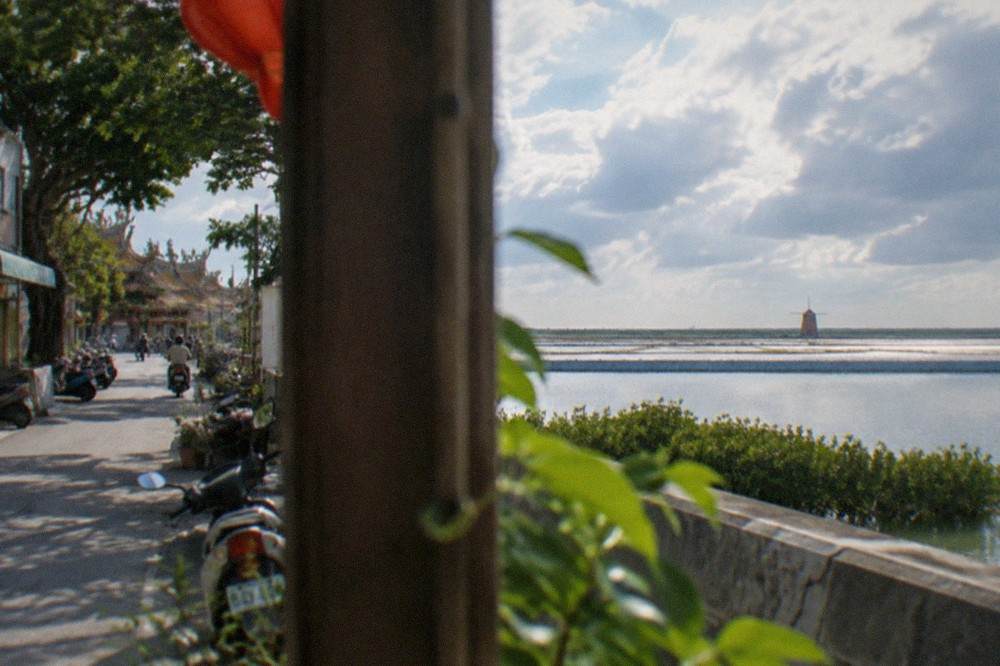
What makes the park unusual among Taiwan's national parks is how much of it is a cultural landscape. This is not untouched wilderness. The Jingzijiao Tile-Paved Salt Fields, where seawater was evaporated across baked-clay pans, are preserved inside the park as industrial heritage. Oyster racks stand in rows across the lagoon shallows, still worked. The Qigu Salt Mountain, a white heap of leftover industrial salt the height of a small hill, sits next to the recreation area. The park's own identity is the meeting of the natural and the made, and a day here moves between the two.
For planning purposes, think of the park as three loose zones: the Sicao area nearest the city, where the Green Tunnel boats run; the Qigu coast in the middle, with the Salt Mountain, the lagoon and the spoonbill wetlands; and the estuary and sandbar edge along the far north near Beimen. None of it is walkable between zones. This is driving, touring or bus country, flat and open, with big skies and almost no shade, which is worth knowing before you pick a summer afternoon.
Where Is Taijiang National Park and How Do You Get There?
Taijiang National Park stretches along the Tainan coast from the Anping area in the south to the Qigu and Beimen wetlands in the north, roughly 30 km end to end. The Sicao boat departure point is closest to the city, about 15 minutes' drive from Anping Old Fort, while the Qigu Salt Mountain and the spoonbill wetlands sit much further north and are realistically a 40 to 60 minute drive from central Tainan.
The honest transport answer is that this coast rewards a car, a tour or a very patient bus plan. The zones are far apart, the stops within each zone are spread out, and there is no rail line along the coast. If you are staying in the old city, the Sicao Green Tunnel is the easy piece: it is close enough to pair with a morning at Anping Old Fort and the Anping Tree House, and the Tourism Bureau's own page for the site lists the boats running 08:00 to 16:00 daily.
Getting to Qigu without a car is slower but not impossible. City buses run the coastal routes, and the city's bus fare policy matters here: buses are free for the first 8 km with an electronic card (Citizen Card, iPASS, EasyCard or iCash 2.0) on the trunk and branch network, provided you tap on and tap off, with the cash fare for the same trip at NT$26. The scheme runs through the 2026 calendar year, so treat it as current policy rather than a permanent one. A Qigu round trip will exceed 8 km, so budget for a fare beyond the free distance, and check the timetable, because coastal frequencies are thin.
The third option is a day tour, and for the northern coast it is the one many visitors end up choosing. A guided day tour that bundles the Sicao Green Tunnel, the Qigu lagoon and coastal temples solves the transport problem entirely and costs less than a private charter. If your trip is short and the coast is a priority, this is the decision point where booking beats improvising.
What Does the Sicao Green Tunnel Boat Ride Cost?
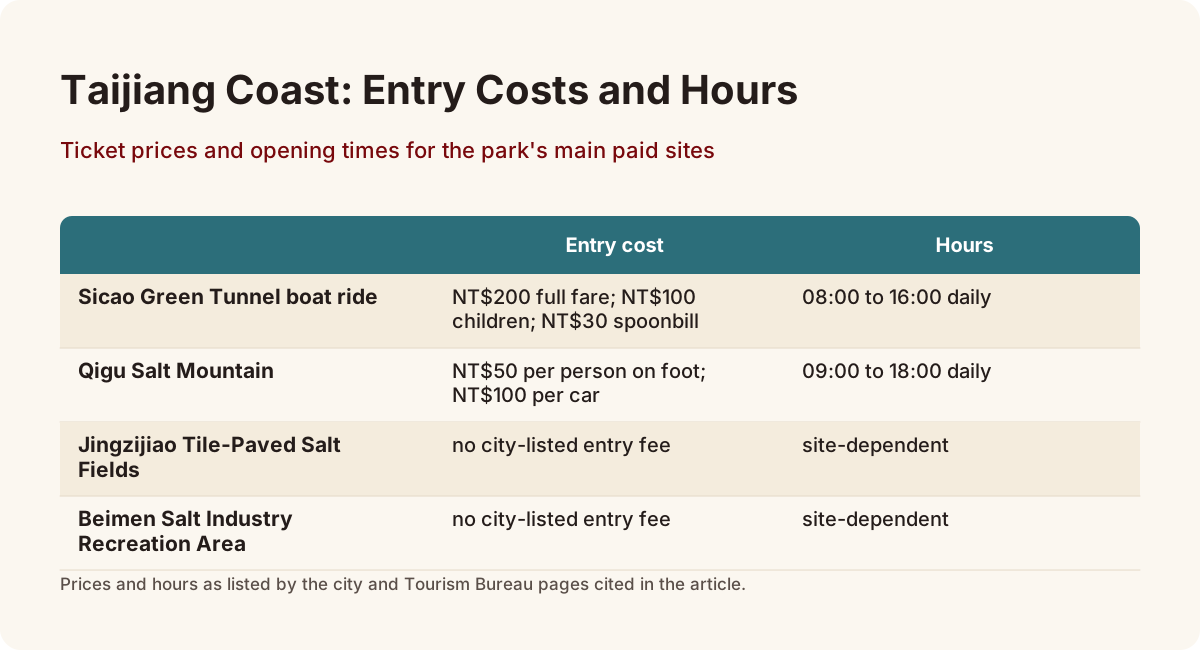
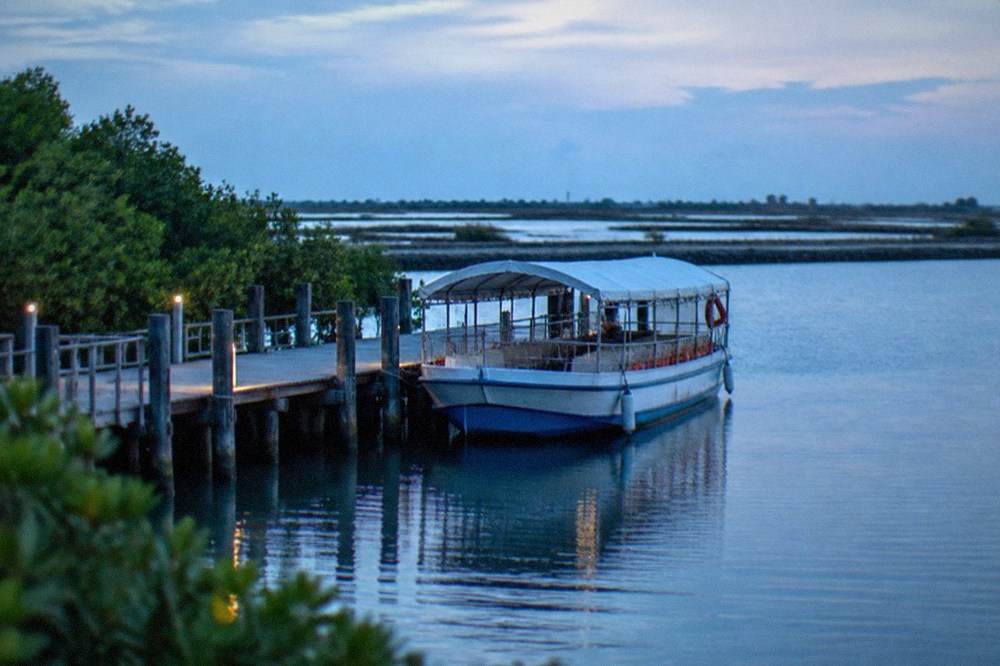
The Sicao Green Tunnel boat ride is NT$200 full fare, NT$100 for primary-school children, NT$30 on the black-faced spoonbill ticket for ages 0 to 6 and 80 or over, and NT$100 on the accessibility ticket, whose holder may bring one companion. Boats run 08:00 to 16:00 daily, and the Tourism Bureau's page for the site also lists a longer Taijiang route at the same NT$200 full fare, so neither route is cheaper.
The fare table deserves spelling out because the concession structure is unusual. The spoonbill ticket is named after the bird the wetlands are famous for, which tells you what the operator thinks the boat's second job is: this is a wetland tour as much as a ride. The accessibility ticket with a companion is a genuine inclusion, not a footnote, and the child fares are steeply discounted rather than token.
| Ticket | Price (NT$) |
|---|---|
| Full fare, either route | 200 |
| Primary-school children | 100 |
| Black-faced spoonbill ticket (ages 0 to 6 and 80+) | 30 |
| Accessibility ticket, holder plus one companion | 100 |
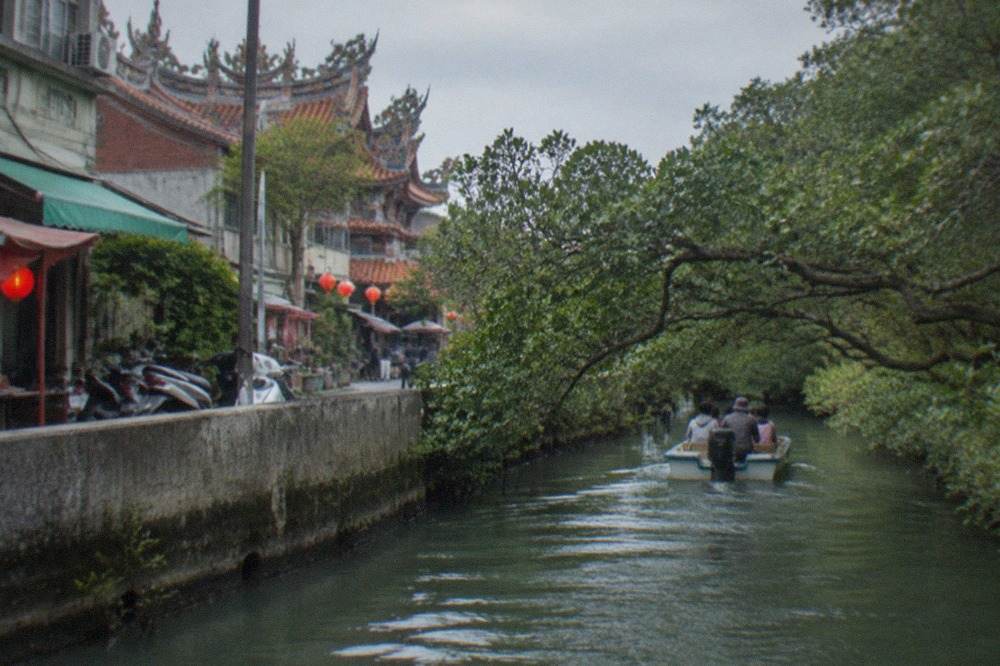
Both routes cost the same, and the choice between them is about time and scenery rather than money. The Green Tunnel route is the famous one: a narrow mangrove channel where the canopy closes overhead, which is the image the park is known by. The Taijiang route is longer and more open, out across the lagoon and the oyster fields. The Tourism Bureau's page for the site lists both at 200, and the boats depart through the day, filling with roughly 30 passengers or after a wait, so in quiet periods you may sit at the jetty a little while. Neither route needs advance booking through the operator, though a prebooked ticket removes the queue question entirely.
The Green Tunnel is close enough to the city to be a half-day trip on its own, and it pairs naturally with the Sicao Green Tunnel area's other stops. If you are combining it with Anping, do the boats in the morning, before the afternoon heat builds, then move to the old streets and the fort after lunch. The mangrove canopy means the boat itself is shaded, but the jetty and the walk to it are not.
The boat is the one item on the coast where a decision in advance changes your day, because the queue at the jetty is the only queue you will meet out here. Everything else on the salt coast is turn-up-and-go, which is part of its charm.
What Can You See at Qigu Salt Mountain and the Jingzijiao Salt Fields?
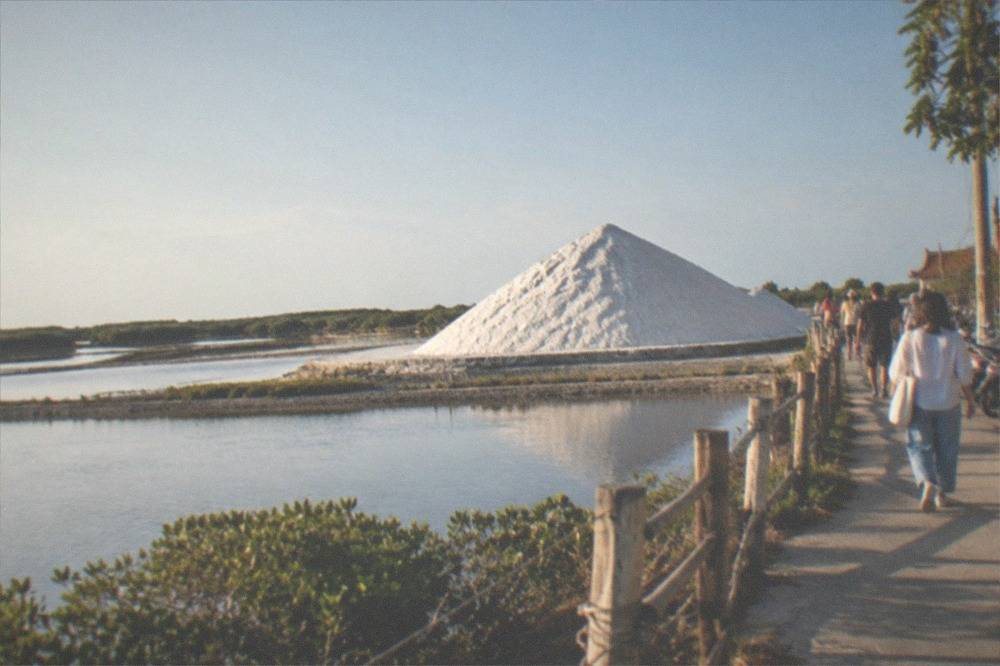
Qigu Salt Mountain charges a NT$50 cleaning fee per person arriving on foot, by scooter or by bicycle, and NT$100 per car, with coaches of 20 or more seats free. It is open 09:00 to 18:00 daily, and the salt fields at Jingzijiao, where the tile-paved evaporation pans survive, recorded 636,193 visitors in 2023, which makes them one of the coast's biggest draws.
The Salt Mountain is exactly what the name says: a steep white hill of residual industrial salt, left over from the decades when Qigu was a production centre, now painted and landscaped into a tourist site. The cleaning fee is not an admission price in the usual sense, it is exactly what the city's page for the site calls it, a per-person and per-vehicle charge, and it is one of the smallest fees you will pay anywhere in Tainan. The Tourism Bureau's page lists 09:00 to 18:00 daily, with no closure day noted.
| Salt coast site | Entry cost | Hours | 2023 visitors |
|---|---|---|---|
| Qigu Salt Mountain | NT$50 per person on foot; NT$100 per car; coaches 20+ seats free | 09:00 to 18:00 daily | within Qigu Salt Industry Recreation Area, 690,750 |
| Jingzijiao Tile-Paved Salt Fields | no city-listed entry fee | site-dependent, check before you go | 636,193 |
| Beimen Salt Industry Recreation Area | no city-listed entry fee | site-dependent, check before you go | 344,093 |
Jingzijiao is the more historically interesting of the two for many visitors. The tile-paved pans, laid with baked clay bricks that draw the heat and let seawater evaporate evenly, are the last working example of this method on the coast, and the site operates as a heritage display where salt is still made in the traditional way in season. The 2023 count of 636,193 visitors puts it ahead of Chihkan Tower, at 443,622, which tells you how strong domestic interest in the salt coast is, even though the methods differ between an open heritage site and a ticketed fort, so the comparison is indicative rather than exact.
A caveat the whole coast deserves: the visitor counts above come from the Tourism Administration's own dataset, compiled by each site operator, and the 2020 to 2022 years are COVID-depressed, so treat the 2023 figures as a recovery-year snapshot rather than a long-run average. The structural point stands regardless of the exact numbers: the salt coast outdraws several of Tainan's famous historic sites, and it does so without being on most international itineraries.
Practically, the Salt Mountain and Jingzijiao are a short drive apart and make a natural pairing, and both are flat, exposed and hot in the afternoon from April through October. The Central Weather Administration's 1991 to 2020 normals for Tainan show 186 days a year above 30C, concentrated from April to October, so a salt coast visit in those months belongs in the morning.
When Is the Best Time to Visit Taijiang for Black-Faced Spoonbills?
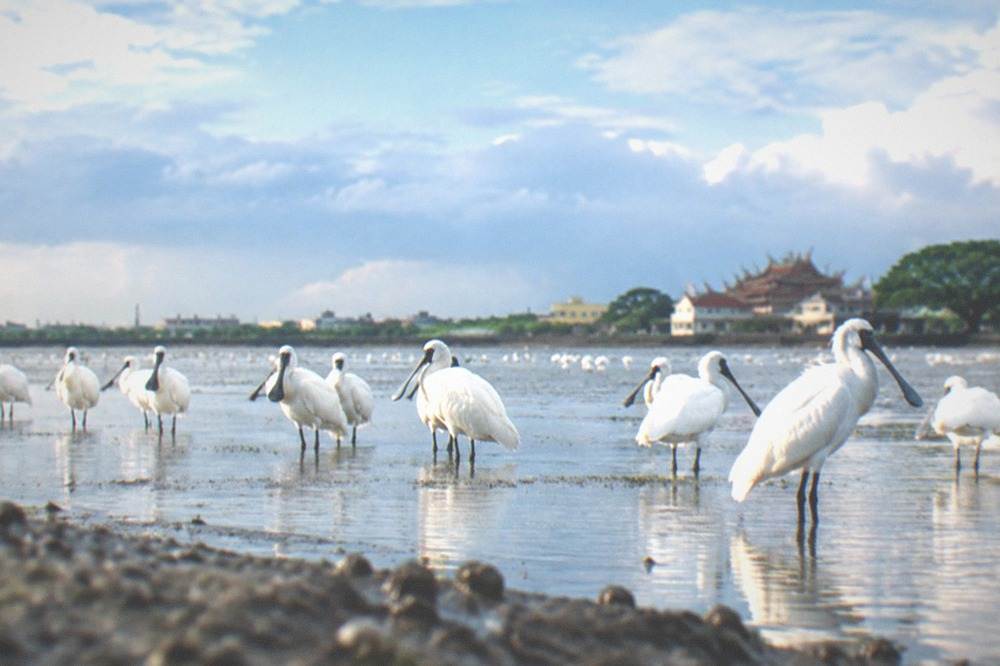
The black-faced spoonbills winter in the Qigu wetlands and the Zengwen River estuary, arriving around September or October and departing by March to May, with the core viewing season in the winter months. The Tourism Administration's nature page for the species places the core wintering habitat exactly here, so the calendar matters more than any other planning choice: come between late autumn and early spring and the birds are the park's headline, come in summer and they are gone.
The spoonbill is the park's flagship species, a large white wading bird with a distinctive spatulate bill, and the Qigu wetlands are one of its most important wintering sites anywhere. The season framing above comes from the Tourism Administration's own species page, which describes arrival in September or October and departure by March to May. What no source in this site's research supports is a population count or a guaranteed sighting, so treat any specific number you read elsewhere with caution: the honest line is that winter brings the birds in numbers that make the reserve worth the trip, and that the black-faced spoonbill reserve exists precisely because of this.
Winter is also, conveniently, the best time to be on this coast for reasons that have nothing to do with birds. The Central Weather Administration's normals for Tainan show the rain is almost entirely a summer event: August averages 466 mm across about 16 wet days, December just 16 mm across 3, and close to three-quarters of the annual 1,761 mm falls between May and September. October is the driest month by wet days, 2.8, while still averaging 30.8C maxima. October to March is the dry, comfortable half of the year, and it overlaps almost exactly with spoonbill season.
| Month | Mean max (C) | Rain (mm) | Wet days | Spoonbills present |
|---|---|---|---|---|
| October | 30.8 | 30.8 | 2.8 | arriving |
| November | 28.1 | 23.8 | 2.4 | yes |
| December | 24.4 | 16.2 | 3.0 | yes, peak comfort |
| January | 23.0 | 20.7 | 3.8 | yes, peak season |
| February | 24.0 | 21.6 | 4.1 | yes |
| March | 26.6 | 30.4 | 4.2 | departing |
The one thing to weigh against winter's advantages is the wind. The coast is open to the Taiwan Strait, and there is little between you and the water, so a January morning at Qigu can feel far colder than the 23C maximum suggests. Bring a windproof layer even in the dry season, and pick the sheltered mangrove boat over the open wetland platforms if the wind is up.
What Else Is There to Do Around Taijiang National Park?
The park's edges carry several of Tainan's best half-day stops: the Eternal Golden Castle at 08:30 to 17:30 daily for NT$70, the Anping canal and old street area which is free to wander, the National Museum of Taiwan History at NT$100 regular admission, and the oyster and seafood restaurants of the Qigu coast, whose seafood festival the city calendar places in July and August. None of these are inside the park proper, but all of them sit within a short drive of its main gates.
The southern edge is the easiest to combine. The Sicao boats sit minutes from Anping, so a single morning can take in the Eternal Golden Castle, the Qing-era battery the city lists at NT$70 with 08:30 to 17:30 hours, and then the boat ride, before an afternoon on Anping Old Street. The castle is the park's historical bookend: the Tourism Bureau's Anping Old Fort page records that Qing troops dismantled parts of the Dutch fort to build it, so the coast's two most photogenic fortifications are literally made of each other.
The northern edge pairs with the National Museum of Taiwan History, which explains exactly the lagoon-and-silt story this park embodies, and whose own site lists hours of Tuesday to Sunday 09:00 to 17:00 with regular admission at NT$100. It is the single best place to understand what you have been looking at all day, and it sits close enough to the coast route to slot in before or after the salt sites.
The food is its own reason to come north. The Qigu lagoon's oyster industry supplies the coast's restaurants, and the city's official festival calendar places the Qigu Seafood Festival in July and August, timed to the local harvest calendar. No official price list for the coast's restaurants exists, and this site will not invent one, but oyster dishes are the region's signature and the festival months are when the coast celebrates them. If you want the lagoon's produce with the logistics handled, an ecological tour with an oyster buffet included bundles both.
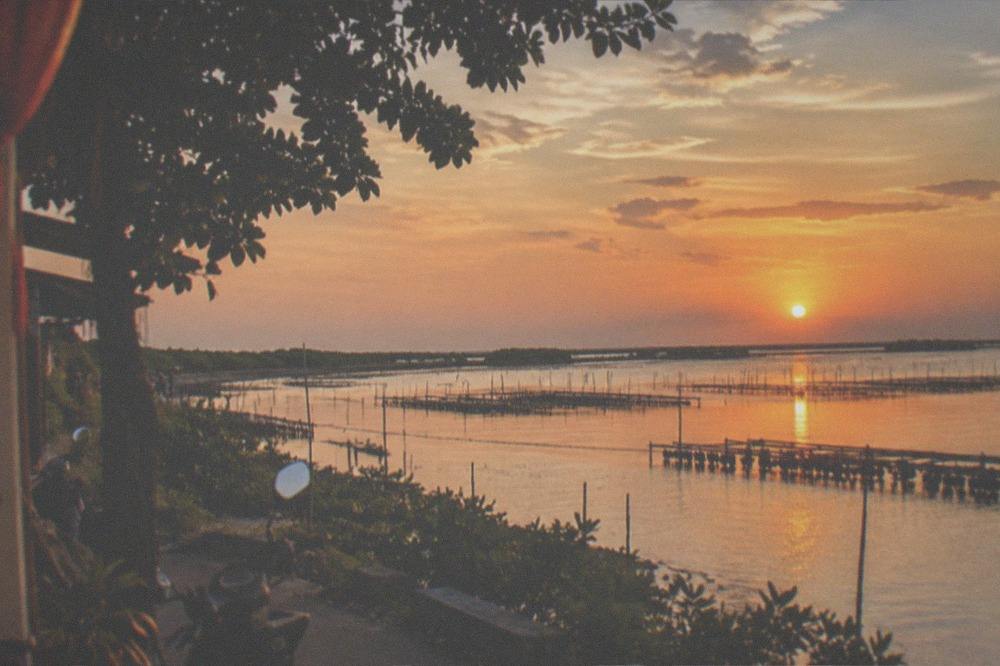
For photographers, the coast is the least crowded big-name backdrop in Tainan. The salt pans, the oyster racks at sunset and the wetland platforms all sit under wide open sky, and a professional shoot here costs less time than in the old city's lanes because there are no crowds to work around. A guided day tour that strings the coast's stops together with the reservoir country inland is another way to cover the ground without driving it yourself.
How Should You Plan a Day in Taijiang National Park?
A sensible Taijiang day pairs one boat ride, one salt site and one wetland stop, in that order: boats first while the light is soft and the mangroves are shaded, salt sites mid-morning before the exposed pans heat up, and wetland platforms in the afternoon when the spoonbills feed.
If you are staying in central Tainan, do the Sicao-Anping end as one half-day and save the Qigu coast for a second day with a car or a tour, because the two ends are too far apart for one comfortable loop.
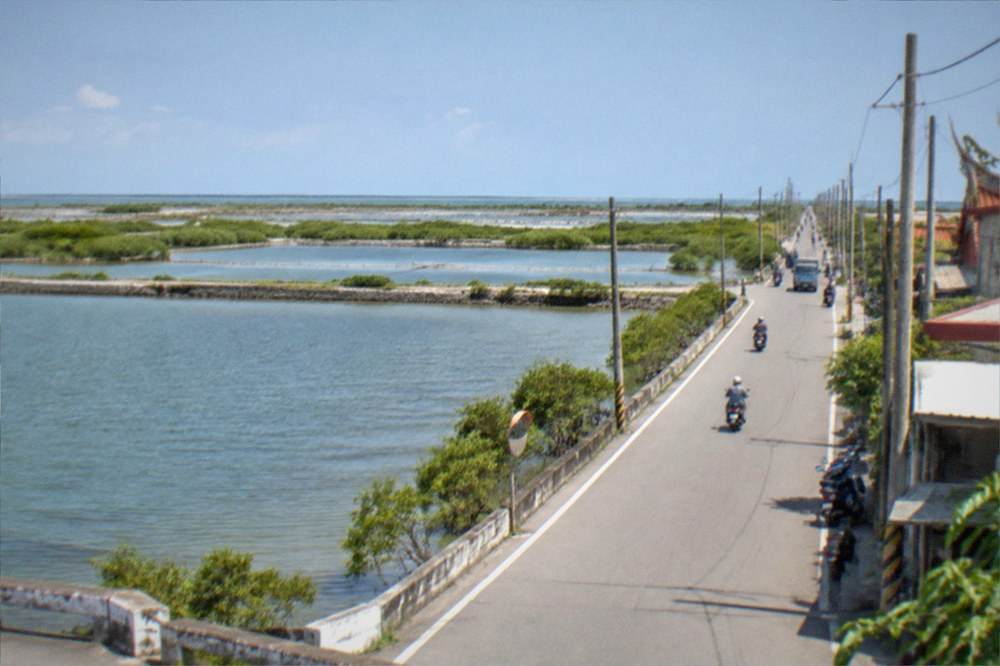
The single most common planning mistake is treating the park as one place. It is not. Sicao to Qigu is a serious drive along the coastal highway, and a one-day itinerary that tries for the Green Tunnel, the Salt Mountain, Jingzijiao and the spoonbill reserve will spend more time in the car than at any of them. Two half-days beat one overstuffed day.
The second mistake is ignoring the season when choosing the order. In summer, the Central Weather Administration's normals show June, July and August each averaging between 370.5 and 466.1 mm of rain, so an afternoon slot outdoors carries real risk, and typhoon risk concentrates in the late-summer months on top of that. In winter, rain is negligible but the wind is real, so the open platforms are colder than the numbers suggest. Either way, put the exposed parts of the day in the morning.
| Season | Coast conditions | Best plan |
|---|---|---|
| October to March | Dry, 2 to 4 wet days a month, spoonbills present, windy | Full coast day viable, wetlands a priority |
| April to May | Warming, rain rising from 69.8 to 165.6 mm a month | Morning boats, indoor museum as backup |
| June to September | Hot, 370.5 to 466.1 mm a month in the peak, typhoon risk late summer | Siaobei-style indoor options in the city, early starts outdoors |
The third decision is money, and here the coast is kind. The full list of verified costs for a Taijiang day is short: NT$200 for the boat, NT$50 per person at the Salt Mountain, NT$100 per car there, and nothing at all for the salt field heritage sites, the wetland platforms or the temple stops. A couple could do the entire coast for well under NT$1,000 in entry costs, which makes it one of the cheapest full days out in Tainan. The city's own pages note that prices are for reference and the on-site notice governs, so check the gate boards when you arrive.
Common Questions About Taijiang National Park
Is Taijiang National Park worth visiting?
Yes, if you have two or more days in Tainan or a specific interest in birds, salt heritage or coastal landscape. The Sicao Green Tunnel boat, the Qigu Salt Mountain and the spoonbill wetlands are three distinct experiences, and the 2023 visitor counts for the salt coast sites, 690,750 for the Qigu Salt Industry Recreation Area, show strong sustained demand. If you have only one day in the city, the historic centre will usually win.
How much does Taijiang National Park cost?
The park itself has no entry gate or park-wide fee. The paid items inside it are the Sicao boat rides at NT$200 full fare and the Qigu Salt Mountain cleaning fee of NT$50 per person on foot or NT$100 per car. The salt field heritage sites, the wetland viewing areas and the temple stops cost nothing.
Can you see black-faced spoonbills at Taijiang National Park?
In winter, yes. The Tourism Administration's species page places the birds in the Qigu wetlands and Zengwen River estuary from around September or October until March to May. No source in this site's research publishes a current population count or guarantees a sighting, so go in the core winter months for the best odds and treat any sighting as a bonus rather than a certainty.
How do I get from Tainan city to Sicao Green Tunnel?
The Sicao departure point is the closest part of the park to the city, a short drive from the Anping area, and it pairs easily with a morning at Anping Old Fort and the Anping Tree House. City buses serve the coastal routes, free for the first 8 km with an electronic card under the city's 2026 policy, tap on and tap off, with the cash fare at NT$26 for the same trip. Boats run 08:00 to 16:00 daily.
Is the Taijiang boat route or the Green Tunnel route better?
Both cost NT$200 full fare, so the choice is not about money. The Green Tunnel route is the narrow mangrove channel with the closed canopy, the park's signature image. The Taijiang route is longer and more open, across the lagoon. If you want the famous photographs, take the Green Tunnel. If you want open water and oyster fields, take the Taijiang route.
When is the Qigu Seafood Festival?
The Tainan City Government Tourism Bureau's official festival calendar places the Qigu Seafood Festival in July and August. Exact dates vary year to year and are announced by the city, so check the calendar before planning a trip around it.
The coast is where Tainan's story started and where its quietest scenery still is. Plan around the calendar, split the park into its two ends, and the lagoon country rewards a full day better than almost anything else in the city's orbit. For the wider picture of how the old city and the coast fit together, Tainan Travel Guide covers the historic centre, the night markets and the transport links that get you out here.