Birdwatching and the Black-Faced Spoonbill
Tainan's coastal wetlands are one of the world's key wintering grounds for the endangered black-faced spoonbill, and the birds arrive on a schedule that matches the city's dry season almost exactly.
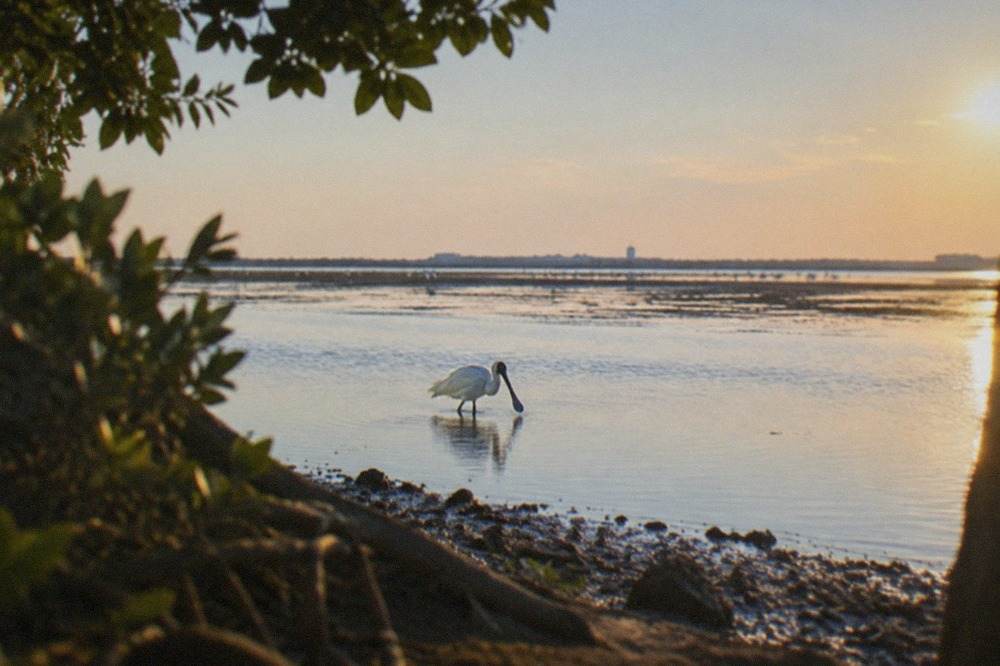
Short answer
The black-faced spoonbill winters in the Qigu wetlands and Zengwen River estuary west of Tainan, with birds typically arriving in September or October and departing by March to May. The Sicao Green Tunnel boats cost NT$200 and run 08:00 to 16:00 daily, and Qigu Salt Mountain charges a NT$50 cleaning fee per person on foot.
The black-faced spoonbill is one of the rarest large waterbirds on earth, and one of the most reliable places to find it in winter is the flat, salty coast west of Tainan. The Tourism Administration's own nature pages describe the Qigu wetlands and the Zengwen River estuary as the core wintering habitat for the species in Taiwan, with birds typically arriving in September or October and departing by March to May. That schedule lines up almost perfectly with the city's dry, comfortable half of the year, which makes a birding trip to Tainan one of the few winter sun plans that also doubles as a conservation story. This page sets out where the birds actually are, what the boat and entry fees really cost, and how to plan days around the coast.
Where Can You See Black-Faced Spoonbills Near Tainan?
The core wintering habitat is the Qigu wetlands and the Zengwen River estuary on Tainan's west coast, with the Qigu Salt Industry Recreation Area, the Sicao Green Tunnel mangroves and the Taijiang inner sea area as the main accessible viewing points. The Tourism Administration's nature pages identify this stretch of coast as the species' principal wintering ground in Taiwan, and the city's own attraction pages cover each site with hours and fares.
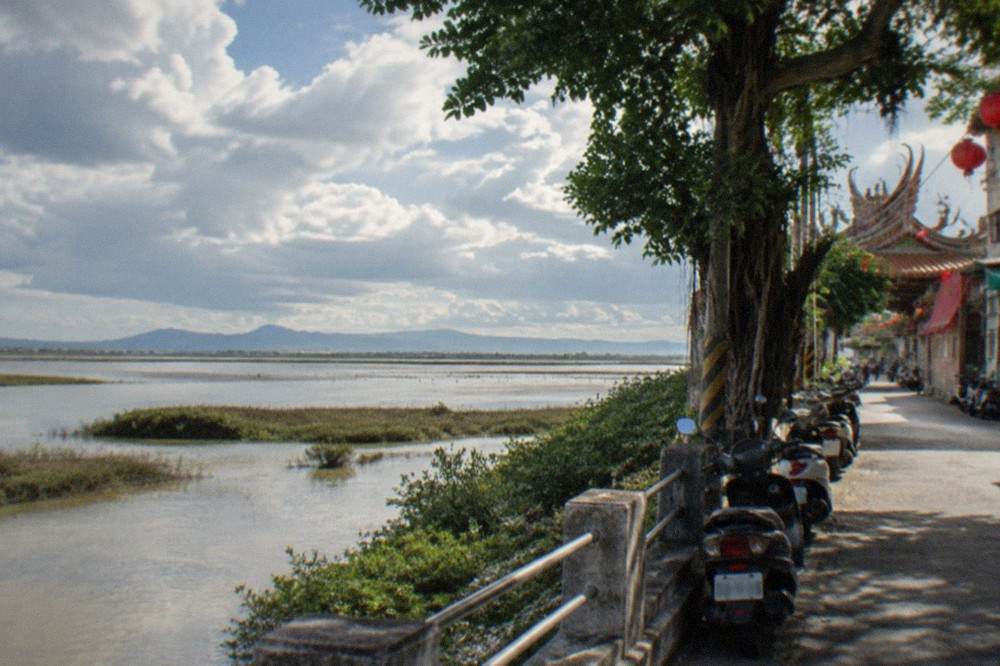
The geography matters more than the names. Tainan's western edge is a silting coast: the old Taijiang inner sea, which the Dutch sailed into in the seventeenth century, has been filling in for centuries, and what is left is a mosaic of fish farms, abandoned salt evaporation ponds, mangrove channels and estuarine mudflats. Spoonbills like exactly that. They feed in shallow water by sweeping their bills through the mud, and disused salt pans and aquaculture ponds at drain-down provide shallow, food-rich, low-disturbance water that suits them. The black-faced spoonbill reserve page on this site covers the protected area itself in detail.
For a first visit, the practical anchor points are three. Qigu, the northernmost coastal district, holds the salt mountain, the lagoon boat trips and the largest expanse of wetland. Sicao, just north of the Anping canal mouth, is closer to the city and has the mangrove Green Tunnel boats. Beimen, further up the coast, is a smaller salt-industry area with its own visitor numbers in the official dataset. All three are within a day trip of central Tainan by car or tour bus.
When Is Black-Faced Spoonbill Season in Tainan?
The birds typically arrive in September or October and stay through the winter, departing by March to May, so the core viewing season is the cold half of the year. That coincides with Tainan's dry season: the Central Weather Administration's 1991 to 2020 normals show October getting just 30.8 mm of rain across 2.8 wet days, against August's 466 mm across 16, so a winter visit trades summer storms for the birds.
This is the quiet advantage of a winter Tainan trip, and it is the opposite of the way most travelers plan Taiwan. The verified climate normals for station 467410, published by the Central Weather Administration, show that October to March is the dry, comfortable half of the year: December, the driest month, averages 16.2 mm of rain across three wet days, and October averages 30.8C maxima with fewer wet days than any other month. The spoonbills are present for almost exactly that window. The Tourism Administration's species page gives September or October arrival and March to May departure as the typical pattern.
Two caveats belong here, both honest. No source in this site's research files publishes a per-season bird count for the Qigu wintering population, so this page does not print one, and no sighting is ever guaranteed: the birds move between ponds, and a morning at one spot can produce nothing while the next lagoon over is full. The second caveat is timing within the day. Estuary birds generally feed on falling tides and rest at high tide, so checking a tide table for the Zengwen River mouth before choosing a morning is the single most useful planning step after the season itself.
The season also reshapes the rest of a Tainan itinerary. Winter is when the city's own calendar is busiest with human events, and the best time to visit Tainan guide on this site covers that trade-off in full. Birders who want both the spoonbills and comfortable walking weather get the best of both from November to February.
How Much Do the Sicao Green Tunnel Boats Cost?
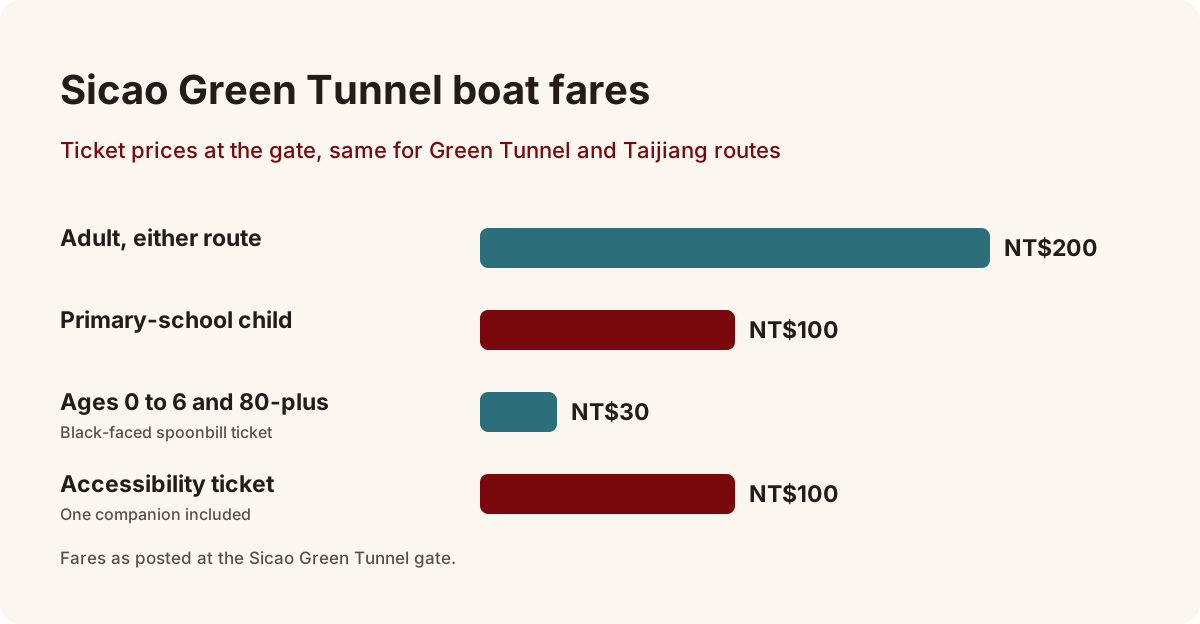
The Sicao Green Tunnel boat ride is NT$200 full fare at the gate, with NT$100 for primary-school children, a NT$30 "black-faced spoonbill" ticket for ages 0 to 6 and 80-plus, and a NT$100 accessibility ticket whose holder may bring one companion. Boats run 08:00 to 16:00 daily, and both the Green Tunnel route and the longer Taijiang route cost the same NT$200, so there is no cheaper option between them.
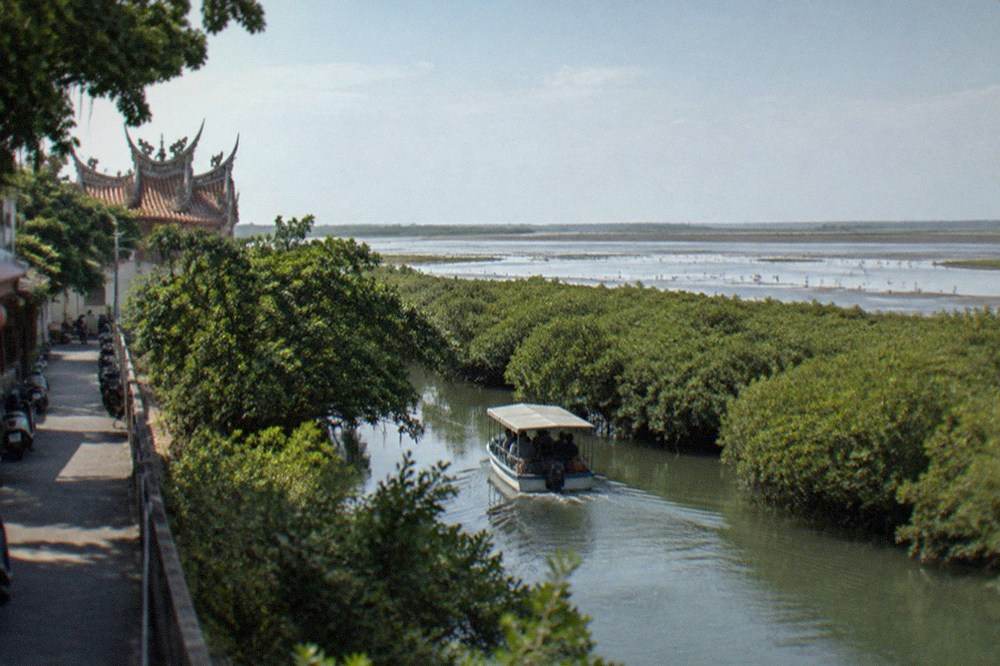
Those fares come from the Tainan City Government Tourism Bureau's own page for the site, which is the authority this site reports. The pricing structure is unusual and worth reading carefully: the "black-faced spoonbill" ticket name is the operator's own label for the youngest and oldest riders, a small reminder of how central the bird is to this stretch of coast. The Green Tunnel route is the short one, a mangrove channel ride the city page describes as a round trip through the trees. The Taijiang route is longer and goes out toward the open water of the inner sea where the spoonbills and other waterbirds actually feed.
| Sicao boat ticket | Fare (NT$) |
|---|---|
| Adult, either route | 200 |
| Primary-school child | 100 |
| Ages 0 to 6 and 80-plus ("black-faced spoonbill" ticket) | 30 |
| Accessibility ticket, one companion included | 100 |
The choice between the two routes is a birding decision more than a budget one, since the price is identical. The Green Tunnel is the famous photograph: a narrow mangrove canopy the boats pass beneath, with fiddler crabs and mudskippers on the banks. The Taijiang route spends more time in open estuary water, which is where the odds of a spoonbill sighting are better, and the operator's departures depend on demand and weather, so the city page's advice to check ahead holds for both. If the spoonbill is the point of the day, the Taijiang route is the one to ask for at the counter.
What Is There to See at Qigu Salt Mountain?
Qigu Salt Mountain charges a NT$50 cleaning fee per person on foot, per scooter or per bicycle, and NT$100 per car, with coaches of 20 or more seats free, and it is open 09:00 to 18:00 daily. The site is a retired salt evaporation mountain next to active wetland, so a visit pairs a short climb up the white heap with bird habitat on the flat land around it.
The salt mountain is exactly what the name says: a heap of industrial salt left over from the evaporation fields that ran here until the industry ended, now painted, signposted and climbed by visitors. The Tourism Bureau's page for the site gives the fees and hours above, and the surrounding recreation area is where the birding value lies. Retired salt land and drained aquaculture ponds are the spoonbill's preferred feeding habitat, so the flat ground between the mountain and the lagoon is as much a part of the site as the mountain itself.
| Salt coast site | 2023 visitors | Peak month |
|---|---|---|
| Qigu Salt Industry Recreation Area | 690,750 | January |
| Jingzijiao Tile-Paved Salt Fields | 636,193 | January |
| Beimen Salt Industry Recreation Area | 344,093 | January |
Those three rows carry a caveat this site repeats wherever the dataset appears: each operator compiles and reports its own count, so a ticketed museum and an open old street are not measured the same way, and the 2020 to 2022 years are COVID-depressed. But the January peaks are consistent across all three, which matches the wider finding that Tainan's visitor high season is winter, not summer. For a birder that is good news twice over: the coast is at its most crowded in the very months the spoonbills are present, yet the crowds cluster on the salt mountain and the food stalls, not on the pond banks at dawn.
What Other Birds Can You See on the Tainan Coast?
The same wetlands that hold the black-faced spoonbill in winter also support herons, egrets, cormorants, kingfishers, sandpipers and plovers through the year, because the mosaic of mangrove, mudflat, fish pond and salt pan feeds different species at different water depths. The spoonbill is the headline, but the habitat itself, the Taijiang inner sea's silting legacy, is what makes the coast a birding destination in every season.
The habitat diversity is the real asset. The mangrove fringe along the Sicao and Qigu channels holds kingfishers and herons that hunt the roots at low water. The mudflats of the estuary carry shorebirds on migration, present in numbers in spring and autumn as they move along the East Asian flyway. The fish ponds, which cover far more ground than any reserve does, hold egrets year round and cormorants in winter. The Tourism Administration's nature pages describe the Zengwen River estuary system as internationally significant wintering habitat, and the spoonbill is its most counted resident, but a morning anywhere on that coast in January will produce a list well beyond one species.
Practical birding on this coast is mostly a matter of picking a bank and being early. The public road network along the fish ponds west of Qigu and Sicao gives access to miles of pond edges, and the getting around Tainan guide covers the transport options, including the city bus network where the first 8 km is free with an electronic card on trunk and branch routes during the current scheme year. One caution from the verified transport facts: tap off when you leave the bus, because the free distance only applies with a card tap on and off, and the cash fare for the same trip is NT$26.
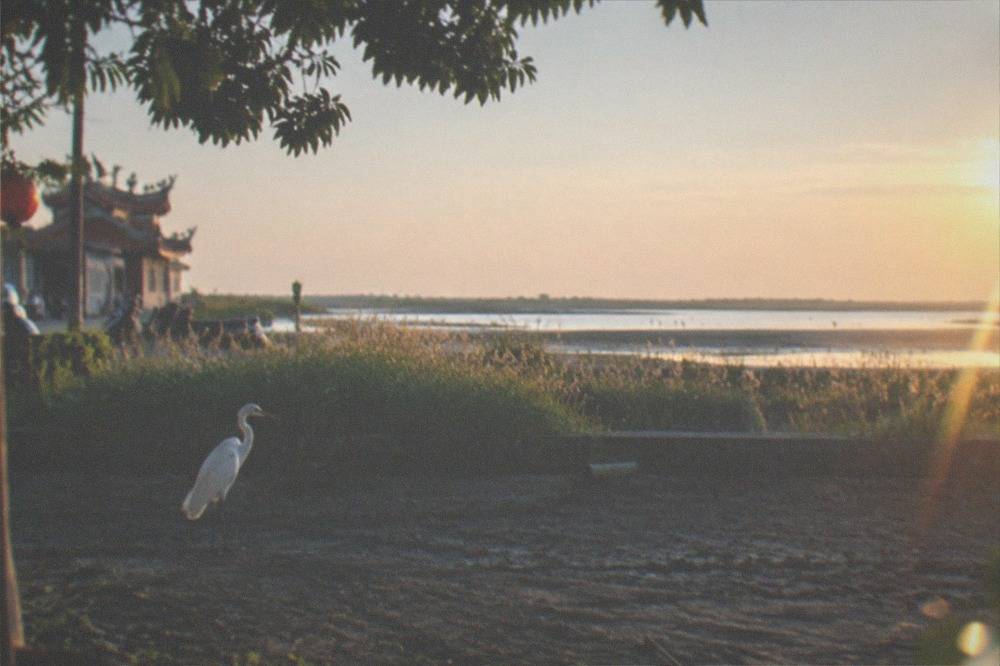
How Do You Get to the Qigu Wetlands?
Qigu sits on Tainan's northwest coast, and there is no rail line to it: the district is reached by city bus, by car, or by a guided day tour, with the High Speed Rail station at Shalun in Guiren District far to the east and connected to the city center by transfer. Most birders base themselves in central Tainan or Anping and travel out to the coast for mornings, which keeps the accommodation and food options wide.
The distance is the thing to plan around. The HSR station is not in Tainan's old city, it is at Shalun in Guiren District, and the coast is a further leg west from the city center, so a birding day built around dawn light means either staying near the coast or accepting an early start from town. The Taiwan High Speed Rail guide on this site covers fares, including the verified NT$1,350 standard reserved fare from Taipei, and the Taipei to Tainan and Kaohsiung to Tainan pages cover the two main arrival corridors. The verified free option worth knowing is the H31 HSR express bus, free for HSR passengers on production of a ticket stub, with the section break at the Chimei Museum for other riders paying NT$18 or NT$36.
| Arrival route | Verified fare | Notes |
|---|---|---|
| HSR Taipei to Tainan | NT$1,350 standard reserved | Station is at Shalun, not the city center |
| HSR Zuoying to Tainan | NT$140 standard reserved | Zuoying is the Kaohsiung HSR stop |
| City bus, first 8 km | Free with card, NT$26 cash | Tap on and tap off, current scheme year |
| H31 HSR shuttle | Free with HSR ticket stub | Otherwise NT$18 one section, NT$36 two |
For staying near the birds, the honest answer is that the coast's accommodation is limited and the city's is not, so most visitors sleep in town. The where to stay in Tainan guide covers the districts, and Anping is the compromise that puts you halfway between the night markets and the wetlands. The Tainan HSR station page covers the Shalun transfer in detail for anyone arriving by fast train.
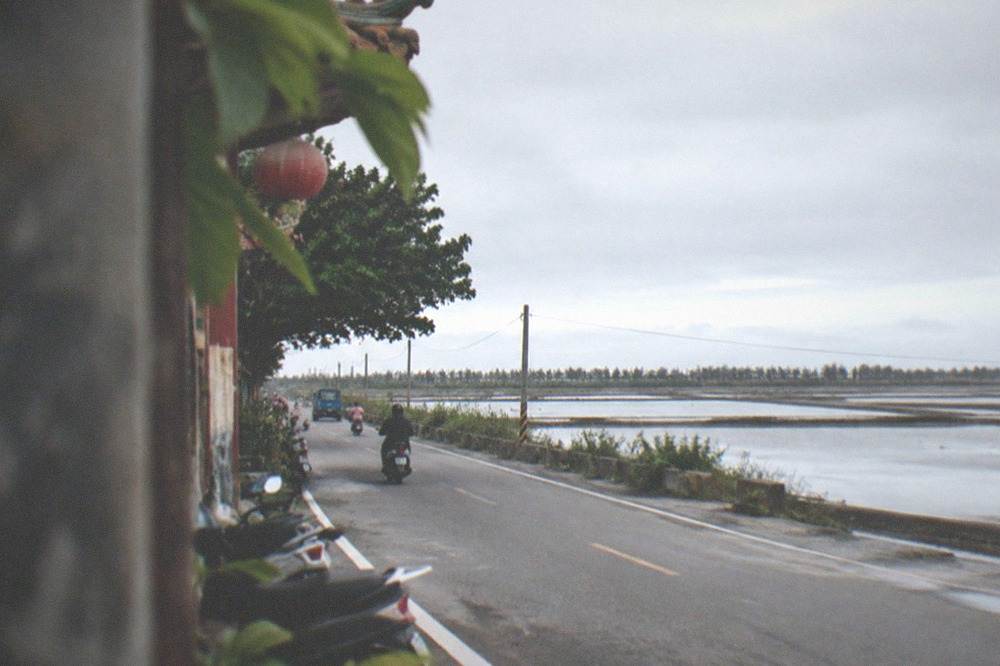
What Should a One-Day Birdwatching Itinerary Look Like?
A realistic day starts at first light on the Qigu pond banks or the Sicao mangroves, takes the Taijiang boat route mid-morning when departures fill, spends the early afternoon at Qigu Salt Mountain or the Jingzijiao tile-paved salt fields, and ends back in the city for the evening, when Chihkan Tower's 08:30 to 21:30 hours make it one of the few historic sites open after dinner. The shape of the day matters more than any single stop.
The reason for the dawn start is the birds, but the reason the day works is the coast's geography: the sites sit in a line along the coast road, so a single north-to-south or south-to-north sweep covers all of them without backtracking. Sicao is closest to the city, Qigu is furthest, and Beimen is beyond Qigu for anyone with time. A southbound sweep starting in Qigu means the long drive happens in the dark and the return is short.
A sample structure, with verified hours:
| Time | Stop | Verified hours |
|---|---|---|
| Dawn | Qigu pond banks and lagoon edge | Public road, unrestricted |
| Mid-morning | Sicao Green Tunnel or Taijiang boat | 08:00 to 16:00 daily |
| Early afternoon | Qigu Salt Mountain | 09:00 to 18:00 daily |
| Late afternoon | Drive back via Anping Old Fort | 10:00 to 17:10 daily |
| Evening | Chihkan Tower after dinner | 08:30 to 21:30 daily |
The evening row is a genuine Tainan quirk worth planning around: the Tourism Bureau's page for Chihkan Tower lists 08:30 to 21:30 daily, which makes it one of the few historic sites in the city a visitor can see after dark. A birding day that ends at 16:00 on the coast does not have to end the sightseeing at 17:00. The Tainan attractions overview page lists the full set of sites with their hours for anyone building a longer trip.

Do You Need a Tour or Can You Go Independently?
The coast is fully visitable independently by car or bus, but a guided boat or day tour adds local eyes that find birds most first-time visitors miss, and the lagoon boat tours are the one part of the day where a guide changes what you see rather than just how you travel. Independent travelers with a rental car lose nothing but the spotting; travelers on public transport lose time.
That is the honest split. The pond banks and salt flats are public and free to stand on, and no ticket exists for the spoonbills themselves: the only verified costs on the coast are the boat fares, the salt mountain cleaning fee and transport. What a tour sells is identification and search efficiency, plus, on the lagoon ecology trips, the oyster-farm side of the coast that a car visitor drives past without understanding. The Tainan weather and typhoon season pages matter here too: boat departures depend on weather and demand, and the operator's own notice governs on the day.
For visitors who prefer structure, the day tours that combine the lagoon with the inland sites are the efficient choice, since they fold the coast into a route that also covers Chihkan Tower and Anping. The lagoon ecology trip with the oyster buffet is the one most directly aimed at this page's subject, and the boat scenic ride is the single-activity option.
What Should You Pack for Winter Birding on the Tainan Coast?
Pack for warm, dry, bright weather rather than cold: winter in Tainan averages 17.9C to 21.6C mean monthly temperatures with three to four wet days a month, so the needs are sun protection, water and layers for early mornings on open water, not rain gear. The one exception is a northeast wind day on the exposed lagoon, where a windproof layer earns its place on the boat.
The climate normals make the case numerically. January, the coldest month, averages a mean of 17.9C with a mean maximum of 23.0C and 20.7 mm of rain. February and March warm steadily from there. Against that, the sun is strong: Tainan averages 2,185 hours of sunshine a year, and an open boat or a treeless pond bank in January is a sun exposure problem more than a warmth problem. A hat, sunscreen and more water than seems necessary are the packing items that get missed.
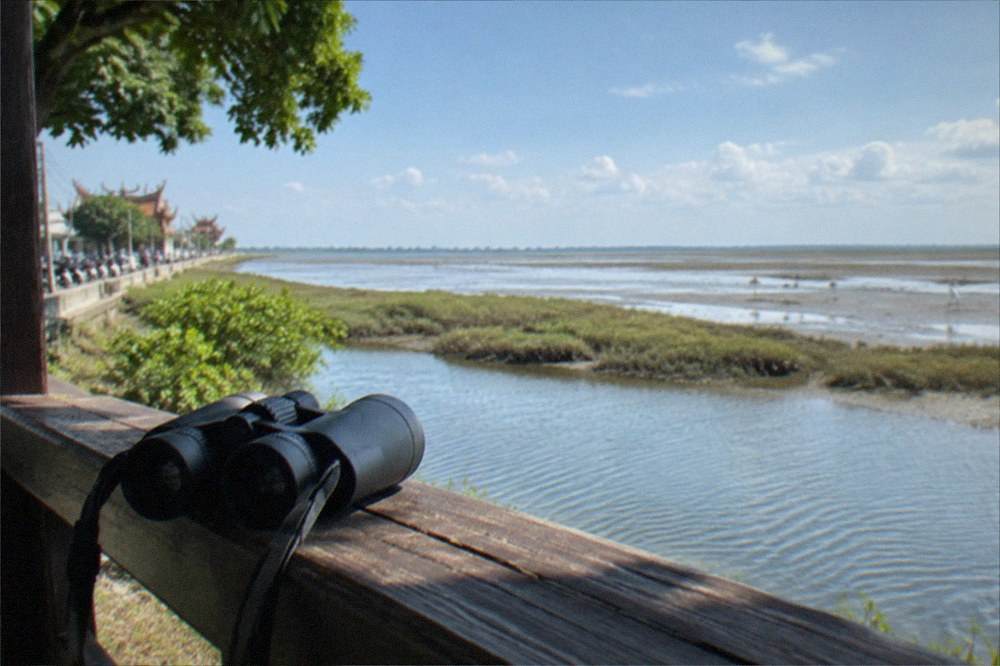
The rest of the kit is ordinary birding kit. Binoculars matter more than a camera for the spoonbills, because the birds feed at distance across open water and a spotting scope is what the serious visitors carry. Footwear for the pond banks should expect mud, since the drained aquaculture flats that attract the birds are the same flats that hold water. And the practicalities of the coast are thin: the English in Tainan guide covers the signage reality, which is improving at the big sites but thinner on the back roads, so offline maps for the pond-bank roads are worth downloading before the drive.
Common Questions About Birdwatching in Tainan
When can you see black-faced spoonbills in Tainan?
The birds typically arrive in September or October and depart by March to May, so the core season is October through February. The Tourism Administration's nature pages give that window for the Qigu wetlands and Zengwen River estuary system, and no sighting is guaranteed on any given day.
How much does the Sicao Green Tunnel boat cost?
NT$200 full fare for either the Green Tunnel route or the longer Taijiang route, with NT$100 for primary-school children, NT$30 for ages 0 to 6 and 80-plus, and a NT$100 accessibility ticket that includes one companion. Boats run 08:00 to 16:00 daily, weather and demand permitting.
Is Qigu Salt Mountain worth visiting for birdwatching?
The mountain itself is a short climb up a retired salt heap, but the flat wetland around it is genuine spoonbill habitat, and the NT$50 per-person cleaning fee on foot buys access to both. The 2023 visitor count for the wider Qigu Salt Industry Recreation Area was 690,750, peaking in January.
Can you get to the Qigu wetlands by public transport?
Yes, by city bus, though the coast has no rail line and the journeys are slow. City buses are free for the first 8 km with an electronic card on trunk and branch routes under the current scheme, provided you tap on and tap off; the cash fare for the same trip is NT$26. A car or a day tour is the faster option.
Is winter a good time to visit Tainan generally?
Yes, and the numbers back it: October to March is the dry half of the year, with December averaging 16.2 mm of rain and October averaging 30.8C maxima on just 2.8 wet days. Winter is also when the spoonbills are present and when the city's own visitor counts peak, driven by pilgrimage and Lunar New Year.
Do you need a guide to see the spoonbills?
No, the habitat is public and free to view from the pond banks and boat routes. A guide or lagoon ecology tour adds local knowledge and finds birds faster, and the boat-based tours reach open water where the spoonbills feed, but independent birders with binoculars and a tide table see plenty.
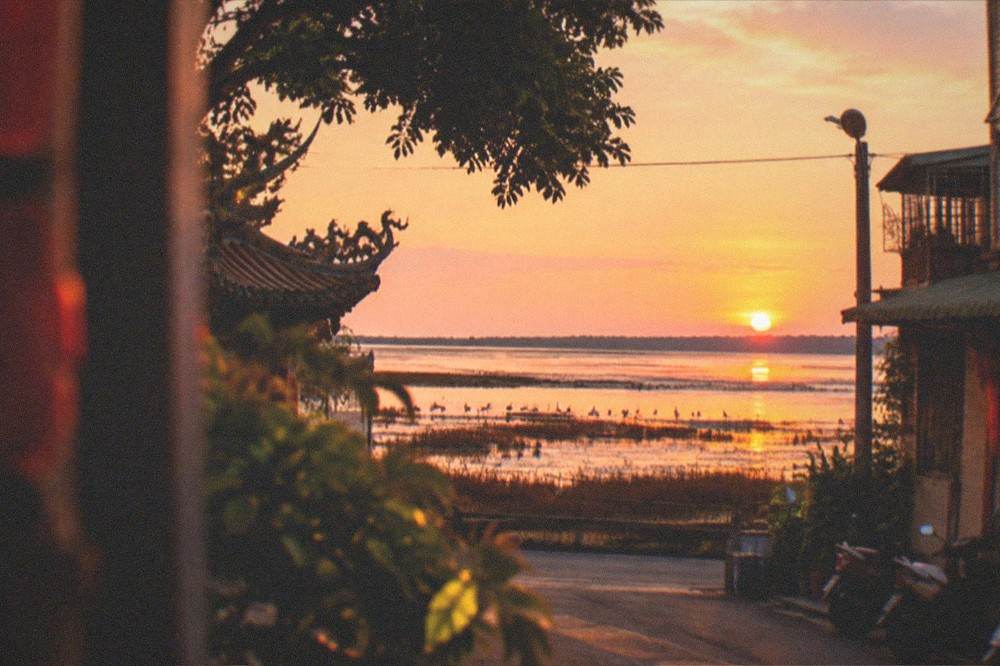
The last practical note is the one that ties the whole page together. The spoonbill season and Tainan's comfortable season are the same season, so a winter trip costs a visitor nothing in weather and gains the rarest bird on the coast. Pick the months from November to February, check the tide table and the city's own site pages before the drive, take the Taijiang route at Sicao if the birds are the point of the day, and keep the evening free for Chihkan Tower, which stays open until 21:30. The coast will do the rest: the salt land, the mangroves and the estuary have been feeding birds here since before the city had a name, and the birds keep the schedule.
For everything this site has checked on the coast and the city around it, start with Tainan Travel Guide. The lagoon ecology trip below is the tour most closely matched to this page's subject, a boat-based day on the Qigu coast with an oyster buffet built in, and it is the one this site would point a first-time spoonbill hunter at.