Tainan Street Food
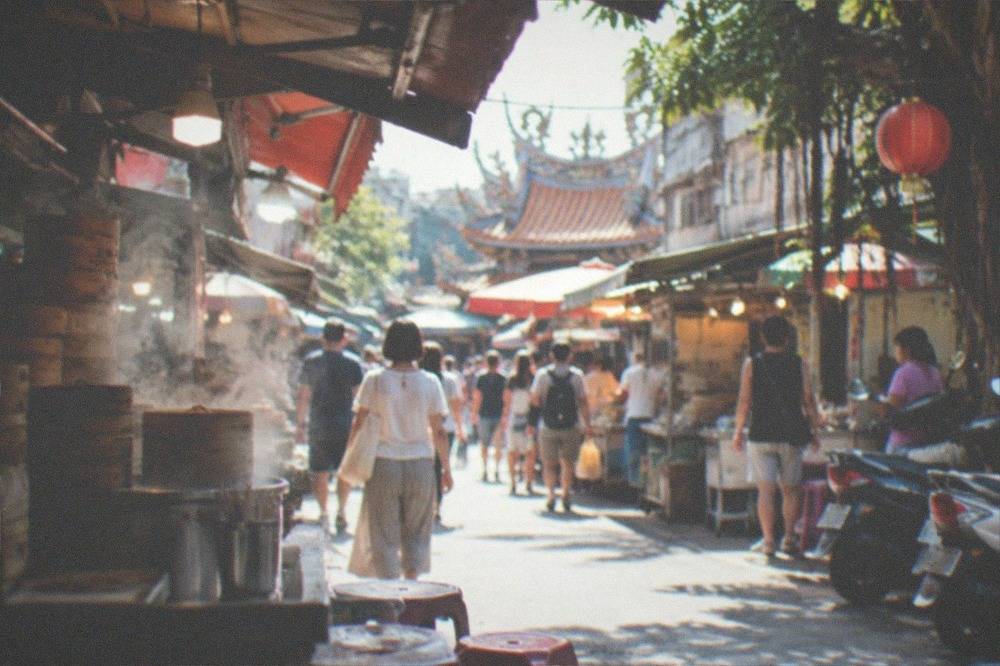
Tainan is widely described as Taiwan's food capital, and the reputation rests on street food: beef soup at dawn, danzai noodles, coffin bread, milkfish, and night markets that rotate by day of the week.
Short answer
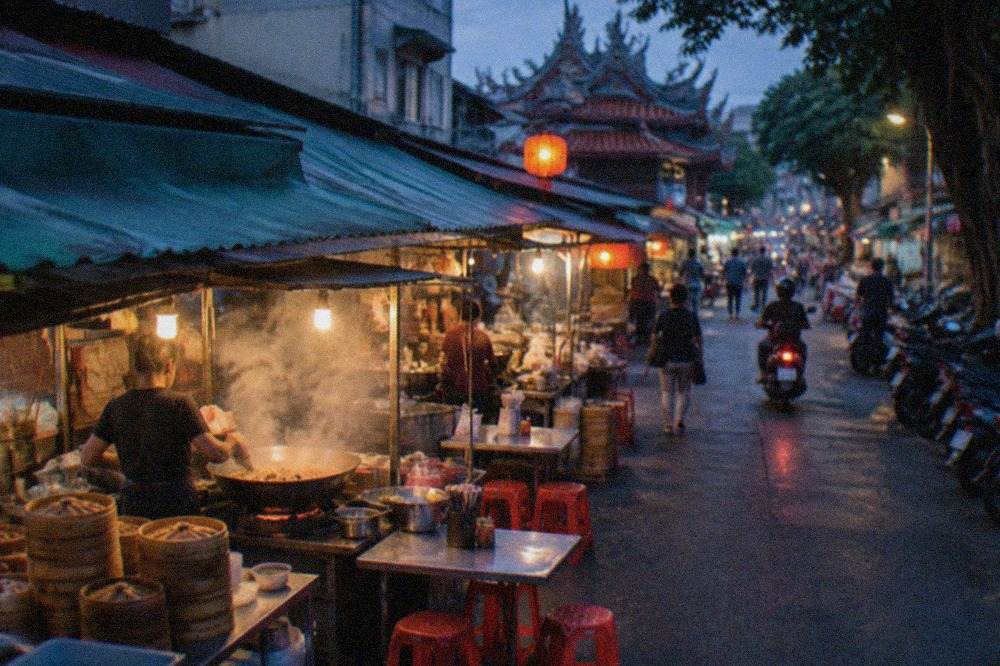
Tainan street food centers on old-city snack streets like Guohua Street and Shennong Street, dishes such as beef soup, danzai noodles and coffin bread, and rotating night markets where Friday is the only night all three big outdoor markets run.
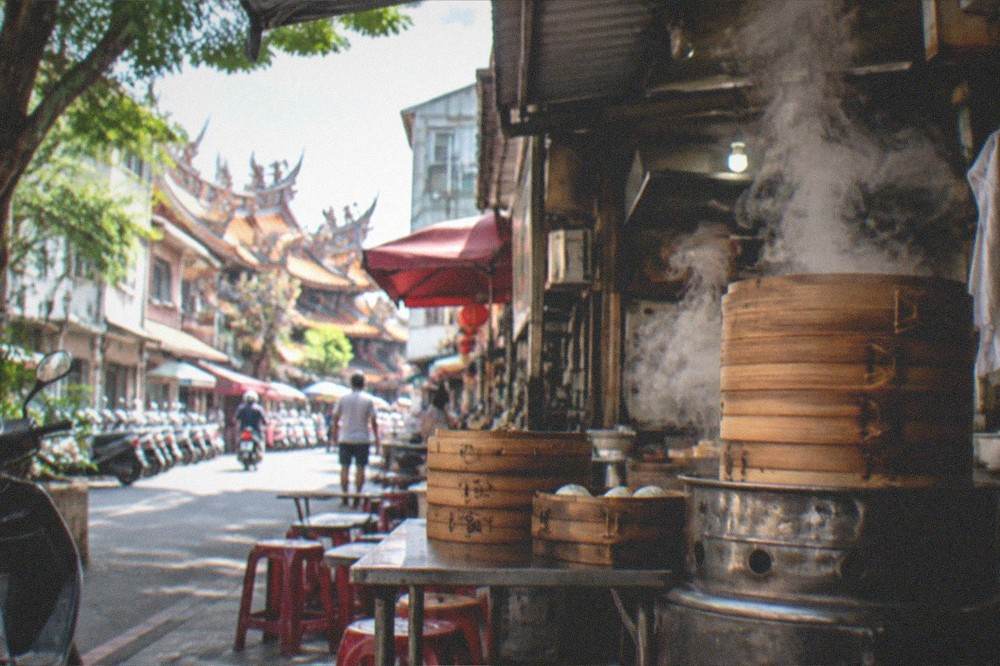
Tainan's reputation as Taiwan's food capital is built on small plates sold from stalls, not on restaurants. The city was Taiwan's capital for more than two centuries, until the late nineteenth century, and the cooking that developed in its old streets leans on snacks: beef soup served at dawn, noodles carried in a bamboo pole's hanging basket, bread hollowed into a coffin shape and stuffed with a creamy stew. None of this needs a booking. Almost all of it needs cash, comfortable shoes, and a sense of which night market is open on the night you happen to be there, because in Tainan that changes with the day of the week.
What Is Tainan Street Food, and Why Does the City Take It So Seriously?
Tainan street food is a tradition of small, cheap, historically layered snacks sold from stalls and hole-in-the-wall shops across the old city, and locals treat it as the city's defining culture rather than a tourist product. Dishes like beef soup, danzai noodles, coffin bread and milkfish soup were born in Tainan's streets, and the city's food identity is the reason many Taiwanese travelers make the trip at all.
The city's long run as Taiwan's administrative center shaped its cooking. Officials, merchants and temple crowds all needed to be fed quickly and cheaply, and the answer was a dense ecosystem of single-dish specialists. A stall that has made one thing for decades is the local ideal, and the question "which stall does it best" is a running civic argument that Tainan's residents conduct with total seriousness. Nobody writing this site has eaten here, so this guide reports what the dishes are, where they cluster, and what the schedules say, and leaves the tasting verdicts to the reader.
That single-dish culture has a practical consequence for a visitor: eating well in Tainan is a walking activity. You do not sit down once. You move, a bowl here and a skewer there, and the geography of the old city makes that easy because the snack streets sit close together. Our Tainan food guide covers the full landscape; this page focuses on the street layer specifically.
Which Dishes Define Tainan Street Food?
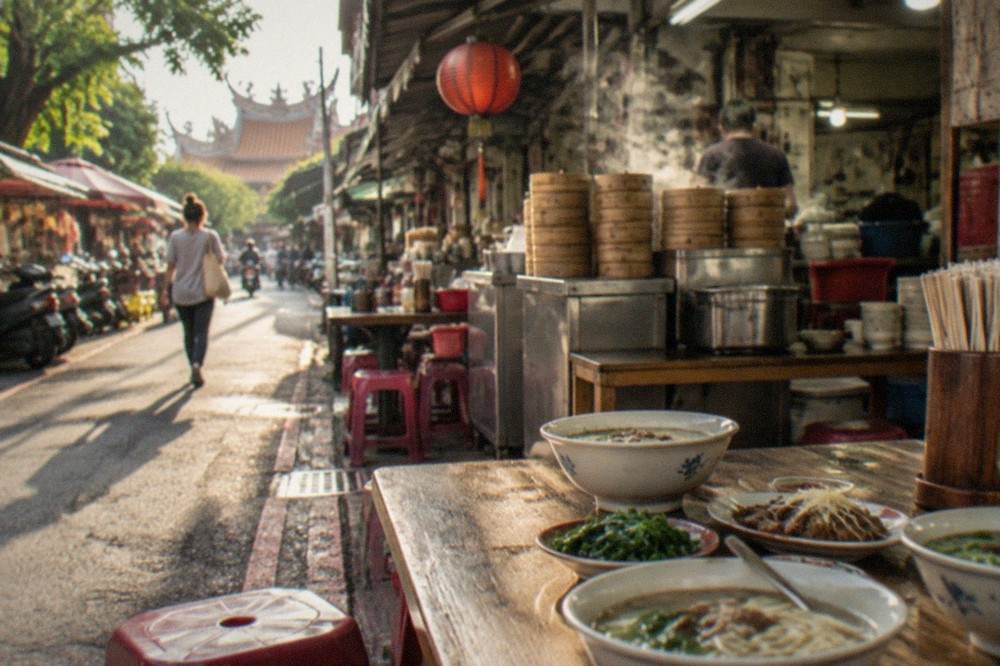
The core Tainan street food list is beef soup, danzai noodles, coffin bread, milkfish soup, oyster omelettes, shrimp rolls, bowl cakes and fresh mango in season, and most of them originated in Tainan rather than arriving from elsewhere. Each is a single-dish specialty, sold from stalls that often make nothing else, and several are eaten at specific times of day rather than whenever you like.
Beef soup is the one with the strictest clock. Tainan's version uses freshly slaughtered beef in a clear broth, and the stalls that serve it are famously a breakfast trade, with the earliest and most dedicated customers arriving before sunrise. The Tainan beef soup page covers the dish's background in detail. Danzai noodles started as a street vendor's load, carried on a shoulder pole with a basket on each end, and survive as a small bowl of noodles in broth with a minced pork topping; the story of the original carrying-pole vendor is told on our danzai noodles page. Coffin bread is Tainan's most photogenic invention: a thick slab of fried toast hollowed out like a box and filled with a creamy chicken or seafood stew. The coffin bread page explains the name.
No dish price in Tainan is officially published, so this guide prints none. Costs at street level are low by big-city standards, but the honest way to plan is to say: bring cash, expect small amounts per dish, and order several. The table below is the vocabulary list, not a menu with numbers.
| Dish | What it is | When locals eat it |
|---|---|---|
| Beef soup | Thin-sliced fresh beef in clear broth, served fast | Early morning, at breakfast stalls |
| Danzai noodles | Small bowl of noodles in shrimp-pork broth with minced pork | Any time, a snack rather than a meal |
| Coffin bread | Fried hollowed toast filled with creamy chicken or seafood stew | Afternoon and evening |
| Milkfish soup | Milkfish, often with the belly, in a light broth | Breakfast and lunch |
| Oyster omelette | Fresh oysters in an egg-and-starch omelette with sauce | Night markets and snack streets |
| Shrimp rolls | Wrapped, deep-fried shrimp rolls, an Anping specialty | Lunch and evening |
| Bowl cake | Steamed rice paste in a bowl with sauce | Snack, any time |
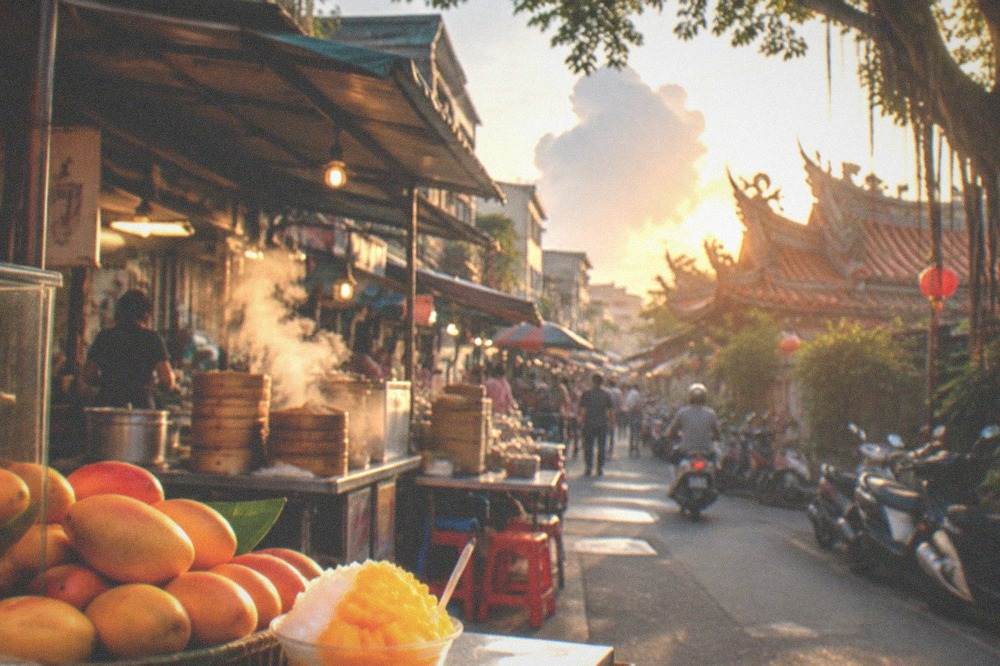
| Fresh mango | Yujing Irwin mangoes, in season | June and July, as fruit, ice or shaved ice |
A guided walk is one way to handle the parts of this that are hard to do alone: reading a stall's menu, knowing what to order at a place with no English sign, and pacing a crawl so you last the evening. The city's English signage has improved in recent years under the city's bilingual initiatives, but plenty of the best-known stalls still operate in Chinese only, with handwritten signs and a queue that functions as the only review system.
Where Should You Eat Street Food in Tainan?
The main street food zones in Tainan are Guohua Street for the densest concentration of old snack stalls, Shennong Street for an evening street-and-bar atmosphere, the streets around the Confucius Temple and Chihkan Tower for breakfast and daytime snacks, and Anping for shrimp rolls and the old-street stall scene. Each has a different rhythm, and the best plan is to match the zone to the time of day.
Guohua Street is the one locals send visitors to. It is a working snack street rather than a designed attraction, lined with stalls that have often been in the same family for generations, and it is busy from morning through evening. Shennong Street, by contrast, is at its best after dark: a narrow, lantern-lit old street where food stalls share space with bars and craft shops, and the Shennong Street page covers the evening scene. Around Chihkan Tower, the snack shops serve the daytime temple-and-fort crowd, and the tower's late 21:30 closing means an after-dinner walk past it is realistic on any day of the week.
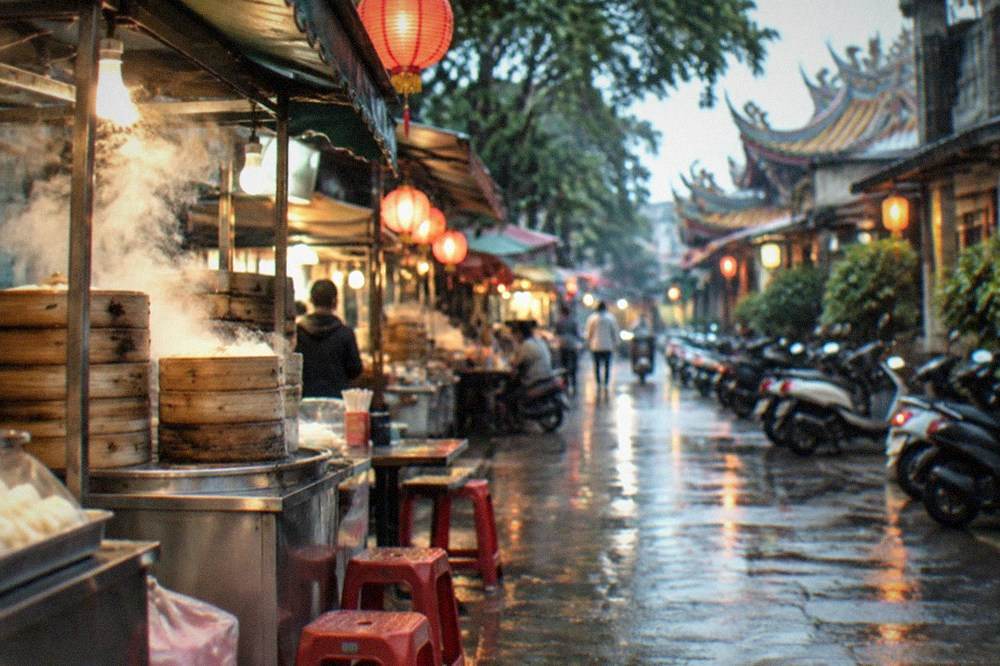
Anping is the fourth zone, and it doubles as a sightseeing trip. The old street near the fort is a dense strip of snack stalls and shrimp-roll shops, and the Anping Old Street page covers what else to see while you are out there. Anping is also where the city's history is most visible: the Dutch built Fort Zeelandia here starting in 1624, and the district's food tradition grew up in the shadow of it.
For a first evening, the simplest plan is to pick one zone and stay in it. A crawl that tries to cross the whole city in one night spends more time in transit than eating, and the distances that look small on a map are longer on foot in summer heat. Our Tainan food crawl itinerary sequences the zones into a full day if you want the ambitious version.
Which Tainan Night Market Is Open Tonight?
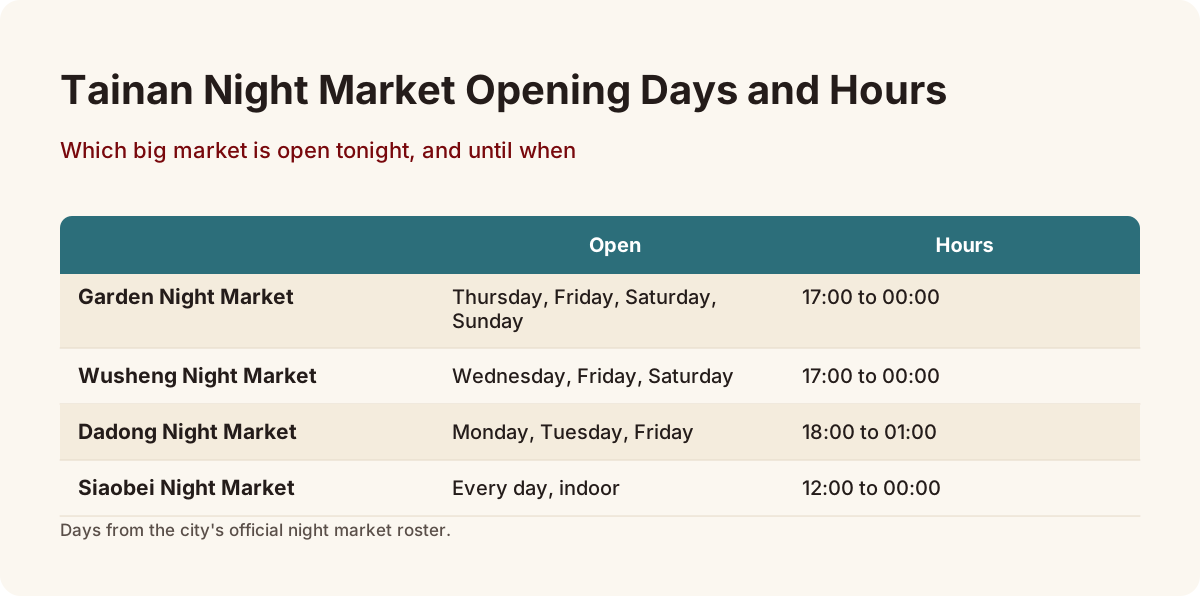
Tainan's big night markets rotate by day of the week: Garden Night Market opens Thursday to Sunday, Wusheng opens Wednesday, Friday and Saturday, Dadong opens Monday, Tuesday and Friday, and Siaobei is indoors and open every day. Friday is the only night all three big outdoor markets run, and Wednesday is the thinnest night, with Wusheng alone.
This rotation is the single most useful practical fact about eating in Tainan, and it catches out visitors constantly. Arrive on a Tuesday expecting Garden Night Market and you will find its lot empty; the answer that night is Dadong, or the indoor Siaobei. The city's own tourism pages publish the days, and the Tainan City Market Administration maintains the official night market roster. Always check before you go, because the city updates these pages and the days do change.
| Market | Open | Hours |
|---|---|---|
| Garden Night Market | Thursday, Friday, Saturday, Sunday | 17:00 to 00:00 |
| Wusheng Night Market | Wednesday, Friday, Saturday | 17:00 to 00:00 |
| Dadong Night Market | Monday, Tuesday, Friday | 18:00 to 01:00 |
| Siaobei Night Market | Every day, indoor | 12:00 to 00:00 |
Translated into a week, the picture looks like this:
| Day | Big outdoor markets open |
|---|---|
| Monday | Dadong |
| Tuesday | Dadong |
| Wednesday | Wusheng |
| Thursday | Garden |
| Friday | Dadong, Wusheng and Garden |
| Saturday | Wusheng, Garden |
| Sunday | Garden |
Siaobei is the wet-weather and wrong-night answer, open daily and under cover. Locals also use a seven-character rhyme to remember the primary market for each night, but the rhyme is folk shorthand rather than an official schedule: it misses that Garden also opens Friday and Saturday, and that Wusheng also opens Friday. The tables above are the schedule; treat the rhyme as a memory aid only. The Tainan night markets page goes deeper on each market and on the individual pages for Garden, Dadong, Wusheng and Siaobei.
When Is the Best Season for Tainan Street Food?
The best months for Tainan street food are October to March, when the city is dry and warm rather than hot and wet, with the big exception of June and July, when Yujing mangoes hit the streets and the mango season is the reason to come. Temple pilgrimage and Lunar New Year make January and February the city's busiest visitor months, which is the opposite of the summer-focused assumption most guidebooks carry.
The climate data explains the calendar. The Central Weather Administration's 1991 to 2020 normals for Tainan show that August alone brings 466 mm of rain across 16 wet days, while December brings 16 mm across 3. Nearly three-quarters of the annual 1,761 mm falls between May and September, and typhoon risk concentrates in the late-summer months. October is the driest month by wet days, 2.8, while still averaging 30.8C maxima. The practical version: in the dry half of the year you can street-eat every evening without a weather gamble, and in summer you plan around Siaobei's indoor roof.
| Season | What is happening |
|---|---|
| January to February | Lunar New Year and temple pilgrimage peak; the city's busiest months |
| February | Yanshui Beehive Fireworks, held on the Lantern Festival |
| June to July | Mango season, Yujing Irwin mangoes at their peak |
| July to August | Qigu Seafood Festival on the lagoon coast |
| October to March | The dry, comfortable half of the year for street eating |
The seasonal foods matter as much as the weather. The city's own festival calendar places the mango season in June and July, and the Tainan mango page covers the Yujing growing area. The Qigu Seafood Festival runs July to August out on the lagoon coast, where the oyster farms are, and that is the natural moment to pair street food in the city with a seafood trip to the Qigu wetlands.
How Do You Get Between Tainan Food Stops Without a Car?
Tainan's city buses are free for the first 8 km with an electronic card, a Citizen Card, iPASS, EasyCard or iCash 2.0, provided you tap on and tap off, and the cash fare for the same trip is NT$26. The scheme covers the trunk and branch network, runs as an annually renewed policy, and the tap-off is the step visitors most often miss.
That fare policy makes a multi-stop food day genuinely cheap to run, and it is verified on the city bus ticket page. The catch is discipline: forget to tap off and the free distance does not apply. Tourist buses and the HSR express shuttle sit outside the card discounts. Because the policy is renewed year by year, check the bus site before relying on it. Our getting around Tainan page covers the full toolkit.
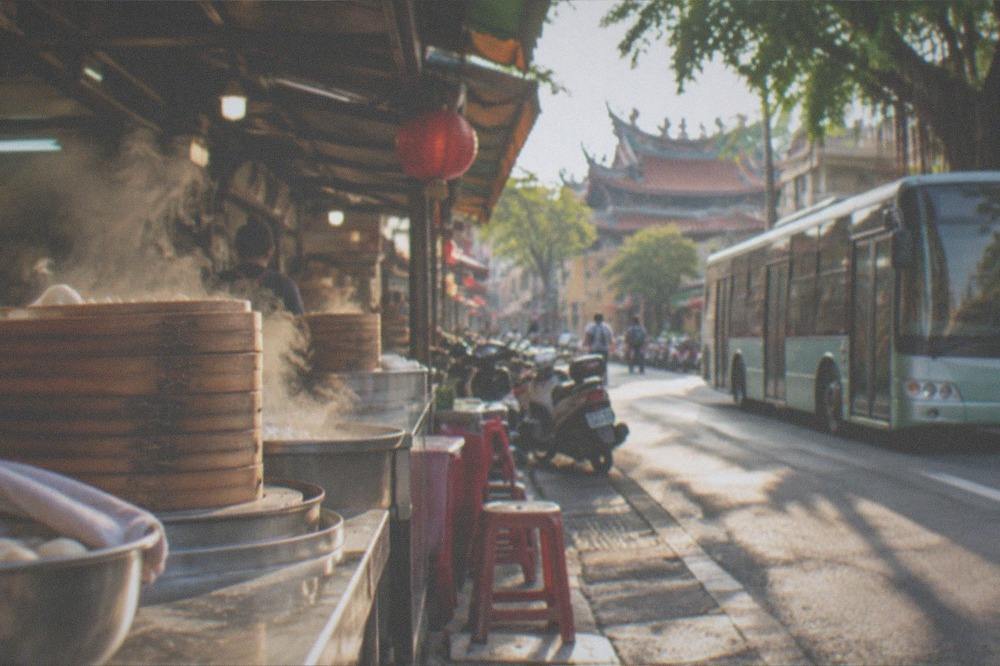
Two structural facts about arriving in Tainan shape the food plan. The High Speed Rail station is not in Tainan's center: it sits at Shalun in Guiren District, outside the old city, so every HSR arrival involves a transfer, and the free H31 shuttle for HSR ticket holders is one of the options. A reserved standard HSR seat from Taipei is NT$1,350, and the operator's own fare table is the place to check times, because this site publishes no journey-time minutes.
For the coastal food trips, the lagoon coast around Qigu is where the oysters come from, and an ecological boat tour with an oyster buffet is the one bookable experience on this page that is food-first. The Qigu area also holds the salt mountain and the black-faced spoonbill reserve, so a coastal food day doubles as a landscape day.
What Does a Realistic Street Food Day in Tainan Look Like?
A realistic Tainan street food day starts with beef soup at a breakfast stall, moves through the Confucius Temple and Chihkan Tower area by late morning, spends the afternoon on Guohua Street or in Anping, and ends at whichever night market is open that night. Pacing matters more than ambition: three or four stops across a full day beats eight stops crammed into an evening.
The morning is the part most visitors skip, and it is the part locals defend hardest, because beef soup is a dawn trade. From there the day can wander: the free-entry Tainan Confucius Temple opens at 08:30 and sits in the middle of the breakfast zone, and Chihkan Tower is a short walk from the Guohua Street snack cluster. Chihkan's 21:30 closing, unusual for a historic site, means it can end the day instead: dinner at a night market, then a walk past the lit tower on the way back.
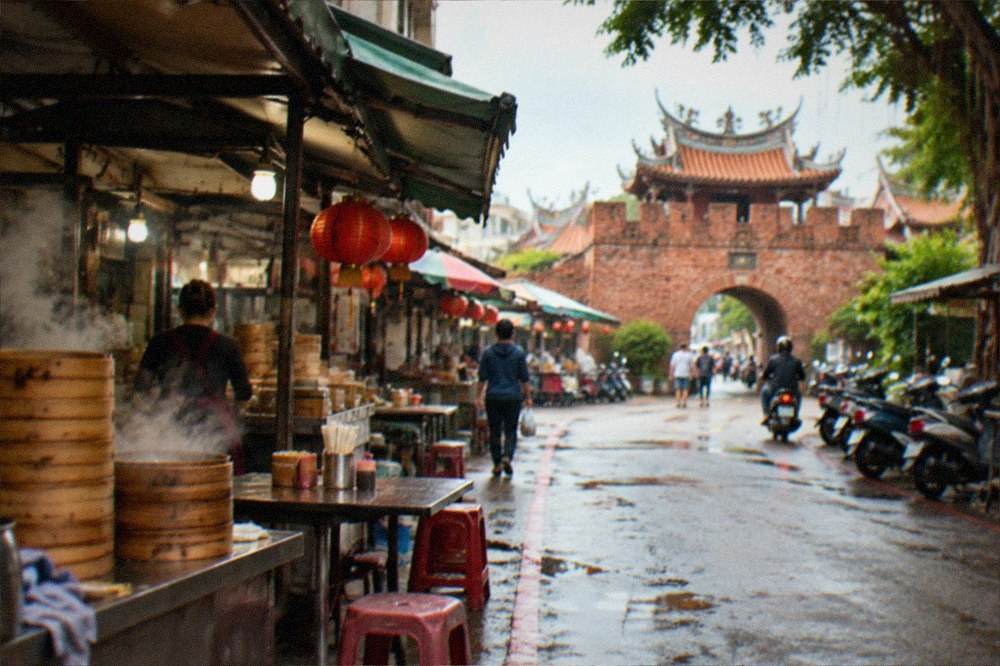
A few practical notes that make the difference between a good food day and a strained one. Carry cash, because cards are reliable in hotels and convenience stores but not at stalls. Do not over-plan the stall list: names circulate by word of mouth, and a claim that any particular stall is the original or the best is not something this site can verify, so walk the street, look at the queues and let the crowd decide. And in summer, build the day around the indoors and the shade: Siaobei for a midday market, museums for the hot hours, the outdoor streets after dark.
If the question you arrived with is broader than street food, the what is Tainan famous for food answer page gives the short version, and the Tainan restaurants page covers the sit-down layer of the city's food scene, from street snacks to proper meals.
Common Questions About Tainan Street Food
What food is Tainan most famous for?
Tainan is most famous for beef soup served at breakfast, danzai noodles, coffin bread, milkfish soup, oyster omelettes and shrimp rolls, plus fresh Yujing mangoes in June and July. The city is widely described as Taiwan's food capital, and its street snacks are the reason.
Which night market should I go to in Tainan?
Check the day of the week first. Garden Night Market opens Thursday to Sunday, Wusheng opens Wednesday, Friday and Saturday, Dadong opens Monday, Tuesday and Friday, and Siaobei is indoors and open daily. Friday is the only night all three big outdoor markets run, and Siaobei is the wet-weather answer.
Is Tainan street food expensive?
No official price list exists for Tainan's street dishes, so this site prints no numbers. Qualitatively, Tainan is considered one of the cheaper of Taiwan's big cities to eat in, and the single-dish stall format keeps individual purchases small. Bring cash, since cards are unreliable at stalls.
Can I do a Tainan street food walk in one evening?
Yes, if you pick one zone. Guohua Street, Shennong Street after dark, or a single night market each work as a self-contained evening. Trying to cross the whole city in one night spends more time in transit than eating, and the food crawl itinerary spreads the full version across a day.
When is mango season in Tainan?
The city's own festival calendar places the mango season in June and July, when the Yujing growing area's Irwin mangoes peak. Fresh mango, mango ice and mango shaved ice appear across the city's stalls in that window.
Do I need to book anything for street food in Tainan?
No. Street food, snack streets and night markets need no ticket and no booking. The only layer of the food scene worth booking is a guided food walk, which solves the language and ordering problem, and the coastal oyster tours out on the Qigu lagoon.
The honest summary of Tainan street food is that it rewards planning the schedule and improvising the stalls. Fix the night market day, fix the breakfast hour for beef soup, and let the queues on Guohua Street or Anping Old Street make the rest of the decisions. More of the city's food landscape, from Tainan Travel Guide itself, is mapped in the food guide and the night market pages linked above, and the crawl itinerary turns the whole thing into a single walking day.