Guohua Street Food Quarter
Guohua Street in Tainan's West Central District is the city's densest strip of heritage snack stalls, a daytime food quarter that runs when the night markets do not.
Short answer
Guohua Street is a food street in Tainan's West Central District, packed with long-established snack vendors serving dishes like danzai noodles, beef soup and coffin bread during the day and evening, while Tainan's big night markets rotate on fixed days elsewhere in the city.
Guohua Street sits in the middle of Tainan's West Central District, a couple of blocks from the old city's temple core, and it is where the city's snack culture is at its most concentrated. The Tainan City Government Tourism Bureau lists it among the city's food destinations, and its character is the inverse of the night markets: it runs in daylight and early evening, every day, in a fixed place, instead of rotating by day of week. This page lays out what the quarter is, what the dishes on it actually are, how to reach it for free on the city's buses, and how it fits with the night markets, the temples and the rest of a food-focused trip. Tainan was Taiwan's capital for more than two centuries, until the late nineteenth century, and the food traditions of that old capital are exactly what this street sells.
What Is the Guohua Street Food Quarter?
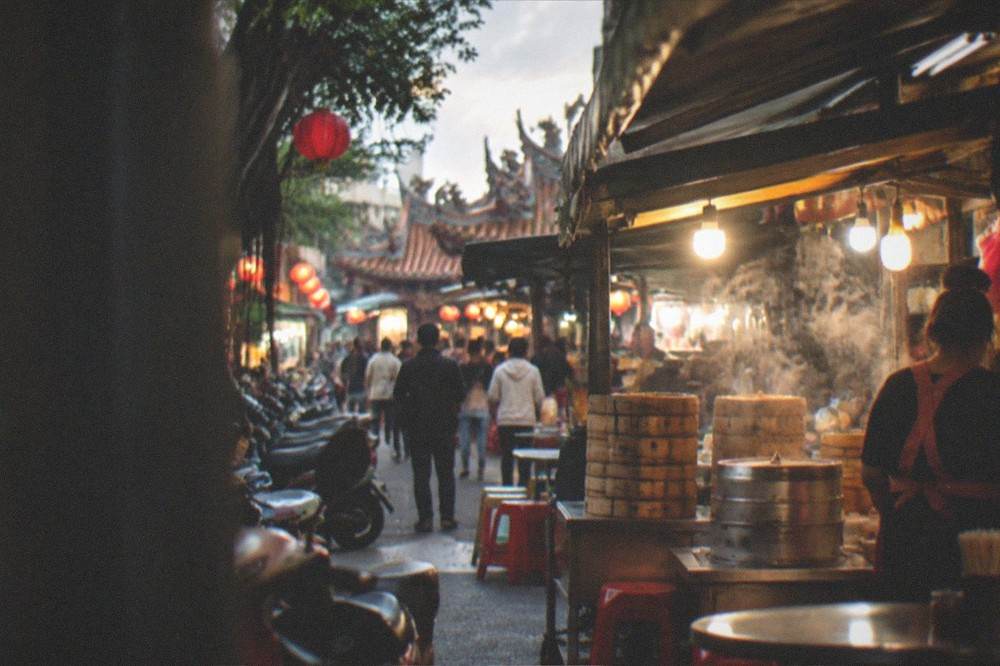
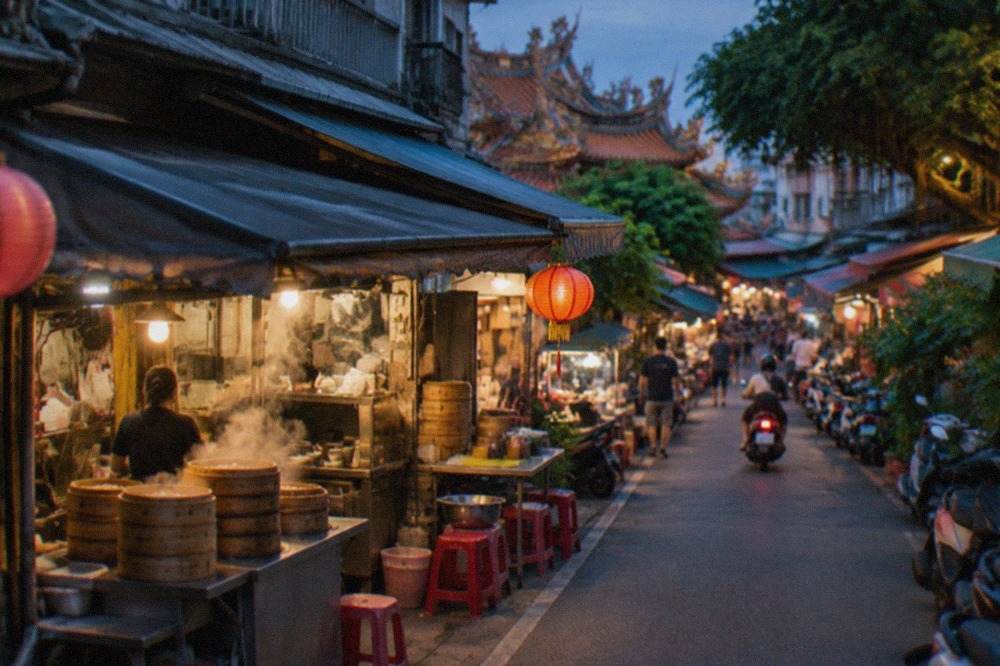
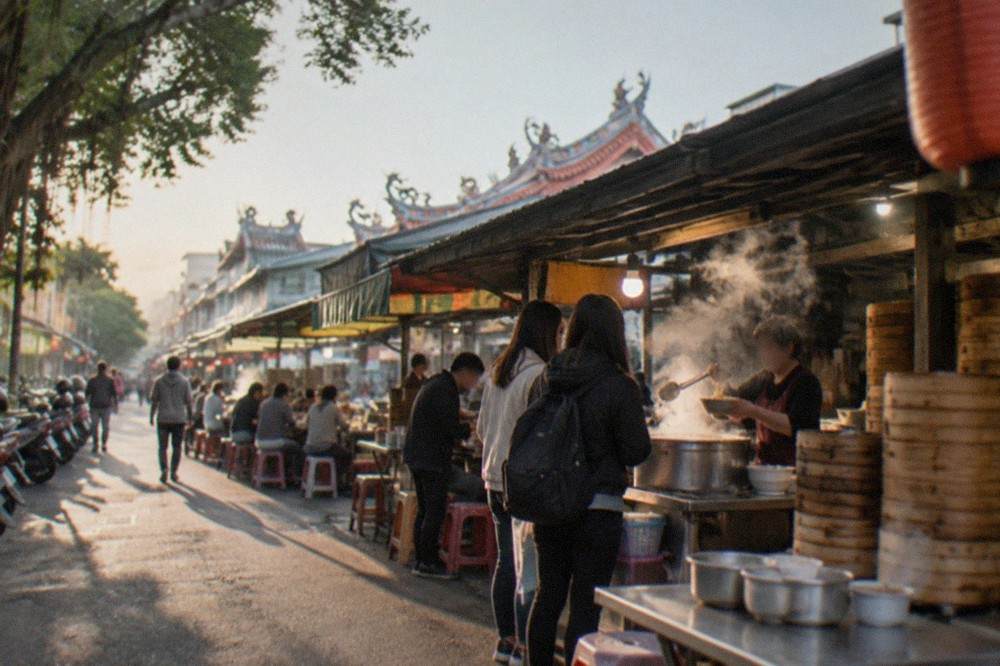
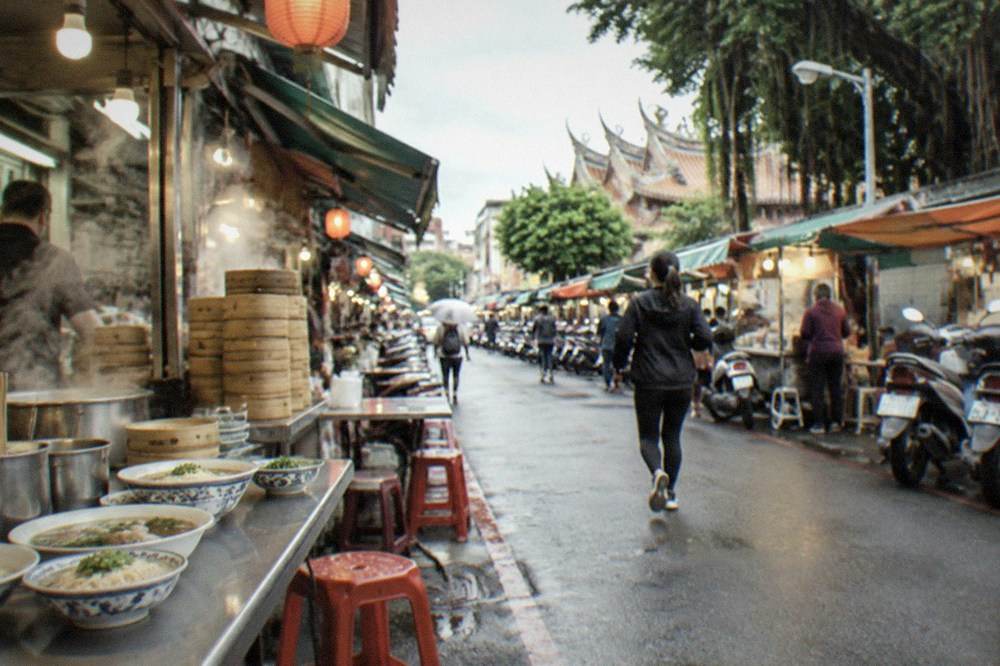
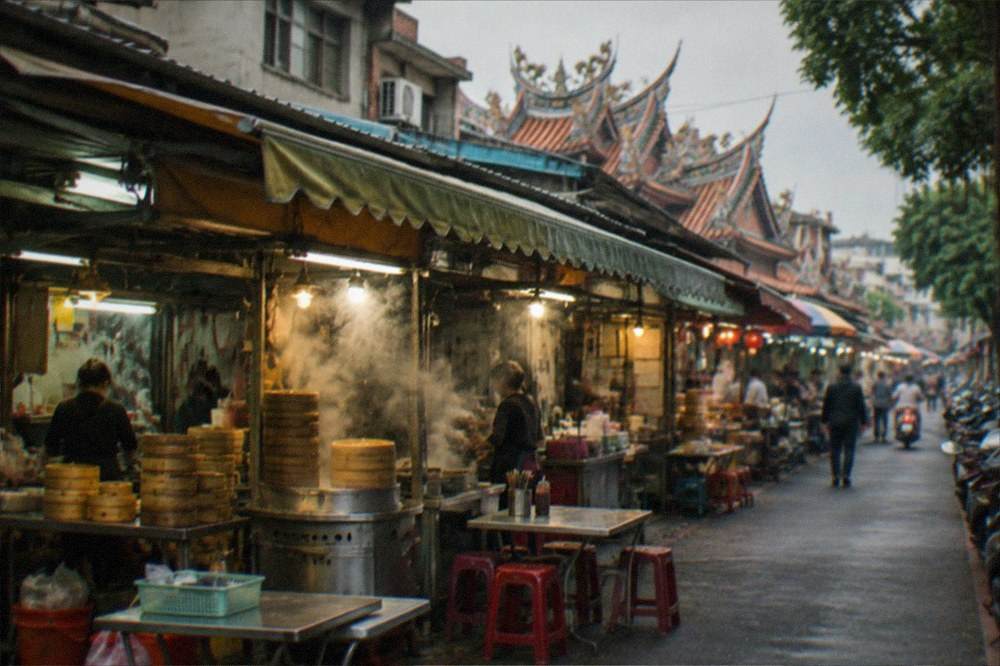
Guohua Street is a compact food street in Tainan's West Central District, a short walk from Chihkan Tower and the Grand Matsu Temple, where heritage snack vendors, noodle shops and old-school dessert stalls operate daily in fixed shopfronts. It is a daytime and early-evening quarter, unlike the city's rotating night markets, and it is the place most associated with Tainan's self-image as Taiwan's snack capital.
Tainan's reputation rests on small dishes with long histories, and Guohua Street is where a large share of them are made within a few hundred meters of each other. The street's vendors sell the dishes the city is known for: danzai noodles, beef soup, milkfish soup, coffin bread, rice cakes and shaved-ice desserts. The Tainan Travel Guide food pages cover each of these in depth, and this page is about the street itself, how it works and how to plan around it.
The quarter matters to visitors for one structural reason. Tainan's big outdoor night markets rotate: Garden opens Thursday to Sunday, Wusheng opens Wednesday, Friday and Saturday, Dadong opens Monday, Tuesday and Friday, and only Siaobei, which is indoors, opens every day. On a Wednesday or a Thursday evening, the big markets are thin or closed, and Guohua Street is the reliable alternative. Its stalls open in the morning and afternoon, which also makes it the answer to the early-arriving traveler question of where to eat before anything else in the city opens.
The street is a place of small, family-run shopfronts rather than a curated attraction. That has a practical consequence: businesses here do close, and the roster changes. The 60-year-old meatball stall Yuanlin Rouyuan, one of the street's best-known names, closed at the end of May 2026 according to Taiwanese travel reporting. Any guide that promises a specific stall will be there is guessing, so treat the street as a category of destination, not a checklist.
Where Is Guohua Street and How Do You Get There?
Guohua Street is in Tainan's West Central District, a short walk from Chihkan Tower and the Grand Matsu Temple, and reachable free on the city's buses for the first 8 km of any trip with an EasyCard, iPASS, Citizen Card or iCash 2.0, provided you tap on and tap off. The cash fare for the same trip is NT$26.
The bus policy is the single most useful transport fact for a food trip. The city's own bus information site states that trunk and branch routes, the green, blue, brown, orange, yellow and red network, are free for the first 8 km with a stored-value card, and that the discount is NT$26 against the base fare. The conditions matter: you must tap the reader when you board and again when you get off, and the tap-off is the step visitors most often miss. The scheme covers the 2026 calendar year, so treat it as current policy rather than a permanent rule.
| Card | Works on city buses | Free first 8 km | Where else it works in Tainan |
|---|---|---|---|
| EasyCard | Yes | Yes, tap on and tap off | Tainan Art Museum ticket desk |
| iPASS | Yes | Yes, tap on and tap off | Tainan Art Museum ticket desk |
| Citizen Card | Yes | Yes, tap on and tap off | Resident card, not issued to short-term visitors |
| iCash 2.0 | Yes | Yes, tap on and tap off | Stored-value card accepted on the bus network |
Do not assume the cards work everywhere. The verified facts for this site do not confirm EasyCard or iPASS acceptance on the High Speed Rail, and the HSR station is not in central Tainan anyway: it sits at Shalun in Guiren District, outside the old city, so every HSR arrival involves a transfer. The H31 HSR express bus is free for HSR passengers on production of a ticket stub, with no card tap needed, and other passengers pay NT$18 for one section or NT$36 for two, with the section break at the Chimei Museum.
On foot, the street sits inside the old capital's temple and heritage core. Chihkan Tower is the natural anchor: it costs NT$70 at the gate and, unusually for a historic site in this city, stays open until 21:30 daily, which makes it one of the few heritage sights a visitor can see after dinner. The Tourism Bureau's page for the site states those hours directly. The Grand Matsu Temple, free to enter and open 06:00 to 21:00, and the Tainan Confucius Temple, free and open 08:30 to 17:30, are both within reasonable walking range of the food quarter. For a fuller picture of the district the street sits in, see the West Central District area guide.
If you would rather have someone else handle the navigation between food stops, a guided walk is the low-friction option.
The six-hour format covers the old city's snack landmarks with food included, which suits a first day when you have not yet worked out the geography.
What Can You Eat on Guohua Street?
The Guohua Street quarter serves Tainan's core heritage dishes: danzai noodles, beef soup, milkfish soup, coffin bread, meatball dumplings, rice cakes and shaved-ice desserts, sold from fixed shopfronts through the day. No official price list exists for any dish on the street, so costs are qualitative: Tainan is widely described as the cheapest of Taiwan's big cities to eat in.
Because no verified price exists for any dish, stall or restaurant on this street, this page does not print one, and any site that does is estimating. What can be described honestly is what each dish is.
| Dish | What it is |
|---|---|
| Danzai noodles | A small bowl of noodles in shrimp-and-pork broth, topped with minced pork and shrimp, Tainan's most famous snack |
| Beef soup | Clear soup with freshly sliced beef added just before serving, a Tainan breakfast tradition served from early morning |
| Milkfish soup | Milkfish, the fish of the Tainan coastal plain, in a clear broth, often with the fish's belly and skin |
| Coffin bread | A thick hollowed slice of toast filled with a creamy savory filling, a Tainan invention of the postwar era |
| Meatball dumplings | Steamed or fried translucent dumplings stuffed with pork and bamboo shoot, served with a sweet sauce |
| Shaved ice | Ice desserts with syrups, fresh fruit or condensed milk, the standard finish to a snack crawl |
Each of these has its own page in the Tainan food guide, and the broader question of what the city is famous for eating is covered in what Tainan is famous for food. The honest way to read the table is as a vocabulary list: the street's stalls sell these categories, the specific vendor you buy from will be whichever is open and has a queue you are willing to join.
When Is the Best Time to Visit Guohua Street?
Guohua Street operates in daytime and early evening, which makes it the natural destination on the days and at the hours when Tainan's big night markets are closed. The markets rotate by day of week, so the best time to visit the street is any afternoon, and especially on a Wednesday or Thursday when the outdoor markets are thin or shut.
The night market rotation is the single most useful practical fact for eating in this city, verified market by market from the Tourism Bureau's own pages. Garden Night Market opens Thursday, Friday, Saturday and Sunday, 17:00 to 00:00. Wusheng opens Wednesday, Friday and Saturday, 17:00 to 00:00. Dadong opens Monday, Tuesday and Friday, 18:00 to 01:00. Siaobei is indoors and opens every day, 12:00 to 00:00, which makes it the wet-weather and wrong-night answer.
| Day | Big outdoor markets open | Notes |
|---|---|---|
| Monday | Dadong | Siaobei, indoor, also open |
| Tuesday | Dadong | Siaobei also open |
| Wednesday | Wusheng | Thinnest night of the week |
| Thursday | Garden | Guohua Street is the strong pre-market option |
| Friday | Dadong, Wusheng, Garden | The only night all three run |
| Saturday | Wusheng, Garden | Busiest night |
| Sunday | Garden | Siaobei also open |
Always check before you go, because the city updates these pages and the days do change. The Garden Night Market page was updated in mid-2026, and reporting on the ground suggests recent shifts, including a split of Dadong into separate Dadong and Dadongdong operations in late 2025 that has thinned crowds at both.
The rhythm this suggests for a visitor is simple: eat on and around Guohua Street in the afternoon and early evening, then move to a night market on the nights one is running. Chihkan Tower's 21:30 closing means the heritage sightseeing can happen after dinner rather than before it, which is rare in this city, where most historic sites shut in the late afternoon. Anping Old Fort, for comparison, closes at 17:10.
How Does Guohua Street Compare to Tainan's Night Markets?
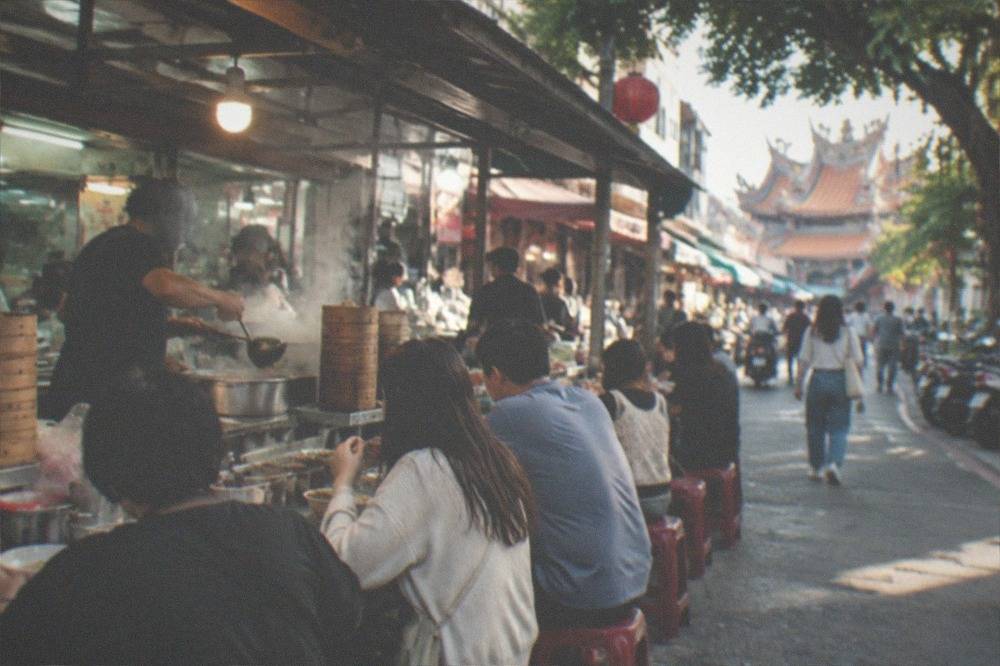
Guohua Street is a fixed, daily, shopfront food street, while Tainan's night markets are rotating, stall-based and open only on set days. The street offers reliability and depth in a single dish category per shop; the markets offer range and spectacle but only on their nights. A food-focused trip uses both.
The night markets are events. They take over large lots, they run games and clothing stalls alongside the food, and they are the loudest version of Tainan eating. The Garden Night Market guide covers the biggest of them in detail. But they are closed most days of the week, and on a Monday, a Wednesday or a Thursday the visitor who has planned only for night markets has nothing planned at all.
Guohua Street is infrastructure. It is there every day, in a permanent location, and its vendors specialize: a shop that has made one dish for decades makes that dish, and the choice is between shops rather than between stalls in a lane. The trade-off is that it is less dramatic, and that it is a street in a working neighborhood rather than a destination with a gate.
The third point of comparison is the city's other old streets. Shennong Street, a short walk away, is the evening street for bars, cafes and atmosphere rather than heritage snacks, and the Shennong Street guide covers it. Anping Old Street, out in the old port district, is the daytime heritage-street alternative, with sword lions and old shopfronts, covered in the Anping Old Street guide. A full route linking the city's food streets exists as the Tainan food crawl itinerary.
What Does a Food Crawl Around Guohua Street Look Like?
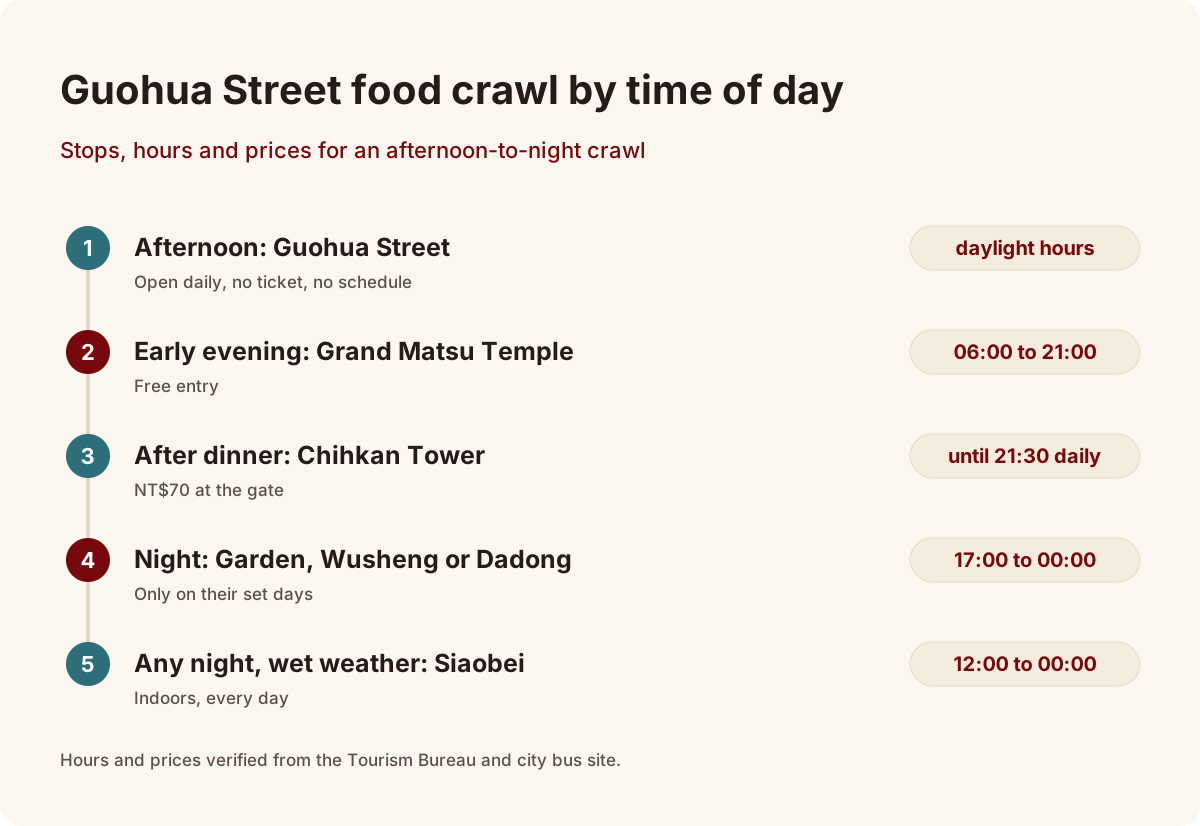
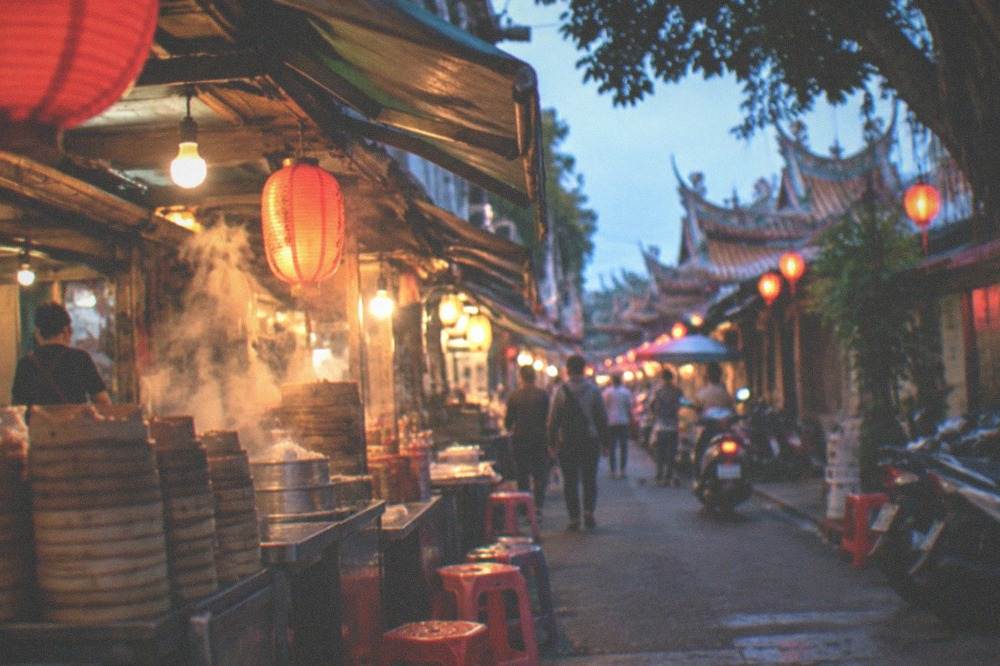
A sensible crawl starts on Guohua Street in the afternoon, works through two or three small dishes rather than one large meal, moves toward Chihkan Tower or the Grand Matsu Temple as the evening cools, and finishes at whichever night market is open that day, or at Siaobei if none is. The free first 8 km bus policy makes the hops between stops cost nothing with a card.
The crawl pattern matters because the portions are small by design. Tainan snack culture is built on eating a little at many places, and the dishes listed above are bowl-sized, not plate-sized. Three or four stops is a full evening.
A workable shape for the day, using only verified hours:
| Time | Stop | Verified detail |
|---|---|---|
| Afternoon | Guohua Street | Open daily in daylight hours, no ticket, no schedule |
| Early evening | Grand Matsu Temple | Free entry, open 06:00 to 21:00 |
| After dinner | Chihkan Tower | NT$70 at the gate, open until 21:30 daily |
| Night | Garden, Wusheng or Dadong | Only on their set days, see the table above |
| Any night, wet weather | Siaobei Night Market | Indoors, every day, 12:00 to 00:00 |
Seasonality can sharpen the plan. The city's own festival calendar places the mango season in June and July and the Qigu Seafood Festival in July to August, so a summer crawl lines up with fruit desserts at one end and coastal seafood at the other. The Tainan street food guide goes deeper on the individual dishes, and the question of how Taiwanese food differs from Chinese food more broadly is answered on its own page.
For travelers who want the crawl guided rather than self-navigated, the food-and-culture walk is the direct match.
The four-hour format moves between food stops with the cultural context attached, which is the part a self-guided crawl misses.
What Has Changed on Guohua Street Lately?
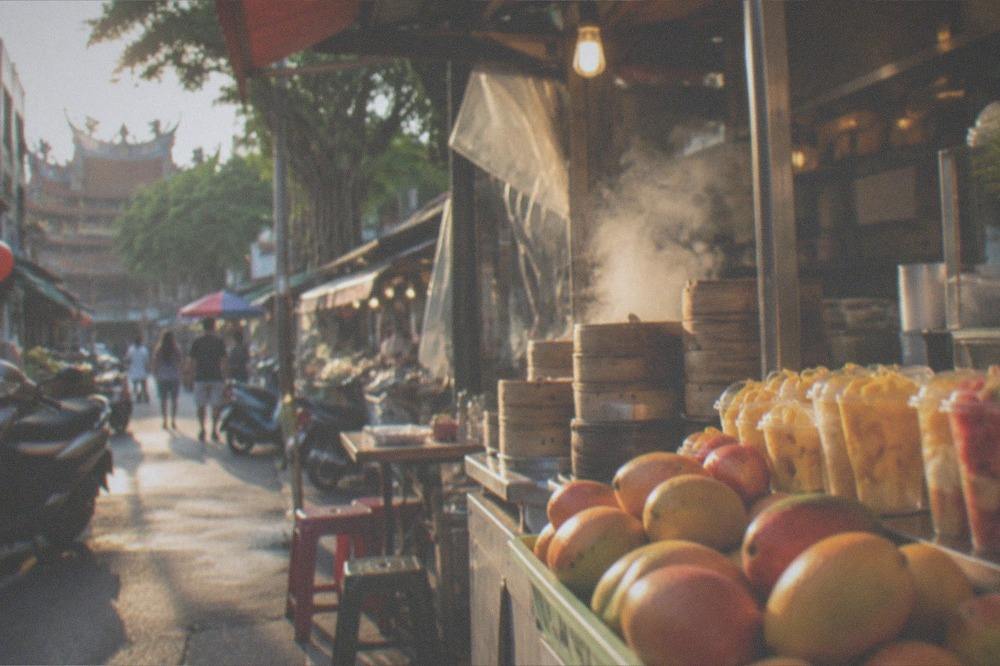
The street's roster is not static: Yuanlin Rouyuan, a 60-year-old meatball stall on Guohua Street, closed at the end of May 2026, and the wider Tainan food scene has seen several other long-standing vendors shut as owners age. The street as a whole remains active, but no specific stall can be promised to a future visitor.
This is the honest limitation of every food-street guide, and this site reports it rather than papering over it. Taiwanese travel reporting recorded the Yuanlin Rouyuan closure in mid-2026, and separately reported the closure of Linjia Rouzaofan, a famous braised-pork-rice spot elsewhere in the city, as its owners retired. Neither changes what the street is, but both change what a guide written a year earlier will tell you.
The lesson for planning is to hold the street loosely. Go for the categories, the danzai noodles and the beef soup and the shaved ice, and let the specific shop be whichever one is open with a line of locals outside it. The city's Market Administration keeps the official night market roster, and the Tourism Bureau maintains the attraction pages whose hours this article quotes.
Common Questions About the Guohua Street Food Quarter
Is Guohua Street open every day?
The street's shopfronts operate daily in daylight and early-evening hours, unlike the night markets, which rotate by day of week. Individual stalls set their own hours and some close without notice, so treat the street as always-open in category but not in every stall.
How do I get to Guohua Street for free?
City buses are free for the first 8 km with an EasyCard, iPASS, Citizen Card or iCash 2.0, provided you tap on when boarding and tap off when leaving. The cash fare for the same trip is NT$26. The policy covers the 2026 calendar year.
What food is Guohua Street known for?
The street concentrates Tainan's heritage snacks: danzai noodles, beef soup, milkfish soup, coffin bread, meatball dumplings and shaved-ice desserts. Each dish has its own page in the site's food guide.
Can I visit Guohua Street and a night market on the same day?
Yes, and that is the recommended shape of a Tainan food day. Eat on Guohua Street in the afternoon, then move to whichever night market is open: Garden Thursday to Sunday, Wusheng Wednesday, Friday and Saturday, Dadong Monday, Tuesday and Friday. Check the current days before you go.
Is Guohua Street the same as a night market?
No. It is a fixed street of permanent shopfronts open through the day, while Tainan's night markets are stall-based events on rotating schedules. The street is the reliable option on nights when the markets are closed.
What is near Guohua Street for sightseeing?
Chihkan Tower, open until 21:30 daily with NT$70 admission at the gate, and the Grand Matsu Temple, free and open 06:00 to 21:00, are both within a short walk. Shennong Street's bars and cafes are also close by.
Where Does Guohua Street Fit in a Longer Tainan Trip?
Guohua Street is a half-day anchor in the West Central District that pairs with the temple core, Chihkan Tower's late closing and one night market, and it sits naturally on day one or two of any Tainan itinerary. Beyond it, the coastal districts, Anping and the lagoon country to the northwest, extend the same food culture toward the sea.
For a first visit, the practical sequence is the old city first, then the coast. The Anping area guide covers the old port district, and the Xinhua guide covers one of the old street alternatives further out. Travelers with a car or a guided day can push to the lagoon coast, where the seafood culture that feeds dishes like milkfish soup comes from, and the oyster farms of the Qigu lagoon supply the city's oyster plates.
That ecological lagoon tour with an oyster buffet attached is the coastal counterpart to a downtown crawl, and it connects the street food of Guohua Street to the coastline it came from.
The evening walking tour in that set is the after-dark complement to the daytime street, and the Sicao Green Tunnel boat ride extends a food trip into the mangrove waterways of Taijiang. Whichever mix you choose, the planning rule stays the same: the street is always there, the markets rotate, and the free first 8 km of bus travel makes the whole circuit cost almost nothing to move around.