Tainan on a Budget
Tainan rewards a small budget better than any other big city in Taiwan. Most of its temples cost nothing, its buses are free for short hops with a tap card, and its dry winter months are also its cheapest ones.
Short answer
Tainan is one of the cheapest big cities in Taiwan to visit. Its four major historic temples charge no admission, city buses are free for the first 8 km with an electronic card, and the biggest paid attractions cost NT$70 to NT$200 at the gate.
Tainan on a Budget
Tainan was Taiwan's capital for more than two centuries, until the late nineteenth century, and it still behaves like a city that runs on small money. Its biggest visitor draws are not the ticketed Dutch-era forts at all: the Tourism Administration's own 2023 dataset puts Nankunshen Daitian Temple at 6,583,100 visitors against Chihkan Tower's 443,622, and the temple charges nothing to walk in. The pattern holds across the city. Four major temples, every old street, the canal and the salt-coast viewpoints cost no admission at all, and the city's buses waive the NT$26 base fare for the first 8 km of any trip if you tap an electronic card. This page pulls together the verified numbers: what transport actually costs, which sites are genuinely free, what the paid attractions charge at the gate, and which months combine the lowest rain with the thinnest crowds. Where a price is not published by an official source, this guide says so instead of guessing.
Is Tainan Expensive to Visit?
No, Tainan is one of the least expensive big cities in Taiwan to visit, and much of it costs nothing at all. The four major historic temples charge no admission, city buses are free for the first 8 km with an electronic card, and the biggest paid historic sites cost NT$70 each at the gate. Only the major museums charge more, NT$80 to NT$200.
The honest caveat is that almost no food or hotel price in Tainan is published by an official source, so this page does not print numbers for a bowl of beef soup or a night market plate. What is verified is the structural picture: the city's paid attractions cluster in a narrow band from NT$50 to NT$200, its free sites include some of its most photographed places, and its transport is unusually generous to card-carrying visitors.
The budget case for Tainan is also seasonal. The Central Weather Administration's 1991 to 2020 climate normals for Tainan show December brings just 16 mm of rain across 3 wet days, while August brings 466 mm across 16. The dry half of the year, October to March, is when the city is at its most walkable, and it overlaps with the January and February visitor peak that the Tourism Administration's data shows is driven by temple pilgrimage and Lunar New Year rather than by weather.
A useful way to frame the whole trip: the things that cost money in Tainan are mostly optional add-ons around a free core. The temples, the old streets and the lagoon viewpoints carry the city's character, and the tickets buy you into a handful of Dutch-era and Japanese-era sites plus two museums. A traveller who spends nothing on admission still sees the city most visitors describe when they describe Tainan.
What Does It Cost to Get to Tainan?
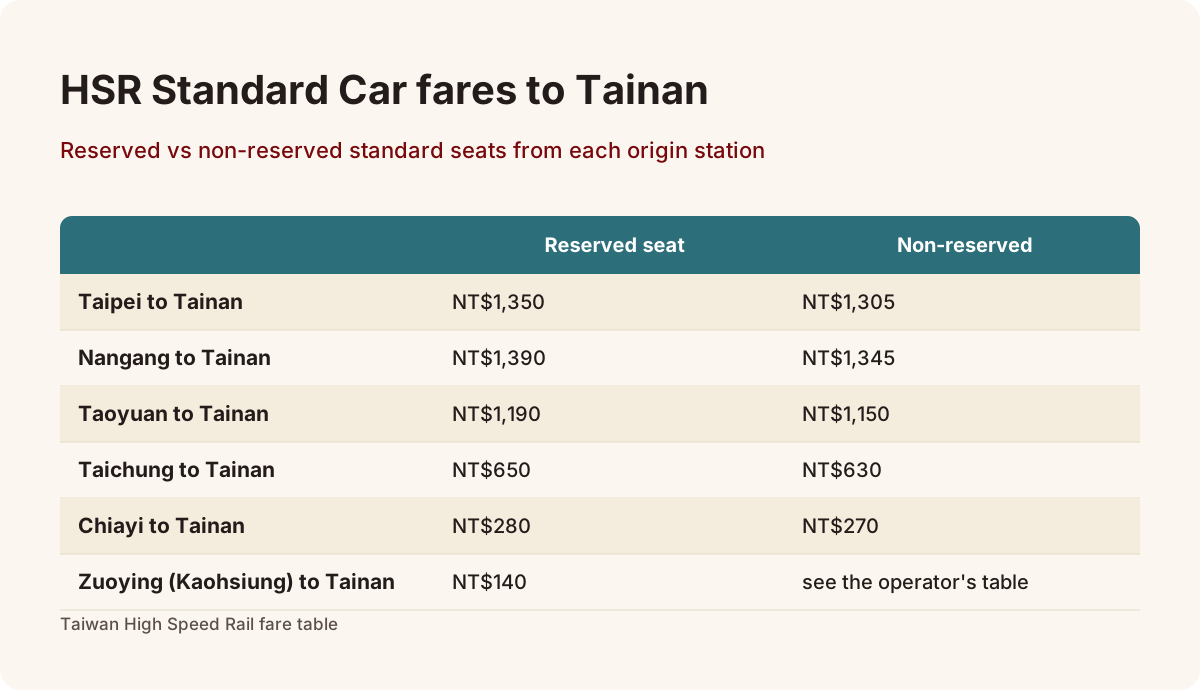
The verified High Speed Rail fare from Taipei to Tainan is NT$1,350 for a reserved standard seat, or NT$1,305 non-reserved. From Zuoying in Kaohsiung it is NT$140, from Taichung NT$650, from Chiayi NT$280 and from Taoyuan NT$1,190. The HSR station sits at Shalun in Guiren District, outside the old city, so reaching central Tainan always means a transfer.
Taiwan High Speed Rail's own fare table is the source for every figure above, and it deserves a warning: the table is one grid where the lower-left triangle is Standard Car and the upper-right is Business Car. A careless read returns the NT$2,230 business fare and overstates the standard price by 65 percent. Read the legend before quoting any number from it. Journey times in minutes are not published in a form this site can verify, so check the operator's timetable search for those. Our High Speed Rail in Taiwan guide covers the system in detail, and Taipei to Tainan works through the capital-to-capital trip.
| Route | Standard Car, reserved | Non-reserved |
|---|---|---|
| Taipei to Tainan | NT$1,350 | NT$1,305 |
| Nangang to Tainan | NT$1,390 | NT$1,345 |
| Taoyuan to Tainan | NT$1,190 | NT$1,150 |
| Taichung to Tainan | NT$650 | NT$630 |
| Chiayi to Tainan | NT$280 | NT$270 |
| Zuoying (Kaohsiung) to Tainan | NT$140 | see the operator's table |
The budget move after arrival is the H31 Tainan City Government Line, the HSR express bus. It is free for HSR passengers on production of a ticket stub, no card tap needed, and the section break for paying passengers is at the Chimei Museum, which means the museum sits on the shuttle route. Other passengers pay NT$18 for one section or NT$36 for two. The Tainan HSR station guide covers the transfer options at Shalun, and Kaohsiung to Tainan covers the short southern hop.
For anyone flying in, the structural picture is enough to plan on: Tainan Airport is small and mostly domestic with a handful of short-haul international routes, so most international visitors arrive through Taoyuan or Kaohsiung and continue by rail. The Tainan airport guide explains the options, and the fare table above tells you what the final rail leg costs.
How Do You Get Around Tainan Cheaply?
Tainan city buses are free for the first 8 km of any trip on the trunk and branch network if you tap an electronic card, Citizen Card, iPASS, EasyCard or iCash 2.0, on and off. The cash fare for the same trip is NT$26. The scheme runs for the 2026 calendar year, so treat it as a current policy, not a permanent one.
The tap-off is the part visitors miss, and missing it can undo the discount. The city's own bus site states the free first 8 km in English and sets out the card conditions in Chinese: the waiver applies to the green, blue, brown, orange, yellow and red route families, and tourist buses and the HSR express bus are excluded from the citizen-card discounts. With the same cards, transferring between Taiwan Railway and a Tainan bus within 2 hours gives NT$9 off, though using another mode such as a public bike in between voids the transfer discount. The getting around Tainan guide collects all of it.
| Transport | Cost | Condition |
|---|---|---|
| City bus, first 8 km | free | electronic card, tap on and off |
| City bus, same trip in cash | NT$26 | no card |
| TRA-to-bus transfer | NT$9 off | same card, within 2 hours |
| H31 HSR shuttle | free | HSR ticket stub shown |
| H31 HSR shuttle, no stub | NT$18 one section, NT$36 two | section break at Chimei Museum |
| Tainan Art Museum car park | NT$40 per hour | Saturdays, Sundays and holidays |
Two honest limits close this section. Taxi fares in Tainan are not published on a city page this site could verify, so no flagfall figure appears here. And scooter rental is not a simple yes: Taiwan expects an International Driving Permit to be registered at a Motor Vehicles Office, and rental shops may refuse without it, so read the official rules before budgeting for one. Neither gap changes the arithmetic much, because the free bus network plus walking covers most of what a budget visitor does in the old city core.
What Can You Do in Tainan for Free?
Four major historic temples charge no admission: the Tainan Confucius Temple, open 08:30 to 17:30 and closed Lunar New Year's Eve, the Grand Matsu Temple from 06:00 to 21:00, the Five Concubines Temple from 08:00 to 17:00 and Kaiyuan Temple from 06:00 to 17:00. The old streets, the canal and the salt-coast viewpoints are open ground and cost nothing.
The city's own attraction pages list no ticket price for any of the four temples, which is what makes them free rather than merely cheap. Beyond them, the free layer of Tainan is mostly public space: Shennong Street and the other old streets, the Anping canal front, and the lagoon-coast viewpoints at Qigu are open ground with no gate, no ticket and no hours beyond daylight. There are no free guided walks in Tainan; the free-walk channel was checked and lists zero Tainan tours, so the free list here is genuinely free entry and open ground, not a tip-based tour in disguise.
| Free site | Hours | Notes |
|---|---|---|
| Tainan Confucius Temple | 08:30 to 17:30 daily | closed Lunar New Year's Eve |
| Grand Matsu Temple | 06:00 to 21:00 daily | central, evening-friendly |
| Five Concubines Temple | 08:00 to 17:00 daily | small, quiet |
| Kaiyuan Temple | 06:00 to 17:00 daily | opens at dawn |
| Old streets, canal, salt-coast viewpoints | open ground | no gate or ticket |
One warning about the word "free" in Tainan: Tainan residents enter the city-run historic sites free with ID, and concessions are half price, but a visitor is neither. Never read a resident entitlement as a traveller discount. A separate possible charge at the Confucius Temple's Dacheng Hall is unverified either way, so treat the temple's on-site notice as the authority. For the wider free list, see our Tainan temples guide.
The free layer also carries the city's history. The Confucius Temple is known as the first academy of Taiwan, the Grand Matsu Temple occupies a former royal residence from the period when Tainan was the island's capital, and the Anping canal and old streets trace the silting of the Taijiang inner sea that reshaped the city. A visitor paying nothing at all still walks through the whole arc of the story.
What Do Tainan's Paid Attractions Cost?
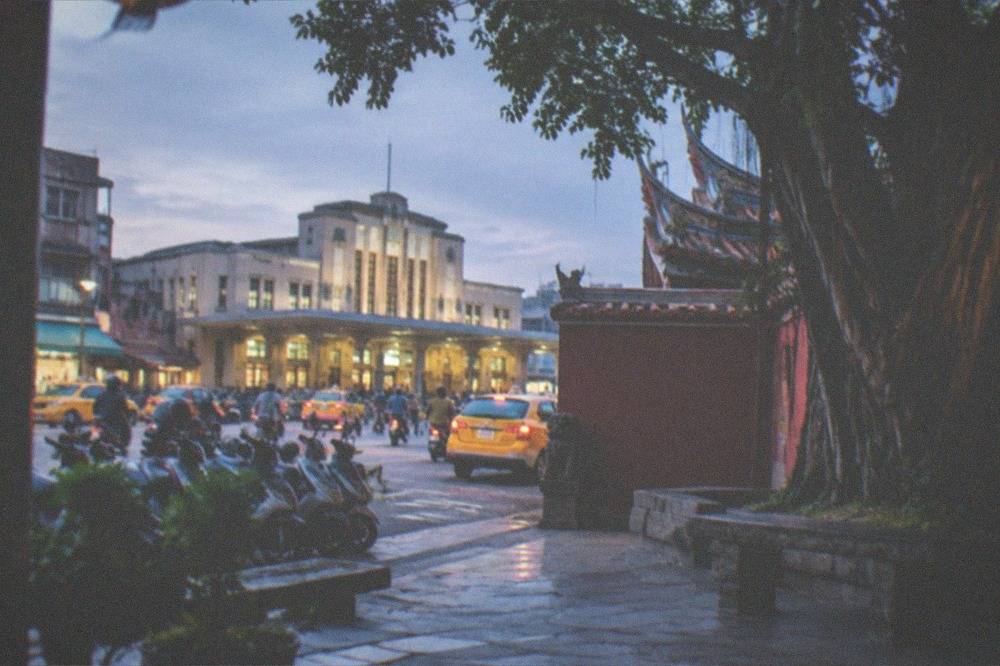
The four big city-run historic sites cost NT$70 each at the gate: Chihkan Tower, Anping Old Fort, the Anping Tree House and the Eternal Golden Castle, with concessions at half price. Chimei Museum is NT$200 for the permanent collection, the Tainan Art Museum is NT$80, Qigu Salt Mountain is NT$50 on foot or NT$100 per car, and both Sicao boat routes are NT$200.
Every figure comes from the venue's own page or the Tainan City Government Tourism Bureau, and the city's own disclaimer governs all of them: prices are for reference and the on-site notice is authoritative. Two closure days matter for planning. Chimei Museum closes every Wednesday, and the Tainan Art Museum closes Mondays, though it stays open until 21:00 on Saturdays and takes EasyCard and iPASS at the desk. Chihkan Tower's hours are the quiet bargain of the list: 08:30 to 21:30 daily, which makes it one of the few historic sites in the city a visitor can see after dinner. Other pages covering the same trip are gathered on Tainan Travel Guide.
| Site | Adult at the gate | Hours | Closed |
|---|---|---|---|
| Chihkan Tower | NT$70 | 08:30 to 21:30 daily | none listed |
| Anping Old Fort | NT$70 | 10:00 to 17:10 daily | none listed |
| Anping Tree House | NT$70 | 08:30 to 17:30 daily | none listed |
| Eternal Golden Castle | NT$70 | 08:30 to 17:30 daily | none listed |
| Chimei Museum | NT$200 | last entry 17:00 | every Wednesday |
| Tainan Art Museum | NT$80 | Tue to Sun 10:00 to 18:00, Sat to 21:00 | Mondays |
| Qigu Salt Mountain | NT$50 on foot, NT$100 per car | 09:00 to 18:00 daily | none listed |
| Sicao boats, either route | NT$200 | 08:00 to 16:00 daily | none listed |
The Sicao pricing has a trap worth naming: the Green Tunnel route and the longer Taijiang route both cost NT$200 full fare, so no budget argument exists between them, and any source claiming one is cheaper is wrong. The Chihkan Tower, Anping Old Fort and Sicao Green Tunnel pages on this site carry the full detail for each.
A full-price day built entirely from the paid list still lands under NT$600 per person: any two of the NT$70 forts, the NT$80 art museum and a NT$200 boat ride total NT$420, and adding Qigu Salt Mountain on foot brings it to NT$470. That is the ceiling, not the norm, because most budget itineraries mix the paid sites into days dominated by the free layer.
Can You Eat Well in Tainan on a Budget?
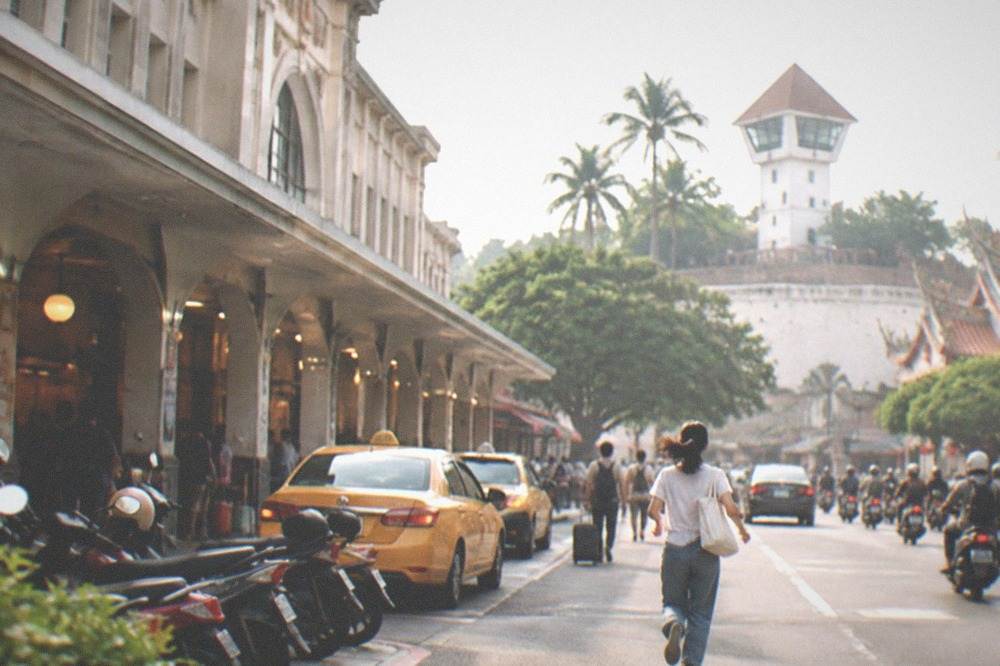
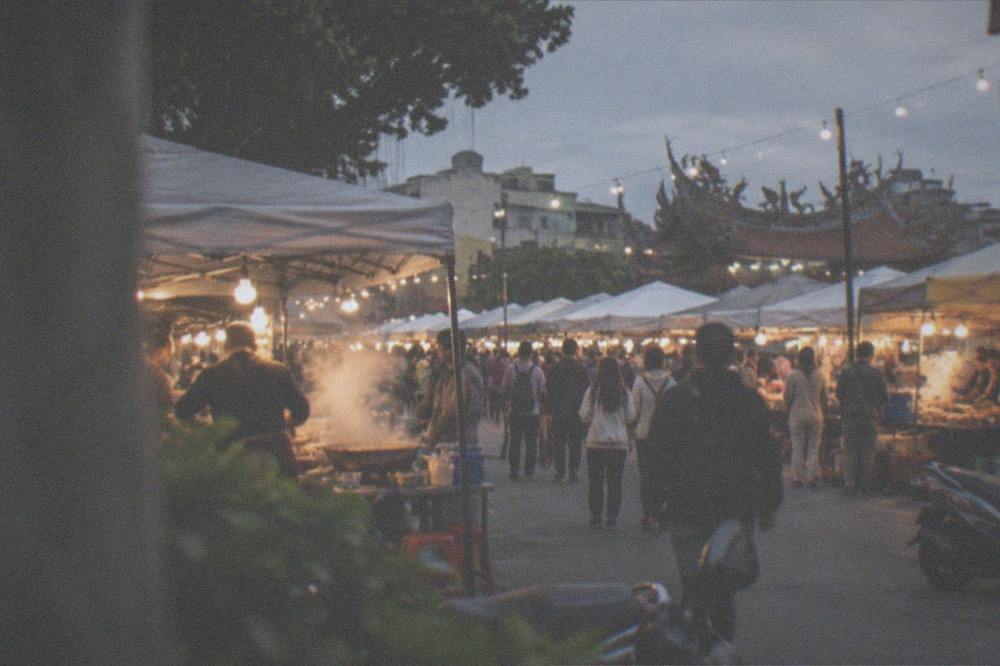
Tainan is widely described as Taiwan's food capital, and eating cheaply there is a matter of where rather than how much, because no official price list exists for any of its famous dishes. The night markets are the budget engine, and they rotate by day of the week, so the cheapest trip plans dinner around the schedule rather than around one district.
The honest limit first: beef soup, danzai noodles, coffin bread and every other Tainan classic have no published official price, and this site will not invent one. What is verifiable is the structure of cheap eating in the city. The night markets are open-air street food at its most concentrated, and their rotation is the single most useful practical fact on this site, verified market by market from the Tourism Bureau's own pages and cross-checked against the Tainan City Market Administration's official roster.
| Day | Big markets open |
|---|---|
| Monday | Dadong, plus Siaobei indoors |
| Tuesday | Dadong |
| Wednesday | Wusheng |
| Thursday | Garden |
| Friday | Dadong, Wusheng and Garden all open |
| Saturday | Wusheng, Garden |
| Sunday | Garden |
Friday is the one night all three big outdoor markets run, and Wednesday is the thinnest, with Wusheng alone. Siaobei is indoors and open every day from 12:00 to midnight, which makes it the wet-weather and wrong-night answer. The city updates these pages and the days do change, so check before you go. The Tainan night markets guide carries the full schedule, and the Tainan food guide and Tainan street food pages cover the dishes themselves.
Locals compress the rotation into a seven-character rhyme mapping Monday to Sunday onto Dadong, Dadong, Wusheng, Garden, Dadong, Wusheng, Garden. It gets the primary market for each night right, but it is folk shorthand rather than a schedule: against the city's current published hours it misses that Garden also opens Friday and Saturday, and that Wusheng also opens Friday. Use the rhyme as a memory aid and the table above as the schedule.
Where Should You Stay in Tainan to Save Money?
No hotel rate in Tainan is published by an official source, so this site prints no room price. What can be said honestly is structural: staying near a night market or in the West Central District puts the free temples, the cheap food and the free bus network within walking distance, which cuts both transport and meal costs on the same booking.
The where to stay in Tainan guide works through the districts properly. The budget logic is simple arithmetic once the rest of this page is in place: every NT$26 bus fare avoided by walking is a snack, and the free sites cluster in the old city core, so a room within walking distance of them subsidizes itself. The Tainan Art Museum's weekend car park rate of NT$40 per hour, uncapped, is the one verified parking figure, and it is a quiet argument for skipping a rental car entirely in the core.
Accommodation is also the one budget line where the seasons move the price, even though no official rate exists to quote. The January and February pilgrimage and Lunar New Year peak fills rooms around the temple districts, so the same October-to-November window that carries the best weather also carries the thinnest demand. Book the shoulder months and everything on this page gets cheaper at once.
When Is the Cheapest Time to Visit Tainan?
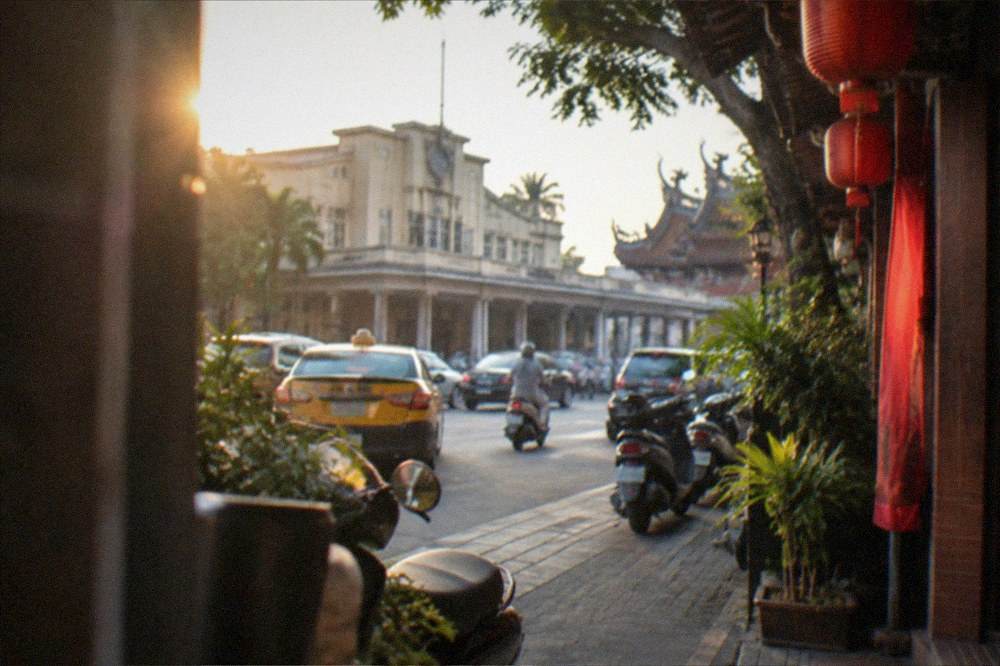
October to March is the dry, comfortable half of the year, with December bringing only 16 mm of rain across 3 wet days against August's 466 mm across 16. But the cheapest months and the busiest months overlap: January and February are Tainan's visitor peak, driven by temple pilgrimage and Lunar New Year, so shoulder months like October, November and March combine low rain with thinner crowds.
The Central Weather Administration's 1991 to 2020 normals for Tainan carry the whole case. Annual rainfall is 1,761 mm, and close to three-quarters of it falls between May and September. October is the driest month by wet days, 2.8, while still averaging 30.8C maxima, which makes it arguably the city's best value month: dry, warm, and outside the pilgrimage peak. Typhoon risk concentrates in the late summer months, and when the Tainan City Government declares a typhoon day, attractions and transport may suspend, as the Tainan Art Museum's own hours page states explicitly for itself.
| Month | Rain mm | Wet days | Mean max C |
|---|---|---|---|
| January | 20.7 | 3.8 | 23.0 |
| March | 30.4 | 4.2 | 26.6 |
| June | 370.5 | 12.1 | 32.4 |
| August | 466.1 | 15.8 | 32.6 |
| October | 30.8 | 2.8 | 30.8 |
| December | 16.2 | 3.0 | 24.4 |
The best time to visit Tainan and Tainan weather pages expand the climate picture, and the Taiwan typhoon season page covers the late-summer risk window. The budget reading of the climate table is blunt: rain costs money in Tainan, because the wet months push a visitor indoors toward the ticketed museums, while the dry months keep the free layer, temples, old streets and viewpoints, fully usable all day.
Common Questions About Visiting Tainan on a Budget
Is Tainan cheap to visit?
By big-city Taiwan standards, yes. Four major temples charge nothing, city buses are free for the first 8 km with an electronic card, and the biggest paid historic sites cost NT$70 each at the gate. Food and hotel prices are not officially published, so budget those from listings rather than from any fixed figure.
What is free in Tainan?
The Tainan Confucius Temple, Grand Matsu Temple, Five Concubines Temple and Kaiyuan Temple all charge no admission, and the old streets, the canal and the salt-coast viewpoints are open ground. City buses are free for the first 8 km with a tap card, and the H31 HSR shuttle is free with an HSR ticket stub.
How much are Tainan's main attractions?
Chihkan Tower, Anping Old Fort, the Anping Tree House and the Eternal Golden Castle are NT$70 each at the gate, Chimei Museum is NT$200, the Tainan Art Museum is NT$80, Qigu Salt Mountain is NT$50 on foot or NT$100 per car, and both Sicao boat routes are NT$200.
Are Tainan's buses really free?
For the first 8 km of any trip on the trunk and branch network, yes, if you tap an electronic card on and off. The cash fare for the same trip is NT$26. The scheme runs for the 2026 calendar year, so re-check it before relying on it.
What is the cheapest month to visit Tainan?
October, November and March are the best-value months: the Central Weather Administration's normals show October with just 2.8 wet days while still averaging 30.8C maxima, and all three sit outside the January and February pilgrimage and Lunar New Year peak.
Can you visit Tainan without booking anything?
Largely, yes. The temples, old streets, canal and viewpoints need no ticket, and buses take cash or a tap card. The paid sites sell at the gate, though the on-site notice governs, and the Sicao boats depart on a fill-and-wait basis, so a busy day can mean a wait.
The budget picture in Tainan is unusually clear for a city this historic: the free layer is real and verified, the paid layer is narrow and modest, and the transport waivers are genuine if you carry the right card and remember to tap off. Plan the night markets by the day-of-week table, put October or November on the calendar if your dates are flexible, and let the on-site notice be the final word on any price you find here.