Tainan Railway Station
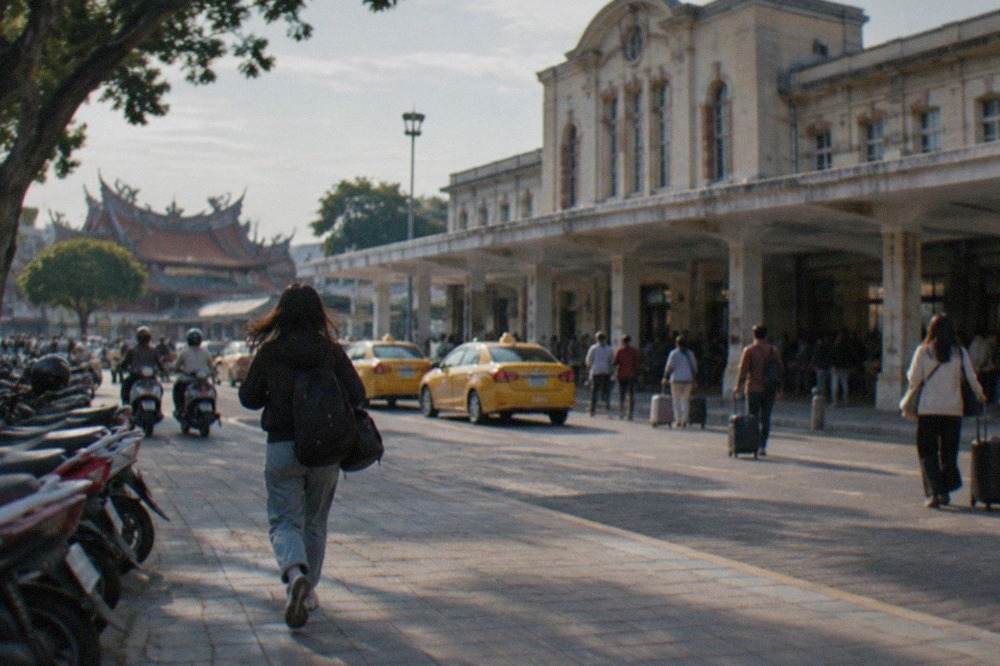
Tainan Railway Station sits inside the old city, which is the single most important fact about it. Everything the HSR station is not, this one is: central, walkable, and connected to the streets most visitors came to see.
Short answer
Tainan Railway Station is the conventional Taiwan Railway (TRA) station in the center of the old city, unlike the High Speed Rail station, which sits at Shalun in Guiren District outside town. From here the Confucius Temple, Chihkan Tower and the food streets are reachable on foot or by a city bus that is free for the first 8 km with an electronic card.
Tainan Railway Station is the conventional rail terminus that sits inside the old city, and that geography is the whole story. The High Speed Rail station that most long-distance travelers arrive at is not in Tainan at all: it is at Shalun in Guiren District, well outside the historic core, and reaching the center means a transfer. The railway station has no such problem. Step out of it and the streets of the old capital begin immediately, which is why anyone planning a trip around Tainan's temples, forts and food stalls should understand exactly what this station does and where it puts you.
This guide sets out the station's role in a Tainan trip: how it differs from the HSR station, how the Shalun Line connects the two, what the bus network offers from the front plaza, and what is within walking distance on the other side of the ticket gates. Every fare and figure here comes from the operator's own published pages, and where nothing official has been confirmed, this page says so rather than guessing.
Where Is Tainan Railway Station and Why Does It Matter?
Tainan Railway Station is the Taiwan Railway (TRA) station at the center of Tainan's old city, in the North District beside the historic front station building, and it is the only rail terminus that puts a visitor within walking distance of the Confucius Temple, Chihkan Tower and the West Central District food streets. It matters because it is the arrival point that requires no transfer to reach the things most travelers come for.
The station is the city's conventional-rail hub on the western trunk line, the one that runs down the populated west coast plain through Taichung, Chiayi and on to Kaohsiung. It is the station a visitor arrives at from other TRA services, and it is also the station the Shalun Line connects to from the High Speed Rail platform at Shalun in Guiren District.
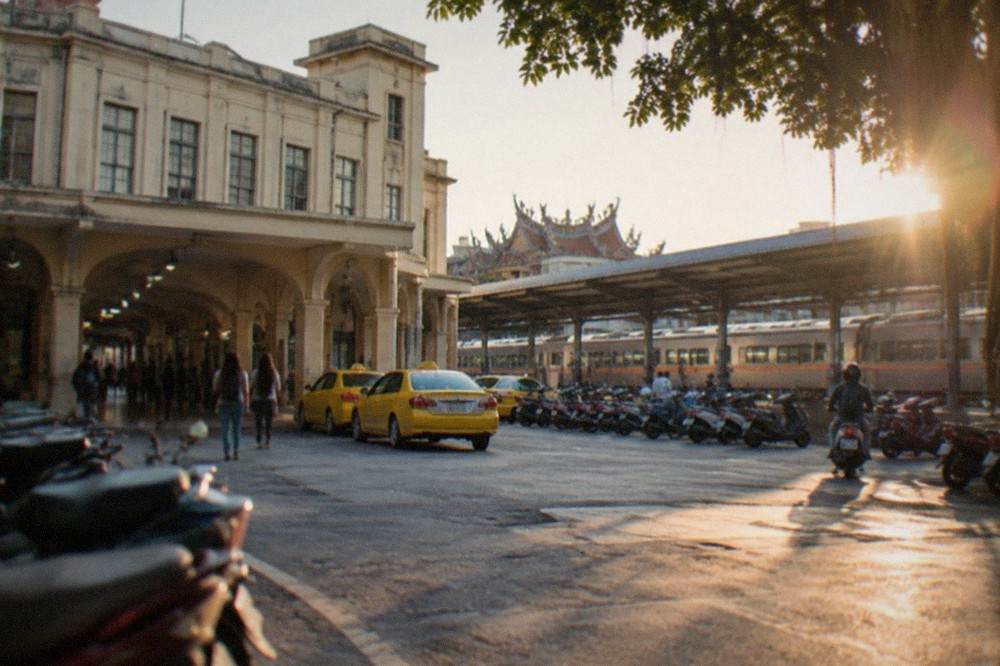
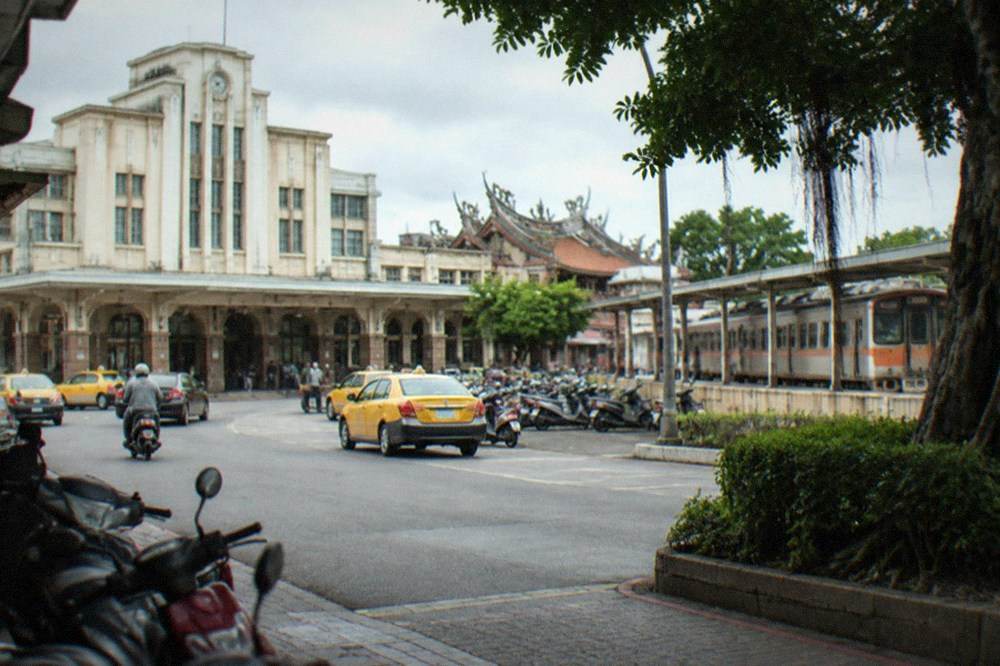
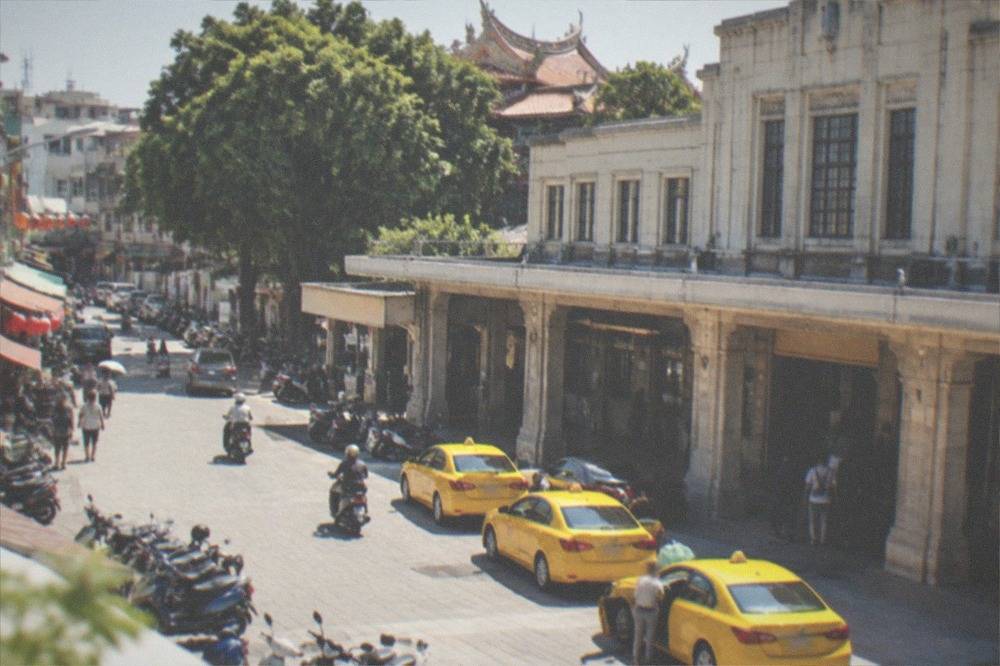
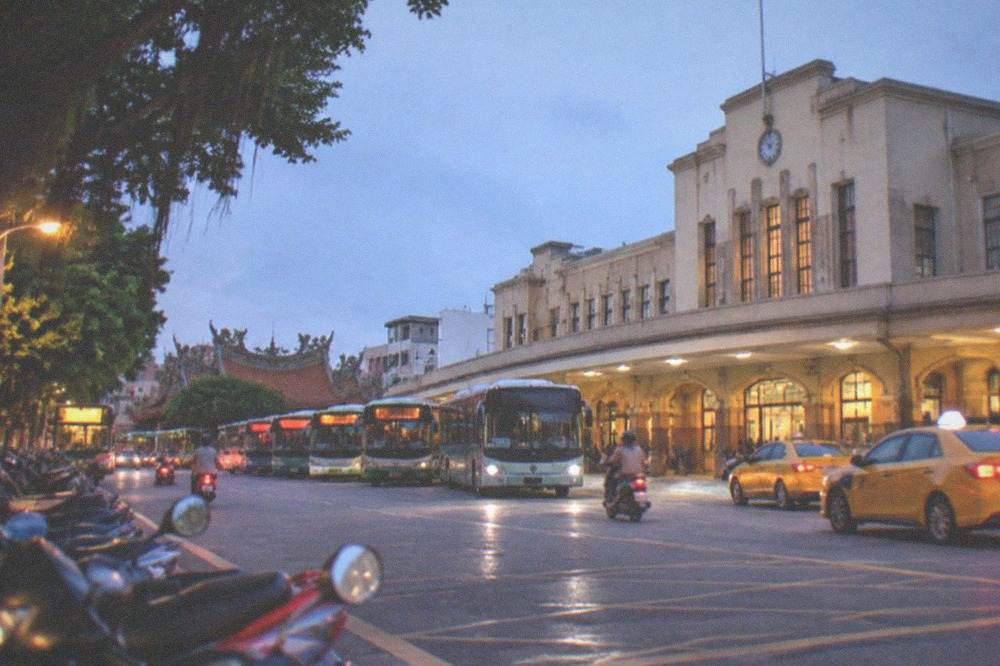
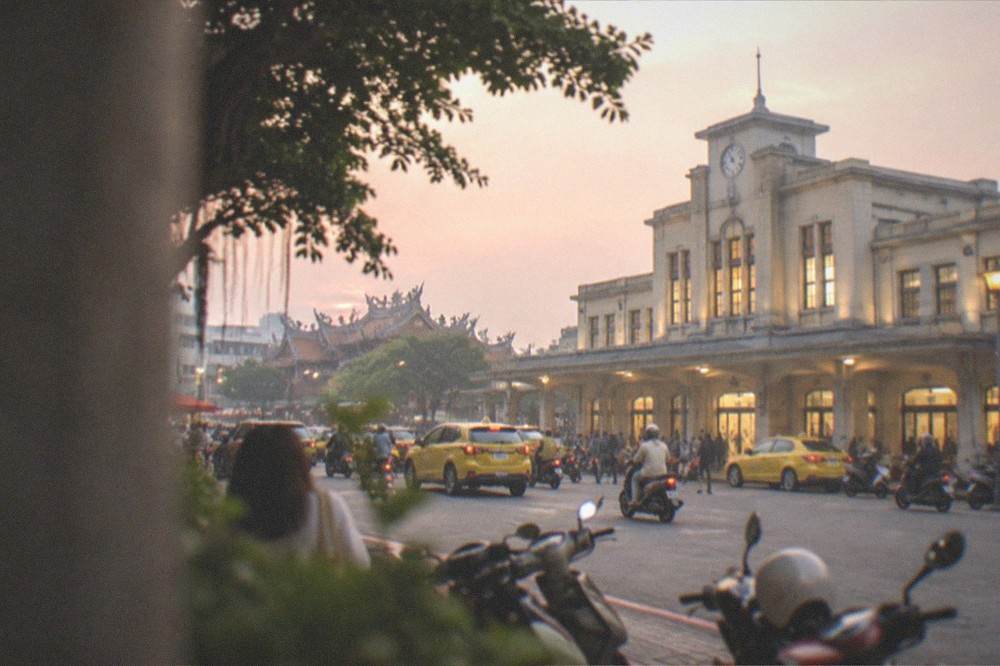
The front building is a landmark in its own right. The original station dates from the Japanese period and the city lists it among its heritage structures, which is worth knowing if you are the kind of traveler who photographs stations as well as temples. The practical point, though, is simpler: the station's front plaza is a bus interchange, and its back and front exits open onto streets that lead directly into the oldest parts of the city.
For trip planning, the station works as a natural anchor. Hotels cluster around it, the where to stay in Tainan decision often starts with how far a room is from this plaza, and the first morning of most itineraries begins here. If you are working out how many days you need in Tainan, the honest answer depends less on the sights than on how efficiently you can move between them, and this station is the efficient end of that calculation.
What Is the Difference Between Tainan Railway Station and the HSR Station?
The two stations are different systems in different places. Tainan Railway Station is the conventional Taiwan Railway station inside the old city; Tainan HSR Station is the High Speed Rail terminus at Shalun in Guiren District, outside the center, roughly a dedicated shuttle or branch-line ride away. Arriving by HSR does not put you in Tainan's historic core, and arriving by TRA does.
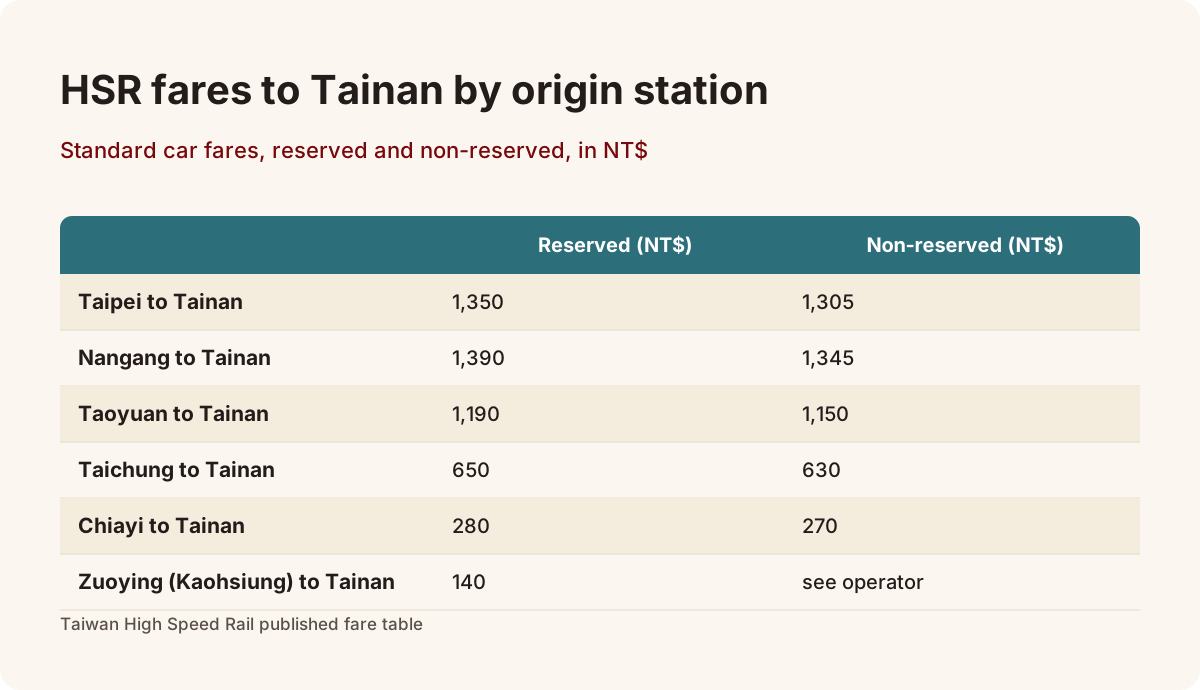
The High Speed Rail runs the fast island network: Taipei, Taoyuan, Taichung, Chiayi, Tainan and Zuoying. Its fares are published on Taiwan High Speed Rail's own fare table, and the standard-car reserved fares to Tainan are fixed numbers worth knowing before you book anything.
| Route | Standard Car, reserved (NT$) | Non-reserved (NT$) |
|---|---|---|
| Taipei to Tainan | 1,350 | 1,305 |
| Nangang to Tainan | 1,390 | 1,345 |
| Taoyuan to Tainan | 1,190 | 1,150 |
| Taichung to Tainan | 650 | 630 |
| Chiayi to Tainan | 280 | 270 |
| Zuoying (Kaohsiung) to Tainan | 140 | see operator |
One warning that saves real money: the operator's fare grid shows standard car in one triangle and business car in the other, and a careless read of that grid returns the business fare of 2,230 for Taipei to Tainan instead of the standard 1,350. That is a 65 percent overstatement. The Taiwan High Speed Rail guide on this site covers the grid in detail.
For the conventional railway, no fare and no journey time has been verified on an official TRA page for any route into Tainan, including Taipei and Kaohsiung, so this page will not print one. The operator's own trip planner is the place to check both, and the can tourists easily use the Taiwan Railway answer covers the system for foreign visitors. What can be said structurally: TRA services run the slower, older, cheaper network, and Tainan Railway Station is where they stop in the center of town.
The comparison that matters for planning is not speed but position. The HSR station's remoteness is covered in full on the Tainan HSR Station page. If your itinerary is Taipei-centric, see Taipei to Tainan; if you are pairing Tainan with Taiwan's second city, see Kaohsiung to Tainan.
How Do You Get from the HSR Station to Tainan Railway Station?
The link between the two stations is the TRA Shalun Line, a short branch railway from the HSR station at Shalun to Tainan main station. It is a paid Taiwan Railway ticket, not a free transfer, and its exact fare and frequency are not published on a page this site could verify, so check the operator's planner before assuming either. The alternative is the H31 shuttle bus, free for HSR passengers with a ticket stub.
The Shalun Line exists precisely to close the gap the HSR station's location creates. It connects the High Speed Rail platforms to the conventional-rail network at the main station, which means a visitor arriving at Shalun can ride a short branch train into the center instead of negotiating a taxi. What this site can state with confidence: it is a TRA service, it requires a ticket, and it is not part of any free-transfer arrangement. What it cannot state, because no official page confirmed it: the fare, the journey time and the frequency. The TRA fare-query tool is the authority for those numbers.
The bus alternative is better documented. The H31 Tainan City Government Line is an express shuttle between the HSR station and the city, and the city's own bus site states that HSR passengers ride free on production of a ticket stub, with no card tap needed. Passengers who are not HSR ticket holders pay by section: NT$18 for one section or NT$36 for two, with the section break at the Chimei Museum. That break matters for museum planners, because it puts the Chimei Museum directly on the shuttle route.
There is a third option that suits some itineraries better than either rail link: not transferring at all. A day trip that starts and ends at the HSR station, or departs from Kaohsiung, can skip the old-city transfer entirely, and for travelers on a tight clock that trade-off is worth making consciously rather than by accident.
What Is Within Walking Distance of Tainan Railway Station?
The station's immediate neighborhood puts several of Tainan's signature stops on foot: the Confucius Temple and its free-entry grounds, Chihkan Tower with its late 21:30 closing, the Shennong Street old-shop lane, and the West Central District food streets around Guohua Street. A visitor with a full afternoon can see the historic core without boarding a single bus.
Distances here are short because the station sits at the edge of the densest concentration of heritage sites in the city. The Tainan Confucius Temple, free to enter and open 08:30 to 17:30, is a short walk from the front plaza, and the city's own Tourism Bureau page records its free entry and hours. Chihkan Tower, the Dutch-era Provintia site built in the early 1650s, is NT$70 at the gate and, unusually for a historic site, open until 21:30 daily, which makes it one of the few monuments a visitor can see after dinner.
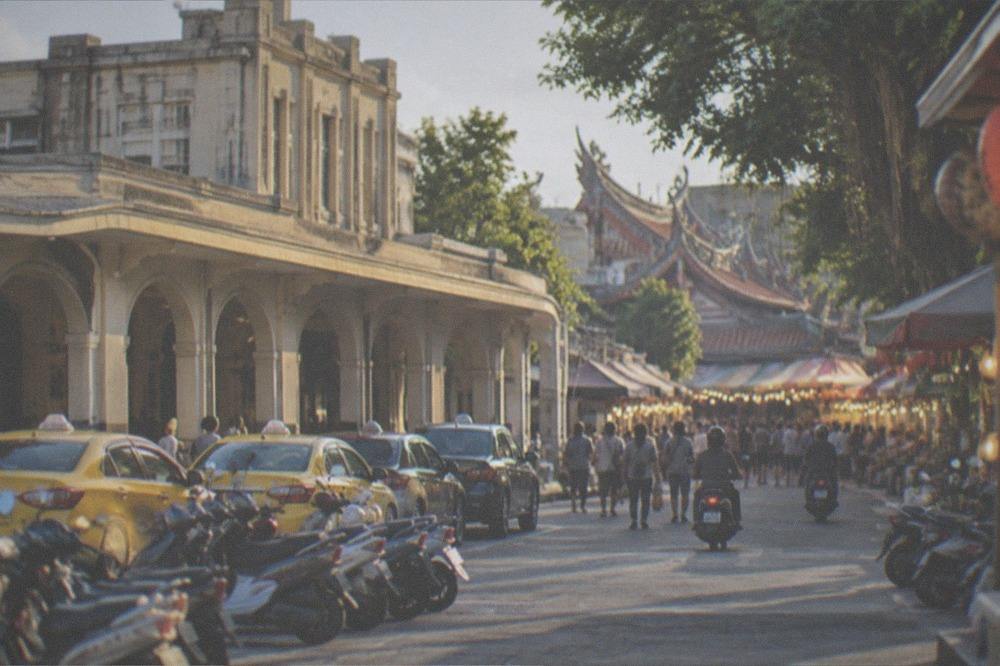
Food is the other reason to walk rather than ride. The old city's snack streets, covered street by street in the Tainan food guide, are concentrated west and south of the station. Danzai noodles, the signature bowl of Tainan street food, are documented on the danzai noodles page, and coffin bread, the city's other famous invention, on the coffin bread page. Beef soup, served in the early hours at shops around the city, has its own guide, and the broader street-food landscape is mapped in Tainan street food.
For a first visit with limited hours, the honest advice is to walk south and west from the station and let the streets do the work. A one-day itinerary is built around exactly this geometry, and the Tainan attractions overview page lists the full set of stops with their verified entry prices.
A guided walk is the other way to cover this ground, and for a visitor who wants the food streets decoded rather than discovered, a guided option beats a map. Check availability on the operator's live listing for the city walking tour with snacks and street food, which pairs the old core with the bowls it is famous for.
How Do City Buses Work from Tainan Railway Station?
City buses from the station's front plaza are free for the first 8 km with an electronic card: a Citizen Card, iPASS, EasyCard or iCash 2.0, tapped on and tapped off, on the trunk and branch network. The same trip paid in cash costs NT$26. The policy runs for the 2026 calendar year, so treat it as current rather than permanent.
The details come from the city's own bus ticketing page, which states the free first 8 km plainly. Two conditions trip visitors up. The first is the card: cash pays NT$26 for a trip a card pays nothing for. The second is the tap-off, which is the step most visitors miss, and missing it can mean the discount is not applied. The getting around Tainan page covers the card system in full.
| Payment | First 8 km on trunk/branch buses | Notes |
|---|---|---|
| Citizen Card, iPASS, EasyCard, iCash 2.0 | Free | Tap on and tap off required |
| Cash | NT$26 | Base fare the waiver removes |
| Transfer from TRA within 2 hours | NT$9 off a city bus | Same electronic card; a bike ride in between voids it |
The transfer discount is the one that rewards arriving by train. Hold the same electronic card, transfer between Taiwan Railway and a Tainan city bus within two hours, and the city gives NT$9 off the bus fare, or the free basic distance plus a further NT$9 off on a trunk or branch bus. Using another mode in between, such as a public bike, cancels the discount. That makes the railway station the best-value boarding point in the city for a card holder.
One exclusion worth repeating from the city's page: tourist buses and the HSR express bus sit outside the citizen-card discounts. The H31 shuttle's free ride for HSR passengers is a separate arrangement, documented above, and works on a ticket stub rather than a card tap.
Which Night Market Should You Visit After Arriving by Train?
The night markets rotate by day of the week, so the answer depends on when your train gets in. Garden Night Market opens Thursday to Sunday, Wusheng opens Wednesday, Friday and Saturday, Dadong opens Monday, Tuesday and Friday, and Siaobei is indoors and open every day. Friday is the only night all three big outdoor markets run; Wednesday is the thinnest, with Wusheng alone.
The rotation is the single most useful practical fact about eating in Tainan, and it is verified market by market from the Tainan City Government Tourism Bureau's own attraction pages, not from the folk rhyme. The rhyme locals use gets the primary market for each night roughly right, but it is shorthand, not a schedule: against the city's currently published hours it misses that Garden also opens Friday and Saturday, and that Wusheng also opens Friday.
| Night | Big markets open | Hours |
|---|---|---|
| Monday | Dadong | 18:00 to 01:00 |
| Tuesday | Dadong | 18:00 to 01:00 |
| Wednesday | Wusheng | 17:00 to 00:00 |
| Thursday | Garden | 17:00 to 00:00 |
| Friday | Dadong, Wusheng and Garden | see each row |
| Saturday | Wusheng, Garden | 17:00 to 00:00 |
| Sunday | Garden | 17:00 to 00:00 |
Siaobei Night Market is the wrong-night and wet-weather answer: it is covered and open every day from 12:00 to midnight. The city updates these pages, and the days do change, so check before you go. The Tainan night markets page carries the full breakdown, with the Garden, Dadong and Wusheng markets each documented separately.
For a visitor arriving at the railway station in the late afternoon, the practical move is to match the calendar to the train ticket. A Friday arrival is the jackpot; a Wednesday arrival means Wusheng or the indoor Siaobei. Cash matters here too: night markets and street stalls are the most cash-dependent part of a Tainan trip, and no official price list exists for any individual stall, so budget by appetite rather than by a printed figure.
What Should You Know Before You Arrive at Tainan Railway Station?
Three things shape an arrival here: the season, the luggage and the onward plan. Tainan's rain is almost entirely a summer event, with August bringing 466 mm across 16 wet days against December's 16 mm across 3; hotels cluster around the station; and the bus network from the plaza makes a car unnecessary for the old city. None of these require a booking, but all three reward a decision made in advance.
The climate numbers come from the Central Weather Administration's 1991 to 2020 normals for the Tainan station, and they say something a European-trained reader does not expect: the dry, comfortable half of the year here is October to March, with October the driest month by wet days while still averaging 30.8C maxima. Close to three-quarters of the annual 1,761 mm falls between May and September, and typhoon risk concentrates in the late-summer months. The Tainan weather page carries the month-by-month table, and the best time to visit Tainan page draws the planning conclusion.
Luggage is a real constraint in the old city, because the heritage streets are narrow and the food stalls have no bag storage. If the plan is to walk from the station into the temple district on arrival morning, pack for that, or use a luggage storage service near the plaza. Hotels around the station are documented on the Tainan hotels page, and staying near the plaza puts both the TRA network and the bus interchange at the door.
The onward plan matters most for day trips. The Alishan Forest Railway and the mountain it serves are a serious journey from Tainan, the coast at Qigu and the lagoon boats at Sicao are half-day trips by bus, and a visitor with only a weekend should choose between them rather than attempt both. For travelers who want the coast and the old town without the bus timetable, a private day trip from Kaohsiung or Tainan covers the same ground on a driver's clock, and the operator's live listing has the current options.
Is Tainan Railway Station the Right Arrival Point for Your Trip?
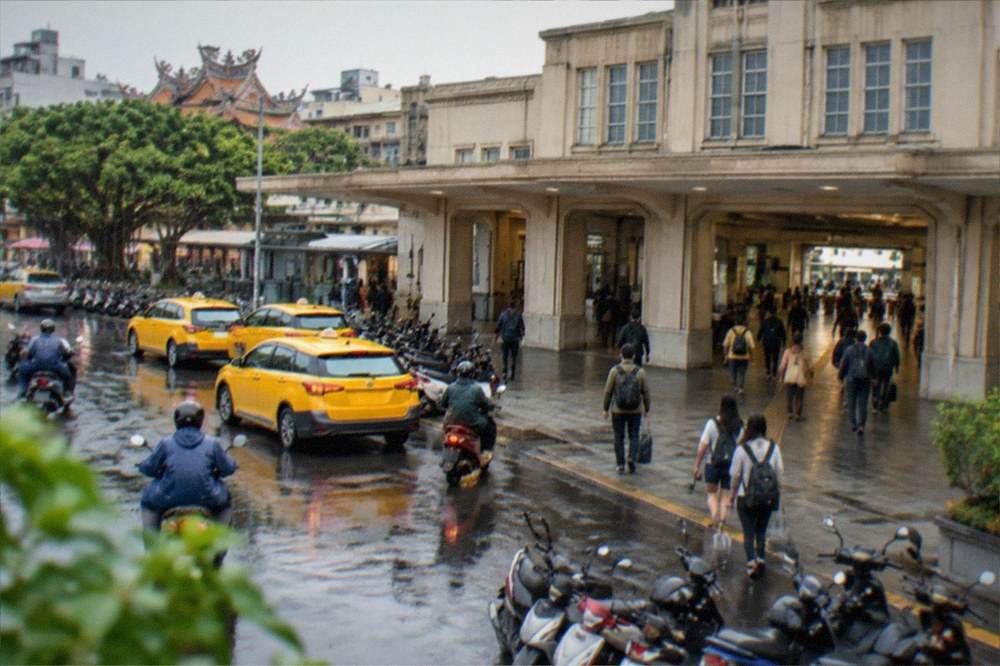
It is the right arrival point if your itinerary centers on the old city, if you are coming down the west coast by conventional rail, or if you are transferring from the HSR station and want to be deposited in the middle of the temples and food streets. It is the wrong one only if your trip is a same-day coastal loop, where starting from the HSR station or a private car saves the transfer.
For most first-time visitors the answer is yes, and the reasons stack. The station is inside the walkable core, the bus interchange on its plaza is free for the first 8 km with a card, the transfer discount rewards arriving by TRA, and the night markets, the food streets and the free-entry temples are all within a short ride or a shorter walk. A first-time Tainan itinerary is built around exactly this arrival pattern.
The counter-case is narrow but real. A traveler flying into Kaohsiung and heading straight for the lagoon coast at Qigu or the temples of Beimen loses time backtracking through the center, and for that profile the coastal day tours from the roster below fit better. The Qigu and Beimen area pages on this site show what that itinerary looks like.
Common Questions About Tainan Railway Station
Is Tainan Railway Station the same as Tainan HSR Station?
No. Tainan Railway Station is the conventional Taiwan Railway station inside the old city; Tainan HSR Station is the High Speed Rail terminus at Shalun in Guiren District, outside the center. The two are connected by the TRA Shalun Line, which is a paid ticket, and by the H31 shuttle bus, which is free for HSR passengers with a ticket stub.
How do I get from Tainan HSR Station to the city center?
Two verified options exist. The TRA Shalun Line runs from the HSR station to the main railway station and is a paid Taiwan Railway ticket, with fares and times to be checked on the operator's own planner. The H31 express bus is free for HSR passengers on production of a ticket stub, and other passengers pay NT$18 or NT$36 by section.
Are Tainan city buses free?
For the first 8 km on the trunk and branch network, yes, with an electronic card: Citizen Card, iPASS, EasyCard or iCash 2.0, tapped on and tapped off. The same trip in cash costs NT$26. The scheme runs for the 2026 calendar year, so confirm it is still current when you travel.
Can I walk to the sights from Tainan Railway Station?
Yes. The Confucius Temple, Chihkan Tower, Shennong Street and the West Central District food streets are all within a short walk of the front plaza, and Chihkan Tower's 21:30 closing makes it one of the few historic sites a visitor can see in the evening after arriving.
Does EasyCard work on the High Speed Rail?
Do not assume it does. EasyCard and iPASS are verified on Tainan city buses and at the Tainan Art Museum ticket desk, but no official source confirms either card on the High Speed Rail, and this site does not claim it. Buy HSR tickets through the operator's own channels.
Which night market is open the night I arrive?
It depends on the day. Garden runs Thursday to Sunday, Wusheng Wednesday, Friday and Saturday, Dadong Monday, Tuesday and Friday, and Siaobei is indoors and open daily from noon to midnight. Friday is the only night all three big outdoor markets run. Check the city's pages before you go, because the days change.
The station is the quiet advantage of a Tainan trip: the one rail arrival that needs no transfer, no shuttle and no second ticket to put you in the old capital. Plan the HSR leg for speed, plan the last kilometers around this plaza, and the rest of the city arranges itself on foot. For everything else in the city, Tainan Travel Guide covers the sights, the food and the seasons in full.