Best Time to Visit Tainan
Tainan's climate splits the year cleanly in two: a hot, wet summer half and a dry, warm winter half. Picking the right month matters more here than in most of Taiwan, because the city's biggest draws, its temples, night markets and street food, are mostly outdoors.

Short answer
The best time to visit Tainan is October to March, when the city is dry, sunny and warm rather than hot. November and December are the sweet spot: barely 20 mm of rain each month, daytime maxima in the mid-20s Celsius, and the night markets in full swing. Avoid late June through September if you hate heat and rain, and note that January and February are the busiest months because of Lunar New Year pilgrimage.
Tainan sits on Taiwan's southwest coastal plain, and the Central Weather Administration describes its climate with unusually clean numbers. The city gets 1,760.6 mm of rain a year, but almost none of it falls between October and March. It records 185.8 days above 30C, nearly all of them between April and October. That split is the whole story of when to go: Tainan has a hot, wet half of the year and a dry, warm half, and the dry half is objectively the more comfortable one to visit in.
That is not the whole answer, though. The dry half of the year is also when the city is busiest, because Tainan's peak season is January and February, driven by temple pilgrimage and Lunar New Year rather than by school holidays. This guide lays out the verified month-by-month numbers, the festival calendar, the crowd patterns and the trade-offs, so you can pick the week that fits what you actually want from the old capital. If you are still shaping the trip itself, start with our first-time Tainan itinerary or the answers on where to go in Tainan for the first time.
What Is the Best Time to Visit Tainan?
The best months to visit Tainan are October, November and December, with February and March close behind. October averages 30.8C daytime maxima with just 2.8 wet days, the lowest of any month, and December brings only 16.2 mm of rain. November is the calmest combination of dry weather, warm sea-level temperatures and manageable crowds. If you want the festivals, come in February or March; if you want the city to yourself, aim for late November or early December.
The reason the dry season wins is structural, not a matter of taste. Tainan's core experiences are outdoor ones: the temple trail, the night markets, the Anping old streets, the lagoon coast at Qigu and Sicao. The Tainan Travel Guide team plans around the verified numbers, and the numbers say that between May and September you are choosing between heat that stays above 30C on most days and rain that arrives in bursts of hundreds of millimetres per month.
There is a second, less obvious consideration. The Tourism Administration's own visitor dataset shows that Tainan's peak months are January and February, not summer. Nankunshen Daitian Temple drew 6,583,100 visitors in 2023, peaking in January; Anping as a district drew 4,441,443, peaking in February. Winter is when Taiwanese travelers themselves descend on the city, so the dry season is comfortable but not empty. Late autumn is the quiet window.
What Is the Weather Like in Tainan Month by Month?
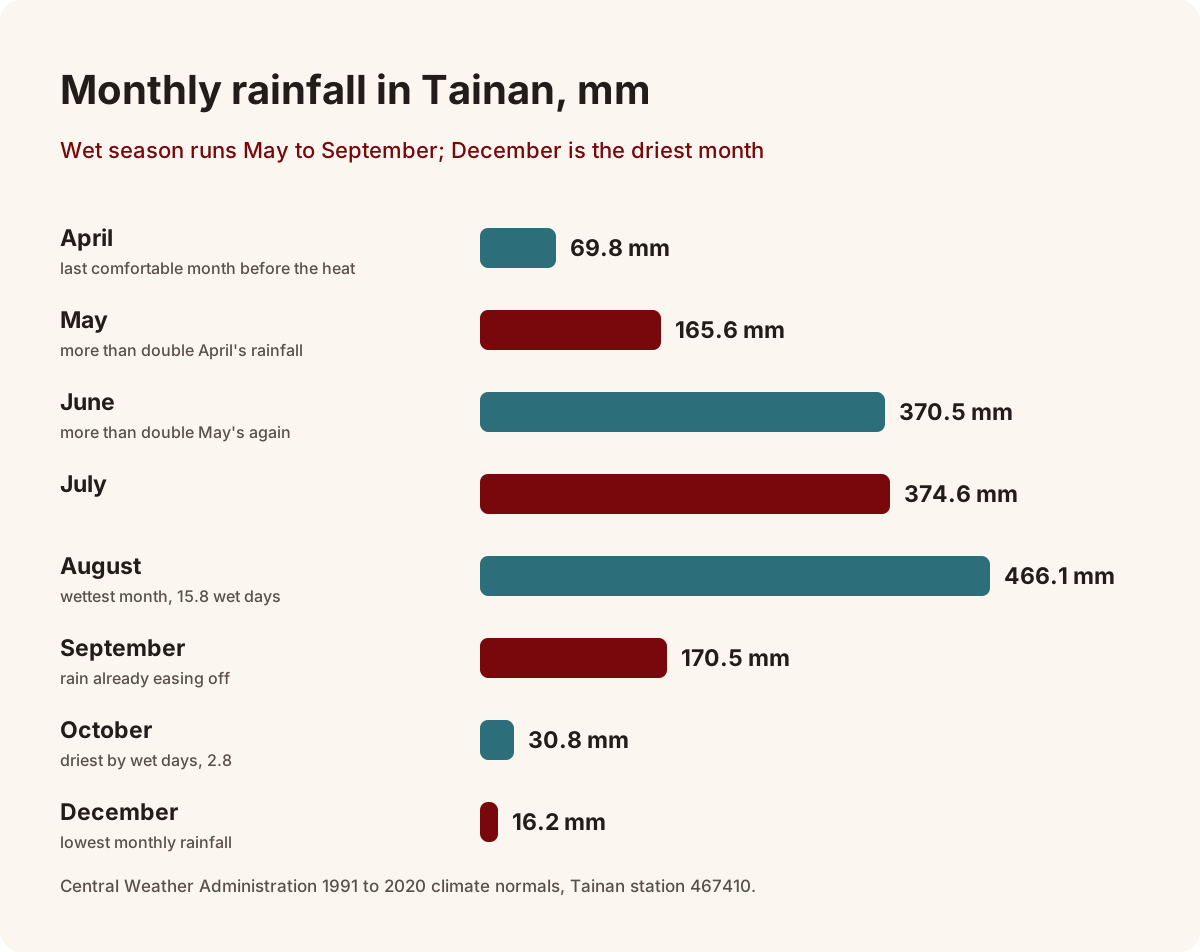
Tainan averages 24.6C across the year, with monthly means running from 17.9C in January to 29.3C in July. Rainfall is brutally seasonal: August averages 466.1 mm across 15.8 wet days, while December averages 16.2 mm across 3.0. Days above 30C run from zero in January to nearly 29 a month in July. October to March is the dry, comfortable half of the year; May to September is hot, humid and wet.
These figures come straight from the Central Weather Administration's 1991 to 2020 climate normals for Tainan station 467410, which is the dataset every forecast app quietly leans on. The full picture:
| Month | Mean C | Mean max C | Rain mm | Wet days | Days over 30C |
|---|---|---|---|---|---|
| Jan | 17.9 | 23.0 | 20.7 | 3.8 | 0.0 |
| Feb | 18.9 | 24.0 | 21.6 | 4.1 | 0.9 |
| Mar | 21.6 | 26.6 | 30.4 | 4.2 | 4.1 |
| Apr | 24.9 | 29.3 | 69.8 | 5.9 | 14.9 |
| May | 27.4 | 31.4 | 165.6 | 9.0 | 25.2 |
| Jun | 28.8 | 32.4 | 370.5 | 12.1 | 26.2 |
| Jul | 29.3 | 33.0 | 374.6 | 13.0 | 28.9 |
| Aug | 28.9 | 32.6 | 466.1 | 15.8 | 27.6 |
| Sep | 28.5 | 32.4 | 170.5 | 8.5 | 27.8 |
| Oct | 26.3 | 30.8 | 30.8 | 2.8 | 23.6 |
| Nov | 23.4 | 28.1 | 23.8 | 2.4 | 6.1 |
| Dec | 19.6 | 24.4 | 16.2 | 3.0 | 0.5 |
Two details in that table deserve a second look. October is the driest month by wet days, 2.8, yet still averages 30.8C maxima, which makes it the warmest of the dry months. And the rain does not build gradually: April's 69.8 mm jumps to 165.6 mm in May and 370.5 mm in June, so the shift from spring to summer is sharp rather than gentle. The city logs 2,185 hours of sunshine a year, and most of that sunshine is stacked into the same October-to-March window when the rain disappears.
March is the underrated month. At 21.6C mean and 30.4 mm of rain, it is effectively still dry-season weather, and it overlaps with the Taiwan International Orchid Show and the Yuejin Lantern Festival tail end. April is the last comfortable month before the heat arrives in force, with maxima at 29.3C and rain still under 70 mm.
When Is Tainan's Rainy Season?
Tainan's rainy season runs from May to September, with the heaviest months being June, July and August. August is the wettest at 466.1 mm across 15.8 wet days, and close to three-quarters of the annual 1,760.6 mm falls between May and September. December through March is effectively dry, with each month recording between 16 and 31 mm in total.
The onset is fast. May's rainfall is more than double April's, and June's is more than double May's again, so by early June the summer pattern has fully arrived: hot, humid, with heavy afternoon or overnight downpours rather than all-day drizzle. The 1991 to 2020 normals show September already easing off at 170.5 mm, and by October the tap shuts almost completely.
If you are traveling in the wet months, the practical consequences are manageable but real. The outdoor night markets keep their fixed days regardless of weather, and Siaobei Night Market, which is indoors and open every day from 12:00 to 00:00, is the wet-weather answer. The Sicao Green Tunnel boats run daily from 08:00 to 16:00, but departures depend on weather and demand, so a lagoon trip is the thing to rebook first when a downpour arrives. Our Tainan rainy season guide and the typhoon season explainer cover the wetter half of the year in detail.
One honest caveat about the shoulder months: the rainfall table is a 30-year average, and individual years swing around it. A late-May trip can be dry and a September typhoon can dump a month of rain in two days. The averages tell you which weeks are a gamble, not which specific days will be wet, so check the live forecast in the week before you fly.
When Is Typhoon Season in Tainan?
Typhoon risk in Tainan concentrates in the late summer months, with July, August and September the peak of the season. No official frequency statistic is published for the city, so the honest guide is the rainfall table itself, which independently shows the same shape: the months with the most typhoon activity are also the months with the most rain. When the city government declares a typhoon day, attractions close, and the Tainan Art Museum says so on its own hours page.
Typhoon days in Taiwan are declared by the local city or county government, not nationally. When Tainan announces a suspension of work, schools close, many offices close, and attractions and transport suspend service; the Tainan Art Museum's hours page states explicitly that it closes when the city government announces a work suspension for a typhoon or earthquake. That is a concrete, verified example of the rule, and most indoor venues follow the same pattern.
For trip planning, the practical advice is simple. If you travel between June and October, build one flexible day into the itinerary and keep an eye on the Central Weather Administration's warnings in your final week. Do not book a non-refundable lagoon boat trip or a coast day tour for the very first morning of a late-summer trip. If a typhoon day is declared, the indoor options, the museums, Siaobei Night Market and the department stores, are what remain standing.
When Are Tainan's Festivals and Peak Crowds?
Tainan's festival year peaks in February and March, led by the Yanshui Beehive Fireworks in February and the Yuejin Lantern Festival from February into March. The city's own calendar lists the orchid show in March, mango season from June to July, the Qigu Seafood Festival from July to August, and the Guanziling Hot Spring and Food Festival from September to November. January and February are the city's busiest visitor months, driven by pilgrimage and Lunar New Year.
The official festival calendar, published by the Tainan City Government Tourism Bureau, gives the full year:
| Month(s) | Festival |
|---|---|
| Jan | New Year countdown events; dawn music festival at the science park |
| Feb | Yanshui Beehive Fireworks |
| Feb to Mar | Yuejin Lantern Festival |
| Mar | Taiwan International Orchid Show; Ancient Capital half marathon |
| Mar to May | Firefly and flower season |
| Jun | International Dragon Boat Championship |
| Jun to Jul | Taiwan Mango Season and the mango festival |
| Jul to Aug | Qigu Seafood Festival |
| Aug to Sep | Qixi Carnival |
| Sep | Confucius Temple Cultural Festival |
| Sep to Nov | Guanziling Hot Spring and Food Festival; Art in the Districts |
| Nov to Feb | Tainan Shopping Festival |
| Dec to Jan | Christmas and New Year series |
The Yanshui Beehive Fireworks is held in February, on the Lantern Festival, and its exact Gregorian dates shift with the lunar calendar each year, so the city confirms them closer to the event. It is the single most intense festival experience in Taiwan: processions and rocket-like firecrackers fired into the crowd, and it draws visitors from across the island. If you want it, book accommodation in Yanshui or central Tainan months ahead, because February rooms go fast. Our Yanshui Beehive Fireworks guide covers what to wear and how to watch safely.
The crowd pattern is the part most first-time visitors get backwards. Chihkan Tower drew 443,622 visitors in 2023 and the Confucius Temple 195,109, but Nankunshen Daitian Temple drew 6,583,100 and Anping as a district 4,441,443, both peaking in January or February. The counts are compiled by each operator, so a ticketed museum and an open old street are not measured the same way, but the shape is unambiguous: Tainan's high season is the dry, festive winter, not the summer.
What Is the Best Time to Visit Tainan for Food?
Any month works for Tainan food, because the night markets rotate year-round and the street food stalls do not close for winter. The seasonal exceptions are mangoes, which peak from June to July in Yujing, and the Qigu Seafood Festival, which runs July to August. For oyster and lagoon seafood, the Qigu coast serves it in every season, and the black-faced spoonbills, the winter wildlife draw, arrive from around October and stay into spring.
The night market schedule is fixed by day of week, not by season, and it is the single most useful practical fact for any food trip. Verified from the city's own pages:
| Market | Open | Hours |
|---|---|---|
| Garden Night Market | Thu, Fri, Sat, Sun | 17:00 to 00:00 |
| Wusheng Night Market | Wed, Fri, Sat | 17:00 to 00:00 |
| Dadong Night Market | Mon, Tue, Fri | 18:00 to 01:00 |
| Siaobei Night Market | every day, indoor | 12:00 to 00:00 |
Friday is the one night all three big outdoor markets run, so a Friday visit is the best single night for a food crawl. Wednesday is the thinnest, with Wusheng alone, and Siaobei is the wrong-night and wet-weather fallback because it is indoors and daily. The city updates these pages, so check before you go. Our Tainan night markets guide and the street food overview go dish by dish.
Weather does change the eating experience, though. Beef soup is a breakfast dish served from before dawn, and in July and August that means eating it at 28C with high humidity, which is a different experience from the same bowl at 19C in December. Danzai noodles, coffin bread and milkfish soup are year-round staples; the Tainan food guide maps the classics.
What Is the Best Time to Visit Tainan for Temples and History?
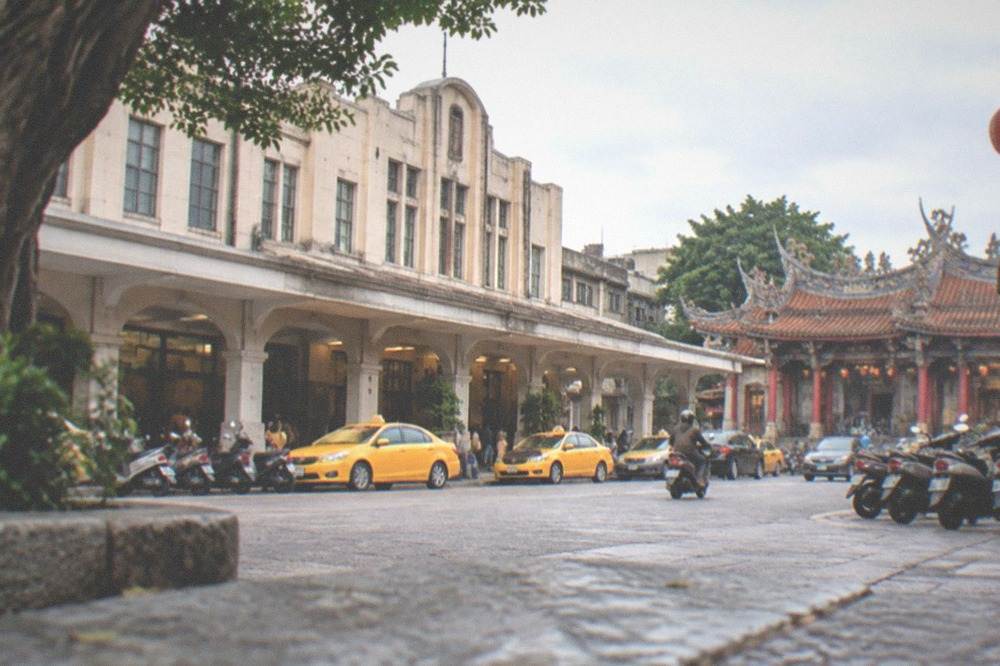
October to March is the best window for Tainan's temples and historic sites, because you will be walking between them outdoors in 20 to 26C rather than 33C. The trade-off is crowds: January and February are the pilgrimage peak, when Nankunshen Daitian Temple alone draws its biggest months. For quiet temple mornings with comfortable weather, aim for late October, November or early December.
Tainan was Taiwan's capital for more than two centuries, until the late nineteenth century, and the city's historic core is dense enough that a temple trail means hours on foot. The Dutch-era sites frame the story: Fort Zeelandia at Anping was begun in 1624 and completed in 1634, and Fort Provintia at what is now Chihkan Tower was built in the early 1650s. The Tainan history guide and temple trail overview lay out the route.
The practical detail that matters for timing: Chihkan Tower is open 08:30 to 21:30 daily, one of the few historic sites in the city a visitor can see after dinner, which makes an evening historic walk viable in every season. Anping Old Fort runs 10:00 to 17:10, so it needs a daytime slot, and in summer that means the hottest hours. Free-entry temples like the Grand Matsu Temple (06:00 to 21:00) and Kaiyuan Temple (06:00 to 17:00) are open long enough to dodge the midday heat whenever you come.
What Is the Cheapest and Quietest Time to Visit Tainan?
Late November and early December are the quietest and usually the cheapest weeks in Tainan, sitting between the festival peak and the year-end holidays. The weather is near-perfect, with December averaging 16.2 mm of rain and 24.4C maxima, and visitor numbers are at their annual low. Late September and October are the quiet alternative on the coast, but they carry some residual typhoon risk.
The logic follows directly from the two tables above. Crowds peak in January and February with Lunar New Year and pilgrimage, and they peak again around the year-end holiday series in December and January. The gap between those waves, mid-November to mid-December, combines the driest weather of the year with the fewest competing travelers. Hotel pricing is not something we publish numbers for, but the demand pattern that drives it is verified: the quiet weeks are the ones when the city's own calendar has nothing scheduled and the visitor counts are at their lowest.
If you do travel in the peak, book early and book centrally. The where to stay in Tainan guide and the hotel overview explain the district trade-offs, and in February the trade-offs bite hardest.
Should You Visit Tainan in Summer at All?
Summer in Tainan is hot and wet, with July averaging 33.0C maxima and August 466.1 mm of rain, but it is not a bad time to visit if you plan around the heat. The mango season peaks June to July, the Qigu Seafood Festival runs July to August, and the lagoon and lotus seasons are summer events. The workable pattern is early mornings, air-conditioned museums at midday, and evening night markets.
The summer has genuine, seasonal payoffs that the dry months cannot offer. Yujing's mangoes, the Irwin variety in particular, peak from around June into July, and the city runs its mango festival in that window. Baihe's lotus fields bloom from June into August, best in the early morning, which conveniently is also the coolest part of a summer day. The Qigu lagoon coast is at its liveliest during the July to August seafood festival.
The indoor anchors carry the midday hours. The Chimei Museum's permanent collection is NT$200 at the gate, closed Wednesdays. The Tainan Art Museum is NT$80, open Tuesday to Sunday and until 21:00 on Saturdays, closed Mondays. The National Museum of Taiwan History is closed Mondays too. In other words, a summer Tainan week can be structured so that the 11:00 to 16:00 block is always indoors, and the verified climate table says that block is the one to avoid outdoors: 27 to 29 days a month exceed 30C from June through September.
What About the Lagoon Coast and Qigu?
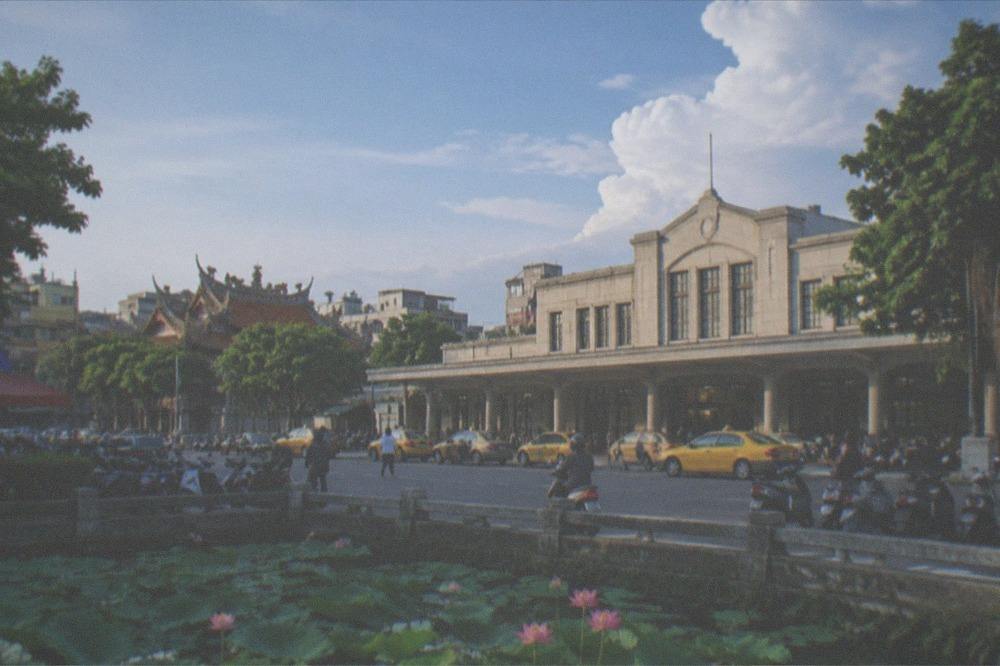
The Qigu and Sicao lagoon coast is a October-to-April destination for comfortable weather and a June-to-August destination for festivals, with one winter bonus: the black-faced spoonbills, Tainan's most famous migratory birds, arrive in the wetlands from around September or October and stay until spring. The Sicao Green Tunnel boats run daily from 08:00 to 16:00, at NT$200 per adult, and both boat routes cost the same.
The spoonbill season is the coast's best-kept timing secret. The birds gather in the Qigu wetlands and the Zengwen River estuary through the northern winter, which lines up exactly with the dry-season weather: you can spend a December morning on the lagoon in 24C sunshine with the winter birds present. In summer the same boats run, but the mangrove tunnel is at its most humid and the midday departures are the hottest hours of the day.
Qigu Salt Mountain is open 09:00 to 18:00 with a NT$50 cleaning fee per person on foot, or NT$100 per car. The site closes on Lunar New Year's Eve and on government typhoon days, which is worth knowing if you are building a coastal day in either peak season. A guided day tour strings the coast together with the city's historic sites, which saves the transfer planning:

How Does the Time of Year Change Getting Around Tainan?
The time of year changes Tainan logistics less than you might expect, because the city bus network's free-first-8-km policy with an electronic card runs for the whole calendar year, and the night markets keep fixed days in every season. The real seasonal differences are typhoon-day closures in late summer and crowd pressure on buses and the HSR shuttle during the Lunar New Year peak in January and February.
The transport spine is stable year-round. City buses are free for the first 8 km with a Citizen Card, iPASS, EasyCard or iCash 2.0, provided you tap on and tap off; the cash fare for the same trip is NT$26. The H31 HSR express bus is free for High Speed Rail passengers on production of a ticket stub, and the HSR station itself is at Shalun in Guiren District, outside the old city, so every arrival involves a transfer. The getting around guide has the full picture, and the HSR station guide covers the arrival logistics.
Two seasonal notes. In the January-February peak, the shuttle and the trunk buses carry pilgrimage and holiday crowds, so allow slack on transfer days. And in late summer, a declared typhoon day suspends bus service along with everything else, which is one more reason the flexible-day rule matters for June-to-October trips. Arrival logistics themselves are season-neutral, whichever end of the island you come from.

Common Questions About Visiting Tainan
The questions below are the ones travelers ask most about timing a Tainan trip, answered from the verified climate normals, the city's own festival calendar and the Tourism Administration's visitor dataset. Each answer stands alone, so you can jump straight to the month or the trade-off you are weighing. The short version: October to December for weather, February to March for festivals, and Friday night for the markets, in any month of the year.
What is the best month to visit Tainan?
November is the best single month: 23.8 mm of rain across 2.4 wet days, 28.1C daytime maxima, and visitor numbers at their annual low before the year-end holidays. October is warmer and nearly as dry; March is a close third with the orchid show and lantern festival tail.
Is summer a bad time to visit Tainan?
Summer is hot and wet, with July averaging 33.0C maxima and August 466.1 mm of rain, but it is workable with early mornings, indoor museums at midday and evening night markets. The seasonal payoffs, mangoes in June and July, the Qigu Seafood Festival and Baihe's lotus fields, exist only in summer.
When is Tainan's rainy season?
May to September, with the heaviest rain in June, July and August. Close to three-quarters of the annual 1,760.6 mm falls in that window. October to March is effectively dry, with December the driest month at 16.2 mm.
When is typhoon season in Tainan?
Typhoon risk concentrates in the late summer months, with July to September the peak. No official frequency statistic is published for the city, but the rainfall table shows the same shape independently. When the city government declares a typhoon day, attractions and transport suspend, and the Tainan Art Museum states on its own hours page that it closes on such announcements.
What is the busiest time of year in Tainan?
January and February, driven by temple pilgrimage and Lunar New Year. Nankunshen Daitian Temple, the city's biggest draw at 6,583,100 visitors in 2023, peaks in January; Anping district peaks in February. Book accommodation well ahead for those months.
When is the Yanshui Beehive Fireworks held?
In February, on the Lantern Festival, with the exact Gregorian dates shifting each year under the lunar calendar and confirmed by the city closer to the event. It is Tainan's most intense festival and the reason February rooms in Yanshui and central Tainan sell out early.
The decision, in the end, is between weather and atmosphere. The dry season from October to March gives you the comfortable version of Tainan, and the festival season from February into March gives you the loud, crowded, unforgettable one. November and early December deliver the first without the second; the Lunar New Year window delivers the second at the cost of crowds; and a well-planned summer trip, built around morning temple hours, air-conditioned museums and evening markets, delivers more than most travelers expect. Pick the month that matches what you want the city to feel like, check the live forecast and the city's market pages in your final week, and the rest of the planning falls into place.