Jingliao Old Street
Jingliao Old Street is a small, rural old street in Houbi District, on the inland side of Tainan, usually visited together with Yanshui. This guide covers what the street is, how to reach it without a car, and when to time a trip around the February fireworks season.
Short answer
Jingliao Old Street is a quiet, low-rise old street in Houbi District, inland Tainan, best paired with nearby Yanshui Old Street as a half-day trip. There is no ticket and no set opening hours, and the street is at its liveliest during the February Lantern Festival period, when the Yanshui Beehive Fireworks draw huge crowds to the area.
Jingliao Old Street sits in Houbi District, on the flat inland plain of northern Tainan, a world away from the temple crowds of the old city center. The Tainan City Government Tourism Bureau lists Jingliao among the city's old-street attractions, and its listing, together with the Yanshui and Jingliao day trip route this site covers elsewhere, is the main reason travelers hear about it at all. The street is small, rural and quiet, and that is precisely its appeal: it is what Tainan's countryside looks like when the rice fields come right up to the shopfronts.
This page explains what Jingliao Old Street is, how to reach it using Tainan's bus network, what there is to see on and around the street, and when to plan a visit. It also compares Jingliao with the better-known old streets inside the city, because most visitors have time for one or two, and the choice between a rural street and an urban one shapes the whole day. Everything practical here, fares, free-entry sites, market days and weather, comes from official Taiwanese sources, and where a figure could not be confirmed, this guide says so rather than guessing.
What Is Jingliao Old Street?
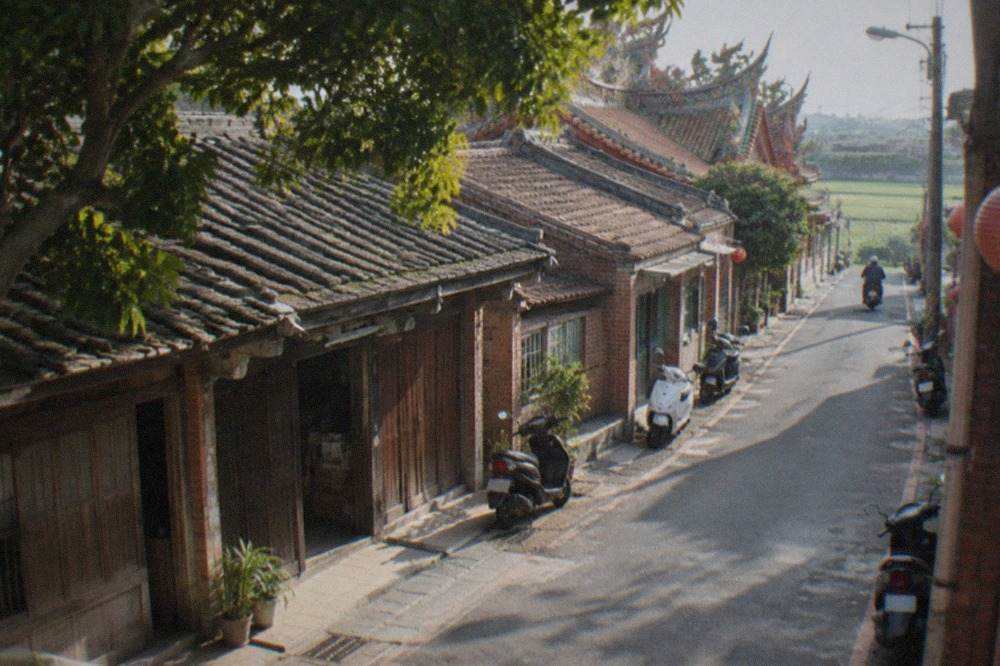
Jingliao Old Street is a small, preserved street village in Houbi District, in the inland north of Tainan, made up of low traditional shopfronts, brick and timber houses and a slow rural pace. There is no entrance ticket and no published closing time, because it is a living street rather than a ticketed attraction, and the Tourism Bureau presents it as an old-street destination best combined with nearby Yanshui.
The street belongs to a category of place that Tainan has a lot of but that foreign visitors rarely reach. Taiwan's old streets are the surviving commercial spines of market towns that grew up around temples, rice trading and railway halts in the nineteenth and early twentieth centuries. When the trade moved on, the streets froze. Jingliao's version of that story is an agricultural one: Houbi District is rice country, and the street served the surrounding fields rather than a port or a garrison, which is why it feels nothing like Anping or the West Central District.
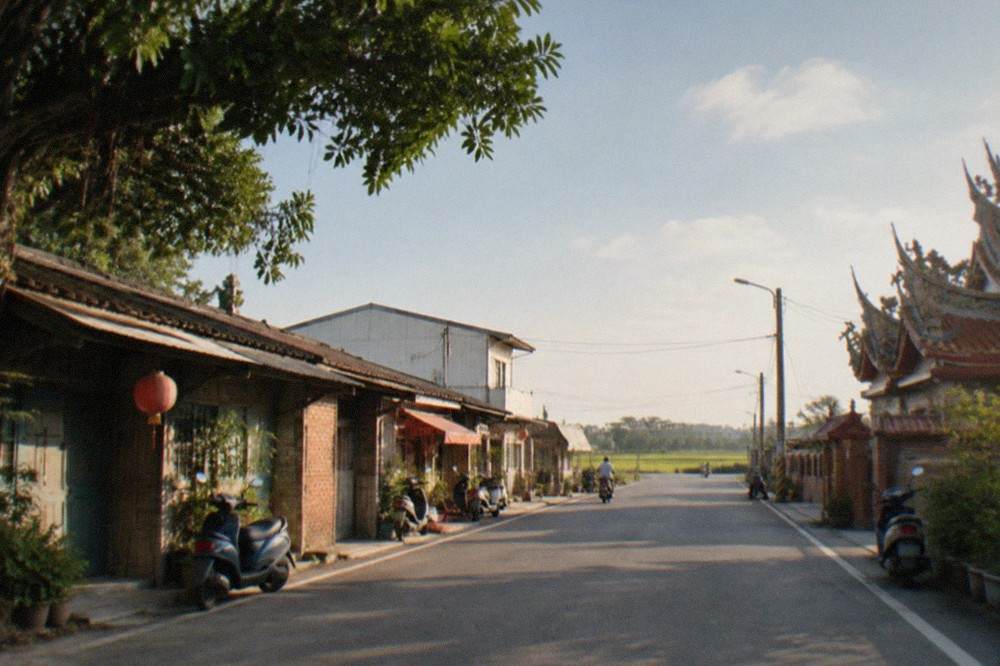
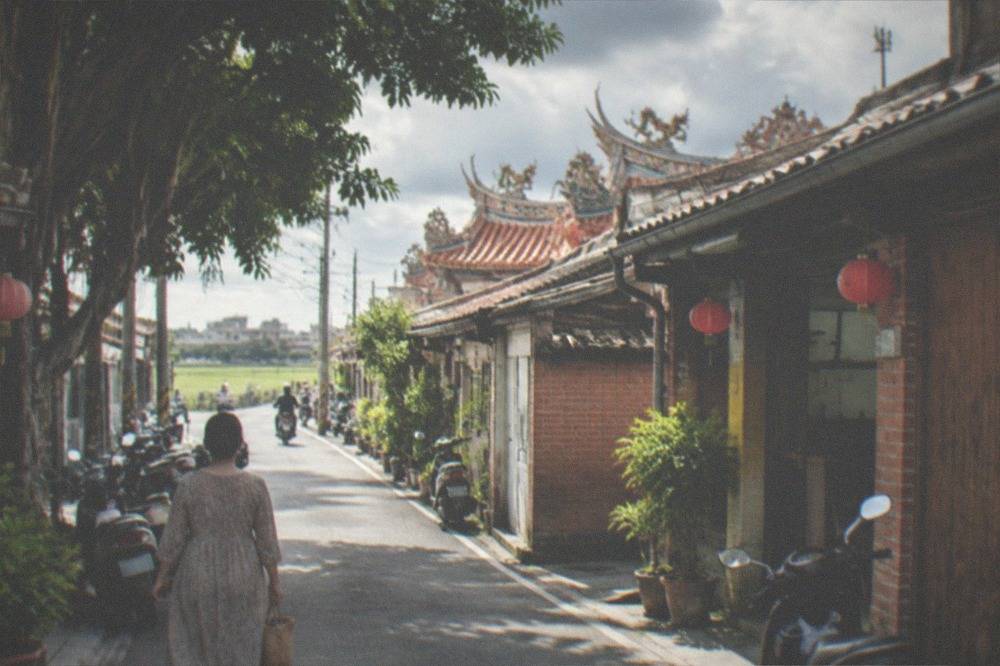
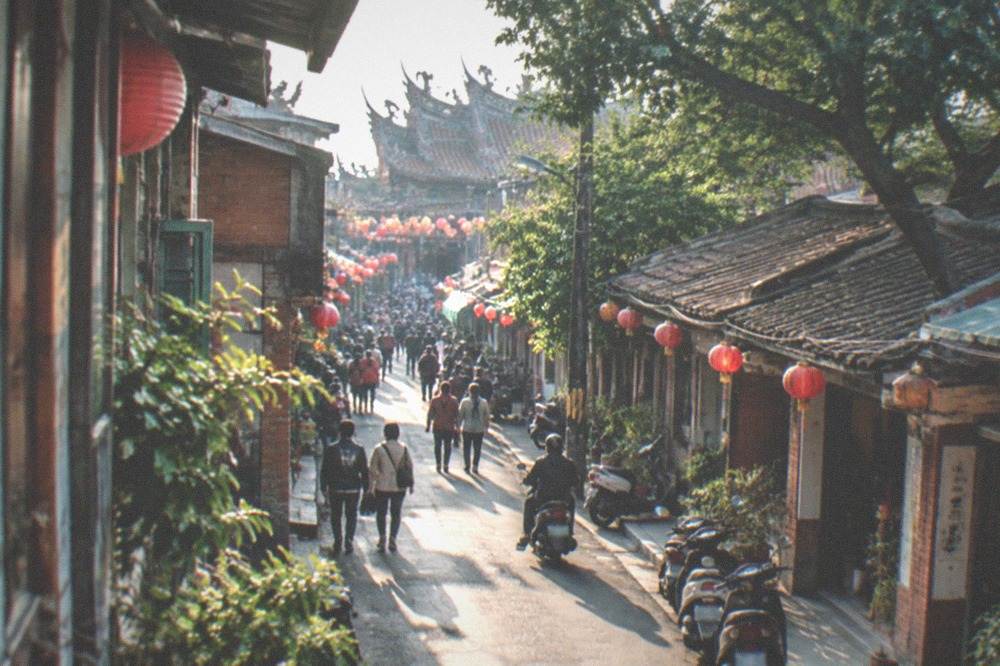
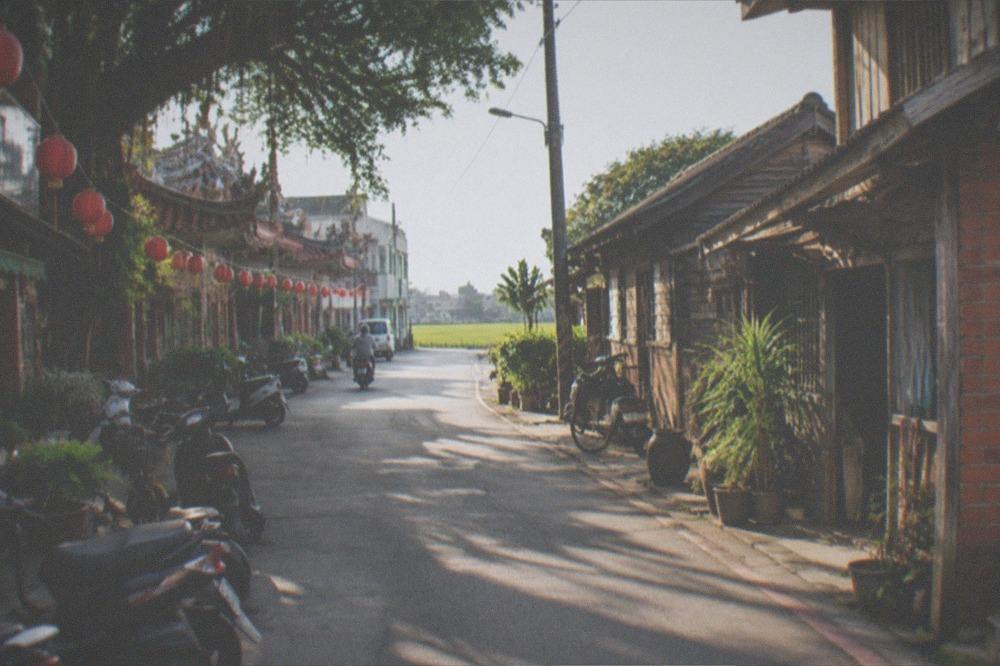
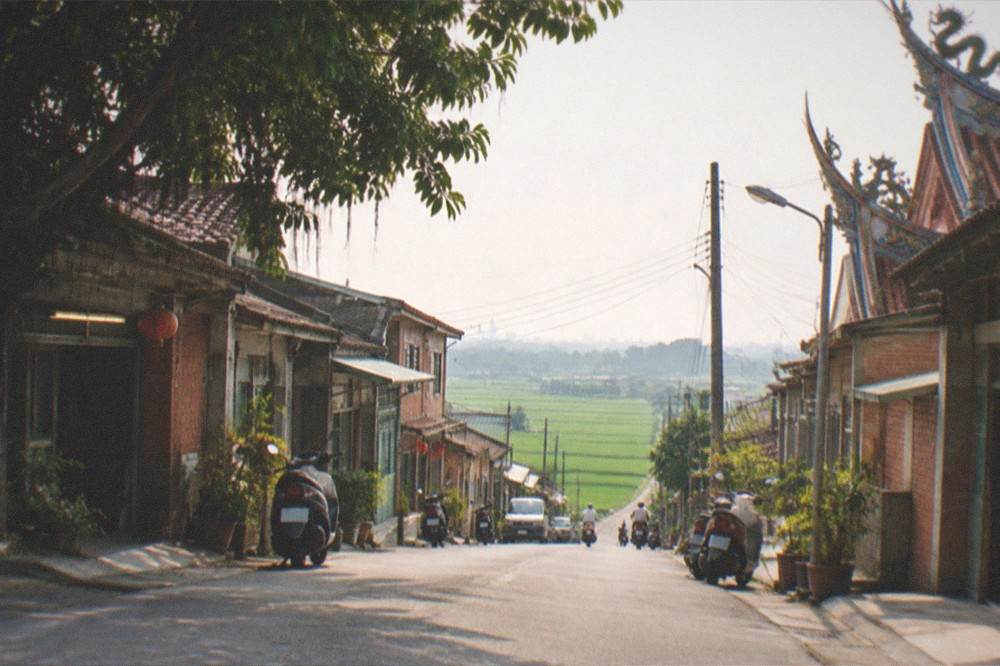
What the listing and the photographs of the street show is a single low-rise stretch: shuttered wooden facades, rendered brick walls, tiled roofs, and small family businesses that open when they open. That unpredictability is the honest caveat. Unlike Chihkan Tower, which the city's own page says opens 08:30 to 21:30 every day, a rural old street has no gate, no ticket desk and no guaranteed open shop. Go expecting a atmosphere and a walk, not a program.
The reward for going is context. Jingliao sits in the same corner of Tainan as Yanshui, the district famous for the Beehive Fireworks, and the two are usually visited together. The Tainan Travel Guide day-trip page for the pair covers the routing in detail, but the short version is that this is the part of the city where Tainan stops feeling urban and starts feeling like the agricultural plain it sits on.
Where Is Jingliao Old Street and How Do You Get There?
Jingliao Old Street is in Houbi District, northern inland Tainan, roughly in the same corner of the city as Yanshui and well outside the old city center around Chihkan Tower. There is no rail station at Jingliao itself, so the trip means a city or inter-district bus, a hired car, or a tour that bundles the area with Yanshui.
The transport facts that matter are verified ones. Tainan's city buses are free for the first 8 km of any trunk or branch route, provided you tap on with an electronic card, a Citizen Card, iPASS, EasyCard or iCash 2.0, and tap off at the end. The city's own bus ticket page states the policy and notes it runs for the 2026 calendar year, so treat it as current rather than permanent. The cash fare for the same trip is NT$26. The tap-off is the part visitors miss: forget it and the free distance does not apply.
Distances here are long, though, and that is the catch. The 8 km free distance covers hops inside the old city comfortably, but Houbi is a rural district well north of the center, and a bus ride out to it will run past the free distance and into the metered fare. The city's fare structure means the trip is cheap either way, but budget more than a city-center hop and check the route on the official 2384 bus site before setting out, because rural frequencies are thinner than urban ones and the days do change.
For visitors staying in the old city, the practical comparison is this. Getting to Shennong Street or Guohua Street takes minutes and costs nothing with a card. Getting to Jingliao is a committed half-day, which is exactly why the street stays quiet. If your time in Tainan is short and you are choosing between old streets, the one day in Tainan itinerary keeps you central; Jingliao belongs to the second or third day, or to a day trip.
That is also the case for letting someone else drive. A guided day tour removes the bus-timetable question entirely, and the coastal and lagoon tours that this site lists pair well with an inland morning.
If you would rather not organize rural transport at all, the simplest structure is a private guide with a car, which turns Jingliao, Yanshui and the rice-field backroads into one loop. The listing for the private car and local guide option on this site covers a full eight-hour day, which is the right shape for this part of Tainan.
What Can You See on and Around Jingliao Old Street?
The street itself is the sight: a short stretch of preserved low shopfronts, brick walls and timber shutters, plus the surrounding rice-country landscape of Houbi District. There is no ticket, no museum and no monument inside, so the visit is a slow walk, photographs, whatever small shops happen to be open, and the countryside either side of the street.
Honesty first: nobody writing this site has stood on Jingliao Old Street, so this section reports what the listings and the district context support rather than a personal account. The Tourism Bureau's framing of Tainan's old streets, and the visitor data it sits inside, describe places of exactly this kind, modest commercial streets preserved by economic decline, and Jingliao's rural setting is what distinguishes it from the urban examples.
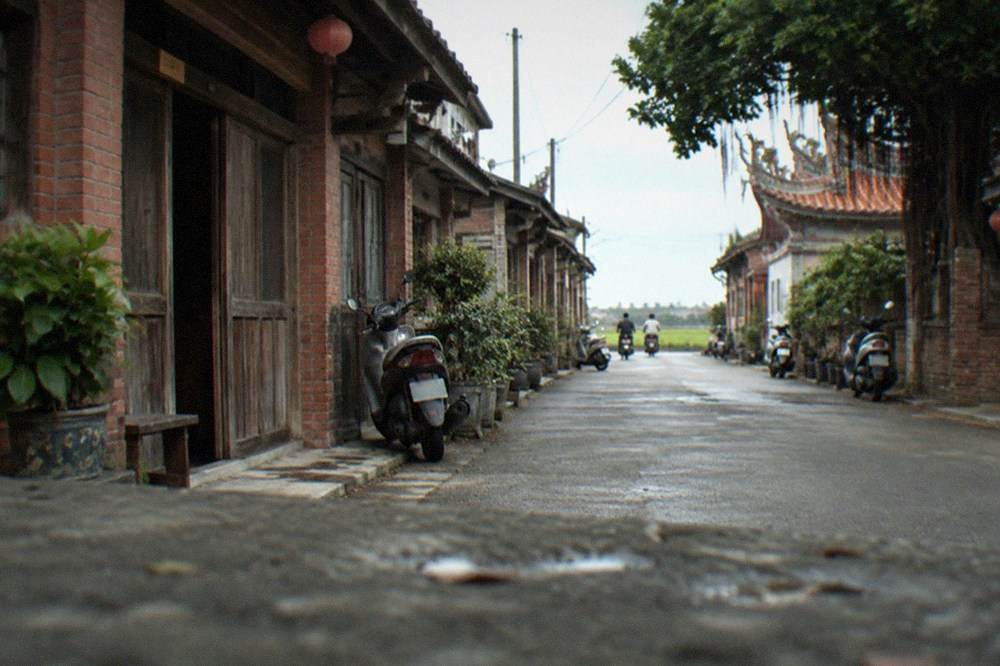
Around the street, Houbi District offers the landscape. This is rice-plain country, flat, green for much of the year, and photogenic in the way agricultural Taiwan is: fields, irrigation channels, small temples at the lane ends, and a horizon with no towers in it. The district is also close enough to Yanshui that the two combine naturally. Yanshui Old Street drew 998,388 visitors in 2023 according to the Tourism Administration's own attraction dataset, and its peak month is January, which tells you when this whole corner of Tainan is at its busiest.
Photography is the activity that suits Jingliao best, and it is worth saying plainly that the street is a backdrop more than an attraction. Visitors who want Tainan's old-town look in their photographs sometimes rent a qipao for the day and shoot against heritage streets, and that idea travels well to a rural old street, where the plain brick facades do the work of a studio set.
The Anping qipao rental listed above is a full-day rental, which is long enough to carry the dress inland to Jingliao if a car is part of the plan. For a sense of what else photographs well in Tainan, the Chihkan Tower page covers the city's most photographed Dutch-era site, and the contrast between that and a rural street is the whole range of what Tainan offers a camera.
When Is the Best Time to Visit Jingliao Old Street?
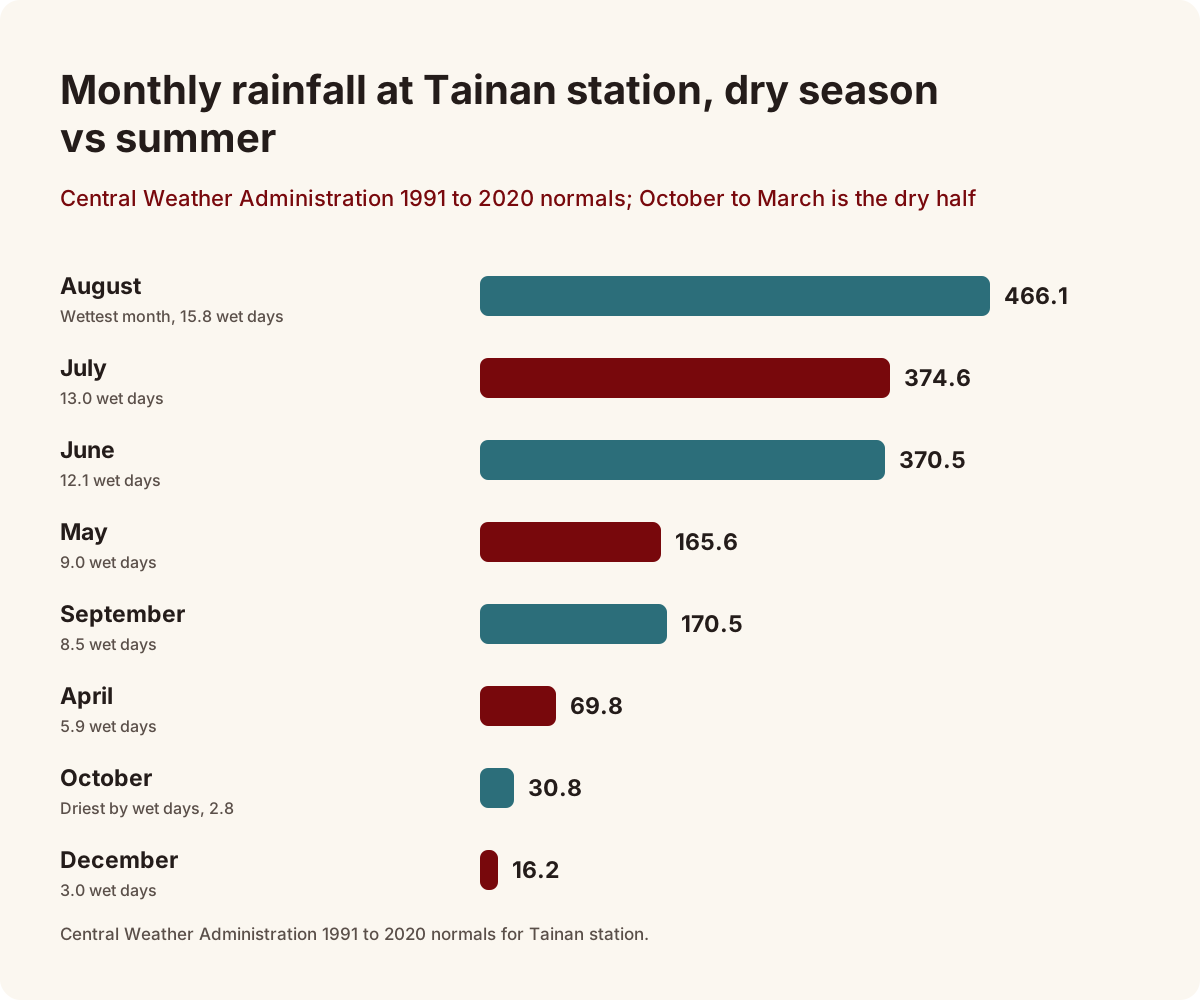
October to March is the best window for Jingliao, because that is Tainan's dry, comfortable half of the year, and February adds the Yanshui Beehive Fireworks to the same corner of the city. The Central Weather Administration's 1991 to 2020 normals for Tainan show December bringing just 16 mm of rain across three wet days, against 466 mm across sixteen days in August.
The climate table below is the verified numbers for Tainan station, and it tells the whole story of when to come. Rain in Tainan is almost entirely a summer event: close to three-quarters of the annual 1,761 mm falls between May and September, and 186 days a year go above 30C. A rural street with no shade and no indoor program is a much better walk at 24C in December than at 33C in July.
| Month | Mean max (C) | Rain (mm) | Wet days | Days over 30C |
|---|---|---|---|---|
| January | 23.0 | 20.7 | 3.8 | 0.0 |
| February | 24.0 | 21.6 | 4.1 | 0.9 |
| March | 26.6 | 30.4 | 4.2 | 4.1 |
| April | 29.3 | 69.8 | 5.9 | 14.9 |
| May | 31.4 | 165.6 | 9.0 | 25.2 |
| June | 32.4 | 370.5 | 12.1 | 26.2 |
| July | 33.0 | 374.6 | 13.0 | 28.9 |
| August | 32.6 | 466.1 | 15.8 | 27.6 |
| September | 32.4 | 170.5 | 8.5 | 27.8 |
| October | 30.8 | 30.8 | 2.8 | 23.6 |
| November | 28.1 | 23.8 | 2.4 | 6.1 |
| December | 24.4 | 16.2 | 3.0 | 0.5 |
October is the sleeper pick: it is the driest month by wet days, 2.8, while still averaging 30.8C maxima, which the Central Weather Administration's published normals record. February is the other interesting month, for a different reason. The city's own festival calendar places the Yanshui Beehive Fireworks in February, held on the Lantern Festival, and that event transforms the district next door to Jingliao. The calendar endpoint the Tainan City Government Tourism Bureau publishes confirms the month; exact Gregorian dates are announced closer to the event, so check the city calendar before booking anything around them.
Typhoon risk is the one thing to weigh against the summer heat. Typhoon impact on Taiwan concentrates in the late-summer months, and the rainfall table shows exactly that shape without any need for a frequency statistic. If a typhoon day is declared, Tainan's city government announces it, and attractions and transport may suspend. Rural streets do not close, but the buses you would ride to reach them can.
How Does Jingliao Compare with Tainan's Other Old Streets?
Jingliao is the rural choice among Tainan's old streets: quietest, hardest to reach, and closest to farmland. Shennong Street in the old city is the polished urban alternative, Anping Old Street is the historic harbor one, and Guohua Street is the food-focused one, so the choice is really between atmosphere and convenience.
The comparison matters because most itineraries fit two old streets at most. Shennong Street, a restored canal-side street near the old city center, is compact, evening-friendly and walkable from the main hotels. Anping Old Street sits inside the Anping heritage zone, minutes from Anping Old Fort and the Tree House, so it costs almost no extra travel time. Jingliao is the only one of the three that requires a dedicated trip, and the only one surrounded by rice fields rather than apartments.
| Old street | Setting | Travel effort | Best paired with |
|---|---|---|---|
| Jingliao Old Street | Rural, Houbi District | Half-day trip, bus or car | Yanshui, Beehive Fireworks in February |
| Shennong Street | Restored canal street, old city | Minutes on foot or by free bus ride | Hayashi Department Store, evening bars |
| Anping Old Street | Historic harbor district | Short bus ride from the center | Anping Old Fort, Tree House, street snacks |
| Guohua Street | Food street, West Central District | Walkable from Chihkan Tower | Tainan street food crawl |
The visitor numbers back this up. The Tourism Administration's 2023 dataset, compiled by each attraction operator, puts Yanshui Old Street at 998,388 annual visitors with January its peak month, while Anping as a whole district drew 4,441,443. The caveat that always travels with these figures is that a ticketed museum and an open street count differently, and the 2020 to 2022 years are COVID-depressed, but the shape is clear: the inland north of Tainan is far quieter than the coast, and Jingliao is quieter still.
For eating, the honest note is that Jingliao is not a food destination and no official price list for its shops exists. The serious eating happens in the city, and the Tainan street food guide covers where. A sensible structure for a Jingliao day is to eat well in the city the evening before or after, and treat the inland trip as scenery rather than cuisine.
The evening walking tour above is the natural complement: it spends the night in the old city, where the food and the lit streets are, after a day spent inland. Pairing one rural morning with one urban evening is the shape of a good second day in Tainan.
What Is Free to Do Around Jingliao and Inland Tainan?
The whole inland area is free: Jingliao Old Street has no ticket, the surrounding rice-field lanes cost nothing, and Tainan's bus network makes the first 8 km of any trunk or branch ride free with an electronic card in 2026. The city's free-entry temples, including the Confucius Temple and the Grand Matsu Temple, are all in the old city, so a free day splits naturally between a rural morning and a temple afternoon.
The free-entry list below is verified from the city's own attraction pages. None of these sites is near Jingliao, but a budget day that starts inland can finish among them, and the bus fare policy, free for the first 8 km with a card, tap on and tap off, makes the connecting rides free or nearly so.
| Site | Entry | Hours |
|---|---|---|
| Tainan Confucius Temple | Free | 08:30 to 17:30, closed Lunar New Year's Eve |
| Grand Matsu Temple | Free | 06:00 to 21:00 |
| Five Concubines Temple | Free | 08:00 to 17:00 |
| Kaiyuan Temple | Free | 06:00 to 17:00 |
| Jingliao Old Street | Free, no gate | Open street, no set hours |
The free things to do in Tainan guide expands this list with the city's free public spaces. What Jingliao adds to a free itinerary is the one thing the old city cannot: countryside. The walk out of the village past the fields costs nothing, and the Xinhua area to the south, with its own old street that drew 1,668,283 visitors in 2023, is another free inland stop on the same plain.
One practical warning for the evening. The inland districts are not night-market country, and Tainan's big markets rotate by day of the week, so plan the food evening for a night when the city's markets are actually running. Friday is the one night Garden, Wusheng and Dadong all open; Wednesday is the thinnest, with Wusheng alone; Siaobei is indoors and open every day, which makes it the wrong-night answer. The Garden Night Market page has the full day-by-day table, and the city updates these schedules, so check before you go.
Should You Buy a Ticket or Tour for Anything on a Jingliao Day?
Most of a Jingliao day costs nothing, because the street, the fields and the free-entry temples need no ticket. The only purchases worth planning are the Anping Tree House admission at NT$70 at the gate, if you extend to the coast, and a guided tour if you would rather not deal with rural bus timetables at all.
The Tree House ticket listed below is the simple one: NT$70 at the gate, 08:30 to 17:30 daily, per the city's own page, with half-price concessions and free entry for Tainan residents with ID. A visitor is not a resident, so plan on paying. Buying the ticket ahead through the listing simply skips the queue at the counter.
For the guided option, the day tours this site lists cover the lagoon coast and temple circuit rather than Jingliao itself, which reflects the market honestly: the rural inland is a self-guided or private-guide destination. The private car and local guide listing is the closest fit for a Jingliao-and-Yanshui loop, and the multi-day southern Taiwan tours fold Tainan into a wider circuit for travelers with three or more days.
The honest closing advice is this. Jingliao Old Street rewards a specific kind of visitor: one with a free half-day, a tolerance for thin bus frequencies, and a taste for quiet. If that is you, pair it with Yanshui, go between October and March, and let February's fireworks be the reason if you can time it. If it is not you, Shennong Street at dusk delivers the old-street atmosphere in twenty minutes from your hotel, and nothing about your Tainan trip will be poorer for it.
Common Questions About Jingliao Old Street
Is Jingliao Old Street free to visit?
Yes. It is an open residential and commercial street with no gate, no ticket desk and no published hours. Whatever shops are open charge only for what you buy, and there is no official price list for them, so carry cash for small purchases.
How do I get to Jingliao Old Street without a car?
By inter-district bus from Tainan, or as part of a private guided day trip. Tainan's buses are free for the first 8 km with an electronic card, tap on and tap off, under the city's 2026 policy, but Jingliao lies beyond the free distance, so expect a metered fare on the longer leg and check the route and frequency on the official 2384 bus site first.
Can you combine Jingliao Old Street with Yanshui?
Yes, and that is the standard pairing. The two sit in the same inland corner of Tainan, and this site's Yanshui and Jingliao day-trip page covers the routing. In February, the Yanshui Beehive Fireworks, held on the Lantern Festival, make the combined trip especially popular, so book accommodation early.
When is the best month to visit Jingliao Old Street?
Between October and March. The Central Weather Administration's normals show December with 16 mm of rain over about three wet days, against August's 466 mm over sixteen, and 186 days a year exceed 30C in Tainan. October is the driest month by wet days while still averaging 30.8C maxima.
Is Jingliao Old Street worth visiting compared with Anping or Shennong Street?
It depends on what you want. Jingliao is the quiet, rural choice with rice fields at the end of the street and no crowds; Shennong Street and Anping Old Street are easier to reach, better for food and evening atmosphere, and sit beside major sights like Anping Old Fort. Most first-time visitors should see the urban streets first and save Jingliao for a second or third day.
Are there places to eat on Jingliao Old Street?
Only small village shops, with no published hours and no official prices. Treat the street as scenery rather than a food stop, and plan the serious eating in the old city, where the street food guide and the rotating night markets cover everything from beef soup to night-market plates.