Getting by in English in Tainan
Tainan is the most historically Taiwanese of the island's cities, and it is not the place where a visitor expects English to be easy. In practice the picture is more mixed than the reputation suggests, and knowing exactly where English support is strong changes how the whole trip runs.
Short answer
Yes, a visitor can get by in English in Tainan, with preparation. Major attractions, the High Speed Rail system, city buses, museums and hotel front desks carry bilingual signage, and the city runs an English-Friendly Emblem program for shops and services. Night markets, small temples and street food stalls remain mostly Chinese-only, so a translation app, a card for transit and a little pointing go a long way.
Getting by in English in Tainan
Tainan is Taiwan's oldest city, its temple-dense former capital, and the place where a visitor is most likely to wonder whether the trip needs Mandarin. The honest answer is that it does not, but the experience is uneven in a way that is worth understanding before arrival. The city government has spent years pushing bilingual signage through its English-Friendly Emblems initiative, the major museums run full English label sets, and the High Speed Rail network is bilingual end to end. At the same time, the night markets, the small neighborhood temples and quite a few street food stalls operate almost entirely in Chinese. This guide sets out, section by section, where English support is reliable, where it thins out, and what tools close the gap.
How Much English Can You Actually Expect in Tainan?
Expect functional English at every major tourist touchpoint and very little at the small, local ones. The High Speed Rail, the big museums, the city's headline attractions and hotel front desks all operate bilingually, and the city's own tourism materials are published in English. Night markets, street food stalls, neighborhood temples and many local eateries are Chinese-first, and a translation app plus a transit card are the standard bridge between the two worlds.
The pattern follows the city's own infrastructure investments. The Tainan City Government's information office documents its English-friendly program, which awards emblems to shops, restaurants and services that commit to bilingual service, and the city has named demonstration sites including the Garden Night Market and the West Market. Tourist areas, key markets, buses, public facilities and an increasing number of taxis carry Chinese-English or multilingual signage, maps, menus and indicators as part of that initiative. The city's own tourism bureau publishes its entire attraction catalogue in English, including opening hours and admission details, which is why this site can cite those figures at all.
What the program has not done, and does not claim to have done, is make English universal. The city's own materials acknowledge the coverage is uneven, and occasional signage errors have been reported in local press coverage. A visitor who plans around the strong zones, and arms themselves for the weak ones, will find the language question much smaller than the guidebook reputation suggests.
Where English Signage and Support Are Already in Place?
English support is strongest at exactly the places a first-time visitor spends the most time: the Dutch-era forts, the big museums, the night market the city promotes hardest, and the entire High Speed Rail journey in and out. The Tainan City Government Tourism Bureau publishes English pages for every major attraction, the Chimei Museum and the Tainan Art Museum run English visitor information, and the HSR system's tickets, fare tables and station signage are fully bilingual.
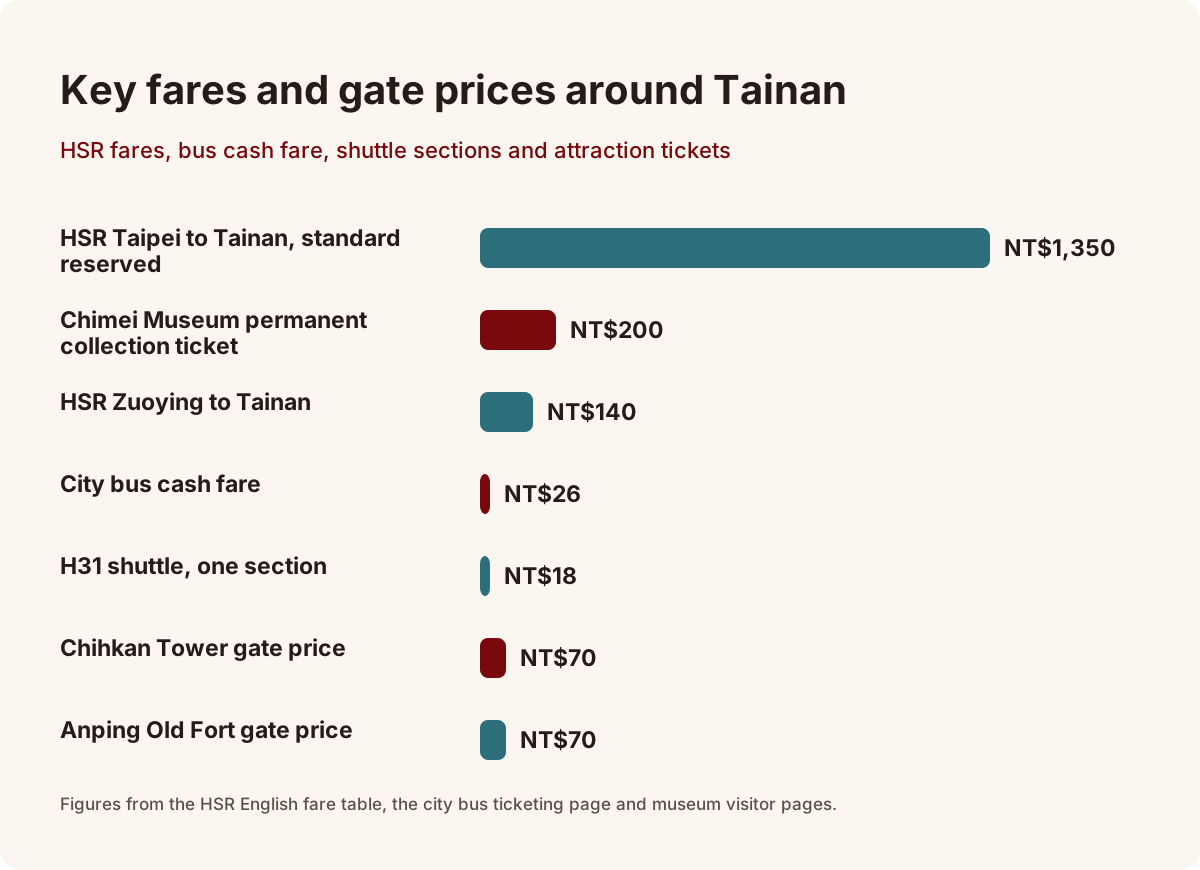
Start with the attractions themselves. The Tourism Bureau's English site covers the headline sites in detail: Chihkan Tower's page carries its hours, 08:30 to 21:30 daily, and its NT$70 gate price in English, as does Anping Old Fort's page. The Chimei Museum publishes its own English visitor information, and the Tainan Art Museum's hours-and-tickets page is bilingual, including the detail that it accepts EasyCard and iPASS at the ticket desk. A visitor who reads these pages before going is effectively carrying an English briefing for every ticketed site in the city.
The transport layer is similarly well covered. Taiwan High Speed Rail's English website publishes the full fare grid, station information and ticketing guidance, and the Tainan city bus system's own ticketing page, which explains the free first 8 km policy, exists in an English version. The HSR station at Shalun is outside the old city in Guiren District, and every sign on the transfer between the station and the center appears in English alongside the Chinese. For a fuller rundown of that transfer, see the site's guide to the Tainan HSR station.
The city's festival calendar is published in English too, so timing a visit around the Yanshui Beehive Fireworks in February or the Qigu Seafood Festival in July to August does not require reading Chinese. The practical zones break down like this:
| Situation | English support | What it means in practice |
|---|---|---|
| High Speed Rail stations and tickets | Full bilingual signage and English website | Buying tickets needs no Chinese at all |
| Major museums (Chimei, Tainan Art, National Museum of Taiwan History) | English visitor pages and label sets | Hours, prices and closures are published in English |
| Headline attractions (Chihkan Tower, Anping sites) | Tourism Bureau English pages | Read hours and gate prices before arriving |
| City buses | English ticketing page and route info | Tap on and tap off with an electronic card |
| Garden Night Market and West Market | Named bilingual demonstration sites | Better signage than other markets, still bring a translation app |
| Small temples and street stalls | Little to none | Pointing, cash and a phone camera do the work |
Do People in Tainan Speak English?
Spoken English in Tainan is thinner than signage, and it concentrates in younger people, hotel staff, museum desks and the tourism trade. The city's emblem program means some shops and restaurants have committed to English service, but no visitor should count on conversational English at a temple, a night market stall or a local breakfast shop. Politeness, a translation app and patience are the working combination, and they work well.
The distinction that matters is between reading and speaking. Almost everything a visitor needs to read, schedules, prices, platform numbers, museum hours, exists in English somewhere official. Spoken help is a different resource. Front desk staff at mid-range and upscale hotels generally handle English, museum ticket desks are used to foreign visitors, and students and younger shop staff often have some English. Beyond those zones, a visitor should expect Chinese-first interactions and plan for them rather than being surprised.
None of this makes Tainan hard to visit. The city is compact, cash and electronic cards handle almost every transaction, and the tourism infrastructure is built for people who do not read Chinese. The site's longer treatment of this exact question, including what locals and recent visitors report, sits on the do they speak English in Tainan page. For travelers who want the language question removed entirely, a guided experience is the cleanest fix.
A guided tour is not just translation cover, it is context. Tainan's temples and old streets carry stories that no sign fully explains, and an English-speaking guide turns a walk past a temple gate into an account of the Dutch period, Koxinga, and the Qing-era city. The options below are the ones this site rates for visitors who want that layer.
How Do You Get Around Tainan Without Mandarin?
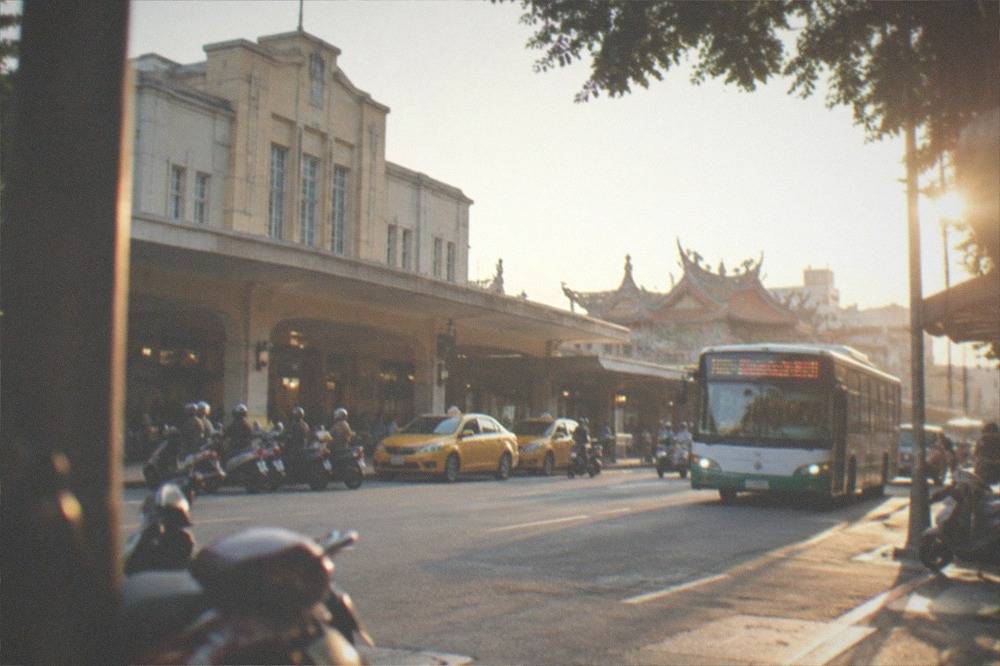
You get around Tainan without Mandarin by riding the buses with an electronic card and reading the English route information, by using the fully bilingual High Speed Rail for long legs, and by walking the old city, which is compact enough that walking covers most sightseeing. The city's bus site publishes its fare policy in English, and the free first 8 km policy works with an EasyCard, iPASS, Citizen Card or iCash 2.0.
The bus system is the best example of English support translating into real convenience. The city's own bus ticketing page states in English that trunk and branch buses are free for the first 8 km of travel with an electronic card, a policy running through the 2026 calendar year. The two conditions are holding one of the accepted cards and tapping on and tapping off; the tap off is the part visitors miss, and missing it can mean the fare being charged anyway. The cash fare for the same trip is NT$26. The full mechanics, including the transfer discount with Taiwan Railway, are on the site's getting around Tainan page.
The High Speed Rail needs no Chinese at any point. The operator's English fare table lists Taipei to Tainan at NT$1,350 for a reserved standard seat, Zuoying to Tainan at NT$140, and the station signage, ticket machines and platform displays are bilingual. One fact to hold onto: the HSR station is not in Tainan's center. It sits at Shalun in Guiren District, and the H31 shuttle bus to the city is free for HSR passengers who show a ticket stub. The details of the Taipei leg are on the Taipei to Tainan page, and the wider rail picture on the Taiwan High Speed Rail guide.
| Transport | English support | Key verified fact |
|---|---|---|
| City buses (trunk and branch) | English ticketing page, bilingual stop announcements on main routes | Free first 8 km with EasyCard, iPASS, Citizen Card or iCash 2.0; tap on and tap off; cash fare NT$26 |
| H31 HSR shuttle | Route info in English on the city bus site | Free for HSR passengers with a ticket stub; otherwise NT$18 per section, NT$36 for two, section break at the Chimei Museum |
| High Speed Rail | Full English website, bilingual stations | Taipei to Tainan NT$1,350 standard reserved; Zuoying to Tainan NT$140 |
| Taxis | Limited; hotel staff will write destinations in Chinese | No verified published fare schedule; agree or use the meter |
| Walking | Street signs in tourist areas are bilingual | The old city's core sights sit within walking distance of each other |
How Do You Order Food When the Menu Is Chinese?
Ordering food without Mandarin in Tainan is done with a translation app, cash, and pointing at what other tables are eating, and it works at every night market and street stall in the city. Menus at small eateries are usually Chinese-only, prices are not published in English anywhere official, and photos of dishes on stalls and food blogs do the communication that conversation cannot. Beef soup shops, noodle stands and night market grills all operate on this pointing-and-cash pattern every night.
Food is where the English support thins out fastest, and it is also where Tainan rewards the effort most. The city's food reputation rests on dishes like danzai noodles, coffin bread, milkfish soup and the early morning beef soup, and none of the famous stalls maintain English menus. No official price list for any dish or night market plate exists, so a visitor should expect to see prices on the stall's board and pay cash. The site keeps standalone guides to the signature dishes, including danzai noodles and Tainan beef soup, which help a visitor recognize what they are pointing at before they arrive.
The night markets are the main event, and they rotate by day of week, which matters more than the language question. The verified schedule, from the city's own tourism pages, is below. A visitor who shows up on the wrong night finds a closed lot, in any language. The rest of the planning pages sit on Tainan Travel Guide.
| Market | Open | Hours |
|---|---|---|
| Garden Night Market | Thursday, Friday, Saturday, Sunday | 17:00 to 00:00 |
| Wusheng Night Market | Wednesday, Friday, Saturday | 17:00 to 00:00 |
| Dadong Night Market | Monday, Tuesday, Friday | 18:00 to 01:00 |
| Siaobei Night Market | Every day, indoors | 12:00 to 00:00 |
The city updates these pages and the days do change, so check before going. Friday is the one night all three big outdoor markets run. The full picture, including how the markets differ in character, is on the Tainan night markets page, and the wider food landscape on the Tainan street food guide.
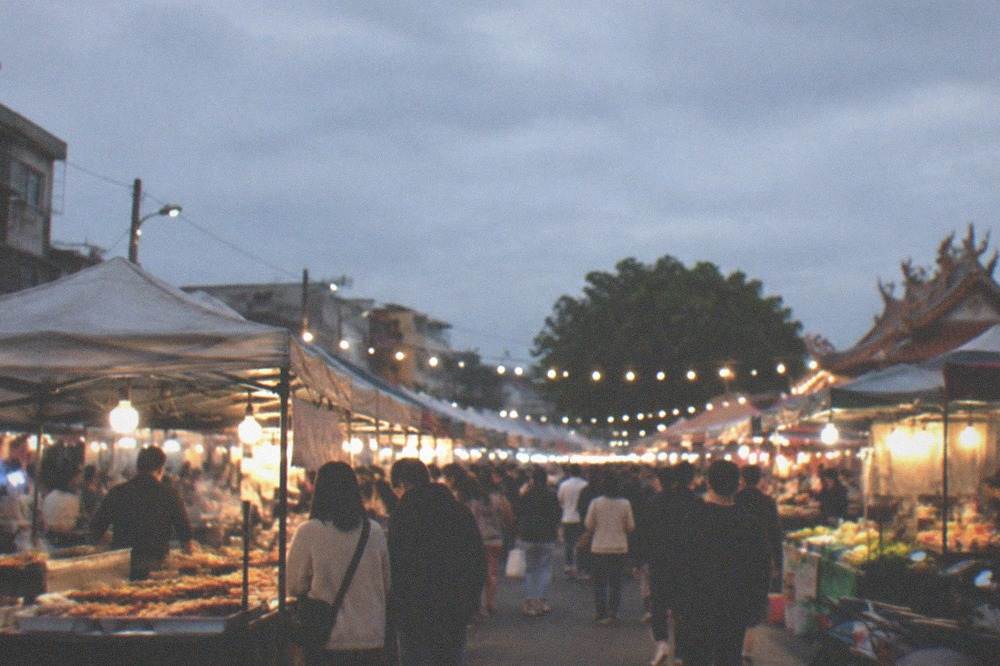
A camera is the single most useful language tool at a food stall. Photographing a dish from a guide or a blog, then showing the photo to the stall owner, communicates the order faster than any phrase. Numbers are the other half: prices are written in Arabic numerals on most boards, so the transaction itself rarely needs language at all. For a deeper route through the food scene, a guided walk with tastings included removes the ordering problem entirely, and the tea ceremony experience below is the most English-friendly version of that idea, run as a seated, explained session.
Which Museums and Attractions Handle English Best?
The Chimei Museum, the Tainan Art Museum and the National Museum of Taiwan History are the three sites where English support is essentially complete, with English visitor pages, English labels and ticket desks used to foreign visitors. The Dutch-era forts and the Confucius Temple have English information published by the city but fewer English labels on site, so reading the Tourism Bureau's pages beforehand fills that gap.
The museums are the easy recommendation for a visitor who wants language pressure at zero. The Chimei Museum publishes its own visitor information in English, including the NT$200 permanent collection ticket, the half-price concession for ages 7 to 22 and seniors 65 and over, and the every-Wednesday closure. The Tainan Art Museum's English hours page covers its Tuesday to Sunday 10:00 to 18:00 schedule, its Saturday late closing at 21:00, its Monday closure, and its accepted payment cards. The National Museum of Taiwan History, out in Annan District, maintains an English site with its hours and its NT$100 regular ticket. Each of these pages is the museum's own, not a translation by a third party.
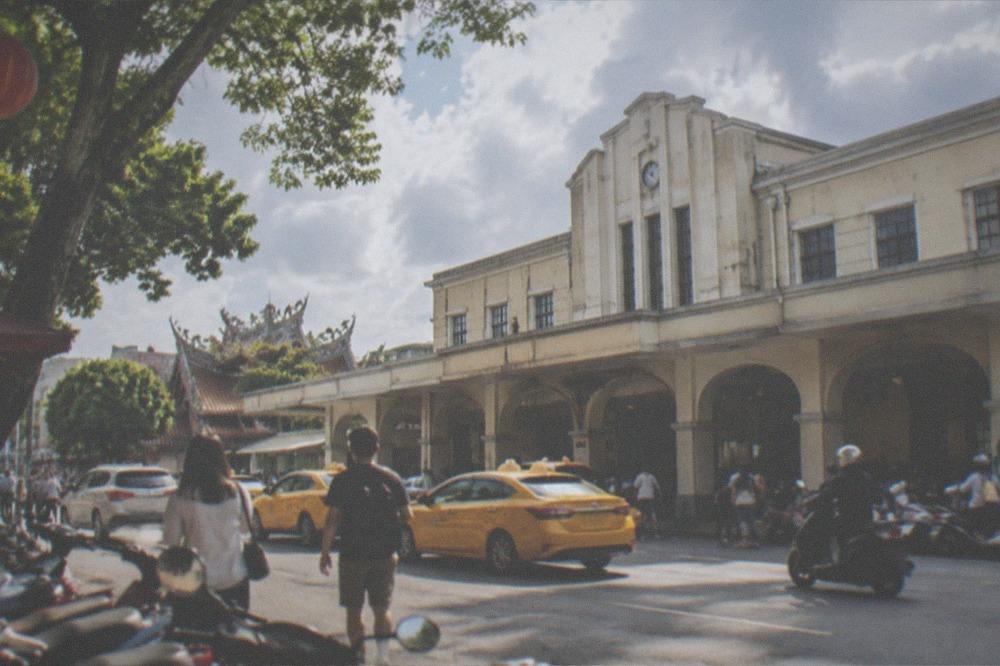
The historic sites work differently. Chihkan Tower, Anping Old Fort, the Anping Tree House and the Eternal Golden Castle each have a full English page on the Tourism Bureau's site, with hours and gate prices, but on-site interpretation is thinner and mostly in Chinese. The pattern for these sites is simple: read the city's English page first, then walk the site with a guidebook or a guide. The verified gate prices and hours are collected below, all from the city's own pages, and all subject to the on-site notice.
| Site | Gate price (NT$) | Hours | English support |
|---|---|---|---|
| Chihkan Tower | 70 | 08:30 to 21:30 daily | City English page; unusually late closing |
| Anping Old Fort | 70 | 10:00 to 17:10 daily | City English page |
| Anping Tree House | 70 | 08:30 to 17:30 daily | City English page |
| Eternal Golden Castle | 70 | 08:30 to 17:30 daily | City English page |
| Chimei Museum | 200 permanent collection | Last entry 17:00, closed Wednesdays | Full English visitor information |
| Tainan Art Museum | 80 | Tue to Sun 10:00 to 18:00, Sat to 21:00, closed Mondays | English hours page, EasyCard and iPASS at the desk |
| Tainan Confucius Temple | Free | 08:30 to 17:30, closed Lunar New Year's Eve | City English page |
| Qigu Salt Mountain | 50 on foot, 100 per car | 09:00 to 18:00 daily | City English page |
Chihkan Tower's late closing deserves emphasis for itinerary planning: at 21:30 it is one of the few historic sites in the city a visitor can see after dinner, which pairs naturally with a night market visit. The concessions structure is consistent across the city sites, half price for eligible visitors, and Tainan residents enter free with ID, but a visitor is not a resident and should not expect the free tier.
What Tools and Habits Help Most When English Runs Out?
The tools that matter are a translation app with camera mode, an EasyCard or iPASS for transit and museum tickets, cash for food stalls, and hotel business cards with the address in Chinese for taxi rides. The habits that matter are photographing dishes before ordering, reading the city's English attraction pages each morning, and keeping a screenshot of the night market schedule. None of these require a word of Mandarin.
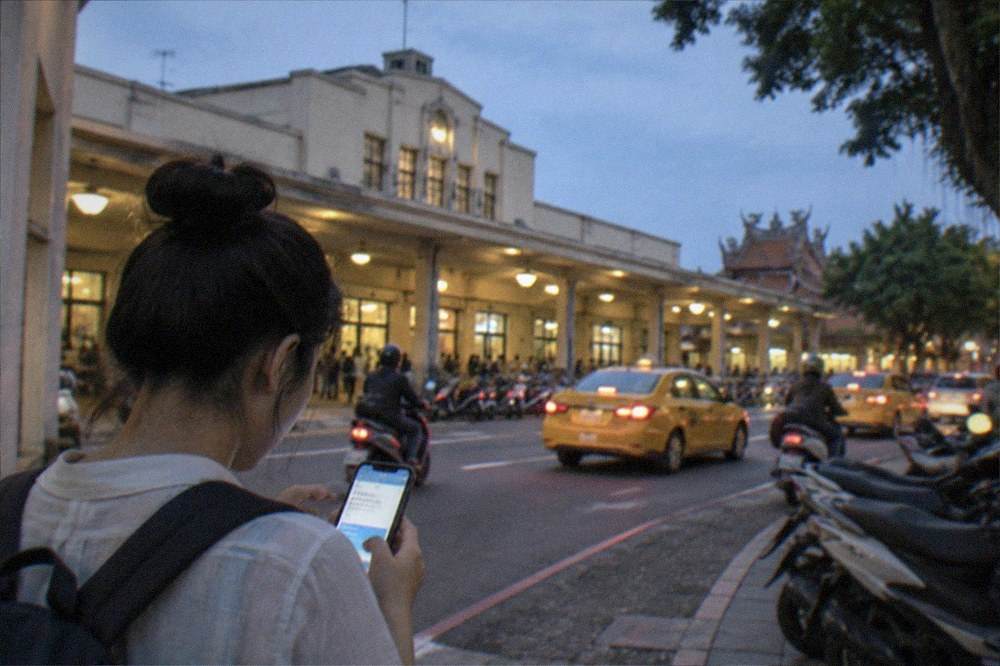
Camera translation is the workhorse. Pointing a phone camera at a menu board or a stall sign produces an instant English rendering of the dishes and prices, and it works offline on the major translation apps if the dictionary pack is downloaded before arrival. The second tool is the electronic card: an EasyCard or iPASS covers the free first 8 km bus policy, the NT$26 cash alternative, and the Tainan Art Museum's ticket desk, though it does not work on the High Speed Rail and should not be assumed to. The site's guide to using an EasyCard in Tainan covers the card mechanics in detail.
The third tool is preparation, and it is the one this whole site exists for. Every verified hour and price in this guide comes from an official English page, which means a visitor who spends ten minutes each evening reading the next day's pages arrives already knowing what things cost, when they close and which market is open. The weather question is answered the same way: the Central Weather Administration's published normals for Tainan show that October to March is the dry, comfortable half of the year, while August alone averages 466 mm of rain across 16 wet days, so the best time to visit Tainan page does seasonal planning in English.
What Should You Do When English Completely Fails?
When English fails completely, the fallbacks are the hotel front desk, the visitor services at the big museums, a translation app, and guided experiences where an English speaker handles the interaction. Writing the destination in Chinese before a taxi ride, photographing dishes before ordering, and carrying cash solve the majority of silent moments, and none of the city's essential experiences actually requires a conversation to complete.
The single best fallback resource is the hotel front desk. Staff at Tainan's mid-range and upscale hotels handle English routinely, and the standard service of writing a destination, a restaurant name or an address in Chinese characters on a card solves taxi rides, deliveries and lost moments in one stroke. Choosing a hotel with this in mind is a quiet but real part of the language strategy, and the site's where to stay in Tainan guide factors service level into its neighborhood breakdowns.
The second fallback is the guided experience, and in Tainan this is a genuine solution rather than a crutch. A guided food walk puts an English speaker between the visitor and every stall, and the lagoon and temple day tours out to Qigu and Sicao come with interpretation that no sign at those sites provides. The two options below are the ones this site rates most highly for visitors who want the language layer handled.
For the moments with no guide and no English, the etiquette is simple. A smile, a pointed finger at a dish, and cash on the counter complete most transactions in the city without a shared word. Locals are used to visitors, the tourism infrastructure is built for exactly this situation, and the city's temple etiquette, covered on the site's Tainan temples page, is short enough to learn from a single reading. A quiet walk through a temple needs no language at all, and the Grand Matsu Temple, the Five Concubines Temple and Kaiyuan Temple are all free to enter, with hours published on the city's English pages.
Common Questions About Getting by in English in Tainan
Do they speak English in Tainan?
Spoken English is common at hotel front desks, museum ticket desks and among younger people in the tourism trade, but thin at night markets, street food stalls and small temples. Signage is much stronger than speech: the High Speed Rail, the big museums and the city's own attraction pages are all published in English. A translation app and an electronic transit card cover most of the remaining gap.
Is Tainan hard to visit without speaking Chinese?
No, but it rewards preparation. Every verified hour and price a visitor needs is published in English by the city or the venues themselves, the HSR system is fully bilingual, and buses run on tap-on, tap-off cards rather than conversation. The parts that need no language at all, temples, old streets and the free-entry sites, are the core of the city anyway.
Are Tainan's night markets English-friendly?
Partly. The Garden Night Market and the West Market are named bilingual demonstration sites under the city's English-Friendly Emblems program, so their signage is better than average. Individual stalls remain Chinese-first, prices appear on boards rather than menus, and photographing a dish to show the vendor is the standard ordering method. Siaobei Night Market is indoors and open every day, which makes it the wet-weather option.
Can I use an EasyCard in Tainan if I cannot read Chinese?
Yes. EasyCard and iPASS both work on city buses, where they unlock the free first 8 km policy on trunk and branch routes, and the Tainan Art Museum accepts them at the ticket desk. The card does not work on the High Speed Rail, so buy HSR tickets through the operator's English website or machines instead.
Do Tainan's museums have English labels?
The big three do. The Chimei Museum, the Tainan Art Museum and the National Museum of Taiwan History all publish their visitor information in English and are accustomed to foreign visitors. The historic forts have English information on the city's tourism pages but thinner on-site interpretation, so reading those pages beforehand fills the gap.
What is the single most useful tool for a non-Chinese speaker in Tainan?
A translation app with camera mode, downloaded for offline use before arrival. Pointing the camera at a menu board, a stall sign or an address produces an instant English rendering, and combined with cash and an electronic transit card it handles the large majority of daily interactions in the city.
Tainan's language question is smaller than its reputation, provided a visitor works with the grain of the city: official English pages for facts, cards and cash for transactions, a phone camera for menus, and guided experiences where an English speaker adds context rather than just translation. The city was Taiwan's capital for more than two centuries, until the late nineteenth century, and its temples, forts and night markets were never built with any language in mind other than their own, which is exactly why they are worth the small effort of reaching them. Plan around the strong zones, arm for the weak ones, and the oldest city on the island opens up in English well enough to be understood, and well enough to be loved.